

Are you curious about what it really means to breed a dog? Whether you’re thinking about starting your own breeding journey or just want to understand the process better, knowing the basics is key.
Breeding a dog isn’t just about pairing two animals—it involves careful planning, knowledge, and responsibility. You’ll discover the essential steps, important considerations, and the impact breeding can have on both your dog and future puppies. Keep reading to unlock the secrets behind successful dog breeding and find out if it’s the right path for you.

Credit: www.ebay.com
Basics Of Dog Breeding
Dog breeding is the process of mating selected dogs to produce puppies. It requires knowledge, care, and responsibility. Breeders focus on traits like health, appearance, and behavior. Understanding the basics helps anyone interested in this practice.
It is important to know common terms, different methods, and reasons behind breeding dogs. These points guide breeders to make better choices for the dogs and their puppies.
Breeding Terminology
Breeding has special words that describe its parts. A “sire” is the male dog used for breeding. The “dam” is the female dog. “Litter” means the group of puppies born from one mother. “Pedigree” shows the family tree of a dog. Knowing these terms makes learning easier and clearer.
Types Of Dog Breeding
There are several types of dog breeding. “Purebred breeding” means mating dogs of the same breed. “Crossbreeding” mixes different breeds to get new traits. “Line breeding” focuses on keeping traits from a specific ancestor. Each type has a goal and rules to follow.
Reasons For Breeding
People breed dogs for many reasons. Some want to keep a breed’s special traits. Others breed for work, like hunting or guarding. Some breed to improve health or fix genetic problems. Breeding can also be for companionship and showing dogs in competitions.
Choosing The Right Dogs
Choosing the right dogs is a key step in successful dog breeding. The quality of the parent dogs affects the health and traits of the puppies. Careful selection helps produce strong, happy, and well-behaved dogs. This process involves checking health, temperament, and genetics of the dogs.
Health Screening
Health screening checks if the dogs have any diseases. It includes tests for common illnesses in the breed. Dogs free from health problems make better parents. This reduces chances of passing diseases to puppies.
Regular vet checkups are important before breeding. Vaccinations and parasite control must be up to date. Only healthy dogs should be chosen for breeding.
Temperament Assessment
Temperament means a dog’s natural behavior and personality. Calm and friendly dogs usually raise calm puppies. Aggressive or fearful dogs may pass these traits on.
Assess dogs around people and other animals. Choose dogs with good social skills. This helps puppies grow with positive behavior.
Genetic Considerations
Genetics influence a dog’s appearance and health. Some breeds carry genes for specific diseases. Testing helps avoid breeding dogs with harmful genes.
Breeders aim to keep genetic diversity high. This lowers risks of inherited problems. Studying family history helps understand genetic risks.
Preparing For Breeding
Preparing for breeding a dog requires careful steps. It ensures healthy puppies and a smooth process. Planning ahead helps the dog and the owner stay safe and ready. Each part of preparation affects the outcome.
Timing The Breeding Cycle
Dogs have specific times when they can breed. This is called the heat cycle or estrus. It usually happens twice a year. The best time to breed is when the female is most fertile. This is usually between days 9 and 14 of her cycle. Watching for signs like swelling or bleeding helps find the right time. Breeding too early or too late can lower chances of pregnancy.
Health And Nutrition
Good health is key before breeding. The dog needs a balanced diet rich in vitamins and minerals. High-quality food supports strong puppies and a healthy mother. Avoid sudden changes in diet before breeding. Weight should be ideal, not too thin or heavy. Exercise keeps the dog fit but avoid overworking her. Healthy dogs handle pregnancy and birth better.
Veterinary Care
Visit the vet before breeding. The vet checks for diseases and overall health. Vaccinations must be up to date. Tests for genetic problems may be needed. The vet can give advice on breeding timing and care. Early checkups catch issues that could harm the mother or puppies. Regular vet visits protect the health of the whole family.
Ethical Breeding Practices
Ethical breeding practices ensure healthy dogs and support responsible pet ownership. These practices protect dogs’ health and improve their quality of life. Ethical breeders follow clear rules to avoid harm and promote good traits.
Breeding with care helps maintain strong, healthy dog populations. It also respects the animals’ needs and well-being.
Avoiding Overbreeding
Overbreeding can harm a dog’s health and cause stress. Ethical breeders limit the number of litters per dog. They allow enough time for recovery between pregnancies. This practice keeps dogs strong and healthy for a long time.
Maintaining Genetic Diversity
Genetic diversity helps prevent inherited diseases. Ethical breeders select mates carefully to avoid close relatives. They study bloodlines to keep variety in the gene pool. This reduces risks of health problems in puppies.
Prioritizing Animal Welfare
Animal welfare is the top priority in ethical breeding. Dogs receive proper care, nutrition, and veterinary checkups. Puppies grow in clean, safe environments with social interaction. This ensures healthy, happy dogs ready for loving homes.
Safe Breeding Techniques
Safe breeding techniques keep dogs healthy and puppies strong. They reduce risks for both the mother and her puppies. Careful planning and good practices help ensure a smooth breeding process. Understanding different methods and monitoring the dogs closely is important for success.
Natural Mating Vs. Artificial Insemination
Natural mating involves the male and female dog breeding naturally. It allows dogs to use their instincts and behavior. This method is simple but requires both dogs to be in good health.
Artificial insemination uses collected semen to breed the female. It helps when dogs are far apart or have mating problems. This method requires veterinary help but can be safer in some cases.
Monitoring The Mating Process
Watch the dogs closely during mating to avoid stress or injury. Make sure the female is ready and willing. Check for signs of discomfort or aggression. Keep the environment calm and quiet to help the dogs focus.
Handling Complications
Complications can happen during or after mating. Know the signs of trouble, like bleeding or pain. Contact a vet immediately if problems arise. Quick action can save the lives of the mother and puppies.
Credit: www.denison-vet.com
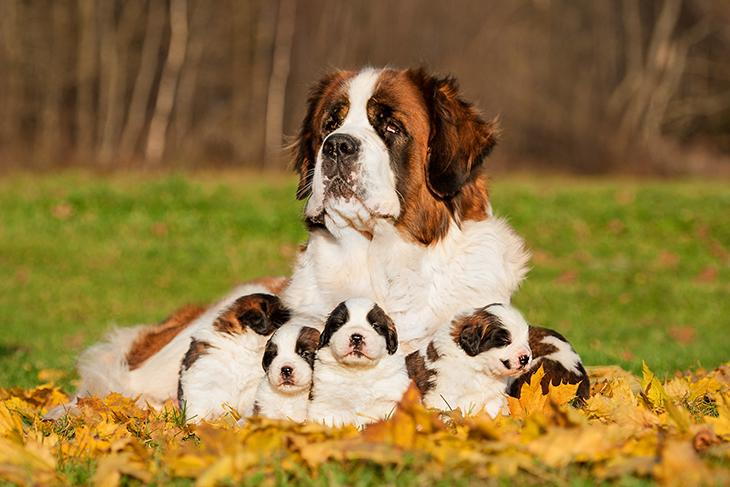
Pregnancy And Whelping Care
Pregnancy and whelping care are critical parts of breeding a dog. The mother’s health impacts her puppies’ well-being. Proper care helps ensure a safe pregnancy and delivery.
Understanding pregnancy signs allows early care steps. Preparing a calm, clean whelping area sets the stage. Supporting the mother and puppies during and after birth is essential.
Signs Of Pregnancy
Early pregnancy signs include reduced appetite and tiredness. The mother’s nipples may swell and become pink. Weight gain and a larger belly appear after a few weeks. Some dogs show nesting behavior as the due date nears. A vet check confirms pregnancy and monitors health.
Preparing The Whelping Area
Choose a quiet, warm, and clean space for whelping. Use soft bedding that is easy to clean or replace. Keep the area free from drafts and loud noises. Have supplies ready, like towels and heating pads. Make the space comfortable for the mother to relax and deliver safely.
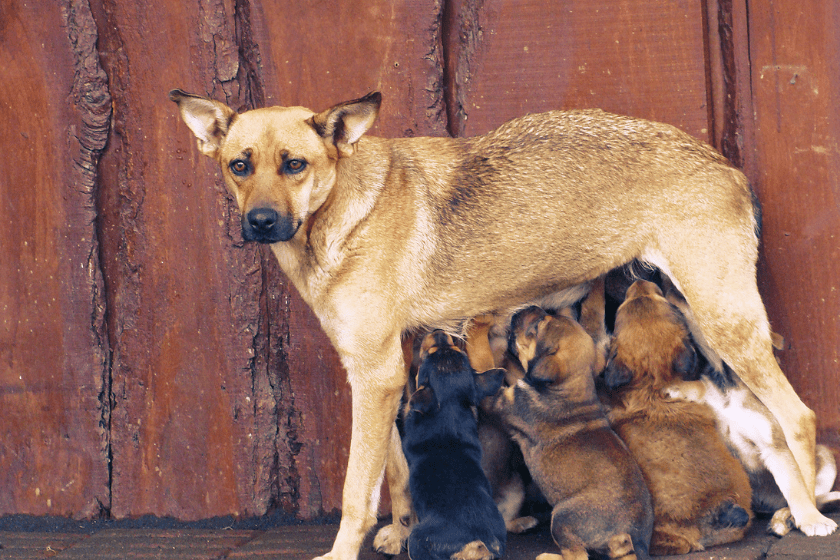
Supporting The Mother And Puppies
Provide nutritious food and fresh water during pregnancy and after birth. Monitor the mother’s health and watch for delivery signs. Help clean puppies if the mother struggles. Keep puppies warm and check they nurse well. Contact a vet if you see any problems or delays.
Raising Healthy Puppies
Raising healthy puppies is a key part of breeding a dog. Good care helps puppies grow strong and happy. It also sets them up for a good life with their new families.
Proper care starts early. Every step matters, from social skills to health checks. Finding the right homes is just as important.
Early Socialization
Puppies learn a lot in their first weeks. Meeting different people and animals helps them become friendly. Gentle handling and new sounds reduce fear. This leads to confident, calm adult dogs.
Vaccinations And Vet Visits
Vaccines protect puppies from serious diseases. Regular vet visits catch health issues early. Keep a schedule for shots and check-ups. Healthy puppies have a better chance to thrive.
Finding Responsible Homes
Choosing good owners is part of raising puppies. Responsible homes provide love and care. Ask questions about their lifestyle and experience. This ensures puppies live in safe, happy places.
Legal And Ethical Responsibilities
Breeding a dog carries important legal and ethical duties. These duties protect the dogs, breeders, and future owners. Following laws and ethical rules helps keep the process safe and fair. Responsible breeders ensure healthy puppies and respect for animal welfare.
Licensing And Regulations
Many places require breeders to have a license. This license proves they meet health and safety rules. Rules cover how dogs are cared for and housed. Following these laws avoids fines and legal trouble. It also shows a breeder’s commitment to proper care.
Record Keeping
Keeping clear records is vital for dog breeding. Records include health, vaccinations, and lineage of each dog. Good records help track genetic issues and medical history. They make the breeding process transparent and trustworthy. Proper documents protect both the breeder and the buyer.
Ethical Sales And Placement
Ethical breeders choose good homes for their puppies. They avoid selling to pet stores or unknown buyers. Asking questions about the buyer’s home ensures the puppy’s safety. Ethical sales also mean honest information about the dog’s needs and health. This care helps puppies live happy, healthy lives.
Credit: www.wideopenspaces.com
Frequently Asked Questions
What Does Breeding A Dog Mean?
Breeding a dog means mating selected dogs to produce puppies with desired traits. It involves careful planning for health, temperament, and genetics.
How Do Breeders Choose Dogs For Mating?
Breeders select dogs based on health, temperament, breed standards, and genetic compatibility. This ensures strong, healthy, and well-tempered offspring.
What Are Common Dog Breeding Methods?
Common methods include natural mating and artificial insemination. Each method aims to maximize the chances of successful pregnancy.
Why Is Responsible Dog Breeding Important?
Responsible breeding prevents genetic diseases, promotes good temperament, and maintains breed standards. It ensures puppies have a healthy start in life.
Conclusion
Breeding a dog takes care, time, and knowledge. It means choosing healthy dogs with good traits. Breeders help keep dog breeds strong and healthy. They watch for health issues and breed responsibly. This helps puppies grow up happy and well.
Learning about dog breeding helps you understand your pet better. It also shows how to keep dogs safe and healthy. Breeding is not just about puppies; it’s about caring for dogs’ future. Think carefully before starting. Responsible breeding makes a big difference.


