

If you’ve just welcomed new mother dogs into your care, you know how important their health is—for them and their puppies. But do you really know what your new mother dogs need to stay strong and well-nourished during this critical time?
Getting their nutrition right isn’t just about feeding them; it’s about giving them the energy and nutrients that support milk production, recovery, and overall wellness. Keep reading, and you’ll discover simple, effective ways to make sure your mother dogs get exactly what they need to thrive.
Nutritional Needs After Birth
After giving birth, mother dogs need special care in their diet. Their bodies work hard to heal and produce milk for puppies. Feeding them right helps them recover quickly and stay healthy. Nutrition plays a big role in their strength and energy levels during this time.
Increased Caloric Requirements
New mother dogs burn more energy than usual. Their bodies need extra calories to support milk production. Feeding more food helps keep their energy up. Choose high-quality food with good calories. This helps mothers stay strong for their puppies.
Essential Nutrients For Recovery
Protein is key for tissue repair and healing. Vitamins like A, E, and B-complex help boost the immune system. Minerals such as calcium and phosphorus support bone health. Balanced nutrition aids quick recovery and better milk quality.
Hydration Importance
Water is vital after birth. Producing milk uses a lot of fluids. Keep fresh water available all day. Proper hydration helps with milk flow and digestion. It also prevents health problems like dehydration.

Credit: www.purina.com.au
Best Food Choices
Choosing the right food for new mother dogs is very important. Their bodies need extra care to support milk production and recovery. Good nutrition helps them stay strong and healthy. It also supports their puppies’ growth. Focus on foods that provide essential nutrients and energy.
High-quality Puppy Food Benefits
Puppy food is rich in nutrients needed for growth. New mother dogs benefit from these nutrients too. This food has extra vitamins and minerals. It supports milk production and helps mothers regain strength. Feeding puppy food can improve energy and stamina. Choose brands with natural ingredients and no fillers.
Balanced Protein And Fat Sources
Protein helps repair tissues and build muscle. Fat provides energy and supports brain health. New mother dogs need more protein and fat than usual. Look for foods with meat or fish as the main ingredient. Avoid foods with too many carbs or fillers. A balanced diet keeps the dog healthy and active.
Avoiding Harmful Ingredients
Some ingredients can harm new mother dogs. Artificial colors, flavors, and preservatives can cause allergies. Avoid foods with corn, wheat, and soy. These are hard to digest and offer little nutrition. Always check labels for harmful chemicals. Clean, natural ingredients support better health for mothers and puppies.
Feeding Schedule And Portions
New mother dogs need careful feeding to support their health and their puppies. A good feeding schedule and proper portions help them stay strong. Feeding at the right times and with the right amounts is very important during this period.
Frequency Of Meals
New mother dogs should eat small meals often. Feeding 3 to 4 times a day works well. This keeps their energy up for nursing. Smaller, frequent meals help digestion and prevent stomach upset. Regular feeding also supports milk production for puppies.
Adjusting Portions Over Time
Portion sizes should increase as the weeks pass. Nursing mothers need more calories than usual. Add a little more food each week to meet their needs. Watch the dog’s weight and adjust portions carefully. Avoid sudden big changes to prevent stomach problems.
Signs Of Overfeeding And Underfeeding
Too much food can cause weight gain and diarrhea. Too little food leads to weakness and poor milk supply. Watch for changes in energy and body condition. If the dog seems tired or loses weight, food may be too little. If she gains too much weight quickly, cut back on portions.
Supplements And Vitamins
Supplements and vitamins can support new mother dogs during this demanding time. These nutrients help fill gaps in their diet and boost overall health. A balanced diet is essential, but sometimes extra nutrients are needed. Choosing the right supplements ensures both mother and puppies stay strong and healthy.
When To Use Supplements
Supplements are useful if the dog’s diet lacks certain nutrients. They help during pregnancy, nursing, or recovery. Signs like low energy or poor appetite may signal a need. Not every new mother dog needs supplements. Use them only when natural food does not meet all needs.
Common Vitamins For New Mothers
Vitamin E supports immune health and skin condition. B vitamins help with energy and stress management. Calcium is vital for strong bones and milk production. Omega-3 fatty acids improve brain function and reduce inflammation. These vitamins help new mothers stay healthy and care well for puppies.
Consulting A Veterinarian
Always ask a vet before giving supplements. They recommend the right types and doses. Too much of certain vitamins can harm the dog. A vet checks the dog’s health and suggests the best plan. This ensures safety and the best care for mother and puppies.
Monitoring Health Through Nutrition
Monitoring a new mother dog’s health through nutrition is very important. Proper nutrition supports her recovery after birth. It also helps her produce enough milk for her puppies. Careful observation of her health signs can prevent many problems early.
Nutrition affects many parts of her body. It impacts her weight, energy, and overall behavior. Watching these areas closely gives clues about her health. Catching issues early makes treatment easier and faster.
Weight Tracking
Keep track of the mother dog’s weight regularly. Sudden weight loss can show a health problem. Weight gain may mean she is eating too much or not active enough. Use a scale to weigh her once a week. Record the numbers to notice any changes clearly.
Energy Levels And Behavior
Watch how active and alert she is daily. Low energy might mean poor nutrition or illness. A healthy mother dog will be lively and care for her puppies. Changes in behavior, like restlessness or withdrawal, can signal stress or pain. Note any unusual signs and consult a vet if needed.
Recognizing Nutritional Deficiencies
Look for signs like dull coat, dry skin, or slow healing wounds. These may indicate lack of vitamins or minerals. Weakness or trembling can also point to poor nutrition. Make sure her diet includes protein, fats, vitamins, and minerals. Balanced meals help avoid these deficiencies and keep her strong.

Credit: vetpost.co.nz
Special Considerations
New mother dogs need extra care in their diet. Special considerations help keep them healthy. These needs vary based on health and litter size. Adjusting their food ensures puppies and mom both thrive.
Understanding these factors helps you support your dog better. Focus on medical conditions, large litters, and diet transition.
Feeding Mothers With Medical Conditions
Some mother dogs have health issues affecting nutrition. Conditions like diabetes or kidney problems need special diets. Consult a vet for the best food plan. Avoid foods that worsen the condition. Balanced nutrients help both mom and puppies stay strong.
Diet Adjustments For Large Litters
Mothers with many puppies need more calories and nutrients. Increase protein and fat in their meals. This supports milk production and energy levels. Offer food several times a day. Keep fresh water nearby at all times.
Transitioning Back To Regular Diet
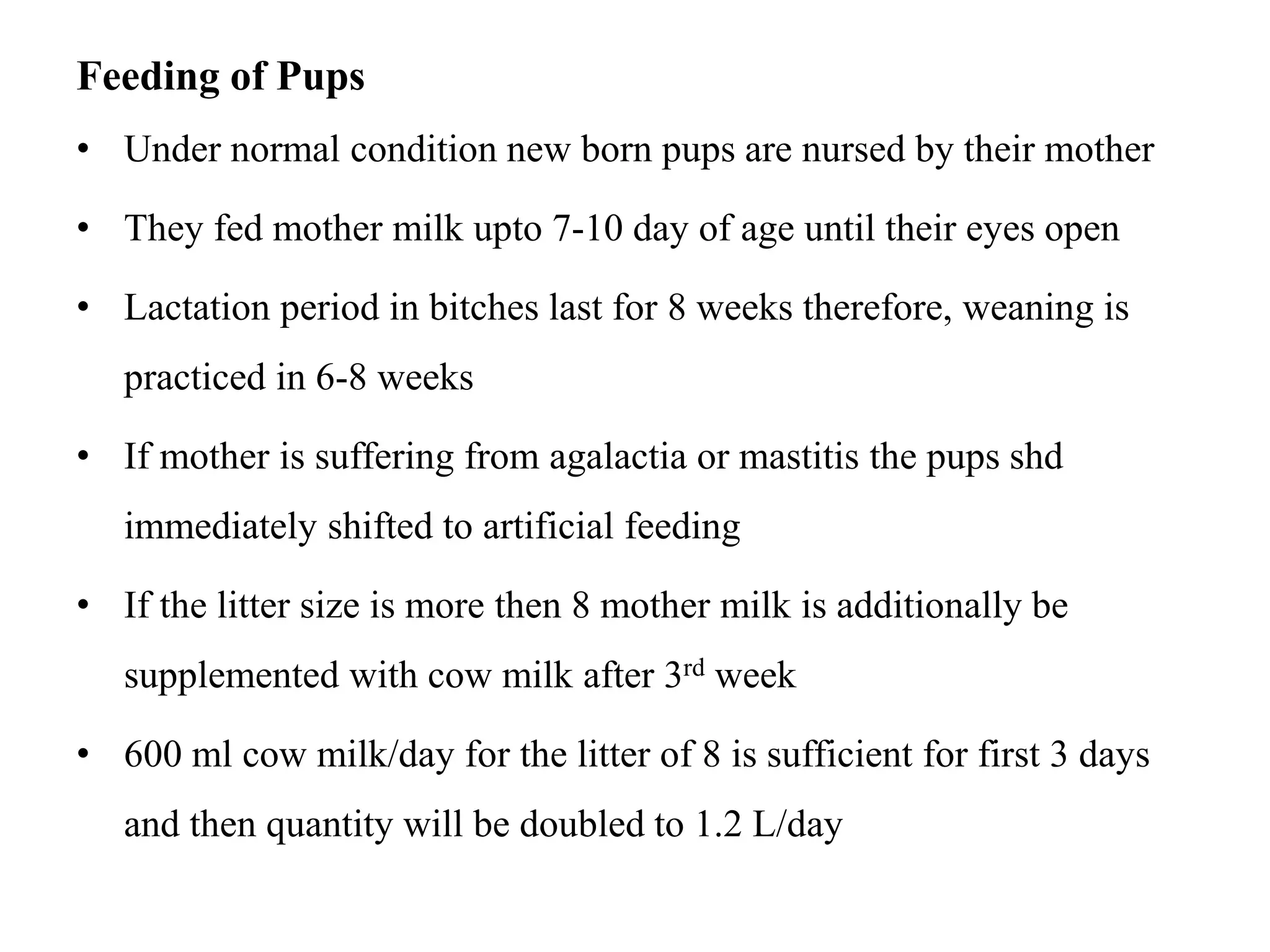
After weaning, slowly change mother’s food to normal diet. Mix the nursing food with regular meals over several days. This prevents stomach upset and helps digestion. Watch for any signs of discomfort during the change. A smooth transition keeps the dog healthy.
Credit: www.slideshare.net
Frequently Asked Questions
What Essential Nutrients Do New Mother Dogs Need?
New mother dogs need high protein, fat, calcium, and vitamins. These nutrients support milk production and recovery after birth. Quality puppy food often meets these needs, ensuring both mother and puppies stay healthy during nursing.
How Much Food Should A New Mother Dog Eat?
A new mother dog typically needs 2 to 3 times her normal food amount. Increased intake supports energy demands and milk production. Feeding multiple small meals daily helps maintain her strength and hydration.
Can Supplements Benefit Nursing Mother Dogs?
Yes, supplements like calcium and omega-3 fatty acids benefit nursing dogs. Calcium prevents deficiencies during heavy milk production. Omega-3s support immune health and coat condition. Always consult a vet before adding supplements to her diet.
When Should New Mother Dogs Switch Back To Regular Food?
Switch back to regular adult dog food gradually after weaning puppies. This usually happens around 6 to 8 weeks postpartum. Gradual transition prevents digestive upset and helps maintain balanced nutrition for the mother.
Conclusion
New mother dogs need good food to stay healthy and strong. They require extra nutrients to feed their puppies well. Fresh water and balanced meals help keep energy levels high. Avoid foods that upset their stomachs or cause allergies. Regular feeding times create comfort and routine.
Proper nutrition supports milk production and healing after birth. Caring for their diet means healthier moms and puppies. Small changes make a big difference in their recovery and growth. Remember, a happy mother dog leads to happy puppies. Simple, steady care works best every day.


