

Are you wondering when to switch your furry friend from puppy food to adult dog food? It’s a common question every dog owner faces.
Getting this timing right is important for your dog’s health, energy, and growth. If you change too early or too late, it can affect their digestion and nutrition. You’ll learn exactly when to start giving your dog adult food and why it matters.
Keep reading to make sure your pet stays happy and healthy at every stage of life.
Credit: www.chewy.com
When To Switch To Adult Dog Food
Knowing the right time to switch your dog from puppy food to adult food is important for their health. Feeding the correct diet helps your dog grow strong and stay healthy. This change depends on many factors, such as their age, size, and growth stage.
Puppy Growth Stages
Puppies grow fast in their first months. They need special food that supports this rapid growth. Usually, puppies eat puppy food until they finish growing. Small breeds mature faster and may switch to adult food around 9 to 12 months. Large breeds take longer, often 12 to 18 months.
Breed Size Impact
Size affects growth speed and food needs. Small dogs grow quickly and need adult food sooner. Large dogs grow slowly and need puppy food longer. Large breeds also need food that supports joint health. Choosing the right time depends on your dog’s size and breed.
Signs Your Dog Is Ready
Look for signs your dog is ready for adult food. Their growth may slow down or stop. They become less active in play and training. Weight gain may slow or stop. Always watch your dog’s energy and body condition. These signs help you decide the best time to switch.
Choosing The Right Adult Dog Food
Choosing the right adult dog food is important for your pet’s health and happiness. Adult dogs need a balanced diet to stay strong and active. The food you pick should meet their specific needs as they grow older. Understanding what to look for can help you make the best choice. This guide breaks down the key points to consider when selecting adult dog food.
Nutritional Needs
Adult dogs require more protein to maintain muscle. They also need fats for energy and healthy skin. Vitamins and minerals support their immune system and bones. The right balance helps avoid weight gain or nutrient gaps. Check the food label for appropriate nutrient levels for your dog’s size and breed.
Ingredients To Look For
Choose dog food with real meat as the first ingredient. Whole grains like brown rice or oats provide energy and fiber. Vegetables add vitamins and antioxidants. Look for foods that include omega-3 and omega-6 fatty acids. These promote a shiny coat and good brain function.
Avoiding Common Additives
Avoid foods with artificial colors, flavors, or preservatives. These can cause allergies or digestive issues. Stay away from excessive fillers like corn, wheat, or soy. These add little nutrition and may lead to weight gain. Pick natural, simple ingredients for the healthiest choice.
Transitioning Your Dog’s Diet
Changing your dog’s diet from puppy food to adult food is an important step. It helps support their growth and health as they mature. Transitioning slowly avoids stomach problems and keeps your dog happy and healthy.
Gradual Food Changes
Start mixing small amounts of adult food with puppy food. Increase the adult food portion over 7 to 10 days. This slow change helps your dog’s stomach adjust. Sudden changes can cause diarrhea or vomiting. Be patient and watch how your dog reacts.
Monitoring Digestive Health
Watch for signs of stomach upset during the diet change. Look for diarrhea, vomiting, or loss of appetite. If these happen, slow down the transition. Keep your dog hydrated and comfortable. Good digestion means your dog is adjusting well.
Adjusting Portion Sizes
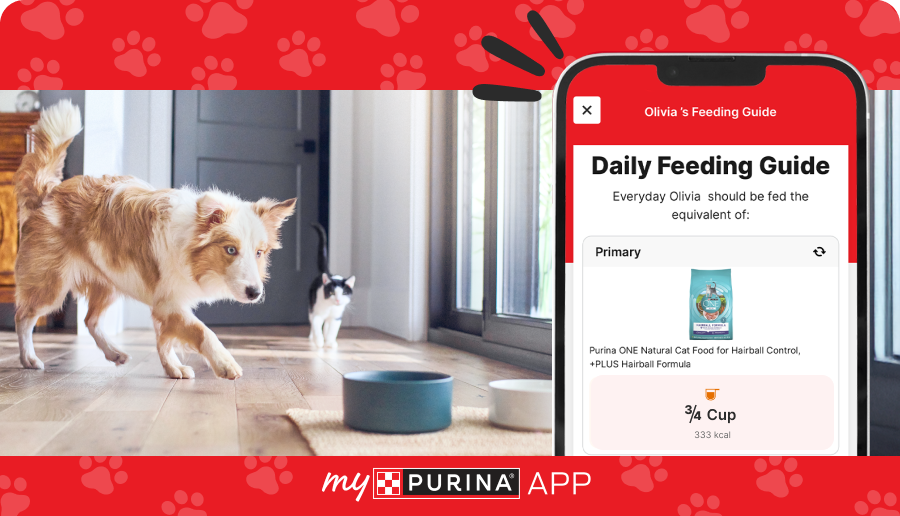
Adult dogs need fewer calories than puppies. Follow the feeding guide on the adult food package. Adjust portions based on your dog’s weight and activity level. Avoid overfeeding to prevent weight gain. Regularly check your dog’s body condition for best results.
Credit: www.purina.com
Special Considerations
Choosing the right food for your dog depends on more than just age. Special needs and health can change what type of food suits them best. Paying attention to these details helps keep your dog healthy and happy.
Senior Dogs And Diet
Older dogs need different nutrients than younger adults. Their metabolism slows down, and they may gain weight easily. Foods lower in calories and fat help prevent obesity. Adding fiber supports digestion. Senior dog foods often have joint-supporting ingredients like glucosamine.
Health Conditions And Food Choices
Some dogs have health issues that require special diets. Dogs with kidney problems need food low in protein. Allergies call for limited-ingredient diets or novel proteins. Dogs with diabetes benefit from food with controlled carbohydrates. Tailoring food to health needs improves quality of life.
Consulting Your Veterinarian
Your vet knows your dog’s health history best. They can recommend the right time to switch to adult food. Vets advise on special diets for health conditions. Regular check-ups help track your dog’s nutrition needs. Follow your vet’s advice for the best care.
Common Mistakes To Avoid
Changing your dog’s food from puppy to adult is important. Many dog owners make mistakes that affect their dog’s health. Avoiding common errors helps your dog grow strong and stay healthy. Here are some frequent mistakes to watch out for.
Switching Too Early Or Late
Changing to adult food too soon can cause nutrient gaps. Puppies need special nutrients for growth. Switching too late can lead to weight gain and poor digestion. Follow your vet’s advice on timing the switch.
Ignoring Breed Differences
Different breeds grow at different speeds. Large breeds need adult food later than small breeds. Ignoring this can cause joint problems or slow growth. Choose food based on your dog’s breed size and needs.
Overfeeding Or Underfeeding
Giving too much food causes obesity and health problems. Too little food leads to weak muscles and low energy. Measure portions carefully and adjust as your dog grows. Watch your dog’s weight and energy daily.

Credit: omni.pet
Frequently Asked Questions
When Should I Switch My Dog To Adult Food?
You should switch your dog to adult food around 12 months. Large breeds may need adult food later, at 18-24 months. This timing supports healthy growth and prevents nutritional imbalances. Always consult your vet for breed-specific advice.
Why Is The Transition To Adult Dog Food Important?
Transitioning to adult food ensures your dog gets balanced nutrients for maturity. Puppy food is high in calories and protein, which may cause weight gain in adults. Adult food supports maintenance and overall health.
Can I Feed Adult Food To A Puppy Early?
Feeding adult food too early can harm your puppy’s development. Puppies need extra nutrients and calories to grow properly. Wait until your puppy reaches the recommended age before making the switch.
How Do I Transition My Dog To Adult Food?
Transition gradually over 7-10 days by mixing increasing amounts of adult food with puppy food. This helps prevent digestive upset. Monitor your dog’s reaction and adjust the pace if needed.
Conclusion
Feeding your dog adult food at the right age helps their health. Most dogs switch around one year old. Small breeds may change sooner, large breeds later. Watch your dog’s growth and energy for clues. Talk to your vet if unsure about timing.
Proper nutrition supports strong bones and a shiny coat. Changing food too early or late can cause problems. Keep your dog happy with the right diet. Simple steps make a big difference in your dog’s life.


