

If you have a pitbull or are thinking about bringing one into your life, you want to make sure you give them the best care possible. Pitbulls are strong, loyal, and loving dogs, but they do need special attention to stay happy and healthy.
You’ll discover simple, practical tips that will help you understand your pitbull’s needs—from feeding and exercise to training and health care. By the time you finish reading, you’ll feel confident and ready to provide your pitbull with the care they deserve.
Let’s dive in and make sure your furry friend thrives every day!
Choosing The Right Pitbull
Choosing the right Pitbull sets the foundation for a happy life together. This breed needs careful selection to match your lifestyle and home. Understanding the basics helps you find a healthy, well-tempered dog. This section guides you through important points to consider.
Selecting A Healthy Puppy
Start by checking the puppy’s physical condition. Look for clear eyes, clean ears, and a shiny coat. The puppy should be active and curious, not tired or sickly. Ask the breeder about health records and vaccinations. Avoid puppies with signs of illness or neglect. Healthy puppies grow into strong adult dogs.
Considering Temperament And Energy
Pitbulls vary in personality and energy levels. Some are calm and gentle, while others are very playful and lively. Choose a puppy that matches your daily routine and activity level. Spend time with the puppy to see its behavior. A balanced temperament helps the dog adapt well to your home. This step ensures a better bond and easier training.
Creating A Safe Home
Creating a safe home is very important for your Pitbull’s happiness and health. A secure space helps your dog feel calm and loved. It also protects them from dangers inside the house. Preparing your home carefully makes life easier for both you and your dog.
Setting Up A Comfortable Space
Choose a quiet corner for your Pitbull’s bed. Use soft blankets or a cozy dog bed. Keep the area clean and dry. Place food and water bowls nearby but not too close to the sleeping spot. Make sure your dog can rest without noise or interruptions. This space becomes their safe place to relax.
Puppy-proofing Your Home
Remove small objects that your dog could swallow. Secure electrical cords to avoid chewing accidents. Store cleaning products and medicines out of reach. Block off stairs or dangerous rooms with baby gates. Check for sharp edges or loose items that could hurt your dog. These steps keep your Pitbull safe and prevent accidents.
Feeding Your Pitbull
Feeding your Pitbull is an important part of their care. A good diet keeps them strong and healthy. Pitbulls need food that gives them energy and supports their muscles. Choosing the right food and feeding them properly helps your dog live a happy life.
Choosing Nutritious Food
Select food rich in proteins, vitamins, and minerals. Proteins build strong muscles. Look for meat like chicken, beef, or fish as the main ingredient. Avoid foods with too many fillers like corn or soy. Healthy fats are good for their skin and coat. Always pick high-quality dog food from trusted brands.
Feeding Schedule And Portions
Feed your Pitbull twice a day. Morning and evening work best. Puppies need more meals, about three to four times daily. Measure the portions to avoid overfeeding. Check the package for recommended amounts based on weight. Keep fresh water available at all times. Consistent feeding times help with digestion and behavior.
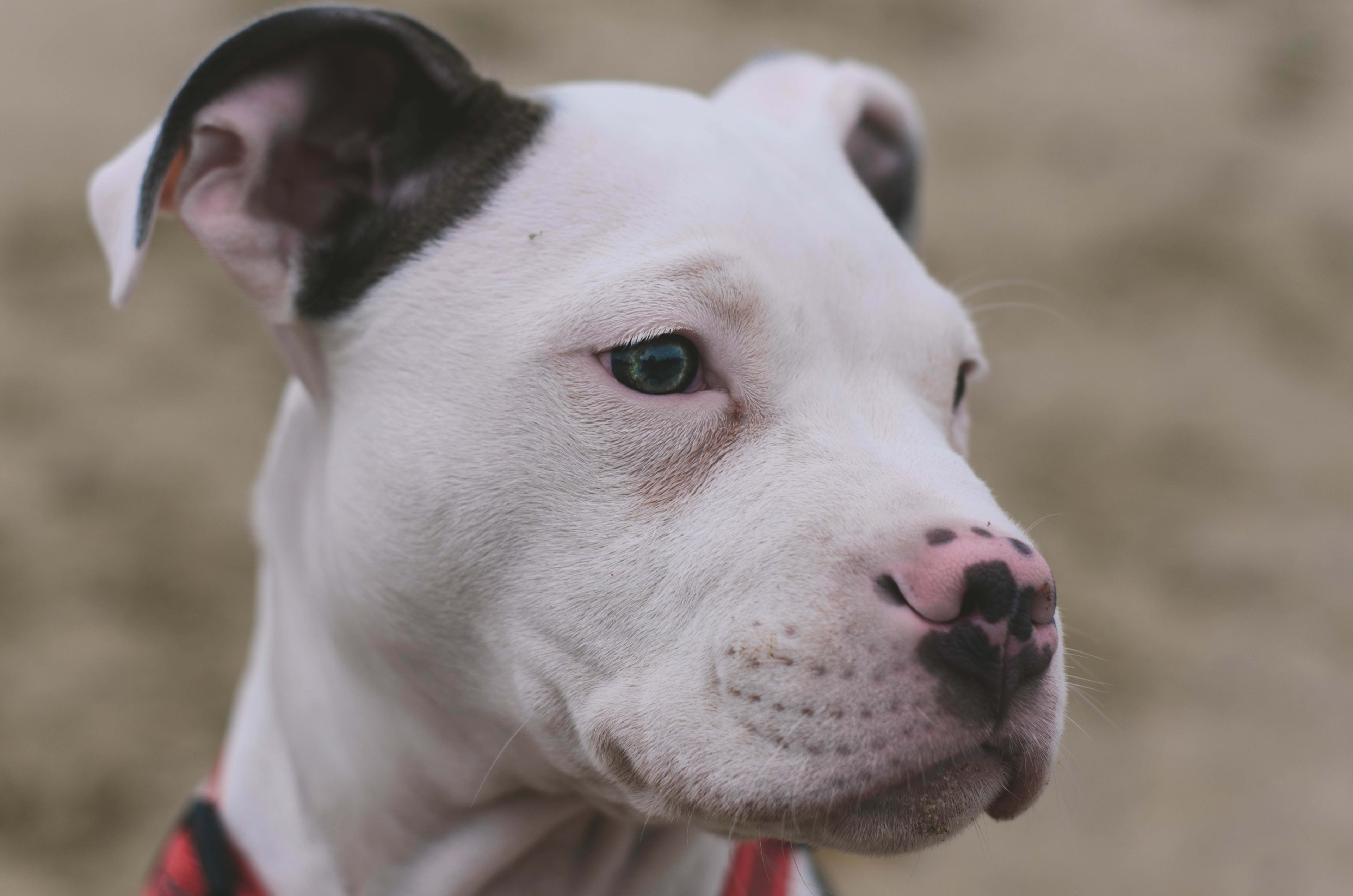
Credit: pethelpful.com
Exercise And Play
Exercise and play are very important for a Pitbull’s health and happiness. These dogs have a lot of energy. They need regular activity to stay fit and calm. Without enough exercise, Pitbulls can get bored and act out.
Playing also builds a strong bond between you and your dog. It helps with training and keeps their mind sharp. Fun and active time together makes your Pitbull feel loved and secure.
Daily Activity Needs
Pitbulls need at least one hour of exercise every day. This can be split into two or three sessions. Walking is great, but they also need running or jumping.
Try to include some training during exercise. It keeps their brain active. Avoid long walks on hot days. Their short noses can make breathing hard.
Best Toys And Games
Choose toys that are strong and safe. Pitbulls love chew toys and tug ropes. These help them use their powerful jaws safely.
Games like fetch and hide-and-seek are fun. They encourage running and thinking. Puzzle toys also challenge their mind. Change toys often to keep your dog interested.
Training Basics
Training a pitbull starts with clear, simple steps. It builds trust and good behavior. Consistency and patience are key to success. Training helps your dog learn rules and feel safe.
Start early. Short sessions work best. Keep training fun and positive. This creates a strong bond between you and your dog.
Positive Reinforcement Techniques
Reward good behavior with treats or praise. This teaches your pitbull what you want. Use small treats that your dog likes. Say “good” or “yes” right after the good action. Avoid punishment, which can cause fear or aggression. Repeat commands with a calm, firm voice. Positive reinforcement makes learning fast and easy.
Socializing Your Pitbull
Expose your pitbull to different people and animals early. This helps reduce fear and aggression. Let your dog meet friendly dogs and calm people. Use treats to make these meetings pleasant. Take your dog to parks and busy places. Socializing helps your pitbull stay happy and confident.

Credit: wildearth.com
Grooming Tips
Grooming is important for every pitbull’s health and happiness. It helps keep their coat clean and skin healthy. Regular grooming also strengthens the bond between you and your dog. Pitbulls have short hair, but they still need care to look their best.
Bathing And Brushing
Bath your pitbull every one to two months. Use a gentle dog shampoo to avoid skin dryness. Rinse well to remove all soap. Brushing once a week removes loose hair and dirt. Use a soft bristle brush or rubber grooming mitt. Brushing also helps spread natural oils for a shiny coat.
Nail And Ear Care
Trim your pitbull’s nails every few weeks. Long nails can cause discomfort and walking problems. Use dog nail clippers carefully to avoid cutting the quick. Check ears weekly for dirt and wax. Clean ears with a damp cloth or dog ear cleaner. Healthy ears prevent infections and keep your dog comfortable.
Health Care Essentials
Taking care of a Pitbull’s health is very important. Good health keeps your dog happy and active. It also helps your Pitbull live a long, strong life. Regular health care keeps diseases away. It also helps catch problems early before they get worse.
Regular Vet Visits
Visit the vet at least twice a year. These visits include vaccinations and health checks. The vet will check your Pitbull’s teeth, ears, and skin. They can spot signs of illness early. Regular visits also help keep your dog’s weight in control. This prevents many health problems. Follow your vet’s advice for diet and exercise. Keep all vaccination and flea control up to date.
Common Health Issues
Pitbulls can face some common health problems. Hip dysplasia affects their joints and movement. Skin allergies can cause itching and discomfort. Heart disease is also found in this breed. Watch for signs like coughing or tiredness. Regular exercise helps keep their heart strong. Dental problems are common, so clean their teeth often. Early care helps manage these issues well. Know what to watch for and act quickly.
Handling Behavioral Challenges
Handling behavioral challenges in a Pitbull requires patience and clear strategies. These dogs are strong and smart, so training must be consistent. Understanding their behavior helps you build a better bond.
Training is not just about commands. It also involves managing emotions and reactions. Addressing issues early prevents bigger problems later. Focus on calm, firm, and positive techniques.
Dealing With Aggression
Aggression in Pitbulls can come from fear or protectiveness. Observe your dog’s triggers closely. Avoid situations that cause stress or fear. Use calm tones and gentle corrections to guide behavior.
Socialization is key to reduce aggression. Introduce your dog to other animals and people slowly. Reward good behavior with treats and praise. Never use harsh punishment as it may worsen aggression.
Managing Separation Anxiety
Pitbulls can feel very anxious when left alone. Signs include barking, chewing, or pacing. Start by leaving your dog alone for short times. Gradually increase the time as your dog gets used to it.
Create a safe, comfortable space with toys and water. Use calm departure routines to reduce stress. Avoid making a big deal when leaving or returning home. Consistency helps your dog feel secure and calm.
Building A Strong Bond
Building a strong bond with your pitbull creates trust and happiness. This bond helps your dog feel safe and loved. It also makes training easier and daily life more enjoyable. Spending time and understanding your pitbull’s needs are key steps in forming this special connection.
Spending Quality Time
Spend time with your pitbull every day. Play games like fetch or tug-of-war. These activities help burn energy and keep your dog happy. Walks are great for exercise and fresh air. Quiet moments, like petting or sitting together, also build closeness. Your dog learns you care through these shared moments.
Understanding Your Pitbull’s Needs
Know your pitbull’s likes and dislikes. Some enjoy lots of exercise, others prefer calm time. Watch your dog’s body language for signs of stress or joy. Provide a safe and cozy space for rest. Nutritious food and regular vet visits keep your pitbull healthy. Meeting these needs shows your dog you are a good friend.
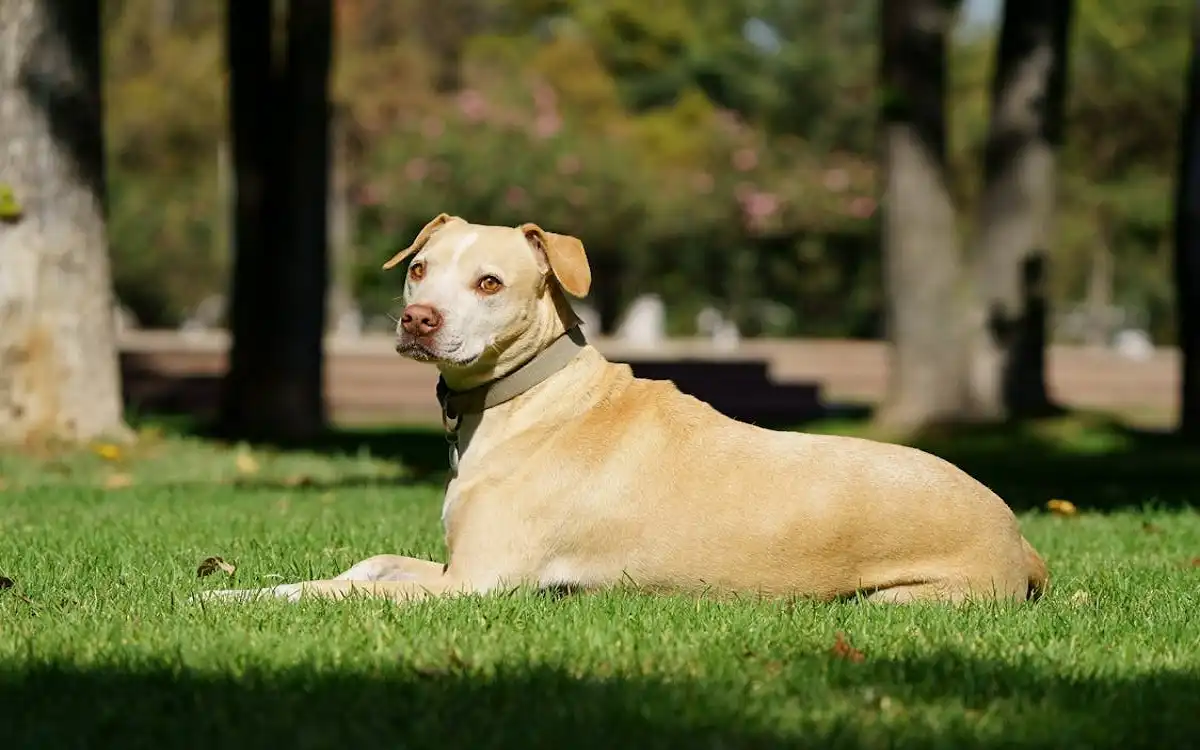
Credit: talentdogs.com
Frequently Asked Questions
How Often Should I Groom My Pitbull Dog?
Pitbulls need grooming every 1-2 weeks to keep their coat healthy. Regular brushing reduces shedding and prevents skin issues. Bathing should be done monthly or when dirty. Nail trimming and ear cleaning are essential parts of grooming too.
What Is The Best Diet For A Pitbull Dog?
A balanced diet with high-quality protein supports Pitbull muscle health. Include lean meats, vegetables, and grains. Avoid fillers and artificial additives. Consult your vet to tailor portions based on age, weight, and activity level for optimal nutrition.
How Much Exercise Does A Pitbull Need Daily?
Pitbulls require at least 1-2 hours of exercise daily. Activities like walking, running, and playtime help burn energy. Regular exercise prevents boredom and behavioral problems. Mental stimulation through training and games is also important.
How Can I Train My Pitbull Effectively?
Use positive reinforcement techniques like treats and praise. Consistency and patience are key to successful training. Start early with basic commands and socialization. Avoid harsh methods to build trust and a strong bond.
Conclusion
Caring for a Pitbull takes time and patience. Give your dog love and regular exercise. Feed them healthy food and keep fresh water nearby. Train with kindness and set clear rules. Visit the vet to keep your dog healthy. Watch for signs of stress or illness.
Socialize your Pitbull with other dogs and people. A happy Pitbull is a well-cared-for Pitbull. Your effort makes a big difference every day. Enjoy the strong bond you build together.

