

Are you wondering when your male dog is ready to start breeding? Knowing the right time is important for your dog’s health and successful mating.
If you breed too early, your dog might not be fully developed. Wait too long, and you could miss the best chance for healthy puppies. You’ll discover the key signs that show your male dog is ready to breed, what to watch out for, and how to prepare for this important stage.
Keep reading to make sure you’re doing the best for your furry friend and future pups.

Credit: www.geliebteshepherds.com
Male Dog Maturity Age
Male dogs reach breeding maturity at different ages. The exact time depends on breed and size. Smaller breeds mature faster than larger ones. Understanding male dog maturity helps owners manage their pets better. It also guides responsible breeding decisions.
Physical Development Timeline
Male dogs usually start physical changes around six to twelve months. Testicles descend fully by this age, signaling readiness. Muscle growth and body structure improve steadily. Coat texture and color may also change during this time. Larger breeds might take up to 18 months to mature physically.
Behavioral Changes Signaling Readiness
Behavior shifts as male dogs mature. They become more interested in female dogs. Marking territory with urine increases. Restlessness and roaming behaviors may appear. Some males start to show dominance or protective instincts. These signs indicate they are ready to breed.

Credit: ourpetshealth.com
Breeding Age By Dog Breed
Breeding age in male dogs varies widely by breed. Understanding these differences helps in planning responsible breeding. Each breed has its own growth rate and maturity timeline. Knowing when a dog is ready supports their health and wellbeing.
Small Vs Large Breeds
Small breed dogs mature faster than large breeds. They often reach breeding age around 6 to 9 months. Large breeds take longer, usually 12 to 18 months. Their bodies need more time to fully develop. Breeding too early can cause health problems. Patience is key for large breed males.
Breed-specific Maturity Variations
Some breeds mature earlier or later than average. For example, Chihuahuas mature quickly, while Great Danes take more time. Working breeds like Border Collies may mature at a moderate pace. Each breed’s genetics influence growth speed. Consult breed-specific guides or vets for precise timing. This ensures safe and ethical breeding practices.
Signs Of Fertility In Male Dogs
Knowing the signs of fertility in male dogs helps owners understand when their pets are ready to breed. Fertility shows that the dog’s body can produce healthy offspring. It also indicates the dog has reached sexual maturity.
Signs of fertility include physical changes and behaviors linked to hormones and reproductive health. These signs help identify the right time for breeding. Let’s explore two key areas: hormonal changes and sperm quality and quantity.
Hormonal Changes
Hormones control many changes in male dogs during puberty. Testosterone levels rise, causing physical and behavioral shifts. The dog may show more interest in female dogs. His muscles become stronger, and his body shape changes.
Increased testosterone also leads to the growth of the testicles. This growth signals that the dog is becoming fertile. It is common to see a more confident and active dog during this time. These changes mark the start of breeding readiness.
Sperm Quality And Quantity
Fertile male dogs produce healthy sperm in good amounts. Quality sperm have the ability to fertilize female eggs successfully. Quantity matters because more sperm increase the chance of pregnancy.
Testicles produce sperm continuously once fertility begins. Early sperm may be less active or fewer in number. Over time, sperm quality improves as the dog matures. Healthy diet and good care help maintain sperm health. This ensures better chances for successful breeding.
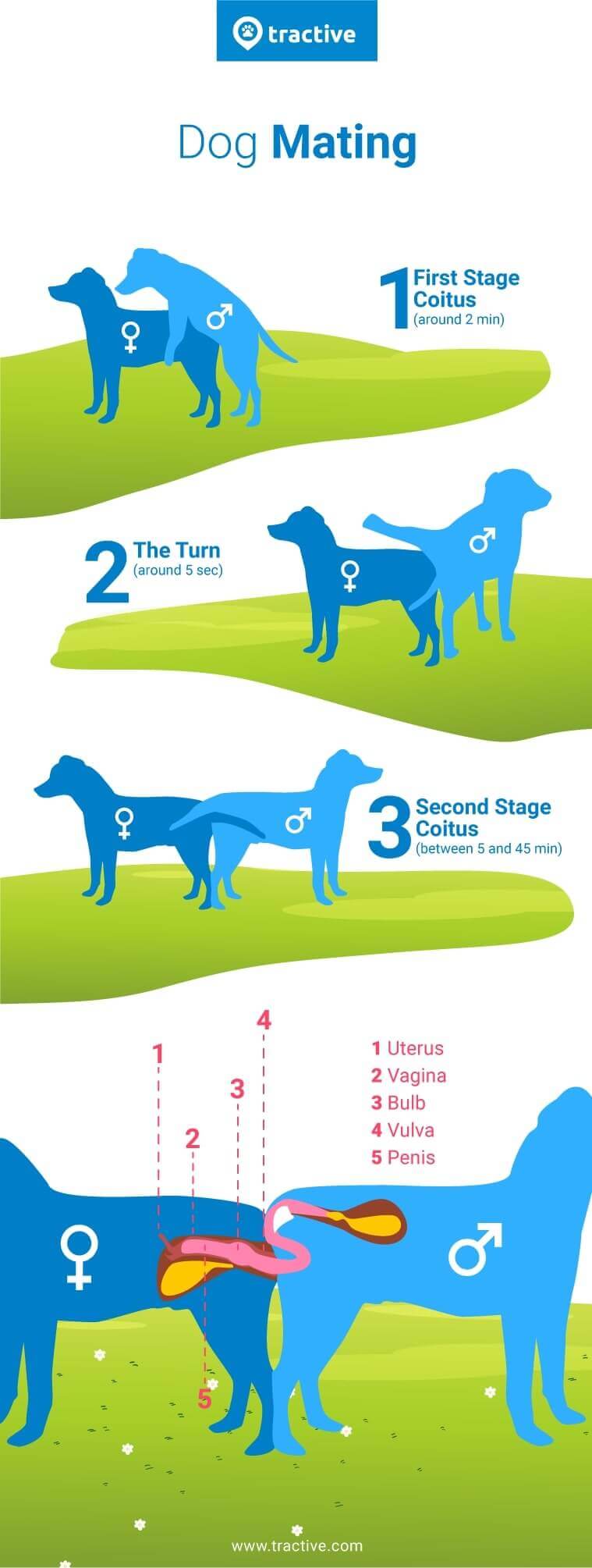
Credit: tractive.com
Health Checks Before Breeding
Health checks before breeding male dogs are essential. These checks protect the dog’s health and ensure healthy puppies. Breeding without proper health screening can cause problems for both the father and the litter. Responsible breeders always perform thorough health evaluations before starting.
Veterinary Screening
A vet exam is the first step before breeding. The vet checks the dog’s overall health. This includes heart, lungs, and reproductive organs. The vet looks for infections or diseases. Vaccinations must be up to date. The dog’s weight and physical condition are also checked. This step helps avoid passing illnesses to puppies.
Genetic Testing Importance
Genetic tests identify inherited diseases. Many dog breeds have specific genetic risks. Testing helps find these risks early. This prevents passing bad genes to puppies. Genetic screening supports breeding healthy dogs. It also improves the breed’s long-term health. Breeders use test results to choose safe mates.
Breeding Tips For First-time Owners
Breeding dogs for the first time can be exciting and challenging. First-time owners need clear guidance to ensure a smooth experience. This section offers practical tips to help you start breeding your male dog safely and responsibly.
Creating A Comfortable Environment
Choose a quiet, clean place for your dog to mate. Avoid loud noises or distractions. Make sure the area has good lighting and enough space. Keep the spot warm but not too hot. Comfort helps your dog relax and perform well.
Provide fresh water nearby. Keep other pets away to reduce stress. A calm environment improves success during mating.
Timing And Frequency Of Mating
Male dogs usually start breeding at about 12 months old. Wait until your dog is fully mature for best results. Watch for signs like interest in females and strong energy.
Limit mating to a few times during your female’s heat cycle. Usually, two to three times spaced out by a day works well. Avoid overbreeding to keep your dog healthy and strong.
Common Breeding Challenges
Breeding male dogs can be challenging. Not all dogs are ready or able to breed easily. Some common problems can affect the breeding process. These challenges can cause delays or failures in mating. Understanding these issues helps in managing them better.
Behavioral Issues
Some male dogs show fear or aggression. These feelings stop them from mating well. Nervousness can lower their interest in females. Lack of social skills also causes problems. Training and patience are important to fix these issues.
Fertility Problems
Fertility varies among male dogs. Some have low sperm count or poor sperm quality. Health problems can reduce fertility. Age also plays a big role. Regular check-ups with a vet help spot these problems early.
Aftercare For Male Dogs Post-breeding
After male dogs breed, proper care is important for their health. Caring for them helps them recover well and stay healthy. This care also supports their behavior and energy levels. Understanding how to care for male dogs after breeding ensures they remain strong and happy.
Physical Recovery
Male dogs need rest after breeding. Avoid heavy exercise for a few days. Their muscles and body need time to heal. Give them a quiet space to relax. Check for any signs of injury or swelling. A healthy diet helps speed up recovery. Fresh water should always be available.
Monitoring Health And Behavior
Watch your dog’s behavior closely after breeding. Changes in mood or appetite can signal problems. Look for signs of pain or discomfort. Keep an eye on their energy levels. If your dog seems tired or restless, note it. Regular checkups with a vet ensure good health. Early detection of issues leads to faster care.
Frequently Asked Questions
When Do Male Dogs Reach Sexual Maturity?
Male dogs typically reach sexual maturity between 6 to 12 months. This varies by breed and size. Larger breeds may mature later. Early maturity does not always mean readiness for breeding. Responsible breeding considers health and temperament beyond just age.
At What Age Can Male Dogs Start Breeding?
Male dogs can start breeding around 1 year old. However, breeders often wait until dogs are physically and mentally mature, usually 18 to 24 months. This ensures better health and genetic quality. Early breeding can lead to health issues and poor offspring.
How Does Breed Affect Breeding Age In Male Dogs?
Breed size impacts breeding age; small breeds mature faster than large breeds. Small breeds may be ready by 6-9 months, while large breeds take 12-24 months. Breed-specific maturity helps determine the best breeding time for healthier puppies and stronger genetics.
Can Male Dogs Breed Before Full Physical Maturity?
Yes, male dogs can breed before full maturity, but it’s not recommended. Early breeding risks health problems and poor-quality puppies. Waiting for full maturity ensures better reproductive health and stronger offspring. Responsible breeders prioritize age, health, and genetic factors before breeding.
Conclusion
Male dogs usually start breeding around six to twelve months old. This varies by breed and size. Smaller dogs often mature faster than larger breeds. Watch for signs like interest in female dogs or changes in behavior. Responsible owners should ensure their dogs are healthy before breeding.
Early breeding can cause health issues. Patience is key for a strong, healthy dog. Knowing the right time helps prevent problems. Always consult a vet for advice on breeding age. Care and timing matter most for happy, healthy puppies.


