

Have you ever wondered which dog breeds are the rarest in the world? Imagine owning a dog that few people have ever seen.
These unique companions can make your connection with a pet truly special. You’ll discover some of the most uncommon dog breeds, what makes them so rare, and why they might be the perfect match for you. Keep reading to find out which rare dogs could bring something extraordinary into your life.
Rare Dog Breeds Around The World
Rare dog breeds hold a special place in the hearts of dog lovers. These breeds are unique and often hard to find. Each has its own story and traits that make it stand out.
Many rare breeds come from specific countries or regions. Their numbers are low due to history, environment, or breeding challenges. Discovering these dogs offers a glimpse into diverse cultures and traditions.
Azawakh: The Graceful Hunter From West Africa
The Azawakh is a slender, fast dog. It comes from the Sahel region of Africa. Known for its speed and endurance, it was bred to hunt and guard. This breed has a calm nature with family but is alert outside.
Catalburun: The Double-nosed Turkish Dog
The Catalburun is famous for its unique split nose. This rare Turkish breed is excellent at hunting birds. Its keen scent helps track prey in tough terrain. It is loyal and gentle with people it trusts.
Norwegian Lundehund: The Puffin Hunter
Norwegian Lundehunds have six toes on each foot. This trait helps them climb rocky cliffs with ease. They were used to hunt puffins in Norway. Their agility and extra toes make them truly special.
Thai Ridgeback: The Proud And Strong Guardian
The Thai Ridgeback has a ridge of hair running down its back. This breed is muscular and fast. It comes from Thailand and was used as a guard dog. It is loyal, independent, and cautious with strangers.
Mudi: Hungary’s Versatile Herding Dog
The Mudi is a small herding dog from Hungary. It has a curly coat and sharp intelligence. Mudis are quick learners and work well with livestock. They are rare outside their home country but loved by those who know them.
Credit: m.youtube.com
Unique Traits Of Rare Breeds
Rare dog breeds stand out with special traits not seen in common dogs. These unique features make them fascinating and different. Their looks, behavior, and health needs often surprise dog lovers. Understanding these traits helps appreciate their value and care.
Physical Characteristics
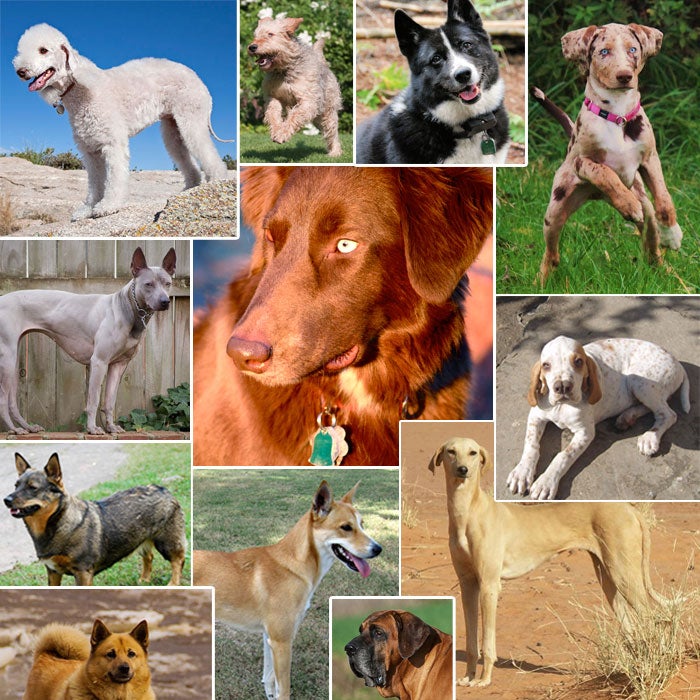
Rare breeds often have unusual looks. Some have unique coat colors and patterns. Others show strange body shapes or sizes. For example, the Bedlington Terrier has a lamb-like coat. The Azawakh is tall and slim with long legs. Their eyes, ears, and tails may also differ from usual dogs.
Temperament And Behavior
These breeds have special personalities. Some are very loyal and protective. Others may be shy or reserved with strangers. Many rare breeds need lots of mental and physical activity. Their behavior may reflect their original job, like hunting or guarding. Understanding their mood helps build a strong bond.
Health Considerations
Rare breeds may face unique health challenges. Some have genetic issues due to small breeding pools. Others need specific diets or exercise routines. Regular vet visits are important for early problem detection. Knowing these health needs keeps them happy and strong.
Top Rare Dog Breeds To Know
Rare dog breeds capture the hearts of many dog lovers. These breeds stand out because of their unique looks and histories. Knowing about these dogs helps appreciate the rich variety of dogs worldwide.
Each rare breed has traits that make it special. Some are fast and lean, while others have thick fur or unusual colors. These dogs are not easy to find, which makes them more intriguing for many people.
Azawakh
The Azawakh is a slim and fast dog from West Africa. It is known for its elegant body and long legs. This breed is a great hunter and protector. Azawakhs are quiet but very loyal to their family.
Mudi
The Mudi is a small herding dog from Hungary. It has curly fur and sharp ears. Mudis are smart and active, making them good working dogs. They enjoy playing and need daily exercise.
Lagotto Romagnolo
This breed comes from Italy and is famous for finding truffles. The Lagotto Romagnolo has dense, curly fur that does not shed much. It is friendly and loves to be around people. This dog is also very smart and easy to train.
Thai Ridgeback
The Thai Ridgeback has a unique ridge of hair running along its back. It comes from Thailand and is strong and agile. These dogs are independent but loyal. They are good watchdogs and need firm training.
Otterhound
The Otterhound is a large dog with a rough coat. It was bred to hunt otters in England. This breed has a great nose and is very friendly. Otterhounds need space to run and enjoy water activities.
Credit: www.outsideonline.com
Challenges Of Owning Rare Dogs
Owning a rare dog breed can bring unique joy and pride. These dogs often have special traits and appearances. Yet, rare breeds come with specific challenges. They need more care and attention than common breeds. Owners must be ready for these extra demands.
Finding Reputable Breeders
Rare dog breeds are not easy to find. Many breeders may not follow ethical practices. It takes time to find a trustworthy breeder. Good breeders focus on the dog’s health and temperament. Avoid breeders who rush sales or have many litters. Ask for health records and meet the puppy’s parents if possible.
Training And Socialization Needs
Rare dogs often have unique behavior traits. Training must start early and be consistent. Some breeds need firm but gentle guidance. Socialization is very important to avoid fear or aggression. Introduce your dog to different people and places. This helps them grow confident and well-mannered.
Access To Veterinary Care
Veterinary care for rare breeds may be harder to find. Some vets may not know the specific health issues. You may need to travel to specialists. Regular check-ups are key to catch problems early. Keep a close eye on your dog’s health and habits. Proper care ensures a long, happy life.
Conservation Efforts For Rare Breeds
Conservation efforts for rare dog breeds play a vital role in protecting their future. These breeds face threats like low population numbers and loss of unique traits. Saving them requires focused actions and community support. Various programs and groups work hard to keep these breeds alive and healthy.
Breed Preservation Programs
Breed preservation programs focus on increasing the number of rare dogs. They carefully select breeding pairs to avoid health problems. These programs track each dog’s lineage to maintain breed purity. Some offer financial help to owners who raise rare breeds. Their goal is to stop the breed from disappearing.
Role Of Dog Clubs And Associations
Dog clubs and associations bring together breed lovers and experts. They organize events like dog shows to raise awareness. These groups share knowledge about care and breeding. They also set standards to keep breed traits consistent. Their work helps build strong communities around rare breeds.
Importance Of Genetic Diversity
Genetic diversity keeps rare breeds healthy and strong. Breeding dogs with different genes lowers disease risks. It also helps dogs adapt to changes in environment. Without diversity, breeds can suffer from inherited health issues. Conservation efforts promote mixing genes carefully to protect the breed’s future.
Credit: www.outsideonline.com
Frequently Asked Questions
What Defines A Dog Breed As Rare?
A rare dog breed is defined by its low population and limited geographic presence. These breeds are often less known and have fewer breeders worldwide. Their rarity can be due to historical, genetic, or cultural factors, making them unique and highly sought after by dog enthusiasts.
Which Are The Top Rarest Dog Breeds Globally?
Top rarest dog breeds include the Norwegian Lundehund, Azawakh, Otterhound, and Mudi. These breeds have small populations and distinct traits. They are rarely seen outside their native regions and are prized for their unique appearances and temperaments.
Why Do Some Dog Breeds Become Rare?
Dog breeds become rare due to factors like habitat loss, reduced breeding programs, and low demand. Additionally, changes in lifestyle and urbanization can reduce their popularity. Preservation efforts are essential to maintain these breeds’ genetic diversity and heritage.
How Can I Find A Rare Dog Breed Responsibly?
To find a rare dog breed responsibly, seek reputable breeders or breed-specific rescue groups. Research the breed’s needs and health concerns. Avoid puppy mills and ensure ethical breeding practices to support the breed’s survival and well-being.
Conclusion
Rare dog breeds hold a special place in the world of pets. They show us how diverse and unique dogs can be. Each rare breed has its own charm and history. Choosing one means caring for something truly special. These dogs need love, attention, and proper care.
They can bring joy and wonder to any home. Exploring rare breeds opens doors to new friendships. A rare dog can become your loyal and loving friend. Think about what makes each breed unique. That’s the beauty of rare dogs.


