Are you dreaming of having a tiny furry friend by your side? Small dog breeds can fit perfectly into your life, whether you live in a cozy apartment or love carrying your pet wherever you go.
But with so many small dogs out there, which ones are truly the tiniest? Knowing the smallest dog breeds helps you find a companion that matches your lifestyle and space. Keep reading to discover these pint-sized pups and find out which one could be your perfect match!
Credit: worldanimalfoundation.org
Tiny Dog Breeds
Tiny dog breeds bring big joy in small packages. These little dogs fit well in apartments or homes with limited space. Their size makes them easy to carry and great for companionship. Despite their small stature, they have lively and strong personalities. Many tiny breeds also have long lifespans, making them loyal friends for many years.
Each tiny breed has unique traits that charm dog lovers worldwide. Their playful nature and adorable looks make them popular pets. Understanding their characteristics helps in choosing the perfect tiny dog for your lifestyle.
Chihuahua Charm
Chihuahuas are the smallest dog breed, weighing just 2 to 6 pounds. They have big eyes and ears that add to their cuteness. This breed is brave and confident despite its size. Chihuahuas form strong bonds with their owners. They need gentle care and socialization from an early age.
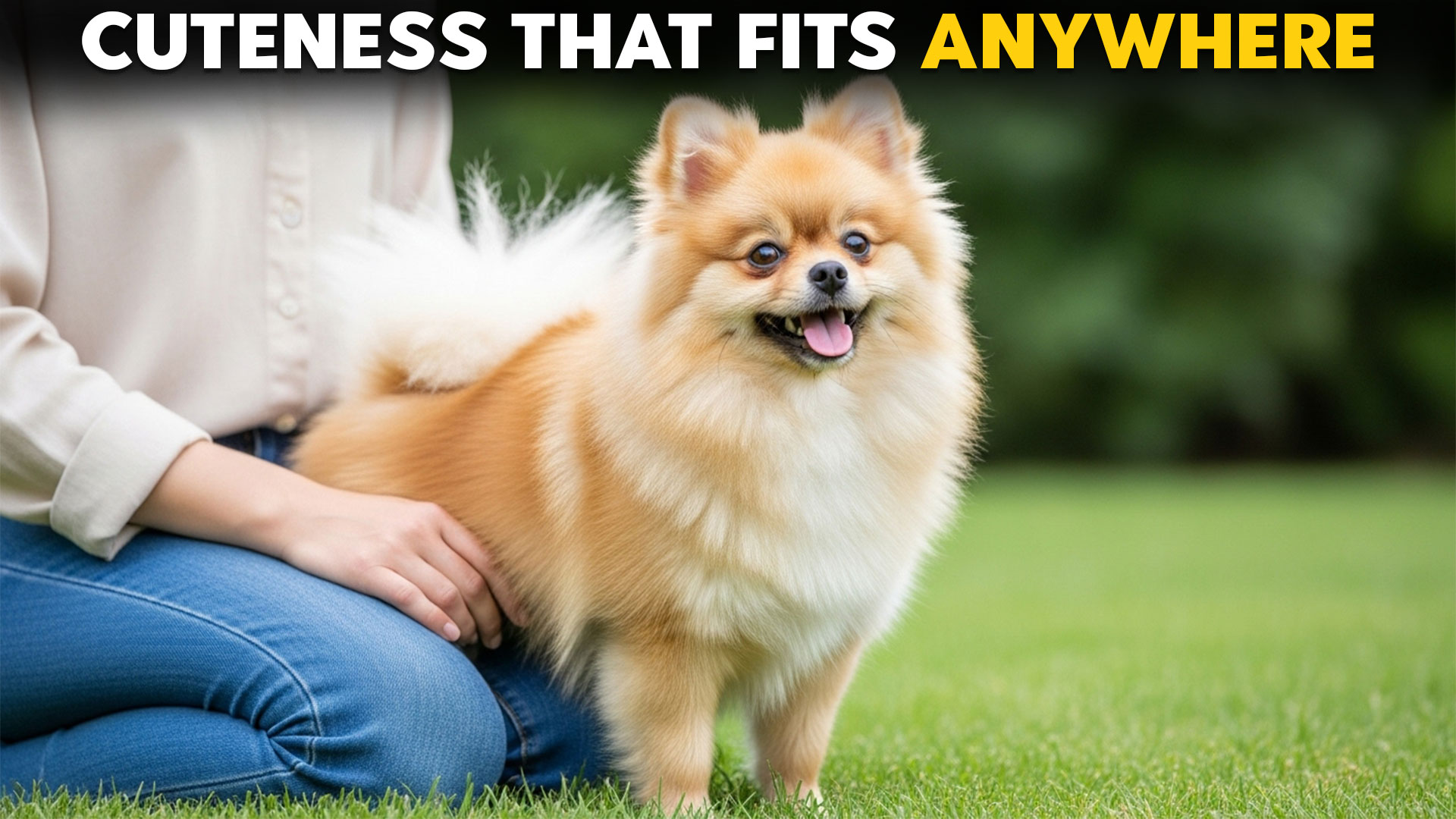
Pomeranian Pizzazz
Pomeranians are fluffy dogs with thick coats and fox-like faces. They weigh between 3 to 7 pounds and love attention. These dogs are playful and alert, making good watchdogs. Pomeranians enjoy learning tricks and are very intelligent. Their lively spirit keeps them active and happy.
Yorkshire Terrier Traits
Yorkshire Terriers, or Yorkies, weigh around 4 to 7 pounds. They have silky hair that looks like fine steel blue and tan threads. Yorkies are brave and energetic, often acting bigger than they are. They make great companions and enjoy being part of family activities. Regular grooming keeps their coat shiny and healthy.
Papillon Personality
Papillons are small dogs with large, butterfly-shaped ears. They weigh 5 to 10 pounds and are known for their friendly nature. Papillons are smart and easy to train. They love to play and stay active. This breed adapts well to different living spaces and families.
Physical Traits Of Small Dogs
Small dog breeds have unique physical traits that make them special and easy to recognize. Their size and appearance differ from larger dogs. These features affect their care and personality. Understanding these traits helps you choose the right small dog for your life.
Size And Weight Range
Small dogs usually weigh between 2 and 15 pounds. Their height can be as little as 6 inches. Some tiny breeds, like the Chihuahua, are very light and compact. Others, such as the French Bulldog, are slightly bigger but still small compared to other dogs. Their small size makes them perfect for apartments and small homes.
Coat Types And Colors
Small dogs come with many types of coats. Some have short, smooth fur that is easy to care for. Others have long, fluffy hair that needs regular brushing. Coat colors vary widely. Common colors include black, white, brown, and tan. Some dogs have spots or mixed colors. Their coats can be straight, wavy, or curly.
Lifespan Expectations
Small dogs often live longer than large breeds. Many small dogs live 12 to 16 years or more. Good care and regular vet visits help them stay healthy. Their long lifespan makes them great companions for many years. Small dogs usually stay active and playful well into old age.
Big Personalities In Small Packages
Small dog breeds prove size does not limit charm or spirit. These tiny companions bring lively energy and strong character into any home. Their personalities fill the space with joy and affection. Don’t let their size fool you; they have much to offer in love and loyalty.
Temperament And Behavior
Small dogs often have bold and confident attitudes. They can be protective of their family and alert to new surroundings. Many enjoy being the center of attention and love to interact with people. Some show a playful side while others stay calm and gentle. Training helps shape good manners and reduces any unwanted behaviors.
Energy Levels
Many small breeds have high energy despite their size. They enjoy playtime, short walks, and mental challenges. Others prefer relaxing and cuddling on the couch. Knowing your dog’s energy helps keep them happy and healthy. Regular exercise prevents boredom and promotes good behavior.
Social Needs
Small dogs often seek strong bonds with their owners. They enjoy socializing with family and friends. Some may be shy or wary around strangers or other pets. Proper socialization early on builds confidence and friendliness. These dogs thrive on attention and companionship.

Credit: www.countryliving.com
Care Tips For Tiny Dogs
Taking care of tiny dogs requires special attention. Their small size makes their needs different from bigger dogs. Proper care helps them stay healthy and happy. Understanding their unique requirements is key to good care.
Feeding And Nutrition
Tiny dogs need food made for small breeds. Their small mouths and teeth suit smaller kibble. They have fast metabolisms and burn energy quickly. Feed them small meals several times a day. Avoid overfeeding to prevent obesity. Fresh water should always be available.
Exercise Requirements
Small dogs need regular exercise to stay fit. Short walks and gentle play are perfect. Avoid intense or long exercise that tires them out. Indoor play can also keep them active. Exercise helps maintain a healthy weight and good mood.
Health Concerns
Tiny dogs can face health issues like fragile bones and dental problems. Watch for signs of discomfort or pain. Regular vet check-ups are essential. Keep their teeth clean to prevent disease. Protect them from cold weather as they get cold easily.
Choosing The Right Small Dog
Choosing the right small dog requires thought and care. Small breeds vary a lot in personality, energy, and needs. Picking a breed that fits your life helps build a happy home. Consider your daily routine and what you want in a pet. This makes the experience better for both you and the dog.
Matching Lifestyle And Breed
Each small dog breed has its own energy level. Some are calm and love to cuddle. Others need more play and exercise. Think about your activity level. Choose a dog that matches how active you are. Busy people may want a low-energy dog. Active owners might enjoy a lively, playful pup.
Space Considerations
Small dogs need space too. Some breeds adapt well to apartments. Others need room to run and explore. Consider your living space size. A tiny dog can live happily in a small home. Larger small breeds may need more space to move. Make sure your home fits the dog’s needs.
Training Challenges
Training small dogs can be easy or tough. Some breeds learn commands quickly. Others may be stubborn or shy. Consistent, patient training is important. Small dogs need clear rules and gentle guidance. Know the breed’s traits before deciding. This helps avoid frustration for you and the dog.
Credit: worldanimalfoundation.org
Frequently Asked Questions
What Are The Tiniest Dog Breeds For Apartment Living?
The tiniest dog breeds perfect for apartments include Chihuahuas, Pomeranians, and Yorkshire Terriers. These dogs adapt well to small spaces and require moderate exercise, making them ideal for urban living.
Which Small Dog Breeds Are Best For First-time Owners?
Small breeds like Cavalier King Charles Spaniels, French Bulldogs, and Shih Tzus are great for beginners. They are friendly, low-maintenance, and easy to train, providing a rewarding experience for first-time dog owners.
How Much Do The Smallest Dog Breeds Typically Weigh?
The smallest dog breeds usually weigh between 2 to 7 pounds. For example, Chihuahuas weigh around 4-6 pounds, while Toy Poodles range from 4-6 pounds, making them lightweight and portable.
Are Small Dog Breeds Prone To Health Issues?
Some small breeds can face health issues like dental problems and patellar luxation. Regular vet check-ups and proper care help maintain their health and longevity.
Conclusion
Small dog breeds bring joy with their tiny size and big hearts. They fit well in small homes and busy lives. Choosing a small dog means easy care and lots of love. Each breed has its own personality and needs.
Think about what suits your lifestyle best. Small dogs make great friends and loyal companions. Their charm and energy brighten any day. Consider these little dogs if you want a pet that’s cute and lively. Small does not mean less love or fun.