

If you want your dog to stay happy and healthy, understanding their nutritional needs is key. Just like you, your dog requires the right balance of nutrients to thrive every day.
But what exactly should you be feeding your furry friend? Knowing the essentials can help you make smarter choices that boost their energy, support their immune system, and keep their coat shiny. Keep reading to discover the simple yet vital nutritional requirements your dog needs for a long, vibrant life.
Macronutrients For Dogs
Macronutrients are the main nutrients dogs need every day. These include proteins, fats, and carbohydrates. Each nutrient plays a special role in keeping dogs healthy and active. A balanced diet with the right amount of macronutrients supports growth, energy, and body repair.
Proteins And Their Role
Proteins help build strong muscles and repair tissues. Dogs need proteins for healthy skin and a shiny coat. Meat, fish, and eggs are good protein sources. Protein also supports the immune system, helping dogs fight sickness.
Importance Of Fats
Fats provide energy and keep the coat soft. They help absorb important vitamins like A, D, E, and K. Omega-3 and Omega-6 fats reduce inflammation and support brain health. Healthy fats also protect organs and keep the skin healthy.
Carbohydrates And Energy
Carbohydrates give dogs quick energy for play and exercise. Sources include rice, potatoes, and grains. Fiber in carbohydrates helps digestion and keeps the stomach healthy. A good amount of carbs keeps dogs active and full of energy.
Essential Vitamins And Minerals
Vitamins and minerals are vital for a dog’s health. They help the body work properly and keep dogs active. These nutrients support bones, skin, eyes, and the immune system. Without the right vitamins and minerals, dogs can face health problems.
Key Vitamins For Health
Vitamin A helps with vision and skin health. Vitamin D supports strong bones by managing calcium. Vitamin E acts as an antioxidant, protecting cells. B vitamins boost energy and nerve function. Vitamin K plays a role in blood clotting. These vitamins are essential for daily dog nutrition.
Crucial Minerals For Dogs
Calcium and phosphorus build and maintain bones and teeth. Iron carries oxygen in the blood. Zinc supports the immune system and skin healing. Magnesium helps muscles and nerves work well. Potassium controls fluid balance and muscle function. These minerals keep dogs healthy and energetic.
Water And Hydration Needs
Water is the most essential nutrient for dogs. It supports every function in their body. Proper hydration helps maintain healthy organs and body temperature.
Dogs lose water through breathing, sweating, and waste. They need fresh water daily to replace these losses. Without enough water, dogs risk dehydration and health problems.
How Much Water Does A Dog Need?
Most dogs need about one ounce of water per pound of body weight each day. For example, a 20-pound dog needs around 20 ounces of water. Active dogs or those in hot weather may need more water.
Signs Of Dehydration In Dogs
Watch for dry gums, sunken eyes, and lethargy. Dogs may also pant heavily or refuse to eat. These signs mean your dog needs water immediately.
Tips For Keeping Your Dog Hydrated
Always provide clean, fresh water. Change the water at least once a day. Place water bowls in cool, shaded areas. Encourage drinking after exercise or playtime.

Credit: thekindpet.com
Nutritional Needs By Life Stage
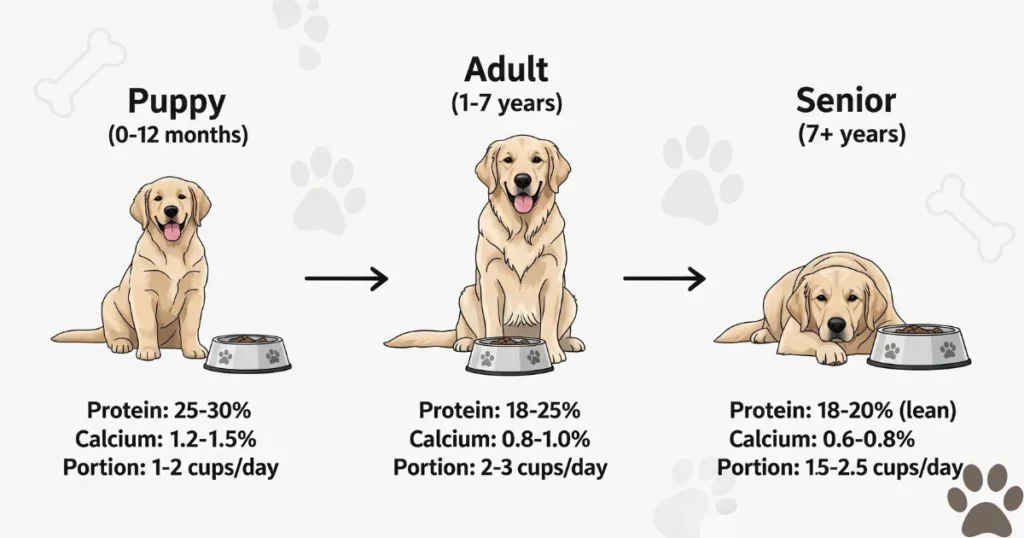
Dogs have different nutritional needs at each stage of life. Their diets must change to support growth, activity, and health. Feeding the right nutrients helps dogs stay strong and live longer. Understanding these needs can improve your dog’s quality of life.
Puppies And Growth
Puppies need more calories and nutrients than adult dogs. Their bodies grow fast and need protein for muscles. Calcium and phosphorus help build strong bones. Healthy fats support brain and eye development. Feeding puppy food ensures they get all needed vitamins and minerals.
Adult Maintenance
Adult dogs need balanced nutrition to keep their weight and energy. Protein helps maintain muscles. Carbohydrates provide energy for daily activities. Fats keep skin and coat healthy. Avoid overfeeding to prevent obesity. Choose food made for adult dogs to meet their needs.
Senior Dog Nutrition
Older dogs need fewer calories but more fiber for digestion. Joint support nutrients like glucosamine help mobility. Protein stays important to keep muscle mass. Antioxidants support the immune system. Special senior formulas can help manage health issues common with age.
Special Dietary Considerations
Special dietary needs vary for each dog. These needs depend on health, age, breed, and lifestyle. Understanding these helps keep your dog healthy and happy. Tailoring food to these needs supports their energy, growth, and well-being.
Allergies And Sensitivities
Some dogs react to certain foods. Common allergens include wheat, soy, and chicken. Symptoms show as itching, redness, or digestive upset. A vet can help find the exact allergen. Feeding hypoallergenic or limited ingredient diets often helps. Always watch your dog’s reaction to new foods.
Weight Management
Maintaining a healthy weight is vital. Overweight dogs face risks like heart disease and joint pain. Feeding controlled portions and low-calorie food supports weight loss. Regular exercise also helps keep weight in check. Consult your vet for a proper weight plan. Balance treats and meals carefully to avoid excess calories.
Breed-specific Needs
Different breeds need different nutrients. Large breeds require joint support nutrients like glucosamine. Small breeds need calorie-dense food for their fast metabolism. Some breeds have unique health risks needing special diets. Research your dog’s breed for tailored nutrition. Breed-specific food formulas can meet these unique needs well.
Credit: goldenretrieverinsight.com
Choosing The Right Dog Food
Choosing the right food for your dog is important for its health and happiness. Dogs need a balanced diet to get the energy and nutrients they need every day. Picking the best food can be confusing. Many options exist, and each has its benefits and drawbacks. Understanding these choices helps you make the best decision for your pet.
Commercial Vs. Homemade Diets
Commercial dog foods are made to meet nutritional standards. They come as dry kibble, canned, or semi-moist options. These foods are convenient and often cost-effective. They provide balanced nutrition with vitamins, minerals, and proteins.
Homemade diets allow control over ingredients. You can choose fresh meats, vegetables, and grains. This diet requires careful planning to avoid missing nutrients. Consulting a vet or pet nutritionist is best for homemade meals. Homemade food suits dogs with allergies or special needs.
Reading Dog Food Labels
Dog food labels show what is inside the package. Look for the main protein source listed first. Check the guaranteed analysis for protein, fat, and fiber levels. Avoid foods with too many fillers like corn or wheat. Ingredients should be easy to understand and natural.
Labels also list vitamins and minerals added. Ensure the food meets AAFCO standards for complete nutrition. Date labels tell you about freshness. Fresh food helps keep your dog healthy and happy.
Supplements And Additives
Supplements and additives can support a dog’s health beyond regular food. They help fill nutrient gaps and improve specific body functions. Not all dogs need supplements, but some benefit greatly from them. Understanding when and which supplements to use is important for your dog’s well-being.
When To Use Supplements
Supplements are useful if a dog has nutrient deficiencies. Older dogs may need joint support supplements. Dogs with health problems might require special additives. Growing puppies sometimes need extra vitamins for development. Always check with a vet before adding supplements. Overuse can cause harm instead of help.
Common Supplements For Dogs
Glucosamine and chondroitin support joint health and mobility. Omega-3 fatty acids improve skin and coat quality. Probiotics help maintain a healthy digestive system. Vitamins like A, D, and E aid overall growth and immunity. Calcium supports strong bones and teeth. These supplements often come in chewable or powder form.
Credit: www.slideshare.net
Frequently Asked Questions
What Are The Essential Nutrients Dogs Need Daily?
Dogs require proteins, fats, carbohydrates, vitamins, and minerals daily. Proteins support muscle growth, fats provide energy, carbs aid digestion, vitamins boost immunity, and minerals strengthen bones and teeth.
How Much Protein Should A Dog Consume?
Dogs need about 18-25% protein in their diet. Growing puppies and active dogs may require more. High-quality animal proteins ensure proper muscle development and overall health.
Why Are Fats Important For Dogs?
Fats supply energy and support brain function. They also help absorb fat-soluble vitamins. Omega-3 and Omega-6 fatty acids keep skin healthy and coat shiny.
Can Dogs Digest Carbohydrates Effectively?
Yes, dogs can digest carbohydrates for energy. Whole grains and vegetables are good sources. However, carbs should be balanced and not exceed 50% of their diet.
Conclusion
Dogs need balanced food to stay healthy and happy. Protein helps build strong muscles. Fats give energy and keep skin soft. Carbohydrates provide fuel for daily activities. Vitamins and minerals support the immune system. Fresh water is essential for all dogs.
Always choose food that fits your dog’s age and size. Proper nutrition leads to a longer, better life. Small changes can make a big difference in health. Caring for your dog’s diet shows you love them. Keep learning about what your dog needs most.


