Have you ever wondered if cucumbers are a safe and healthy snack for your dog? You want to give your furry friend treats that are not only tasty but also good for their health.
Cucumbers are crunchy, refreshing, and low in calories—but are they actually beneficial for dogs? Keep reading to discover the surprising truth about cucumbers and how they might support your dog’s well-being. You’ll learn everything you need to know before offering this veggie to your pet.
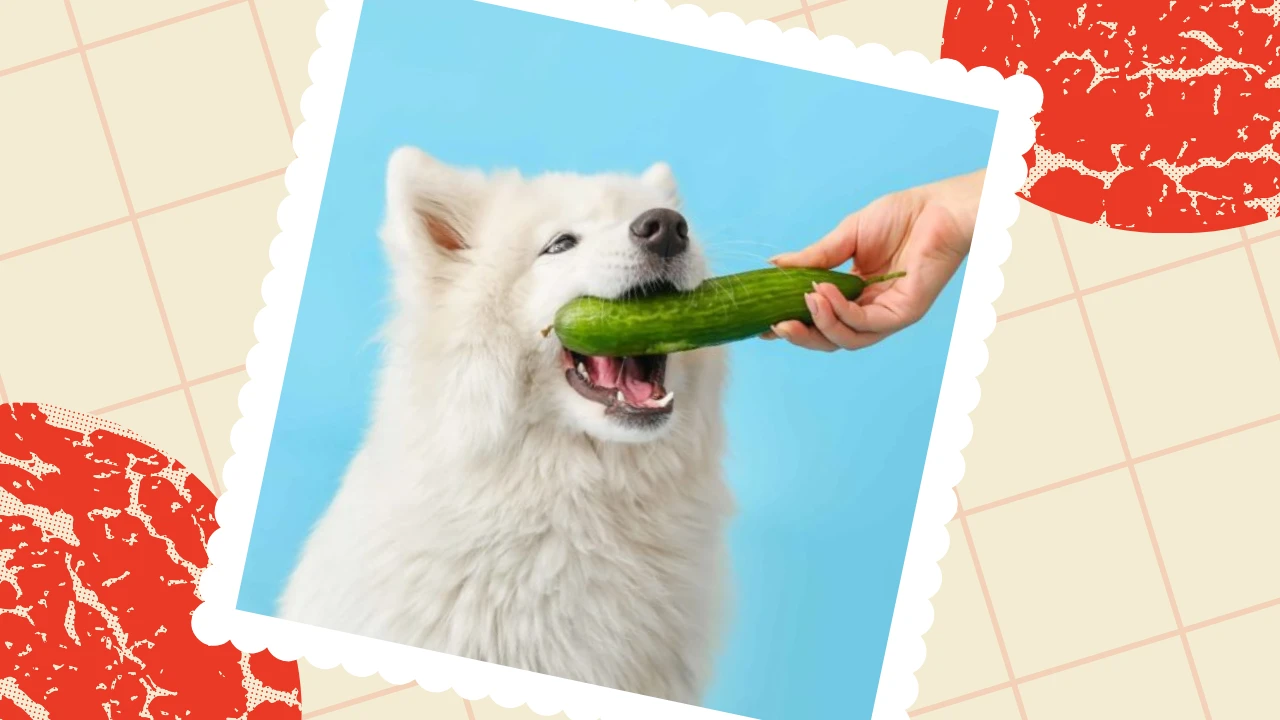
Credit: wefeedraw.com
Nutritional Profile Of Cucumbers
Cucumbers offer several nutritional benefits for dogs. They contain essential nutrients that support overall health. Their composition makes cucumbers a healthy snack option for dogs. Understanding the key nutrients helps explain why cucumbers can be good for dogs.
Let’s explore the main nutrients found in cucumbers and their benefits for your pet.
Vitamins And Minerals
Cucumbers contain vitamins like vitamin K and vitamin C. Vitamin K helps with blood clotting and bone health. Vitamin C supports the immune system and skin health. They also have minerals such as potassium and magnesium. Potassium helps with muscle function and heart health. Magnesium supports nerve function and energy production. These vitamins and minerals contribute to your dog’s well-being.
Low-calorie Content
Cucumbers have very few calories. This makes them a safe snack for dogs that need to lose weight. Low calories help prevent obesity and related diseases. Feeding cucumbers can satisfy your dog’s hunger without extra fat. This helps keep your dog fit and healthy.
Hydration Benefits
Cucumbers are about 95% water. This high water content helps keep dogs hydrated. Hydration is important for digestion and energy. Dogs often drink less water during hot days. Offering cucumber slices encourages them to consume more fluids. This supports your dog’s overall health and well-being.

Credit: dogfoodsy.com
Health Benefits For Dogs
Cucumbers offer several health benefits for dogs. They are low in calories and high in water content. This makes cucumbers a healthy snack option. Dogs can enjoy them safely in moderation. Let’s explore the key benefits of cucumbers for dogs.
Weight Management
Cucumbers are low in calories and fat. They help dogs feel full without adding extra weight. This makes cucumbers a good treat for overweight dogs. They support healthy weight control and reduce the risk of obesity.
Digestive Support
Cucumbers contain fiber that aids digestion. Fiber helps regulate bowel movements and prevent constipation. The high water content also keeps dogs hydrated. This supports a healthy digestive system overall.
Dental Health Aid
Crunchy cucumbers can help clean a dog’s teeth. Chewing cucumbers reduces plaque and tartar buildup. This promotes fresher breath and better oral hygiene. It is a natural way to support dental health.
Potential Risks And Precautions
Cucumbers can be a healthy treat for dogs, but some risks need attention. Knowing these risks helps keep your dog safe and happy. Simple precautions make cucumber feeding safer for pets.
Choking Hazards
Large cucumber pieces can cause choking. Dogs may struggle to chew hard or big chunks. Cut cucumbers into small, bite-sized pieces. Always watch your dog while eating to avoid accidents.
Allergic Reactions
Some dogs may have allergies to cucumbers. Signs include itching, swelling, or upset stomach. Stop feeding cucumber if your dog shows these symptoms. Consult a vet for advice and alternatives.
Moderation Guidelines
Too much cucumber can upset your dog’s stomach. Start with small amounts to see how your dog reacts. Limit cucumber to a small treat, not a meal. Balance treats with a healthy diet for best results.
How To Serve Cucumbers Safely
Serving cucumbers to dogs can be healthy and refreshing. It is important to serve them safely. Proper preparation and portion control keep dogs happy and healthy. Small, simple steps make cucumber treats safe for dogs.
Preparation Tips
Wash cucumbers thoroughly to remove dirt and pesticides. Peel the skin if your dog has a sensitive stomach. Cut cucumbers into small, bite-sized pieces to avoid choking. Remove seeds, as they can be hard to digest. Serve cucumbers fresh and raw, not pickled or seasoned.
Portion Sizes
Start with a few small pieces to check for allergies. Too much cucumber can cause an upset stomach or diarrhea. Limit cucumber treats to 10% of your dog’s daily food intake. Adjust portions based on your dog’s size and weight. Small dogs need smaller amounts than large dogs.
Serving Ideas
Use cucumber slices as a crunchy snack or training reward. Mix cucumber pieces into your dog’s regular food for extra hydration. Freeze cucumber slices for a cool summer treat. Combine cucumber with other dog-safe veggies for variety. Avoid adding salt or spices to cucumber servings.
Comparing Cucumbers To Other Dog-friendly Vegetables
Dogs enjoy a variety of vegetables as treats and snacks. Cucumbers stand out among many dog-safe veggies. They have their own set of benefits that differ from other common vegetables.
Comparing cucumbers to popular dog vegetables helps pet owners choose healthy snacks. Each vegetable has unique nutrients and advantages. Understanding these can guide better feeding choices.
Benefits Vs. Carrots
Carrots are rich in beta-carotene and vitamin A. They support eye health and boost the immune system. Carrots also have fiber, which helps digestion.
Cucumbers have fewer calories than carrots. They are mostly water, which keeps dogs hydrated. This makes cucumbers a good snack for dogs that need to control weight.
Benefits Vs. Green Beans
Green beans are low in calories and high in fiber. They help with digestion and promote fullness. Green beans also provide vitamins like C and K.
Cucumbers provide hydration benefits green beans lack. Their crunchy texture is refreshing for dogs. They offer a mild taste that some dogs prefer over green beans.
Unique Advantages
Cucumbers have a high water content, about 95%. This helps keep dogs cool and hydrated. They also contain antioxidants that protect cells from damage.
Unlike carrots and green beans, cucumbers are very low in sugar. This lowers the risk of blood sugar spikes. It makes cucumbers a safe treat for dogs with diabetes.
The crunchy texture of cucumbers can help clean teeth. It reduces plaque buildup naturally. This is a bonus for maintaining good oral health.
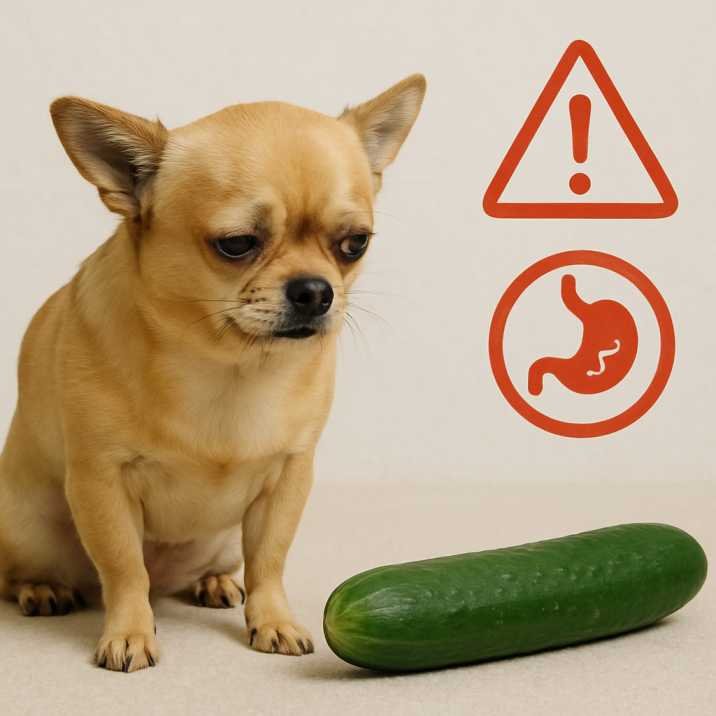
Credit: dogfoodsy.com
Frequently Asked Questions
Are Cucumbers Safe For Dogs To Eat?
Yes, cucumbers are safe for dogs. They are low in calories and provide hydration. Always serve in small, bite-sized pieces to avoid choking.
What Health Benefits Do Cucumbers Offer Dogs?
Cucumbers offer hydration, fiber, and antioxidants. They support digestion and promote healthy skin. They are a nutritious, low-calorie snack for dogs.
Can Cucumbers Cause Any Harm To Dogs?
Cucumbers rarely cause harm but may upset sensitive stomachs. Avoid giving seeds or peel in large amounts. Always introduce cucumbers gradually to monitor tolerance.
How Should Cucumbers Be Prepared For Dogs?
Wash cucumbers thoroughly and cut into small, manageable pieces. Remove seeds and skin if your dog has a sensitive stomach. Serve fresh and plain without seasoning.
Conclusion
Cucumbers can be a healthy treat for dogs in small amounts. They provide hydration and some vitamins without many calories. Always wash cucumbers well and cut them into bite-sized pieces. Watch your dog for any signs of upset stomach after trying cucumbers.
Remember, treats should not replace a balanced diet. Consult your vet if you have concerns about your dog’s food. Simple, fresh snacks like cucumbers can add variety to your dog’s diet safely.