

Are you wondering if it’s okay to feed your adult dog puppy food? You want the best for your furry friend, but with so many options, it’s easy to feel confused.
Feeding the wrong food can affect your dog’s health, energy, and happiness. Keep reading to discover what happens when adult dogs eat puppy food—and whether it’s a good idea for your pet. Understanding this can help you make smart choices that keep your dog healthy and thriving.
:strip_icc()/Puppy-food-feeding-schedule-2804779-a35fb27f23bd427cbea6ed24236fee22.jpg)
Credit: www.thesprucepets.com
Differences Between Puppy And Adult Dog Food
Understanding the differences between puppy and adult dog food helps you make the right choice. Puppy food supports fast growth and strong development. Adult dog food meets the needs of a mature dog’s body. Feeding the wrong type of food can cause health issues. Here is a closer look at these differences.
Nutritional Needs Of Puppies
Puppies need more protein and calories than adult dogs. Their bodies grow quickly and need energy for development. Puppies require extra vitamins and minerals to build strong bones and teeth. Fat content is higher to support brain growth and activity. Balanced nutrition helps puppies grow healthy and strong.
Nutritional Needs Of Adult Dogs
Adult dogs need fewer calories than puppies. Their growth slows down, and metabolism changes. Protein supports muscle maintenance but in lower amounts. Fat levels are reduced to prevent weight gain. Adult dog food focuses on keeping dogs healthy and active.
Key Ingredient Variations
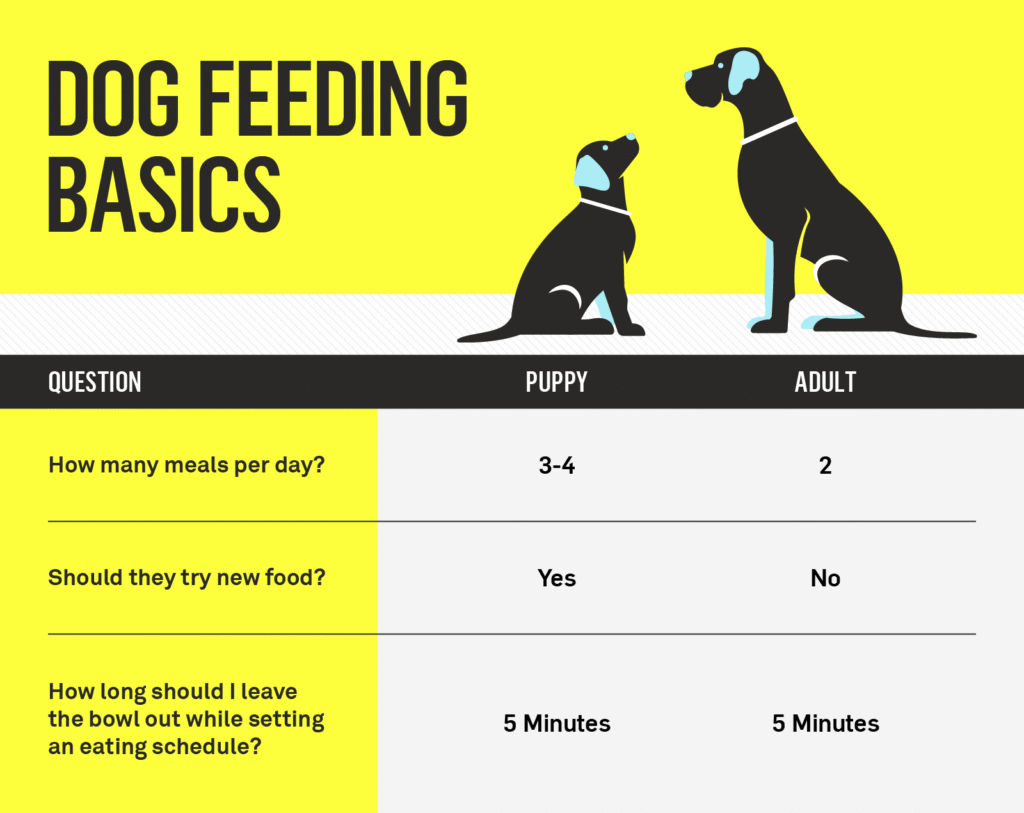
Puppy food contains higher protein, fat, and calories. Ingredients like DHA support brain and eye development. Adult dog food includes fewer calories and more fiber. Fiber helps digestion and maintains a healthy weight. Both foods contain vitamins and minerals but in different amounts.
Credit: www.gallant.com
Potential Effects Of Feeding Puppy Food To Adult Dogs
Feeding adult dogs puppy food can have several effects on their health. Puppy food has more calories and nutrients designed for growth. Adult dogs do not need this extra nutrition. This difference can lead to problems if puppy food is fed regularly to adult dogs.
Understanding these effects helps pet owners make better food choices. It also helps keep dogs healthy and active.
Weight Gain And Obesity Risks
Puppy food contains higher calories and fat. Adult dogs eating this can gain weight quickly. Extra weight can cause obesity, which leads to health problems. Joint pain, diabetes, and heart issues are common in obese dogs. Keeping an adult dog on puppy food may increase these risks.
Digestive Concerns
Adult dogs have different digestive needs than puppies. Puppy food can be too rich and hard to digest. This may cause stomach upset, diarrhea, or gas. Some adult dogs may show signs of food intolerance. Feeding the right food helps maintain good digestion and comfort.
Energy Levels And Activity
Puppy food provides energy for growing dogs. Adult dogs may get more energy than needed from this food. Extra energy can cause hyperactivity or restlessness. Some adult dogs might become less active due to weight gain. Balanced nutrition supports healthy energy and activity levels.
When Puppy Food Might Be Appropriate For Adults
Adult dogs usually need food made just for them. Puppy food has more calories and nutrients. Sometimes, adult dogs benefit from this extra nutrition. Certain times call for puppy food for grown dogs. This section explores those special cases.
Growth Recovery Or Health Issues
Dogs recovering from illness or surgery need extra nutrition. Puppy food helps them gain weight and strength. It contains more protein and fat. These nutrients support healing and energy. Vets may suggest puppy food during recovery.
Pregnant Or Nursing Dogs
Pregnant or nursing dogs have higher energy needs. Puppy food provides extra calories and nutrients. This helps them stay healthy and care for puppies. Feeding puppy food supports milk production and strength. It ensures both mother and puppies get enough nutrition.
High-activity Adult Dogs
Active dogs like working or sporting breeds burn more calories. Puppy food offers extra energy to meet their demands. It keeps muscles strong and helps quick recovery. High-energy dogs may need puppy food for better performance. It supports their active lifestyle well.
Credit: www.bowlerspets.com
Choosing The Right Food For Your Dog
Choosing the right food for your dog is important for their health and happiness. Dogs have different nutritional needs at different life stages. Feeding adult dogs puppy food may cause issues over time. Knowing how to select the best food helps keep your dog strong and energetic. Let’s explore some key steps in making the right choice.
Consulting Your Veterinarian
Your veterinarian knows your dog’s health best. They can recommend the best diet for your dog’s age and condition. Ask about the benefits and drawbacks of puppy food for adult dogs. A vet’s advice helps avoid health problems linked to wrong food.
Reading Food Labels
Check food labels carefully. Look for ingredients that match your dog’s needs. Puppy food usually has more calories and protein. Adult dog food balances nutrients for maintenance, not growth. Understanding labels helps you pick the right food type and quality.
Transitioning Between Foods
Switching dog food should be done slowly. Mix new food with old food over several days. This helps prevent stomach upset and digestive issues. A gradual change gives your dog time to adjust to the new diet. Patience during transition improves acceptance and health.
Common Myths About Dog Food Types
Many people have wrong ideas about dog food types. These myths can confuse dog owners and affect their pet’s health. Understanding the truth helps you choose the best food for your dog’s needs.
Puppy Food Is Always Better
Puppy food is rich in nutrients for growing dogs. But adult dogs have different needs. Feeding puppy food to adults can cause weight gain. It has more calories and fat than adult food. Not always better, just different.
Adult Dogs Need Less Protein
Some believe adult dogs need less protein than puppies. Protein helps keep muscles strong at any age. Adults still need good protein amounts. Quality matters more than quantity. Low protein can cause health problems.
Switching Food Frequently Is Harmful
Switching dog food often is not always bad. Sudden changes can upset the stomach. But slow changes allow dogs to adapt. Rotating foods can provide balanced nutrition. Variety can help prevent allergies and boredom.
Frequently Asked Questions
Can Adult Dogs Eat Puppy Food Safely?
Yes, adult dogs can eat puppy food occasionally. However, it is richer in calories and nutrients meant for growth, which may cause weight gain or digestive upset if fed long-term.
What Happens If Adult Dogs Eat Puppy Food Regularly?
Feeding adult dogs puppy food regularly can lead to obesity and nutrient imbalance. Puppy food has extra protein and fat, which is unnecessary for adult dogs’ maintenance needs.
Is Puppy Food Suitable For All Adult Dog Breeds?
Puppy food is generally not ideal for adult dogs of any breed. Adult dogs require a balanced diet tailored to their age, size, and activity level, unlike puppy formulas.
Can Feeding Puppy Food Improve Adult Dogs’ Health?
Feeding puppy food to adult dogs does not improve health. It may cause digestive issues or excess weight due to higher calorie and nutrient content designed for puppies.
Conclusion
Feeding adult dogs puppy food is not ideal for long-term health. Puppy food has extra calories and nutrients meant for growth. Adult dogs may gain weight or have digestive issues. Occasional feeding is okay, but not daily. Choose food made for your dog’s age and size.
This helps keep them healthy and active. Always check with your vet before changing diets. Good nutrition supports a happy, strong dog. Make smart food choices for your furry friend.


