

Have you ever noticed your dog starting to drool the moment you step into the car? It can be messy and sometimes worrying.
But why does this happen? Understanding the reasons behind your dog’s car drooling can help you make trips more comfortable for both of you. Keep reading to discover the surprising causes and easy tips to keep your furry friend calm and dry on every ride.

Credit: www.reddit.com
Common Reasons For Car Drooling
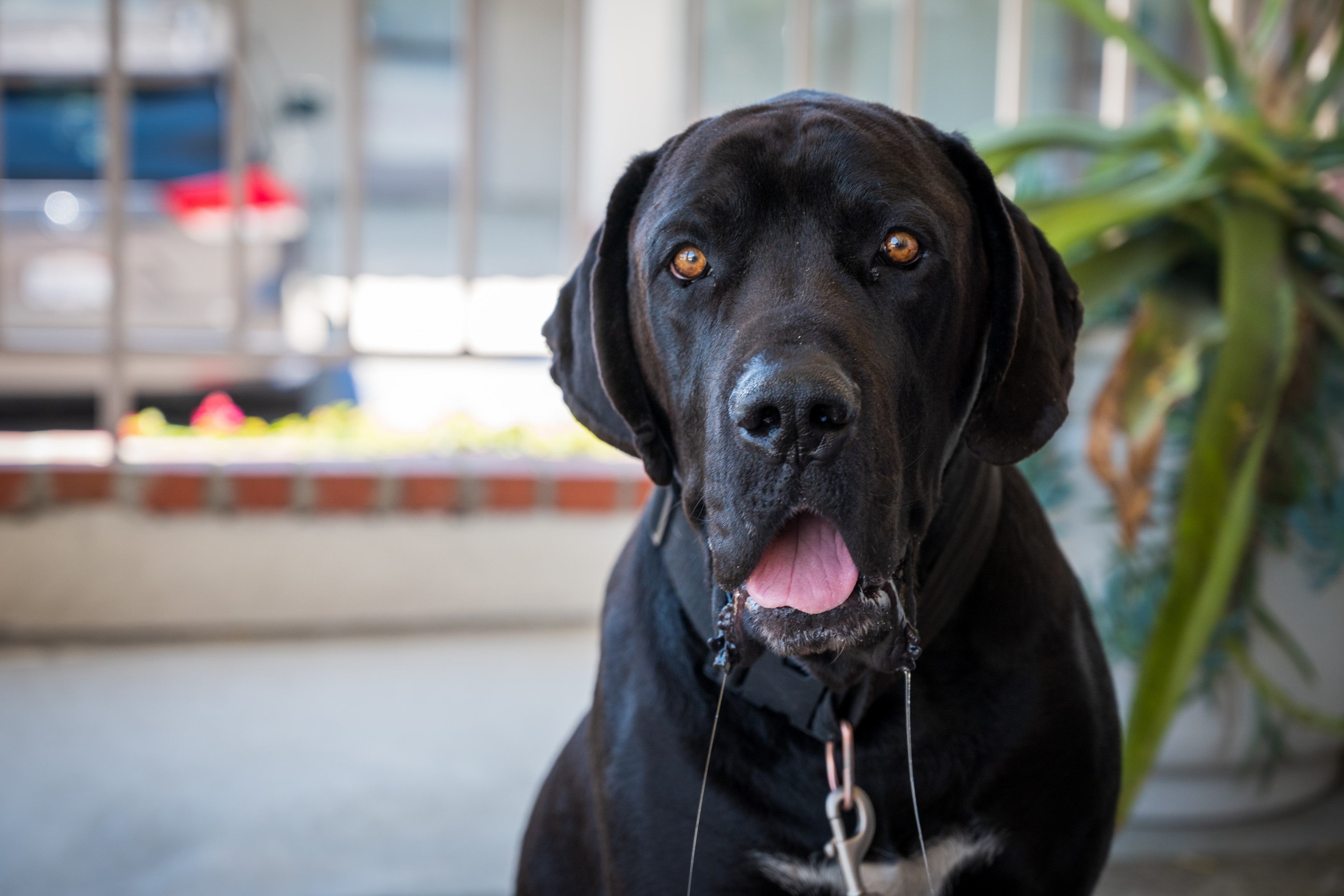
Many dogs drool in the car. This common behavior can confuse pet owners. Understanding why dogs drool helps in managing their comfort during rides. Several reasons explain this drooling, ranging from physical discomfort to emotional reactions.
Motion Sickness
Motion sickness is a leading cause of car drooling in dogs. The movement of the car can upset their stomach. This causes nausea and excessive salivation. Dogs cannot tell us when they feel sick. Drooling is one way they show discomfort.
Anxiety And Stress
Some dogs feel anxious or stressed in the car. Strange sounds and moving surroundings can cause fear. Stress increases saliva production, leading to drooling. Nervous dogs may pant and shake along with drooling. Their body reacts to stress just like humans do.
Excitement And Anticipation
Not all drooling is bad. Some dogs drool because they feel excited. They may associate car rides with fun trips or visits to the park. This happy excitement triggers more saliva. Drooling shows their eager anticipation for the journey ahead.
Health Issues Linked To Drooling
Excessive drooling in dogs during car rides can signal more than just excitement or anxiety. Sometimes, it points to underlying health issues that need attention. Recognizing these problems early helps keep your dog comfortable and safe.
Dental Problems
Dental pain or infections cause dogs to drool more. Tooth decay, gum disease, or mouth sores can be very uncomfortable. The discomfort may increase when the dog moves or feels stressed in the car. Check your dog’s mouth regularly for bad breath or swollen gums. A visit to the vet can identify and treat dental issues quickly.
Nausea And Digestive Upset
Car rides often cause motion sickness in dogs. This upset stomach leads to nausea and increased saliva production. Dogs might also vomit or act restless. Drooling is a common sign of feeling sick. Giving your dog breaks and fresh air during trips can help ease nausea. Consult a vet for remedies if sickness persists.
Heat And Dehydration
Heat stress raises drooling in dogs. Warm car interiors or lack of water cause dehydration. Excess saliva helps cool their bodies down. Watch for heavy panting, weakness, or red gums. Keep the car cool and provide water regularly. Preventing heat stress protects your dog’s health on every trip.
Environmental Triggers In Cars
Many dogs drool in the car due to different environmental triggers. These triggers cause stress or excitement, making dogs salivate more than usual. Understanding these triggers helps you make car rides more comfortable for your pet.
Unfamiliar Surroundings
Cars are strange places for dogs. The seats, smells, and sounds are new and confusing. This unfamiliar setting can make dogs nervous. Nervousness often leads to drooling. Dogs sense a change and react by salivating more.
Car Smells And Noises
Cars have many unique smells. Air fresheners, engine oil, and outside odors mix inside. Dogs have strong noses and notice these smells easily. Strange noises like the engine running or tires on the road add to their stress. These smells and sounds can trigger drooling as a stress response.
Window Position And Airflow
Windows open or closed affect airflow inside the car. Fresh air can excite dogs or make them anxious. Open windows bring in new smells and sounds quickly. This sudden change can increase drooling. Closed windows might trap heat or smells, causing discomfort. Both situations can cause dogs to drool more.
Credit: www.skipperspetproducts.com
Ways To Reduce Drooling In The Car
Drooling in the car can be a common problem for many dogs. It often happens because of stress or motion sickness. You can take steps to help your dog feel better and reduce drooling. These methods make car rides more pleasant for both you and your pet.
Desensitization Techniques
Start by letting your dog explore the car while it is parked. Let them sniff and get comfortable inside. Next, take short trips around the block. Gradually increase the trip length over time. This helps your dog get used to car rides. Use treats to reward calm behavior during trips. This creates a positive experience with the car.
Comfort And Safety Measures
Keep the car cool and well-ventilated. Use a dog seat belt or crate for safety. Bring your dog’s favorite blanket or toy. Familiar items can reduce anxiety and drooling. Avoid feeding your dog right before the trip. Empty stomachs lower the chance of nausea. Play soft music to calm your dog during rides.
Consulting A Veterinarian
Talk to your vet about severe drooling. They can check for motion sickness or other issues. Your vet may suggest medication to ease nausea. Some dogs need special treatments for car anxiety. Always follow your vet’s advice for your dog’s health. Regular check-ups keep your pet safe and happy.
When Drooling Signals A Serious Issue
Drooling in the car is normal for many dogs, but sometimes it signals a serious problem. Knowing when drooling is a warning helps keep your pet safe. Watch your dog closely to spot signs that need attention.
Signs Of Severe Motion Sickness
Excessive drooling can mean strong motion sickness. Your dog may also vomit or shake. Restlessness and whining are common. If your dog refuses to sit still, this is a clear sign. Severe motion sickness needs care from a vet.
Indicators Of Anxiety Disorders
Drooling can show anxiety, not just sickness. Your dog might pant heavily or pace nervously. Trembling and whining often appear too. Anxiety in the car can cause drooling with other stress signs. This needs calming techniques or professional advice.
Emergency Situations To Watch For
Sudden drooling with other symptoms can be an emergency. Look for difficulty breathing or choking. Pale gums and collapse are dangerous signs. Immediate help is critical if these happen. Drooling with these symptoms means urgent vet care.

Credit: www.reddit.com
Frequently Asked Questions
Why Does My Dog Drool Only In The Car?
Dogs drool in the car due to motion sickness or anxiety. The movement can upset their stomach. Stress from unfamiliar surroundings also triggers drooling.
Can Car Drooling Indicate My Dog’s Health Issues?
Yes, excessive drooling may signal nausea, stress, or dental problems. If drooling is frequent, consult a vet for a proper diagnosis.
How Can I Reduce My Dog’s Drooling In The Car?
Try calming techniques like familiar blankets, treats, and short trips. Gradually acclimate your dog to car rides to ease anxiety and drooling.
Is Drooling In The Car Normal For All Dogs?
Not all dogs drool in cars. It depends on the dog’s sensitivity to motion and stress. Some dogs remain calm without drooling.
Conclusion
Dogs often drool in the car because they feel nervous or excited. The motion and new smells can upset their stomach. Some dogs drool more than others, depending on their breed. You can help by keeping the car calm and comfortable.
Giving treats or toys may also ease their stress. Watching your dog closely helps you understand their needs better. Remember, drooling is a normal response for many dogs during car rides. Patience and care can make trips more pleasant for both of you.


