You want the best for your puppy, especially when it comes to their diet. But how do you know when it’s the right time to switch from puppy food to adult dog food?
Feeding your puppy the wrong food can affect their growth, energy, and overall health. You’ll discover clear signs and expert tips to help you make the switch at just the right moment. Keep reading to ensure your furry friend stays happy and healthy every step of the way.
Puppy Vs Adult Dog Food
Puppies and adult dogs need different types of food. Puppy food supports growth, while adult food maintains health. Choosing the right food is key for your dog’s well-being. Understanding the differences helps you decide when to switch foods.
Nutritional Differences
Puppy food has more protein and fat than adult food. These nutrients help puppies build muscles and energy. Adult dog food contains fewer calories to prevent weight gain. Puppies need extra vitamins and minerals to support rapid growth. Adult foods focus on maintaining a healthy body and coat.
Growth And Development Needs
Puppies grow fast and need strong bones and teeth. Their food contains calcium and phosphorus for healthy development. Adult dogs no longer grow, so their diet is less rich in these minerals. Too early a switch to adult food can slow puppy growth. Feeding the right food helps your puppy stay active and strong.
Signs To Switch Food
Knowing the right time to switch your puppy from puppy food to adult dog food is important. Puppies grow fast, and their food needs change as they get older. Watch for clear signs that show your puppy is ready for adult food.
Physical Growth Milestones
One sign to change food is when your puppy reaches certain growth stages. Most puppies finish growing between 9 and 12 months. Large breeds may take longer, up to 18 months. Check your puppy’s size and weight. If growth slows and your puppy looks more like an adult dog, it is time to switch food. Strong bones and teeth also show readiness.
Behavioral Changes
Behavior can help decide when to switch food. Puppies become less hyperactive as they grow. They may eat less often but have bigger meals. If your puppy’s energy levels become steady, adult food may be suitable. Also, watch your puppy’s digestion. If they handle adult food better, this is a good sign.
Breed And Size Considerations
Choosing the right time to switch a puppy to adult dog food depends on breed and size. Different breeds grow at different speeds. Size plays a big role in their dietary needs and development. Understanding these factors helps ensure your puppy stays healthy and strong.
Small Breeds
Small breed puppies grow faster than large breeds. They usually reach full size by 9 to 12 months. Switching to adult dog food can start around one year old. Small breeds need nutrient-rich food to support their fast metabolism. Feeding adult food too early can cause nutrient gaps.
Large Breeds
Large breed puppies grow slower and longer. Some take up to 18 or 24 months to fully mature. They need specially balanced puppy food for joint and bone health. Transition to adult food usually begins between 12 to 18 months. Moving too soon can harm their growth and bones.

Credit: www.cruceroclick.com
Transitioning Process
Transitioning your puppy from puppy food to adult dog food is a crucial step. It needs care and patience to avoid upsetting your puppy’s stomach. The process helps your puppy adjust to new nutrients and textures. This change should be smooth to keep your puppy healthy and happy.
Gradual Food Introduction
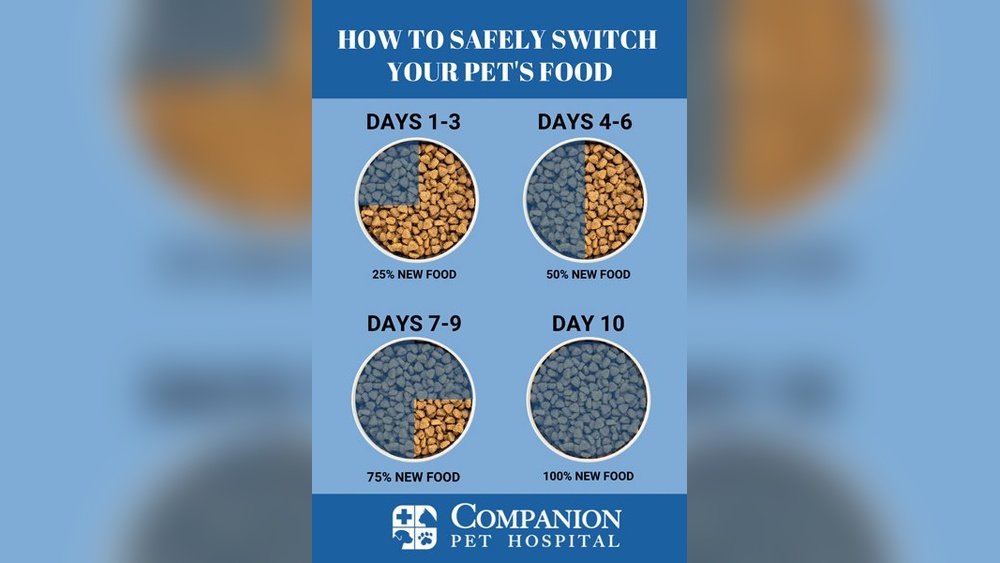
Start by mixing a small amount of adult food with puppy food. Slowly increase the adult food portion over two weeks. This helps your puppy get used to the new taste and texture. Sudden changes can cause stomach problems and reduce appetite. Be consistent and patient during this period.
Monitoring Digestive Health
Watch your puppy’s stool and behavior during the transition. Loose stools or vomiting are signs to slow down the change. Healthy digestion means firm stools and regular bowel movements. Keep an eye on energy levels and appetite too. Consult a vet if you notice ongoing digestive issues.
Risks Of Early Or Late Switching
Switching your puppy to adult dog food at the right time is important. Changing too early or too late can cause problems. Understanding these risks helps keep your dog healthy and strong.
Nutritional Deficiencies
Puppies need more nutrients than adult dogs. Early switching can lead to lack of vitamins and minerals. This affects their growth and immune system. Late switching means the dog may get extra calories. This can cause imbalances in their diet. Both cases can harm your puppy’s health.
Weight And Health Issues
Switching too soon can cause weight loss or poor muscle growth. Puppies need special food to build strong bodies. Late switching may cause your dog to gain too much weight. Extra fat can lead to joint problems and low energy. Proper timing helps maintain a healthy weight and good health.

Credit: www.dogster.com
Veterinarian Recommendations
Veterinarians play a key role in deciding the best time to switch puppies to adult dog food. Their advice helps keep your puppy healthy during growth. Each dog grows at its own pace. A vet’s guidance ensures the diet fits your puppy’s needs perfectly.
Regular Checkups
Regular vet visits track your puppy’s growth and health. The vet checks weight, teeth, and energy levels. These visits show if the puppy is ready for adult food. The vet also spots any health issues early. This helps decide the right feeding time.
Customized Feeding Plans
Vets create feeding plans based on breed, size, and activity. Small breeds may switch earlier than large breeds. Active puppies may need more calories for growth. The vet adjusts food types and amounts. This plan supports steady growth and good health.
Common Myths About Dog Food
Puppy owners often hear many ideas about when to switch to adult dog food. Some ideas sound true but are not correct. These myths can confuse pet owners and affect their puppy’s health. Understanding the facts helps you feed your puppy the right food at the right time.
Many myths come from old habits or misunderstandings. Some say puppies should eat adult food early. Others say puppy food is always better. Knowing the truth helps your puppy grow strong and healthy.
Myth: Puppies Should Switch To Adult Food At 6 Months
Many believe puppies must change food at six months. The right time depends on the breed and size. Small dogs may switch earlier. Large breeds need puppy food longer to support growth.
Myth: Adult Dog Food Is Cheaper And Just As Good
Adult food lacks nutrients puppies need for growth. It may save money but can harm puppy health. Puppy food has extra protein and vitamins for bones and muscles.
Myth: Feeding Puppy Food Too Long Causes Obesity
Puppy food is made for energy and growth. Feeding it for a short time does not cause obesity. Portion control and exercise are key to a healthy weight.
Myth: Homemade Food Is Better Than Puppy Food
Homemade meals often miss important nutrients. Puppy food is balanced with vitamins and minerals. Consult a vet before changing your puppy’s diet to homemade meals.

Credit: kinzuaheritage.org
Frequently Asked Questions
When Is The Right Time To Switch Puppy To Adult Food?
Puppies usually switch to adult dog food between 9 to 12 months. Large breeds may need to wait until 12 to 18 months. Consult your vet for breed-specific guidance. Proper timing supports healthy growth and prevents nutritional imbalances.
What Signs Show A Puppy Is Ready For Adult Food?
Signs include slower growth rate, decreased energy, and reaching near full size. Puppies also start chewing less and have adult teeth. Monitor weight and activity levels to decide the right time for transition.
Can Feeding Adult Food Too Early Harm Puppies?
Yes, feeding adult food too early can cause nutritional deficiencies. Puppies need higher protein, fat, and calories for growth. Early switch may stunt development and weaken the immune system. Always follow vet recommendations.
How To Transition Puppy From Puppy To Adult Food?
Gradually mix adult food with puppy food over 7 to 10 days. Increase adult food portion slowly to avoid digestive upset. Watch for changes in stool and appetite during transition.
Conclusion
Puppies grow fast and need the right food to stay healthy. Switching to adult dog food at the right time helps their body get the nutrients it needs. Usually, this change happens around one year old, but size and breed can affect timing.
Watch your puppy’s growth and energy to decide the best moment. Feeding the right food supports strong bones and a happy dog. Keep your puppy’s health in mind and choose food that fits their stage. Good nutrition today leads to a strong, healthy dog tomorrow.