
Imagine your dog happily playing outside, safe and sound, without you constantly worrying about them running off. You want your furry friend to enjoy the yard freely, but keeping them within your boundaries can be a real challenge.
What if you could teach your dog to stay right where you want them, making your outdoor time stress-free and fun? You’ll discover simple, effective steps to train your dog to stay in your yard—giving you peace of mind and your dog the freedom they deserve.
Keep reading, because your perfect backyard companion is just a few tips away!
Credit: tractive.com
Preparing Your Yard
Preparing your yard is the first step to train your dog to stay within its limits. A safe and clear yard helps your dog understand where it can play freely. Taking time to get the yard ready makes training easier and safer.
Assessing Yard Boundaries
Start by checking the edges of your yard. Look for gaps or weak spots in fences. Make sure gates close tightly and locks work well. Clear boundaries help your dog know where it should stay. Marking these limits clearly is key to good training.
Removing Hazards
Walk around the yard to find anything dangerous. Remove sharp objects, toxic plants, and tools. Check for holes or areas your dog might dig out. Clear hazards keep your dog safe while it explores. Safety is the top priority during training.
Setting Up Visual Markers
Place visual markers along the yard edges. Use stakes, flags, or small signs that your dog can see. These markers act as guides for your dog’s boundary. Clear visuals help your dog learn where to stop. Consistent markers make training faster and clearer.
Credit: www.reddit.com
Choosing The Right Training Tools
Choosing the right tools helps your dog learn to stay in your yard. The right tools make training easier and safer. It also keeps your dog happy and confident. Different tools serve different purposes. Some help control your dog. Others reward good behavior. Some tools keep your dog inside the yard.
Collars And Leashes
Collars and leashes give control during training sessions. A flat collar suits most dogs. Avoid choke or prong collars for safety. Use a leash long enough to allow movement. A 6-foot leash works well for yard training. It offers control and freedom. Always supervise your dog when using these tools.
Training Treats And Rewards
Treats motivate your dog to learn and obey. Choose small, soft treats that your dog loves. Use treats only during training to keep them special. Praise and petting work as good rewards too. Rewards help your dog link good behavior with positive feelings. Consistent rewards speed up learning.
Fencing Options
A secure fence keeps your dog inside the yard. Wooden or chain-link fences work well. Check for gaps and holes regularly. Invisible fences use a collar to give a mild signal. They require proper training to avoid confusion. Choose a fence type that fits your yard and dog’s needs.
Basic Commands To Teach
Teaching basic commands is the first step to keep your dog safe inside your yard. These commands help your dog listen and follow your instructions. They build trust and make training easier. Start with simple commands. Practice often and reward good behavior.
Sit And Stay
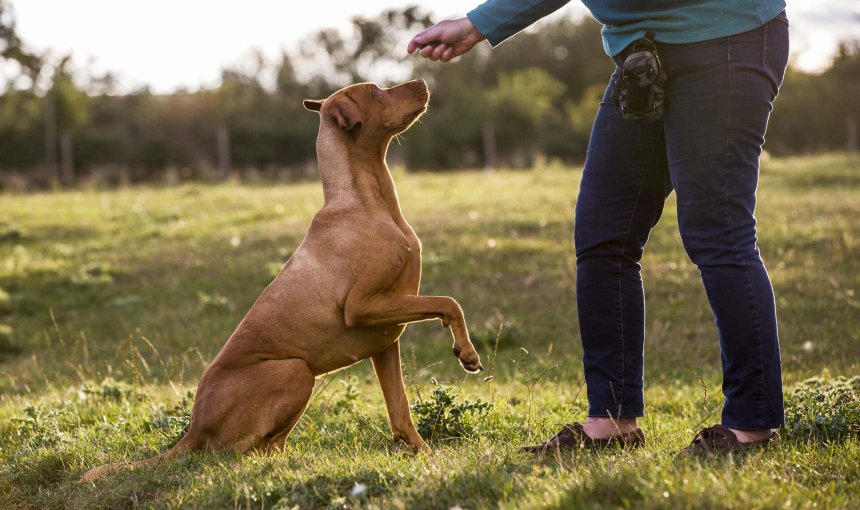
“Sit” is one of the easiest commands to teach. It helps calm your dog and prepare them for other lessons. To teach “sit,” hold a treat above your dog’s nose. Move the treat back slowly. Your dog will naturally sit down to follow it. Say “sit” clearly and give the treat. Practice this several times daily.
Once your dog sits on command, teach “stay.” Ask your dog to sit. Show your palm and say “stay.” Step back slowly. If your dog stays, give a treat and praise. Increase the distance step by step. Keep training sessions short but frequent.
Come When Called
“Come” is a life-saving command. It brings your dog back to you quickly. Start indoors with no distractions. Use a happy voice and say your dog’s name, then say “come.” Show a treat or toy to encourage your dog. When your dog comes, reward immediately. Practice outside with a long leash before trying off-leash.
Leave It
“Leave it” stops your dog from picking up harmful or unwanted items. Hold a treat in a closed hand. Let your dog sniff but not take it. Say “leave it” firmly. When your dog backs away, give a different treat from the other hand. Practice this often. Use it to keep your dog safe from dangerous things outside your yard.
Step-by-step Training Process
Training your dog to stay in your yard takes patience and a clear plan. Follow this step-by-step process to teach your dog the boundaries. Each step builds on the last to make learning easier for your dog. Consistency and kindness are key throughout the training.
Introducing Yard Boundaries
Start by walking your dog around the edge of the yard. Use a leash to guide them along the boundary. Let your dog see and feel the limits of the space. Mark the boundary with flags or cones at first. Repeat this walk several times a day. This helps your dog understand where the yard ends.
Using Positive Reinforcement
Give your dog treats and praise when they stay inside the boundary. Reward your dog immediately to connect good behavior with rewards. Use a happy voice to encourage your dog. Avoid punishment, which can cause fear or confusion. Positive reinforcement builds trust and makes training fun. Practice this during every training session.
Gradual Increase Of Freedom
Slowly give your dog more freedom off the leash. Start by letting them explore the yard with supervision. If your dog stays inside, give a reward. If they step outside, gently bring them back inside. Increase the time your dog spends free in the yard. Always watch closely to prevent escapes. This step helps your dog learn to stay alone safely.
Handling Common Challenges
Training your dog to stay in your yard can be tricky. Many dogs try to escape, get distracted, or feel scared. These problems need patience and clear steps. Understanding common challenges helps you keep your dog safe and happy.
Dealing With Escape Attempts
Some dogs try to dig under fences or jump over them. Watch your dog closely for signs of escape plans. Use barriers like taller fences or ground barriers. Reward your dog for staying inside the yard. Avoid punishment; it can make your dog more anxious.
Managing Distractions
Dogs get distracted by noises, animals, or people. Train your dog to focus on you with treats or toys. Practice short training sessions in the yard. Gradually add distractions to teach your dog to stay calm. Consistency helps your dog learn to ignore distractions.
Addressing Anxiety Or Fear
Some dogs feel nervous in the yard. Signs include pacing, whining, or hiding. Create a safe spot with their bed or toys. Spend time playing or sitting with your dog outside. Use gentle praise and calm tones. This builds confidence and reduces fear.
Maintaining Yard Safety Long-term
Keeping your dog safe in your yard takes ongoing effort. Training is not a one-time task. It requires regular attention to keep your dog secure and happy. Consistent care helps prevent accidents and keeps your dog from wandering off. Follow these steps to maintain yard safety for the long term.
Regular Training Refreshers
Repeat training sessions often to reinforce good behavior. Short, daily practice helps your dog remember boundaries. Use clear commands and reward your dog for staying inside the yard. Consistency in training prevents confusion and strengthens your dog’s habits. Training refreshers reduce the chances of your dog escaping.
Yard Maintenance Tips
Check your yard regularly for weak spots in fences or gates. Repair any holes or gaps immediately to block escape routes. Remove objects your dog could use to climb over fences. Keep bushes trimmed to avoid hiding spots near the yard edge. A well-maintained yard supports your dog’s safety and comfort.
Monitoring Dog Behavior
Observe your dog’s actions in the yard every day. Notice signs of boredom or anxiety, which might cause escape attempts. Provide toys and activities to keep your dog busy and happy. Watch for digging or scratching near the fence. Early detection of problem behaviors helps you act before issues grow.

Credit: www.thisoldhouse.com
Frequently Asked Questions
How Can I Train My Dog To Stay In The Yard?
Start by setting clear boundaries using visual markers. Use positive reinforcement like treats and praise. Gradually increase freedom while supervising. Consistency and patience are key to success.
What Tools Help Keep Dogs Within Yard Limits?
Use sturdy fences, boundary flags, or invisible fences. Leashes and long lines work for training. Choose tools based on your dog’s size and behavior for safety.
How Long Does It Take To Train A Dog Yard Stay?
Training duration varies by dog’s age, breed, and temperament. Most dogs learn basic yard boundaries within a few weeks with daily sessions.
How Do I Prevent My Dog From Digging Under Fences?
Reinforce fence bases with buried chicken wire or concrete. Provide plenty of exercise and mental stimulation to reduce digging behavior.
Conclusion
Training your dog to stay in your yard takes time and patience. Consistent practice helps your dog learn boundaries clearly. Use positive rewards to encourage good behavior daily. Keep training sessions short and fun to hold attention. Always watch your dog closely when outside.
Safety comes first for your pet and neighbors. With care and effort, your dog will respect your yard. A happy dog makes a happy home. Keep practicing, and you will see great results.

