Are you wondering when the right time is to switch your furry friend to adult dog food? Feeding your dog the proper diet at the right stage of life is crucial for their health and happiness.
Giving your pup the wrong food can lead to problems like poor growth, digestive issues, or lack of energy. But how do you know exactly when to make that change? You’ll discover clear signs and expert tips to help you feed your dog adult food at the perfect moment.
Keep reading to make sure your dog stays healthy and thrives every step of the way.
Signs Your Dog Is Ready
Knowing the right time to switch your dog to adult food is important. Dogs grow fast, and their food needs change. Signs your dog is ready for adult food help you make the best choice. Watch for changes in age, behavior, and body growth.
Age Milestones
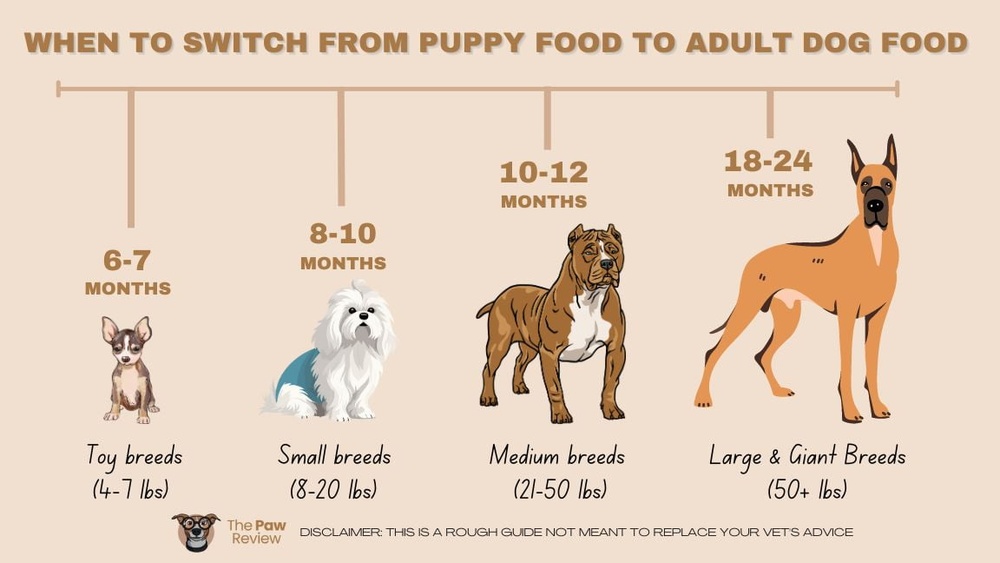
Most dogs start adult food between 9 and 12 months old. Small breeds may change sooner, around 9 months. Large breeds often switch later, near 12 months or more. Check your dog’s breed and age to decide the right time.
Behavioral Changes
Your dog may show new eating habits or energy levels. They might eat less puppy food or seem hungrier. Adult dogs often have calmer, steadier behavior. These signs show their bodies need adult nutrition.
Physical Development
Look at your dog’s size and teeth. When their adult teeth come in, it signals growth progress. Muscle tone and weight also change as your dog grows. These physical signs mean your dog needs adult food for healthy development.
Nutritional Needs At Different Stages
Dogs need different nutrition at various life stages. Their diet must change as they grow. Feeding the right food supports health and energy. It helps puppies develop strong bones and muscles. Adult dogs need balanced meals to maintain weight and vitality. Understanding these needs helps you choose the best food for your dog.
Puppy Vs Adult Diet
Puppies need more calories than adult dogs. They grow quickly and use more energy. Puppy food has extra protein and fat for growth. Adult dog food has fewer calories to prevent weight gain. Nutrients focus on maintenance, not growth. Feeding adult food too early can slow puppy growth.
Essential Nutrients For Growth
Protein is vital for muscle and tissue development. Puppies need more protein than adults. Fat provides energy for active puppies. Calcium and phosphorus build strong bones and teeth. Vitamins and minerals support the immune system. Adult dogs require balanced nutrients to stay healthy and active.
Adjusting Portions
Portion sizes vary by age, size, and activity level. Puppies eat smaller, frequent meals daily. Adult dogs usually eat two meals per day. Overfeeding causes obesity and health problems. Underfeeding leads to weakness and poor growth. Watch your dog’s weight and adjust portions carefully.
Choosing The Right Adult Food
Choosing the right adult food for your dog is important for their health. Adult dogs need balanced nutrition that supports their energy and body functions. The right food helps keep their coat shiny, bones strong, and digestion smooth. Understanding what to include and avoid in their diet can make feeding easier and more effective.
Ingredients To Look For
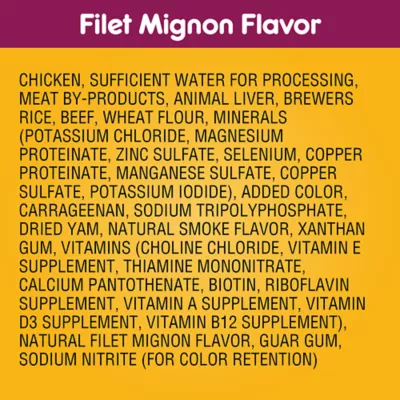
High-quality protein is a key ingredient in adult dog food. Look for named meats like chicken, beef, or fish. Whole grains such as brown rice and oats provide good energy. Vegetables like carrots and peas add vitamins and fiber. Healthy fats from sources like fish oil support skin and brain health. Natural ingredients without fillers give your dog better nutrition.
Avoiding Harmful Additives
Avoid foods with artificial colors, flavors, or preservatives. These can cause allergies or digestive problems. Stay away from by-products and low-quality fillers like corn or wheat. Excess salt and sugar can harm your dog’s health. Choose food labeled with natural preservatives like vitamin E or C. Clean, simple ingredients keep your dog safe and healthy.
Special Diets And Allergies
Some dogs need special diets for health reasons. Dogs with allergies may need grain-free or limited ingredient food. Dogs with kidney or heart issues might need low-sodium diets. Consult your vet before switching to special food. Tailor the diet to your dog’s needs for best results. This care helps your dog stay happy and comfortable.
Credit: www.bowlerspets.com
Transitioning To Adult Food
Transitioning your dog to adult food is an important step in their growth. Puppies have different nutritional needs than adult dogs. Switching foods too quickly can upset your dog’s stomach. Making the change carefully helps your dog adjust well. It also keeps them healthy and happy during this new stage.
Gradual Food Changes
Start by mixing a small amount of adult food with puppy food. Increase the adult food portion each day. Do this over 7 to 10 days. This slow change helps your dog’s digestion. Sudden changes can cause diarrhea or vomiting. Patience is key for a smooth transition.
Monitoring Your Dog’s Reaction
Watch your dog closely during the switch. Look for changes in appetite or energy. Check their stool for any signs of upset. If your dog seems uncomfortable, slow down the change. You want to avoid stress and keep them comfortable. Good health means a happy dog.
Handling Feeding Challenges
Some dogs resist new foods at first. Try warming the food slightly to bring out the smell. Offer meals at regular times to build routine. Avoid giving treats that spoil appetite. Stay calm and patient. Your dog will adjust with time and care.
Veterinarian Recommendations
Veterinarians play a key role in deciding the right time to switch your dog to adult food. Their advice helps keep your dog healthy and strong. They base recommendations on your dog’s age, size, breed, and health condition.
Regular Health Checkups
Frequent vet visits monitor your dog’s growth and health. These checkups help spot changes in weight, energy, and digestion. The vet checks if your dog is ready for adult food. Regular exams keep feeding on the right track.
Customized Feeding Plans
Vets create feeding plans based on your dog’s needs. They adjust food types and amounts for best health results. Some dogs need special diets due to allergies or illnesses. A tailored plan ensures your dog gets proper nutrition.
When To Seek Professional Advice
Consult a vet if your dog shows unusual signs. Poor appetite, weight loss, or digestive issues need attention. Sudden behavior changes may mean a diet review is needed. Professional advice prevents health problems early on.
Credit: www.petsmart.com
Common Mistakes To Avoid
Feeding adult dog food at the right time is important for your dog’s health. Many pet owners make mistakes that can harm their dog’s growth and well-being. Knowing what to avoid helps keep your dog healthy and happy. Below are common errors to watch out for when switching to adult dog food.
Feeding Adult Food Too Early
Giving adult food too soon can cause nutrition problems. Puppies need special nutrients to grow strong. Adult food may lack these important ingredients. Feeding it early can slow your puppy’s growth. Wait until your dog reaches the right age or size before changing food.
Ignoring Growth Signals
Every dog grows at its own pace. Ignoring signs like weight, energy, or behavior can lead to feeding mistakes. Watch your dog’s body and activity closely. Use these signals to decide the best time to switch food. Do not follow a strict age rule only.
Overfeeding And Underfeeding
Giving too much or too little food harms your dog’s health. Overfeeding leads to weight gain and joint problems. Underfeeding causes weakness and poor growth. Measure portions carefully. Feed according to your dog’s size, age, and activity level. Balance is key for good health.
Credit: www.bowlerspets.com
Frequently Asked Questions
When Should I Switch My Dog To Adult Food?
Switch your dog to adult food around 12 months of age. Large breeds may need more time, up to 18-24 months. This change supports their growth and nutritional needs as puppies mature into adults.
How Do I Know My Dog Is Ready For Adult Food?
Look for signs like full growth, stable weight, and decreased puppy energy. Consult your vet to confirm the best time. Proper readiness ensures your dog’s diet matches their developmental stage.
Can Feeding Adult Food Too Early Harm My Puppy?
Yes, feeding adult food too early can cause nutrient deficiencies. Puppies need higher protein and calorie levels for growth. Feeding adult food prematurely may stunt growth and affect health.
What Are The Benefits Of Feeding Adult Dog Food?
Adult dog food supports maintenance, energy balance, and overall health. It contains nutrients tailored for mature dogs. Proper adult food helps maintain ideal weight and promotes longevity.
Conclusion
Feeding your dog adult food at the right time keeps them healthy. Watch for signs like age and growth to decide the switch. Adult food meets their changing needs better than puppy food. Always choose good quality food to support their energy and health.
Talk to your vet if you feel unsure about timing. Feeding adult food too early or late can cause problems. Remember, your dog’s diet plays a big role in their happiness and life. Keep their meals balanced and consistent for best results.