

Are you worried about allergies but still want a furry friend by your side? Finding the right dog breed that won’t trigger your sneezes or itchy eyes can feel like a challenge.
But don’t worry—there are several hypoallergenic dog breeds that might be perfect for you. Imagine enjoying cuddles and playtime without the constant sniffles. You’ll discover which breeds are kinder to allergy sufferers and why they make great pets. Keep reading to find the ideal dog that fits your lifestyle and keeps your allergies in check.
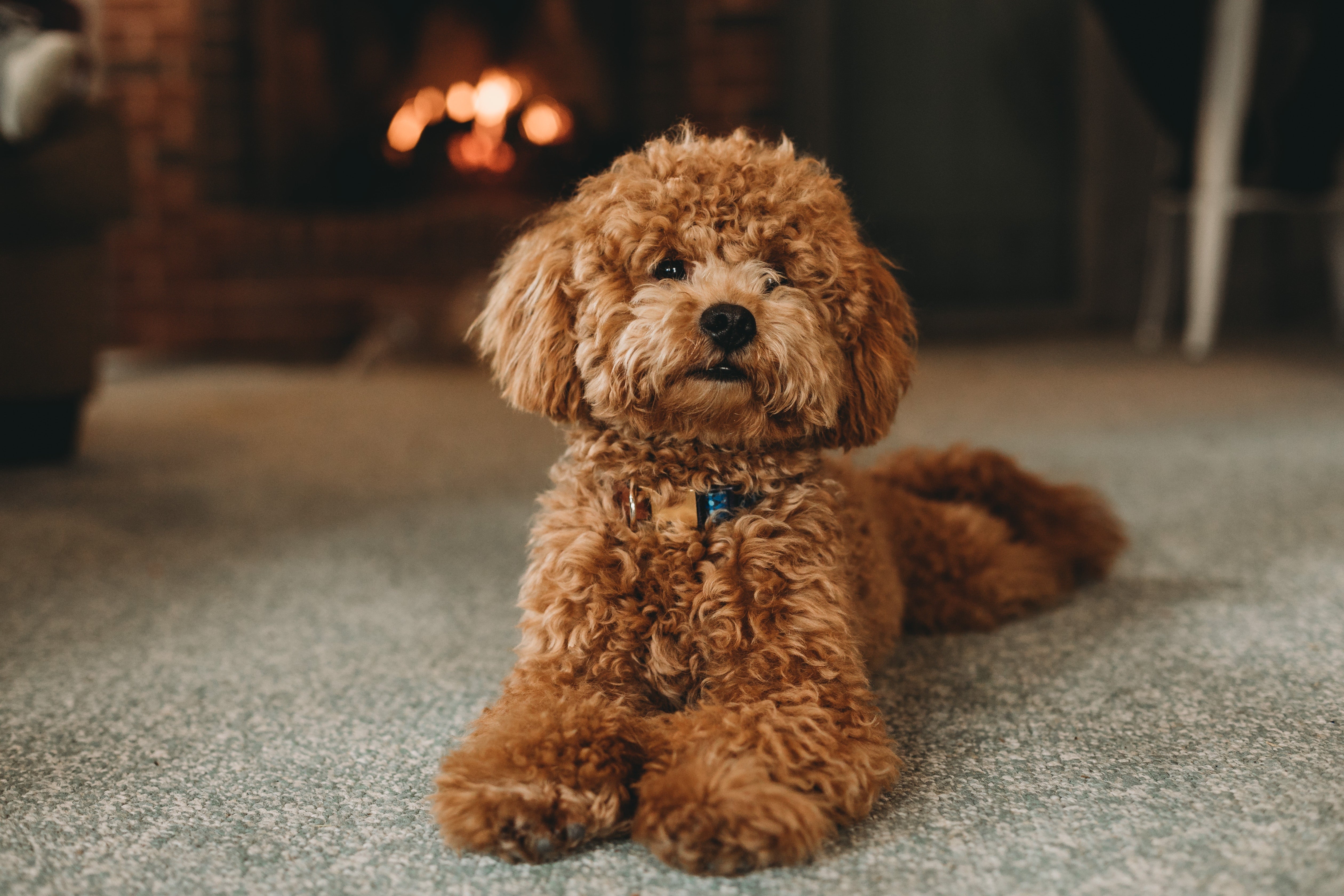
Credit: www.pethonesty.com
Why Hypoallergenic Dogs Matter
Hypoallergenic dogs matter because many people love dogs but suffer from allergies. These allergies can cause sneezing, itching, or even breathing problems. Choosing a hypoallergenic dog helps people enjoy pets without discomfort. It also allows families with allergy sufferers to have a furry friend at home. Understanding why these dogs matter can help make better pet choices.
Common Dog Allergens
Dog allergens come from dander, saliva, and urine. Dander is tiny skin flakes that dogs shed. These flakes spread in the air and stick to furniture. Saliva contains proteins that cause allergies when dogs lick themselves. Urine can dry and release allergens too. Some dog breeds produce fewer allergens, making them easier for allergy sufferers.
Benefits For Allergy Sufferers
Hypoallergenic dogs reduce allergic reactions significantly. They shed less dander and saliva, lowering allergen levels in the home. Allergy sufferers can breathe easier and feel more comfortable. These dogs allow people to enjoy companionship without constant allergy symptoms. Choosing the right breed can improve quality of life for many families.

Credit: www.reddit.com
Traits Of Hypoallergenic Breeds
Hypoallergenic dog breeds have special traits that cause fewer allergy problems. These dogs shed less hair and produce less dander. People with allergies often find these breeds easier to live with. Understanding these traits helps in choosing the right dog.
Low Shedding Coats
Hypoallergenic dogs usually have coats that shed very little. Less shedding means fewer loose hairs in the home. Their hair may grow continuously like human hair. This trait reduces the spread of allergens. Breeds like Poodles and Bichon Frises show this feature clearly.
Reduced Dander Production
Dander is tiny skin flakes that cause allergies. Hypoallergenic dogs produce less dander than other breeds. This lowers the chance of allergy flare-ups. Some breeds have skin that holds dander tightly. This trait helps keep the air cleaner.
Coat Maintenance Tips
Keeping hypoallergenic coats clean is important. Regular brushing removes loose hair and dirt. Bathing with gentle shampoos reduces allergens on the skin. Professional grooming every few weeks helps maintain coat health. Clean coats mean fewer allergy triggers in the home.
Top Hypoallergenic Dog Breeds
Hypoallergenic dog breeds offer a great option for people with allergies. These dogs shed less and produce fewer allergens. They help reduce sneezing and itchy eyes. Knowing the top hypoallergenic breeds can guide your choice. Each breed has unique traits and care needs.
Poodle
Poodles come in three sizes: standard, miniature, and toy. They have curly, dense fur that traps dander. This reduces allergens in the air. Poodles are smart, easy to train, and friendly.
Bichon Frise
The Bichon Frise has soft, curly hair that rarely sheds. They are playful and good with kids. Their small size makes them ideal for apartments.
Maltese
Maltese dogs have long, silky hair that does not shed much. They are gentle, affectionate, and love attention. Regular grooming keeps their coat healthy.
Portuguese Water Dog
This breed has a curly or wavy coat that resists shedding. Portuguese Water Dogs are energetic and love water. They need exercise and mental stimulation daily.
Schnauzer
Schnauzers come in three sizes: giant, standard, and miniature. Their wiry coat sheds very little. Schnauzers are loyal, protective, and alert watchdogs.
Shih Tzu
Shih Tzus have a long, flowing coat that sheds minimally. They are friendly, calm, and good for families. Daily grooming is necessary for their coat.
Basenji
Basenjis have short, fine hair that sheds little. They are quiet dogs, known as “barkless.” Basenjis are active and need regular exercise.
Chinese Crested
The Chinese Crested has two types: hairless and powderpuff. The hairless type sheds almost nothing. These dogs are playful and enjoy human company.
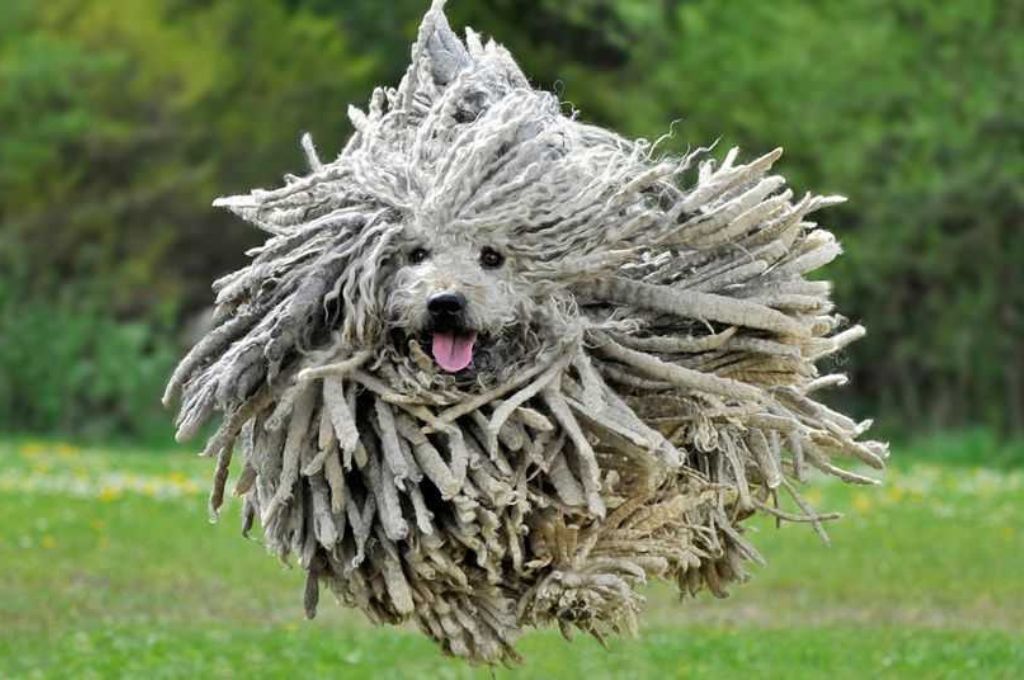
Credit: www.woofblankets.com
Choosing The Right Hypoallergenic Dog
Choosing the right hypoallergenic dog matters a lot for your home and health. These dogs shed less or cause fewer allergies. Still, each breed has different needs and traits. Picking a dog that fits your life makes living with them happier and easier. Consider your daily routine, space, and how much time you can give.
Lifestyle Compatibility
Think about your daily habits. Some dogs need lots of play and walks. Others prefer quiet time indoors. Match a dog’s energy with your activity level. A calm dog suits a relaxed home. An active dog fits a busy life. Hypoallergenic doesn’t mean low energy. Check each breed’s nature before choosing.
Size And Activity Levels
Small dogs fit small spaces well. Big dogs need room to move. Some large breeds have low exercise needs. Tiny dogs might demand constant attention. Activity level varies by breed. Choose a dog that matches your space. Also, consider your ability to exercise your dog daily.
Grooming Needs
Hypoallergenic dogs often need regular grooming. Some breeds require daily brushing to avoid mats. Others need professional grooming every few weeks. Grooming helps reduce allergens in hair and skin. Know how much time you can spend on grooming. This keeps your dog healthy and allergy-friendly.
Managing Allergies With Dogs
Managing allergies with dogs requires careful steps. Many people love dogs but struggle with allergic reactions. Choosing hypoallergenic breeds helps, but more actions improve comfort and health. Small changes at home and in daily habits reduce allergens significantly.
This section shares simple tips for living happily with a dog and fewer allergy problems.
Home Cleaning Tips
Clean floors often to remove pet hair and dander. Use a vacuum with a HEPA filter for best results. Wash dog bedding every week to keep allergens low. Dust surfaces regularly with a damp cloth to trap particles. Air out rooms daily to reduce airborne allergens.
Personal Allergy Management
Wash hands after petting your dog to remove allergens. Avoid touching your face before washing hands. Change clothes if they smell like dog fur or dander. Use allergy medications as advised by your doctor. Consider air purifiers to clean indoor air.
Regular Vet Care
Keep your dog groomed with regular baths to lower dander. Brush your dog outdoors to avoid spreading allergens inside. Check with your vet about skin or coat health. Healthy skin means less shedding and fewer allergens. Routine vet visits keep your dog comfortable and allergy-friendly.
Frequently Asked Questions
What Makes A Dog Breed Hypoallergenic?
Hypoallergenic dogs shed less dander, which triggers allergies. They have hair that grows continuously, reducing allergens. These breeds are ideal for allergy sufferers but no dog is 100% allergen-free.
Which Are The Most Popular Hypoallergenic Dog Breeds?
Popular hypoallergenic breeds include Poodles, Bichon Frises, and Maltese. These dogs have low-shedding coats and friendly temperaments. They suit families and individuals with mild to moderate allergies.
Can Hypoallergenic Dogs Prevent All Allergic Reactions?
Hypoallergenic dogs reduce allergen exposure but don’t eliminate allergies. Individual sensitivity varies, so some people may still react. Regular grooming and cleaning help minimize allergic responses.
Are Hypoallergenic Dogs Suitable For Families With Allergies?
Yes, hypoallergenic dogs are better for allergy sufferers. They produce fewer allergens and shed minimally. However, testing time with the dog before adoption is recommended.
Conclusion
Choosing a hypoallergenic dog breed helps reduce allergy problems. These breeds shed less and produce fewer allergens. Remember, no dog is 100% allergy-free. Spending time with a breed before adopting is wise. Each dog has a unique personality and care needs.
Finding the right match makes life happier for you and the dog. Enjoy the love and companionship a hypoallergenic dog brings. Your search for the perfect pet ends here.


