
Are you thinking about breeding dogs or curious if dog breeding is legal where you live? It’s important to know the rules before you take any steps.
Laws about dog breeding can be confusing and vary a lot depending on your location. Understanding what’s allowed helps you avoid fines, legal trouble, or even harm to the animals. Keep reading to find out exactly what you need to know to stay on the right side of the law and protect your furry friends.
Legal Status Of Dog Breeding
Dog breeding laws vary worldwide. These laws aim to protect animal welfare and ensure ethical practices. Understanding the legal status helps breeders and buyers follow the rules. It also helps prevent illegal or harmful breeding practices.
Laws By Country And Region
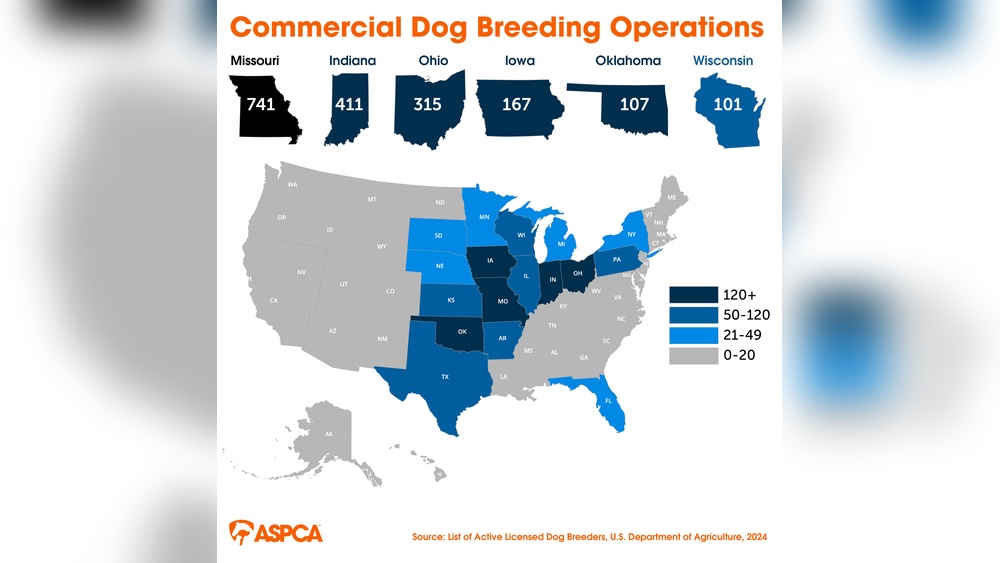
Each country has its own dog breeding laws. Some nations have strict rules, while others have few. For example, the UK has the Animal Welfare Act, which controls breeding. The US has different rules in each state. Australia requires breeders to meet state regulations. Knowing local laws is important for all breeders.
Licensing Requirements
Many places require breeders to get a license. This license proves the breeder meets certain standards. Licensing often involves inspections of breeding facilities. It ensures clean, safe, and humane conditions for dogs. Without a license, breeding may be illegal or fined.
Regulations For Commercial Breeders
Commercial breeders face more rules than hobby breeders. They must follow strict guidelines for dog care and record-keeping. These rules help stop puppy mills and bad breeding practices. Commercial breeders often need to report the number of litters. They must provide proper veterinary care and housing.

Credit: rockykanaka.com
Common Legal Restrictions
Dog breeding involves many legal rules to protect animals and buyers. These rules vary by place but share common themes. Breeders must follow limits on dog numbers, health care, and sales practices. Knowing these rules helps breeders and buyers stay safe and fair.
Limits On Number Of Dogs
Many areas limit how many dogs a person can breed or keep. These rules stop overcrowding and poor conditions. Limits help ensure each dog gets enough space and care. Breeders must check local laws before starting.
Health And Welfare Standards
Laws require breeders to keep dogs healthy and safe. This includes clean living areas and regular vet visits. Sick or injured dogs must get prompt care. Welfare rules protect dogs from neglect and abuse.
Advertising And Sales Rules
Breeders must follow rules for advertising dogs. Ads need to be honest and clear about the dog’s health and background. Some places ban selling puppies online or require seller registration. These rules protect buyers from scams and unhealthy dogs.
Ethical Breeding Practices
Ethical breeding practices are essential for the health and well-being of dogs. They focus on caring for the animals and ensuring good living conditions. Ethical breeders work to improve the breed and avoid harm to puppies and adult dogs. This section explains key parts of ethical dog breeding.
Importance Of Responsible Breeding
Responsible breeding means choosing healthy parent dogs. It avoids passing diseases to puppies. Breeders must understand genetics and breed standards. They should provide clean homes and proper care. Puppies get socialized and checked by vets. This helps puppies grow strong and happy.
Avoiding Puppy Mills
Puppy mills are places where dogs live in poor conditions. They focus on making money, not animal welfare. Dogs in mills often suffer from illness and stress. Ethical breeders never support or run puppy mills. They give dogs love, space, and good food. Avoiding puppy mills protects dog health and happiness.
Breeder Accountability
Good breeders keep records of their dogs and puppies. They answer questions from buyers honestly. They follow laws about breeding and animal care. Ethical breeders help place puppies in safe homes. They take back dogs if needed. Accountability builds trust and ensures dog safety.

Credit: www.petscare.com
Consequences Of Illegal Breeding
Illegal dog breeding carries serious consequences. These affect breeders, animals, and the community. Understanding these outcomes helps highlight why following the law matters.
Fines And Penalties
Breaking dog breeding laws often leads to heavy fines. Authorities impose these to discourage illegal activities. Penalties may also include jail time in some cases. Repeat offenders face stricter punishments. These rules aim to protect dogs and buyers alike.
Animal Welfare Impact
Illegal breeders rarely follow proper care standards. Dogs often suffer from poor living conditions. Lack of veterinary care is common in such places. Puppies may have health problems or genetic issues. This harms animal welfare and causes suffering. Responsible breeding ensures better health and safety for pets.
Legal Actions And Enforcement
Law enforcement agencies actively pursue illegal breeders. They conduct investigations and raids to stop unlawful practices. Confiscation of animals is a frequent action. Courts can order breeders to cease operations. Legal actions protect animals and maintain public trust.
How To Verify A Breeder’s Legality
Verifying a dog breeder’s legality protects you and the puppy. It ensures the breeder meets rules and cares for dogs properly. You avoid scams and unhealthy pets by checking legal status. Here are simple ways to confirm a breeder is legitimate.
Checking Licensing And Certifications
Start by asking the breeder for their license. Most places require breeders to have permits. Check if the license is current and valid. Some breeders join clubs or associations. These groups often require standards and inspections. Certifications show the breeder follows good practices.
Researching Breeder Reputation
Search online for reviews about the breeder. Look at feedback from past buyers. Positive reviews often show a trustworthy breeder. Negative comments can reveal problems or bad treatment. Ask local vets or dog clubs for advice. They may know which breeders are reliable.
Questions To Ask Before Buying
Ask about the dog’s health history and parents. Request proof of vaccinations and vet checks. Inquire about the living conditions of the puppies. Find out if the breeder offers a health guarantee. Check if the breeder allows you to visit and meet the dogs.
Alternatives To Breeding
Dog breeding raises many legal and ethical questions. Many people want dogs but want to avoid breeding issues. There are several good alternatives to breeding. These options help dogs find loving homes without increasing the dog population.
Adoption From Shelters
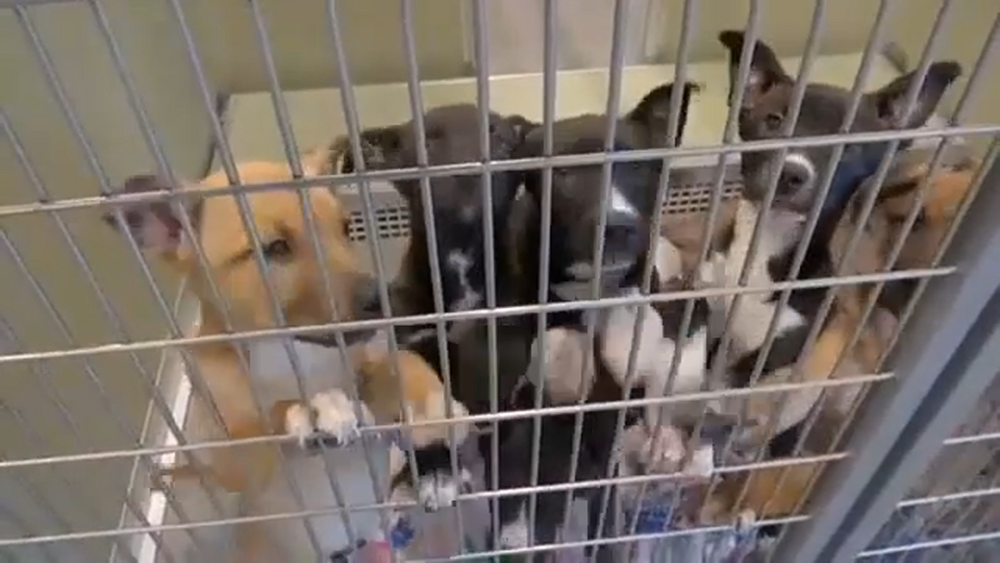
Shelters have many dogs waiting for homes. These dogs often need love and care. Adopting from shelters saves lives. It reduces the number of homeless dogs. Shelter staff can help find a dog that fits your lifestyle. Adoption fees usually cover vaccinations and spaying or neutering. This makes adoption affordable and responsible.
Rescue Organizations
Rescue groups focus on specific dog breeds or special needs dogs. They rescue dogs from bad situations. Rescues provide medical care and training. They prepare dogs for new families. These organizations rely on volunteers and donations. Supporting rescues helps more dogs get a second chance. Many rescues have adoption events and websites for easy access.
Supporting Ethical Breeders
Not all breeders are the same. Ethical breeders follow strict rules. They prioritize the health and well-being of dogs. These breeders do health tests and provide good living conditions. They avoid breeding dogs with genetic problems. Supporting ethical breeders helps maintain strong and healthy dog breeds. Ask questions and visit the breeder’s facility before buying a puppy. This ensures you support responsible breeding practices.
Credit: abc30.com
Frequently Asked Questions
Is Dog Breeding Legal Everywhere?
Dog breeding laws vary by country and region. Some places allow it with regulations, while others ban it outright. Always check local laws before breeding dogs to ensure compliance and avoid legal issues.
What Permits Are Needed For Dog Breeding?
Permits depend on local regulations and the scale of breeding. Often, breeders must register, obtain licenses, and meet health and welfare standards. Proper documentation ensures legal operation and animal safety.
Are There Age Restrictions For Dog Breeding?
Yes, many regions impose age limits for breeding dogs. These rules protect animal welfare by preventing breeding of very young or old dogs. Check local laws to adhere to these age requirements.
Can Unlicensed Dog Breeding Lead To Penalties?
Yes, unlicensed dog breeding can result in fines, legal action, or business shutdown. Authorities enforce laws to protect animal welfare and public health. Always operate with proper licenses to avoid penalties.
Conclusion
Dog breeding laws vary by location and can be complex. Knowing local rules helps you avoid legal trouble. Ethical breeding respects animal welfare and follows regulations. Always research before starting to breed dogs. Responsible breeders care about the dogs’ health and safety.
Staying informed protects both you and your pets. Legal breeding means following rules and putting dogs first. This knowledge supports good decisions and happy pets.


