If you’ve just brought an adult dog into your home or want to improve their behavior, crate training might feel like a challenge. But here’s the truth: it can be easier than you think.
Imagine having a safe, calm space for your dog that makes your life less stressful and your dog happier. You’re about to discover simple steps that work, even if your dog has never used a crate before. Keep reading, and you’ll learn how to make crate training a positive experience for both you and your furry friend.
Credit: k9basics.com
Benefits Of Crate Training
Crate training offers many benefits for adult dogs and their owners. It helps dogs feel safe and calm in a personal space. The crate becomes a special spot where dogs rest and relax. Using a crate supports training and behavior management. It makes life easier for both dogs and owners.
Safety And Security
The crate gives dogs a secure place to stay. It protects them from dangers at home. Dogs feel less stressed in a small, cozy area. The crate can stop dogs from chewing harmful objects. It also helps during travel or visits to the vet.
House Training Aid
Crates help teach dogs to control bathroom habits. Dogs naturally avoid soiling their sleeping space. This encourages them to wait for bathroom breaks. Crate training speeds up learning to go outside. It reduces accidents and keeps the home clean.
Managing Behavior
The crate limits unwanted behavior when unsupervised. It prevents destructive chewing and jumping on furniture. Dogs learn boundaries in a safe way. Crate time also helps calm anxious or hyper dogs. It provides structure and routine for daily life.
Choosing The Right Crate
Choosing the right crate is key to successful crate training for your adult dog. The crate must be comfortable and safe. It should fit your dog’s size and personality. A good crate helps your dog feel secure and relaxed. This makes training easier and more effective.
Size And Comfort
Pick a crate big enough for your dog to stand, turn, and lie down. Too small makes your dog uncomfortable. Too large may cause your dog to use one end as a bathroom. Soft bedding or a mat adds comfort. Make sure the crate is well-ventilated for fresh air.
Types Of Crates
Wire crates offer good airflow and visibility. Plastic crates provide a cozy, den-like space. Soft-sided crates are lightweight and portable. Choose a type that fits your dog’s needs and your lifestyle. Safety and durability matter most in any crate you select.
Placement Tips
Place the crate in a quiet, low-traffic area. Avoid places that are too hot, cold, or noisy. Keep the crate near family activity so your dog feels included. Avoid isolated spots that may cause anxiety. A calm, comfortable spot encourages your dog to use the crate happily.
Preparing Your Dog
Preparing your adult dog for crate training helps make the process smooth. It builds comfort and trust around the crate. Taking time to prepare reduces stress for both you and your dog. Start by introducing the crate slowly and positively. Create a welcoming space inside the crate. Reward your dog for calm and curious behavior near the crate. These steps help your dog accept the crate as a safe place.
Introducing The Crate
Place the crate in a quiet, common area of your home. Keep the door open to allow free access. Let your dog explore the crate at their own pace. Avoid forcing your dog inside the crate. Use calm, gentle words to encourage curiosity. Sit near the crate and praise your dog for showing interest. This step builds positive feelings about the crate.
Making It Inviting
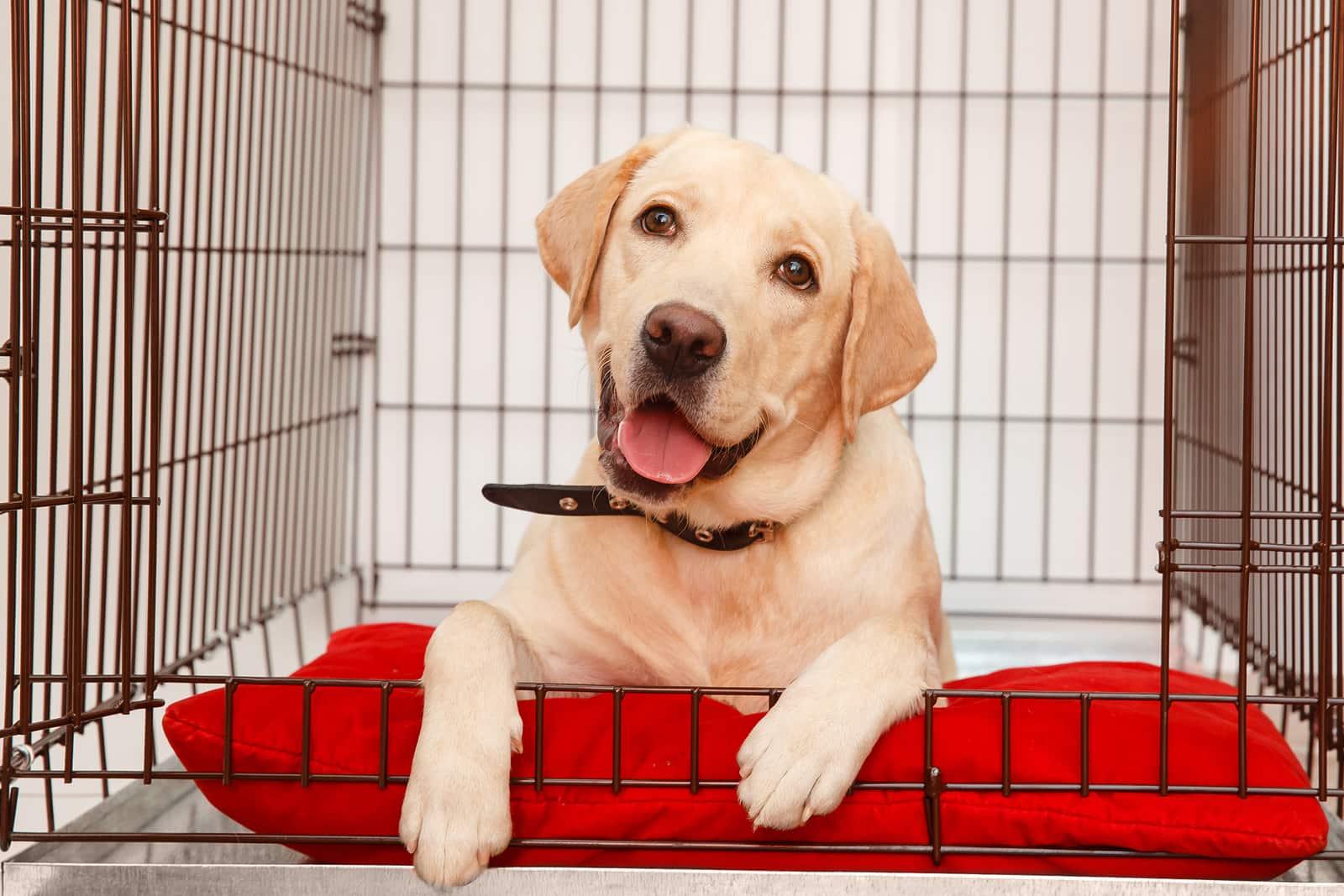
Add soft bedding or a favorite blanket inside the crate. Place some treats or toys in the crate to attract your dog. Make the crate a cozy, warm spot your dog wants to visit. Avoid making the crate a place for punishment. Keep the environment around the crate calm and quiet. This helps your dog see the crate as a safe space.
Using Positive Reinforcement
Reward your dog with treats and praise when they enter the crate. Use a happy tone to encourage your dog. Give treats inside the crate to build positive associations. Gradually increase the time your dog spends inside. Never use the crate to isolate your dog as a punishment. Positive reinforcement helps your dog enjoy spending time in the crate.
Credit: www.hillspet.com.au
Step-by-step Crate Training
Crate training an adult dog takes patience and a clear plan. This step-by-step guide will help your dog feel safe and comfortable in the crate. Follow these easy steps to build trust and make the crate a positive place.
Short Sessions
Start with very short crate sessions. Just a few minutes at first. Let your dog enter the crate on their own. Praise them gently and offer treats inside. Close the door for a few seconds, then open it. Slowly increase the time your dog stays inside.
Feeding In The Crate
Feed your dog meals inside the crate. This creates a good association with the space. Place the bowl at the back of the crate. Let your dog eat calmly. If your dog refuses, try placing the bowl closer to the door. Gradually move it deeper inside over time.
Gradual Increase Of Time
Increase crate time slowly. Add a few minutes each day. Watch your dog’s comfort level. Leave the room for short periods while they stay inside. Return before they get anxious. This builds confidence and trust in the crate.
Handling Resistance
Some dogs resist the crate at first. Do not force your dog inside. Use treats and calm praise to encourage them. Make the crate cozy with a soft bed or blanket. Avoid using the crate as punishment. Be patient and consistent for best results.
Dealing With Common Challenges
Crate training an adult dog can bring many benefits but also some challenges. Dogs may show different behaviors based on their past experiences and personality. Understanding these common issues helps you handle them better. Patience and kindness are key to success. Let’s explore ways to manage typical problems during crate training.
Whining And Barking
Whining and barking are normal signs of discomfort or stress. Your dog might feel scared or lonely inside the crate. Avoid opening the crate every time your dog whines. This teaches your dog that noise gets attention. Instead, wait until your dog is quiet before giving treats or praise. Use calm words and soft tones to soothe your dog. Gradually increase crate time to build comfort.
Separation Anxiety
Adult dogs often have separation anxiety in crates. They may panic when left alone. Start with short crate sessions while you stay nearby. Give favorite toys or chew treats to distract your dog. Avoid dramatic goodbyes to keep the mood calm. Practice leaving the room for a few minutes and return quietly. Over time, your dog learns that being alone is safe.
Avoiding Negative Associations
Dogs remember bad experiences quickly. The crate must feel like a safe place, not a punishment. Never use the crate for time-outs or scolding. Add soft bedding and toys inside to make it cozy. Feed meals in the crate to create positive links. Speak kindly and smile during crate time. This builds trust and makes your dog want to enter.

Credit: www.ammothedachshund.com
Maintaining Long-term Success
Maintaining long-term success in crate training an adult dog requires ongoing effort and care. The goal is to keep the crate a safe and calm place for your dog. This helps your dog feel secure and comfortable over time.
Consistency and patience are key. Avoid sudden changes that might confuse your dog. Small, steady steps lead to lasting habits.
Consistency And Routine
Keep a regular schedule for crate time. Feed your dog near or inside the crate at the same times daily. This builds a strong routine. Dogs feel safe with predictable patterns.
Use the crate at similar times each day for naps or rest. This helps your dog expect quiet moments in the crate. Stick to the rules about when the dog can enter and leave the crate.
Crate As A Positive Space
Make the crate welcoming and fun. Add soft bedding and favorite toys inside. Praise your dog when it enters willingly. Avoid using the crate for punishment.
Give treats or meals in the crate to build good feelings. Your dog should think of the crate as a calm, happy spot. This helps prevent fear or anxiety.
Adjusting As Needed
Watch your dog’s behavior closely. Signs of stress or discomfort mean changes are needed. Try shorter crate times if your dog seems restless.
Increase crate time slowly as your dog gets used to it. Change the crate location if your dog seems lonely or scared. Stay flexible and patient to keep progress steady.
Frequently Asked Questions
How Long Does Crate Training An Adult Dog Take?
Crate training duration varies but typically takes 2 to 4 weeks. Consistency and patience speed up the process. Daily short sessions help your dog adjust comfortably and build positive associations with the crate.
What Are The Benefits Of Crate Training Adult Dogs?
Crate training provides safety, reduces anxiety, and prevents destructive behavior. It also aids house training and offers a secure space for your dog to relax. Adult dogs feel calm and secure in a properly introduced crate.
How To Introduce A Crate To An Adult Dog?
Start by placing treats and toys inside the crate. Allow your dog to explore it freely without forcing entry. Gradually increase crate time, praising calm behavior to build positive experiences and trust.
Can Crate Training Help With Adult Dog Separation Anxiety?
Yes, crate training can reduce separation anxiety by creating a safe environment. Gradual crate exposure and positive reinforcement help your dog feel secure when alone. Avoid using the crate as punishment to maintain trust.
Conclusion
Crate training an adult dog takes time and patience. Start slow and keep sessions short. Use treats and praise to build trust. Stay calm and consistent every day. The dog learns the crate is a safe place. Progress may be slow but steady.
Soon, your dog will enjoy their crate. This helps with behavior and comfort. Remember, kindness works better than force. Keep trying and celebrate small wins together.