

Are you wondering if it’s okay to feed your puppy adult dog food? You’re not alone.
Many pet owners face this question, unsure if it’s safe or healthy for their growing furry friend. What you feed your puppy now can affect their health, energy, and development. Keep reading to discover why choosing the right food matters and what you should know before making this decision for your puppy’s well-being.
Puppy Nutritional Needs
Puppies need special food to grow healthy and strong. Their bodies are still developing. Good nutrition helps build bones, muscles, and the brain. Feeding the right food supports their energy and immune system. Adult dog food does not meet these needs. Understanding what puppies require is important for their health.
Choosing the right diet can prevent health problems later. Puppies need more calories and nutrients than adult dogs. Their food must be easy to digest and rich in essential vitamins. Meeting these needs helps puppies reach their full potential.
Growth Requirements
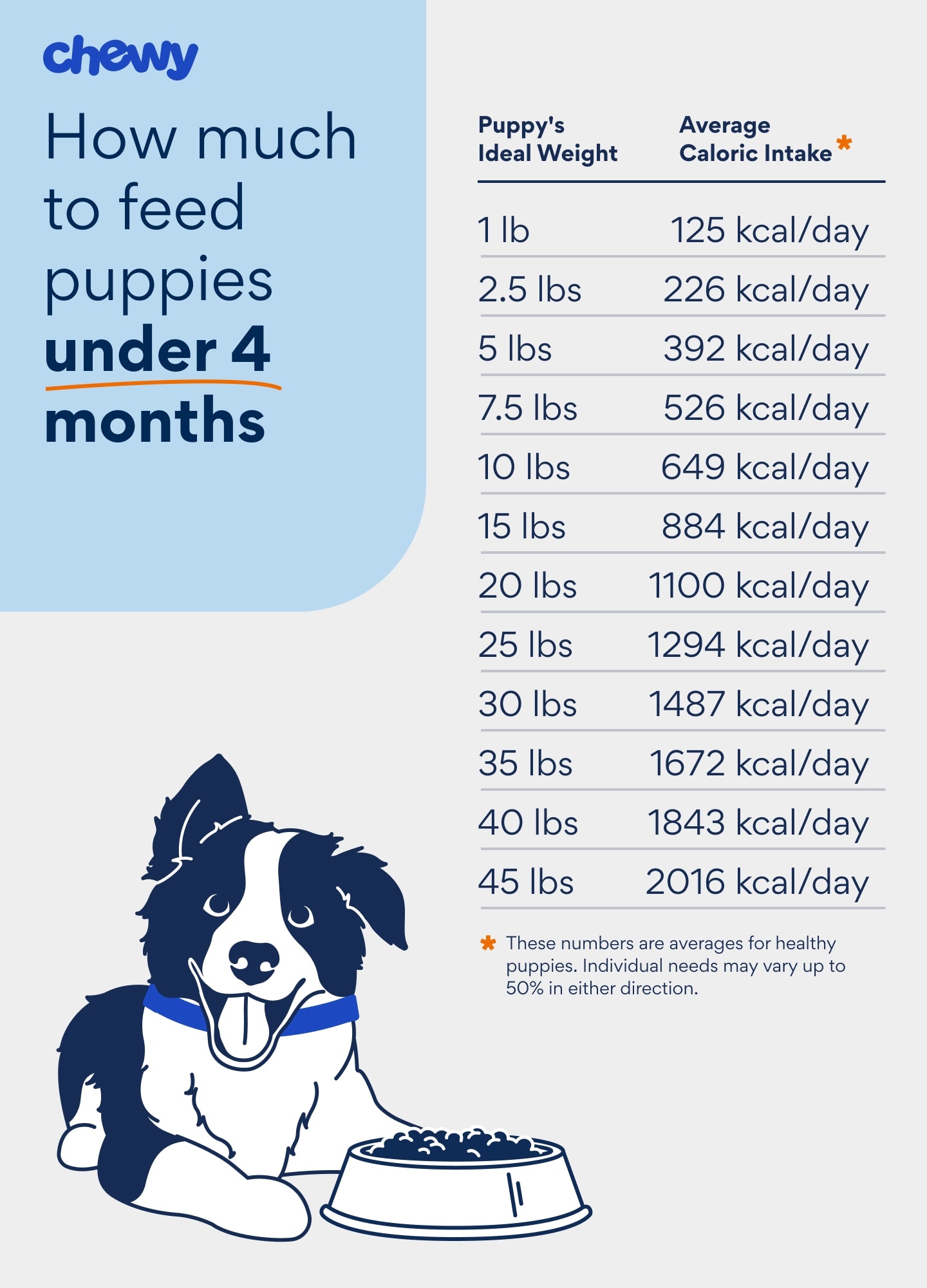
Puppies grow fast and need extra energy for this. They require more calories per pound of body weight. This energy supports rapid muscle and organ development. Protein is a key part of their diet for building tissues. Fat also provides essential energy and supports brain growth. Puppies need balanced meals at regular times. Feeding adult dog food can lack these higher energy levels. This may slow growth or cause nutrient gaps.
Key Nutrients For Puppies
Protein is vital for muscle and tissue repair. Puppies need higher protein than adult dogs. Fat provides energy and helps absorb vitamins. Calcium and phosphorus support strong bones and teeth. DHA, an omega-3 fatty acid, aids brain and eye development. Vitamins like A, D, and E boost immunity and skin health. Adult dog food often has lower levels of these nutrients. Puppy food formulas meet these special needs perfectly.
Credit: www.chewy.com
Differences In Dog Food Formulas
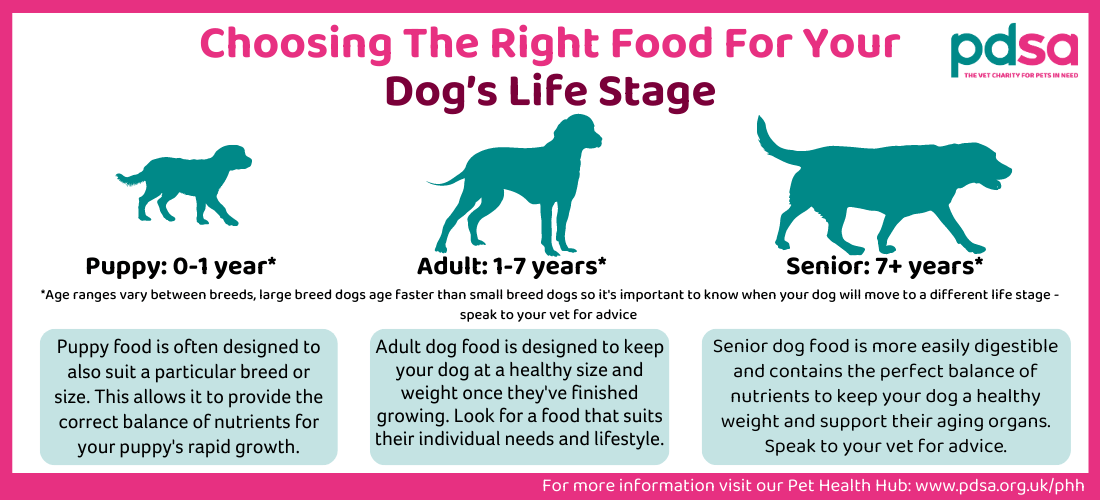
Dog food formulas differ based on the life stage of the dog. Puppies and adult dogs have distinct nutritional needs. Choosing the right food supports healthy growth and overall well-being. Understanding these differences helps you decide if adult dog food suits your puppy.
Adult Dog Food Composition
Adult dog food contains balanced nutrients for maintenance. It focuses on keeping dogs healthy but not growing. Protein levels are moderate, enough for energy but not for growth. Fat content is controlled to prevent weight gain. Vitamins and minerals support daily health and immune function. The formula is less calorie-dense than puppy food.
Puppy Food Composition
Puppy food is rich in nutrients for growth and development. It has higher protein to build muscles and tissues. Fat content is increased to supply extra energy for active puppies. Essential vitamins and minerals support bone and brain development. Puppy food is calorie-dense to meet their rapid growth needs. The formula is softer to aid chewing and digestion.
Risks Of Feeding Adult Food To Puppies
Feeding adult dog food to puppies can cause serious problems. Puppies need special nutrients to grow strong and healthy. Adult dog food does not have the right balance for their needs. This can lead to health risks that affect their growth and development.
Nutritional Deficiencies
Adult dog food lacks essential nutrients for puppies. Puppies need more protein, fat, and calories than adult dogs. Without these, their bones and muscles may not develop properly. Important vitamins and minerals might be too low in adult food. This can cause weak immune systems and slow growth in puppies.
Digestive Issues
Puppies have sensitive stomachs that need gentle food. Adult dog food can be too rich or hard to digest. This may cause stomach upset, diarrhea, or vomiting. Digestive problems can stop puppies from absorbing nutrients well. It can also make them feel uncomfortable and weak.
Credit: www.pdsa.org.uk
When Adult Dog Food Might Be Okay
There are certain moments when feeding adult dog food to puppies might be okay. It is not the usual choice but can work in specific cases. Understanding these times can help keep your puppy healthy.
Puppies need more nutrients than adult dogs for growth. Still, short-term feeding or vet advice can make adult food acceptable.
Short-term Feeding
Adult dog food can be okay for a short time. For example, if you run out of puppy food, adult food can fill in. Use it only for a few days. Long use may miss important puppy nutrients. Watch your puppy’s health closely during this time.
Vet Recommendations
Sometimes, vets suggest adult dog food for puppies. This can happen if a puppy has health issues or special needs. The vet will guide the amount and type of food. Always follow the vet’s advice carefully. It helps keep your puppy safe and strong.
Tips For Transitioning Puppy Food
Switching from puppy food to adult dog food needs care and patience. Puppies have special nutrition needs for their growth. Changing food too fast can upset their stomach. Follow a smooth plan to help your puppy adjust well.
Watch your puppy closely during the change. Look for signs of discomfort or allergies. A good transition supports your puppy’s health and happiness.
Gradual Food Changes
Start by mixing a small amount of adult dog food with puppy food. Slowly increase the adult food portion over 7 to 10 days. This helps your puppy’s digestive system adapt. Avoid sudden switches to prevent diarrhea or vomiting.
Keep the feeding schedule consistent during this time. Offer meals at the same times each day. This routine helps your puppy feel secure and ready for change.
Monitoring Puppy Health
Check your puppy’s stool for any changes in color or consistency. Soft or loose stools may mean the transition is too fast. Watch your puppy’s energy and mood daily. A healthy puppy stays active and playful.
Contact your vet if you see vomiting, diarrhea, or loss of appetite. These signs could mean the new food does not agree with your puppy. Early action keeps your puppy safe and healthy.
Choosing The Right Food For Your Puppy
Puppies have special needs. Their food should help them grow strong and healthy. Not all dog foods are the same. Adult dog food may not have the right nutrients for puppies. Choosing the right food is important for their development.
Good puppy food has more protein and fat. These help build muscles and keep energy high. Vitamins and minerals support bones and the immune system. Always pick food designed for puppies to meet these needs.
Reading Labels
Check the label on any dog food bag. Look for the word “puppy” or “growth.” This means the food has the right nutrients. Ingredients should list meat or meat meal first. Avoid foods with too many fillers like corn or wheat.
Check the guaranteed analysis for protein and fat levels. Puppies need higher amounts than adult dogs. Also, see if the food meets AAFCO standards. This shows the food is complete and balanced for puppies.
Consulting Professionals
Ask your vet for advice on puppy food. They know your puppy’s breed, size, and health needs. They can recommend the best food type and brand. Follow their advice to keep your puppy healthy.
Pet nutritionists also help choose the right diet. They can suggest special formulas if your puppy has allergies or sensitivities. Getting expert help makes feeding easier and safer.
:strip_icc()/people-food-for-puppies-2804770-hero-58d5ffa7c4784604b5088d8fcf41fed7.jpg)
Credit: www.thesprucepets.com
Frequently Asked Questions
Can Puppies Eat Adult Dog Food Safely?
Puppies need more nutrients than adults. Adult dog food lacks essential proteins and fats for growth. Feeding it long-term may stunt development and cause deficiencies. Use puppy-specific food for balanced nutrition and healthy growth.
What Risks Come From Feeding Puppies Adult Food?
Adult dog food may cause nutritional imbalances in puppies. It can lead to weak bones, poor muscle development, and digestive issues. Puppies require higher calories and nutrients that adult food often doesn’t provide. Avoid feeding adult food exclusively to puppies.
When Is It Okay To Switch Puppies To Adult Food?
Switch puppies to adult food after their growth phase ends. Usually, this is around 12 months for small breeds and 18 months for large breeds. Consult your vet to determine the best time for a smooth transition.
Can Occasional Adult Food Harm Puppies?
An occasional small amount of adult dog food won’t harm puppies. However, it shouldn’t replace their regular puppy food. Consistent feeding of adult food can cause nutritional gaps affecting growth and health.
Conclusion
Puppies need food made just for them to grow strong and healthy. Adult dog food does not have all the nutrients puppies require. Feeding puppies adult food can cause health problems. Always choose puppy food for their special needs. This keeps their bones, muscles, and brain developing well.
Remember, good food helps puppies become happy, healthy dogs. Give your puppy the best start with the right diet.


