Are you wondering when it’s time to switch your furry friend from puppy food to adult dog food? Knowing the right age to make this change is important for your dog’s health and happiness.
Feed them too early or too late, and you might affect their growth or energy levels. You’ll discover the signs to look for and the best age to start giving your dog adult food. Keep reading to ensure you’re making the best choice for your loyal companion’s nutrition and wellbeing.
When To Switch To Adult Food
Switching your dog to adult food is an important step in their growth. It helps meet their changing nutrition needs. Knowing the right time to switch keeps your dog healthy and happy. The timing depends on their breed, size, and development. Watch for signs that show your dog is ready. Always check with your vet for guidance.
Age Guidelines By Breed Size
Small breeds grow faster than large breeds. Small dogs usually switch to adult food at 9 to 12 months. Medium breeds change at about 12 months. Large and giant breeds need more time. They often switch between 12 and 24 months. Their bones and joints take longer to mature.
Signs Your Dog Is Ready
Your dog may start to slow down growth. They may eat less than before. Their puppy coat might change to adult fur. Energy levels can shift too. If your dog seems less hungry or calmer, it could be time. Watch your dog’s weight and body shape closely.
Consulting Your Veterinarian
Your vet knows best about your dog’s needs. They can suggest the right time to switch food. Vets check growth, health, and breed factors. They help avoid problems like obesity or nutrient gaps. A quick visit can ensure a smooth change to adult food.
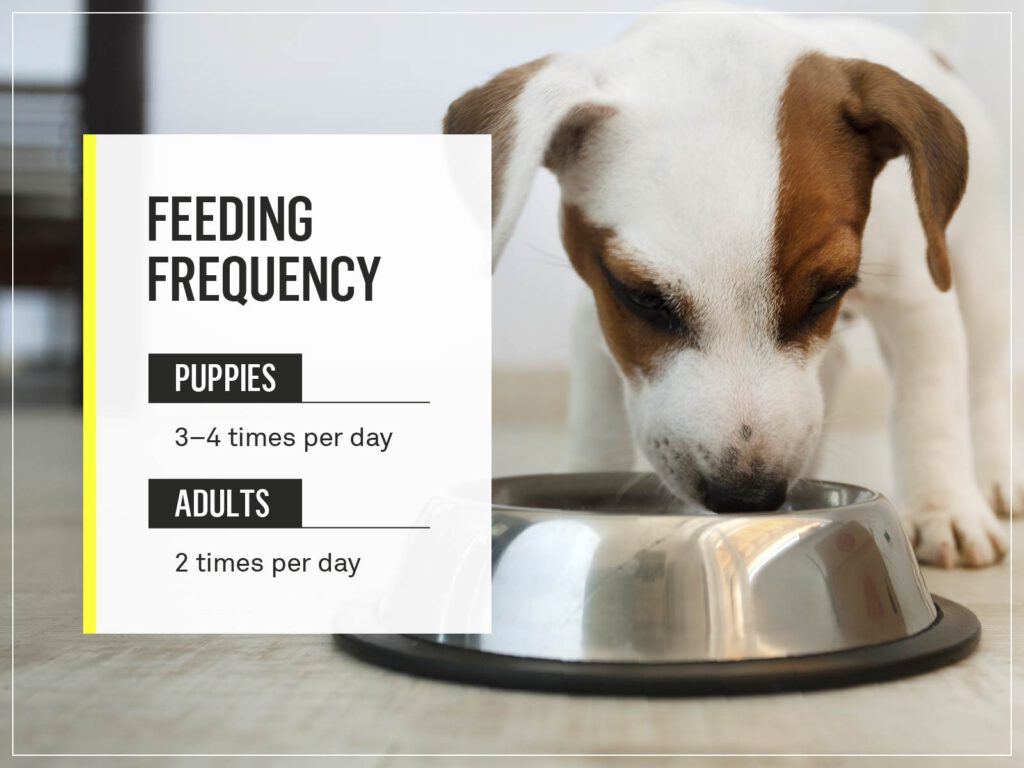
Credit: www.gallant.com
Differences Between Puppy And Adult Food
Understanding the differences between puppy and adult dog food helps you choose the best diet for your pet. Puppies need special nutrition for their fast growth and energy. Adult dogs require food that supports maintenance and health. Feeding the right food at the right age is important for your dog’s well-being.
Nutritional Needs
Puppy food contains more protein to build muscles and tissues. It has extra vitamins and minerals to support bone growth. Adult dog food has balanced nutrients to keep dogs healthy. The focus shifts from growth to maintaining body functions.
Calorie Content
Puppies burn more energy and need higher calories per meal. Their food is richer to fuel active play and development. Adult dog food has fewer calories to prevent weight gain. It helps maintain a healthy weight and energy level.
Ingredient Variations
Puppy food uses softer ingredients for easy chewing and digestion. It often contains DHA for brain and eye development. Adult dog food has ingredients that support joint health and digestion. The formulas help keep adult dogs fit and comfortable.
Steps For A Smooth Transition
Switching your dog to adult food needs care. A smooth change helps avoid stomach problems. Follow these steps for a gentle transition. Your dog will enjoy the new food without stress.
Gradual Food Mixing
Start by mixing a small amount of adult food with puppy food. Increase the adult food bit by bit every day. This slow change helps your dog’s stomach adjust. Avoid sudden changes to prevent upset tummies.
Monitoring Digestive Health
Watch your dog’s stool and digestion closely. Check for signs like diarrhea or vomiting. These signs mean the food change is too fast. If problems appear, slow down the switch. Healthy digestion shows the new food suits your dog.
Adjusting Portion Sizes
Adult dogs need different food amounts than puppies. Adjust the portion based on your dog’s size and activity. Too much food can cause weight gain. Too little food can lead to hunger and low energy. Find the right balance for your dog’s health.
Common Mistakes To Avoid
Choosing the right time to switch your dog to adult food is important. Many dog owners make common mistakes that can affect their pet’s health. Avoiding these errors helps your dog grow strong and stay healthy.
Switching Too Early Or Late
Changing your dog’s food too soon can cause stomach problems. Their body may not be ready for adult food yet. Waiting too long also harms their growth. Puppies need special nutrients that adult food lacks. Follow vet advice to find the best time to switch.
Ignoring Breed-specific Needs
Different breeds grow at different rates. Large breeds need longer puppy food periods than small breeds. Ignoring these needs can cause joint and bone issues. Choose food made for your dog’s breed size. It supports healthy development and energy levels.
Overfeeding During Transition
Switching food means your dog’s diet changes. Overfeeding can cause weight gain and digestion issues. Gradually mix adult food with puppy food over several days. This helps your dog’s stomach adjust without stress. Monitor portion sizes carefully during this time.
Special Considerations
Choosing the right time to switch your dog to adult food depends on many factors. Dogs grow at different speeds. Their size and health play big roles. Special care is needed for certain breeds and conditions. This guide helps you understand these important points.
Large And Giant Breeds
Large and giant dogs grow slower than small dogs. They need puppy food longer to support healthy bone growth. Switching to adult food too soon can cause joint problems. Usually, they change to adult food around 12 to 18 months old. Consult your vet for the best time. Their diet should have balanced calcium and phosphorus levels.
Small Breeds
Small breed dogs grow faster than large breeds. They often switch to adult food by 9 to 12 months old. Their metabolism is faster, so they need food rich in calories. Small breeds benefit from smaller kibble size for easy chewing. Make sure the food supports their high energy needs.
Dogs With Health Issues
Health problems affect when to change dog food. Dogs with allergies may need special diets all life. Dogs with weight problems might need adult food sooner or later. Some dogs require veterinary diets for conditions like kidney disease. Always follow your vet’s advice for these dogs. Their health can improve with the right nutrition.

Credit: www.purina.com
Benefits Of Proper Transition
Switching your dog to adult food at the right time has many benefits. It helps your dog stay healthy and active. A proper transition supports their body needs as they grow. This change also prevents health problems linked to wrong food choices. Your dog feels better with food made for their age and size. The right diet helps your dog live a happy life for many years.
Maintaining Healthy Weight
Adult dog food has the right balance of nutrients. It helps keep your dog’s weight in check. Overweight dogs can face health issues like diabetes. Underweight dogs might lack energy and strength. Proper food supports a healthy weight for your dog. This keeps your dog feeling good and moving well.
Supporting Joint Health
Adult food often includes ingredients that protect joints. Dogs need strong joints to run and play. Puppies have different needs than adult dogs in this area. The right food helps reduce joint pain as dogs age. It supports flexible and healthy joints for daily activity.
Promoting Longevity
Good nutrition helps dogs live longer lives. Adult dog food provides vitamins and minerals for strong immunity. It reduces risks of diseases linked to poor diet. Healthy food supports organs like the heart and kidneys. Feeding the right food helps your dog enjoy more years with you.
Credit: www.purina.com
Frequently Asked Questions
When Should I Switch My Puppy To Adult Dog Food?
Most dogs transition to adult food between 12-18 months. Small breeds mature by 12 months, large breeds by 18 months. Consult your vet for breed-specific advice to ensure proper nutrition during growth.
How Do I Know If My Dog Needs Adult Food?
Signs include slowed growth, stable weight, and reduced energy needs. Puppies require more calories, while adults need balanced maintenance nutrition. Observing these changes helps decide when to switch foods.
Can Feeding Adult Food Too Early Harm My Puppy?
Yes, early adult food may lack essential nutrients for growth. Puppies need higher protein and fat for development. Feeding adult food too soon can cause nutritional deficiencies and stunted growth.
What Are The Benefits Of Adult Dog Food?
Adult dog food supports maintenance of healthy weight and energy. It contains balanced nutrients tailored for adult metabolism. This helps prevent obesity and promotes overall wellness in mature dogs.
Conclusion
Dogs need the right food at the right time. Most dogs switch to adult food between one and two years old. Watch your dog’s size, energy, and health to decide. Changing food too early or too late can cause problems.
Talk to your vet for advice tailored to your dog. Good nutrition helps your dog stay happy and strong. Feeding adult food at the right age supports their growth and health. Careful choices make a big difference in your dog’s life.