

If you have an 8-month-old dog, you might be wondering if it’s time to switch from puppy food to adult dog food. You want to make sure your furry friend gets the right nutrition to grow strong and stay healthy.
But is adult dog food really the best choice for your 8-month-old? Making the wrong decision could affect your dog’s health and energy. Keep reading to discover what experts say about feeding your dog at this important stage and how to choose the perfect food that fits your pet’s needs.
Your dog’s well-being depends on it!
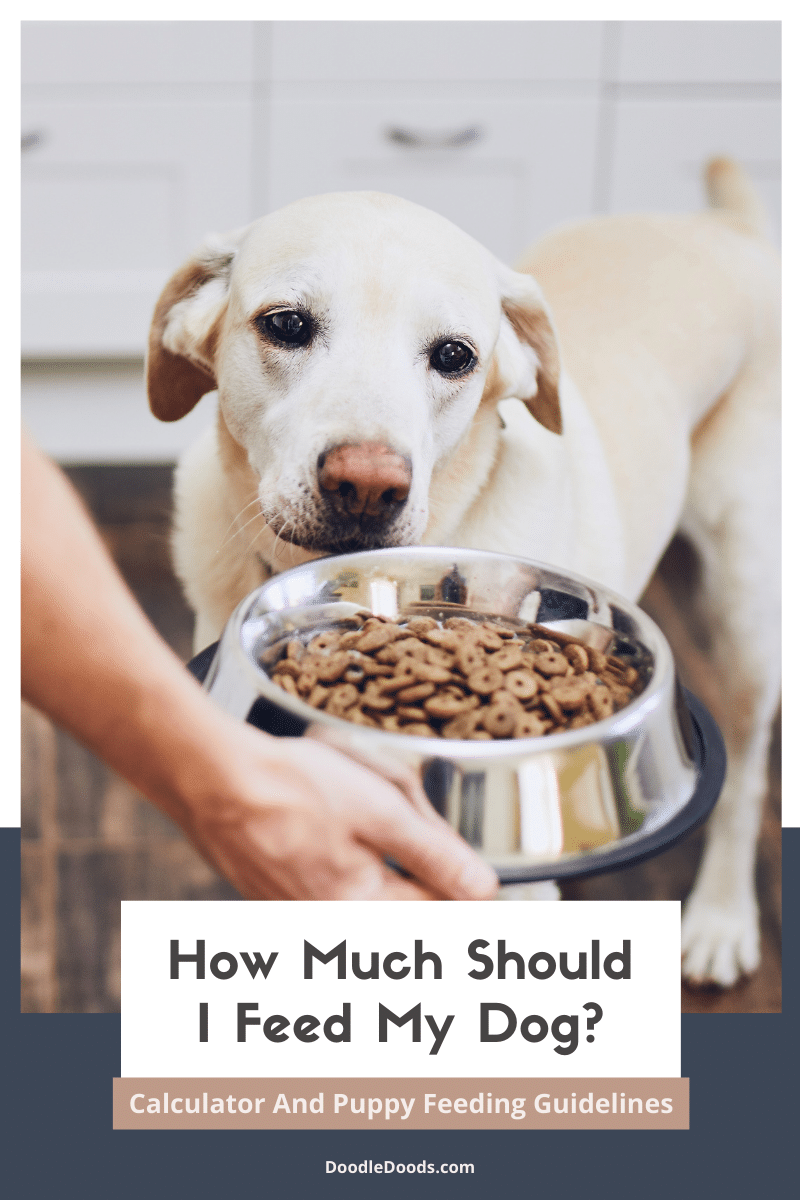
Credit: doodledoods.com
When To Switch To Adult Dog Food
Knowing the right time to switch your dog from puppy to adult food is important. This change affects your dog’s health and growth. Feeding adult food too early or too late can cause problems. Understanding key signs and factors helps make the switch at the best time.
Age And Development Milestones
Puppies grow fast. By eight months, many dogs start slowing their growth. Most dogs are ready for adult food between 9 and 12 months. Some breeds mature faster, others slower. Watch your dog’s behavior and energy. If your dog looks less like a puppy, it may be time to switch.
Growth plates in bones close as dogs mature. This usually happens by one year. After this, adult food supports maintenance, not growth. Switching at the right age helps avoid nutrition gaps or excesses.
Breed And Size Considerations
Breed size matters a lot. Small breeds grow faster and mature earlier. They often switch to adult food around 9 months. Large and giant breeds take longer to grow. They may need puppy food for 12 to 18 months. Their bones and joints need extra support during this time.
Check your dog’s breed needs. Large breeds need food with specific nutrients. This helps prevent growth problems. Feeding adult food too soon can cause health issues in big dogs. Tailor the switch to your dog’s size and breed.
Differences Between Puppy And Adult Food
Puppy food and adult dog food serve different purposes. Puppies grow fast and need more nutrients. Adult dogs need balanced food to maintain health. Knowing these differences helps choose the right diet.
Switching from puppy to adult food too early or late can affect your dog’s health. Understanding the key differences guides better feeding choices.
Nutritional Needs
Puppies need more protein and fat. These nutrients support muscle and brain growth. Adult dogs need less protein but more fiber for digestion. Vitamins and minerals also vary in amount.
Calorie Content
Puppy food has higher calories to fuel growth. Adult food contains fewer calories to prevent weight gain. Feeding adult food to a puppy may not provide enough energy.
Ingredient Variations
Puppy food often contains ingredients that promote development. Adult food focuses on ingredients for joint health and skin care. The ingredient list changes to suit each life stage.
Signs Your Dog Is Ready For Adult Food
Knowing when to switch your dog to adult food is important for their health. Puppies grow fast, and their diet needs to keep up. Watch for signs that show your dog is ready. These signs can be behavioral or physical. They help you decide the right time to change the food.
Changing food too soon or too late can cause problems. Adult food has different nutrients than puppy food. It supports a mature dog’s body and energy needs. Here are some clear signs your dog is ready for adult food.
Behavioral Changes
Your dog may act less playful than before. Puppies are very active, but adults have calmer energy. If your dog shows less hyperactivity, it may be time to switch food. Also, notice if your dog seems less hungry or eats slower. Adult dogs often eat smaller meals less often.
Changes in appetite or energy levels can signal maturity. Your dog may also start to focus more and listen better. These behavior changes show growth and readiness for adult food.
Physical Indicators
Look at your dog’s size and weight. At eight months, many dogs reach about 75% of their adult size. Their bones and muscles are stronger now. Teeth also change, from baby teeth to adult teeth. These physical signs show your dog is growing up.
Coat texture may become thicker and shinier. Your dog’s body shape will look more like an adult dog. If your dog has these changes, adult food will better support their needs. Check with your vet to confirm your dog’s growth stage before switching food.
Safe Transition Methods
Changing your 8-month-old dog’s food to adult dog food needs care. Sudden changes may upset their stomach. Safe transition methods help your dog adjust smoothly. These methods protect your dog’s health and keep them happy.
Gradual Mixing Techniques
Start by mixing a small amount of adult food with puppy food. Try 25% adult food and 75% puppy food for a few days. Slowly increase the adult food portion every 3 to 4 days. By two weeks, your dog should eat only adult food. This slow change helps the digestive system adapt well.
Monitoring Your Dog’s Reaction
Watch for signs like vomiting, diarrhea, or loss of appetite. These may mean the food change is too fast or not right. Check your dog’s energy and mood daily. If problems appear, slow down the transition or consult a vet. Careful monitoring keeps your dog safe and healthy.
Common Challenges During Transition
Switching an 8-month-old dog from puppy food to adult food can bring challenges. This change can affect your dog’s health and eating habits. Knowing common issues helps you handle the transition smoothly. Watch for signs that need quick attention.
Digestive Upset
Dogs may have stomach pain or diarrhea during the switch. Their digestive system needs time to adjust to new food. Start by mixing a small amount of adult food with puppy food. Gradually increase adult food over several days. This method reduces the chance of upset stomach.
Food Refusal
Some dogs refuse to eat adult food at first. The taste or texture may seem different to them. Be patient and offer the new food alongside the old one. Try warming the food slightly to bring out flavors. Keep mealtime calm and consistent to encourage eating.
Allergic Reactions
Adult food may contain ingredients that cause allergies. Watch for itching, redness, or swelling on your dog. Sneezing or digestive problems can also appear. If you notice these signs, stop the new food immediately. Consult your vet to find a safe alternative.

Credit: www.reddit.com
Expert Tips For Choosing Adult Dog Food
Choosing the right adult dog food for your 8-month-old pup is important. The change from puppy to adult food needs care. Experts suggest checking a few key points before switching. This helps keep your dog healthy and happy.
Here are some expert tips to help you pick the best adult dog food for your growing pet.
Reading Labels
Always read the food label carefully. Look for high-quality protein as the first ingredient. Avoid foods with too many fillers like corn or wheat. Check for balanced vitamins and minerals. This supports your dog’s health and energy.
Check the calorie count to match your dog’s activity level. Make sure the food meets AAFCO standards. This means it is nutritionally complete and safe.
Consulting Your Veterinarian
Talk to your vet before changing your dog’s food. They know your dog’s health history. Your vet can suggest the best food type and brand. They may recommend a gradual switch to avoid stomach upset.
Veterinarians can also spot early signs of allergies or intolerance. This advice keeps your dog safe during the food change.
Considering Special Dietary Needs
Some dogs need special diets due to health problems. Check if your dog has allergies or a sensitive stomach. Some adult foods are made for these needs.
Weight management formulas help if your dog is overweight. Senior blends support aging dogs with joint care. Tailor the food choice to your dog’s unique needs for best results.
Maintaining Optimal Health After Transition
Switching an 8-month-old dog to adult food is a key step. It supports growth and helps maintain health. After this change, focus on keeping your dog healthy and strong.
Good care means more than just food. It includes regular vet visits and a balanced lifestyle. These habits help your dog live a happy life.
Regular Vet Checkups
Visit the vet regularly to track your dog’s health. Vets can spot issues early and give advice. Vaccinations, weight checks, and dental care are important. Keep a schedule to avoid missing any visits. These checkups ensure your dog stays in top shape.
Balanced Diet And Exercise
Feed your dog a balanced diet with the right nutrients. Adult dog food usually fits well after 8 months. Exercise keeps muscles strong and helps digestion. Walks, playtime, and simple training are good activities. Combine food and exercise for a healthy, happy dog.

Credit: www.poochandmutt.co.uk
Frequently Asked Questions
Can An 8-month-old Dog Eat Adult Dog Food?
Yes, an 8-month-old dog can start eating adult dog food. Transition gradually to avoid digestive upset. Ensure the food meets their nutritional needs for growth and activity levels.
When Should Puppies Switch To Adult Dog Food?
Puppies typically switch to adult dog food between 8 to 12 months. The exact time depends on breed size and development. Consult your vet for personalized advice.
Is Adult Dog Food Safe For Growing Puppies?
Adult dog food is generally safe for older puppies but may lack essential nutrients. Puppies need higher protein and fat for growth. Use puppy-formulated food until your vet advises a switch.
How To Transition An 8-month Puppy To Adult Food?
Mix adult food with puppy food gradually over 7-10 days. Increase adult food portion daily while decreasing puppy food. This helps prevent digestive issues and ensures smooth adjustment.
Conclusion
Feeding an 8-month-old dog adult food depends on their growth and health. Puppies need extra nutrients to stay strong and active. Some dogs can switch to adult food at this age if they are large breeds or growing slower. Always check with your vet before changing your dog’s diet.
Watch for changes in energy, weight, and digestion. Proper food helps your dog stay happy and healthy. The right choice supports their development during this important stage. Keep your dog’s needs in mind for the best feeding plan.


