

Are you wondering when your puppy is ready to switch from puppy food to adult dog food? This change is important for your dog’s health and growth.
Feed them too early, and they might miss out on key nutrients. Wait too long, and they could gain unwanted weight or miss vital energy. You’ll discover the right age to make the switch, signs to watch for, and how to do it smoothly.
Keep reading to make sure your furry friend gets the best nutrition at every stage.
Puppy Nutritional Needs
Puppies need food that supports fast growth and strong health. Their bodies use more energy than adult dogs. Good nutrition helps build bones, muscles, and a strong immune system. Feeding the right food keeps puppies active and happy.
Adult dog food does not meet these special needs. Puppies require more protein, fat, and vitamins. Their food must also be easy to digest and full of nutrients. Knowing what makes puppy food different helps you give the best care.
Key Nutrients For Growth
Protein is essential for building muscles and tissues. Fat provides energy for active puppies. Calcium and phosphorus help develop strong bones and teeth. Vitamins like A, D, and E support eyesight and immune health. DHA, a type of fat, aids brain and eye development. These nutrients work together to keep puppies growing well.
Differences Between Puppy And Adult Food
Puppy food has more protein and fat than adult food. It contains extra calories to support growth. The size of the kibble is smaller for easy chewing. Puppy food includes nutrients like DHA and more vitamins. Adult food has fewer calories and less fat. Feeding adult food too early can slow a puppy’s growth. Choosing the right food helps puppies stay healthy and strong.
When To Switch To Adult Food
Knowing the right time to switch your puppy to adult dog food helps support healthy growth. Puppies need extra nutrients for strong bones and muscles. Adult dog food has a different balance of nutrients made for grown dogs. Feeding adult food too early can cause health problems. Feeding puppy food too long can lead to weight gain. Watch your puppy’s age and breed to decide the best time to change foods.
Typical Age For Transition
Most puppies switch to adult food between 9 and 12 months old. Small breeds often change closer to 9 months. Large breeds may need puppy food longer, up to 12 months or more. This is because large dogs take longer to finish growing. Check with your vet for the best time for your puppy.
Breed And Size Considerations
Breed size affects how fast a puppy grows. Small breeds grow quickly and mature by about 9 months. Medium breeds finish growing around 12 months. Large and giant breeds can take 18 to 24 months to mature. Use breed size as a guide to choose the right food. Feeding large breeds adult food too soon can harm their development.
Signs Your Puppy Is Ready
Knowing when your puppy is ready to eat adult dog food is important. Puppies grow fast, and their diet needs change. Watch for signs that show your puppy can handle adult food. These signs help avoid health problems and keep your dog strong.
Behavioral Changes
Your puppy may act differently as it grows. It might eat less often but want more food each time. Puppies start chewing on harder things, showing stronger teeth. They may seem less playful and more focused on eating. These changes show their body needs more energy and tougher food.
Physical Development Indicators
Look at your puppy’s size and teeth. When teeth are fully grown, it can eat solid food. Weight gain and muscle growth show it needs more nutrients. The puppy’s coat may look shinier and skin healthier. Strong bones and steady growth mean the puppy is ready for adult food.
Credit: www.gallant.com
How To Transition Safely
Switching a puppy to adult dog food requires care. Sudden changes can upset their stomach. A smooth transition helps your puppy adjust well. It keeps their digestion steady and avoids discomfort.
Gradual Food Mixing
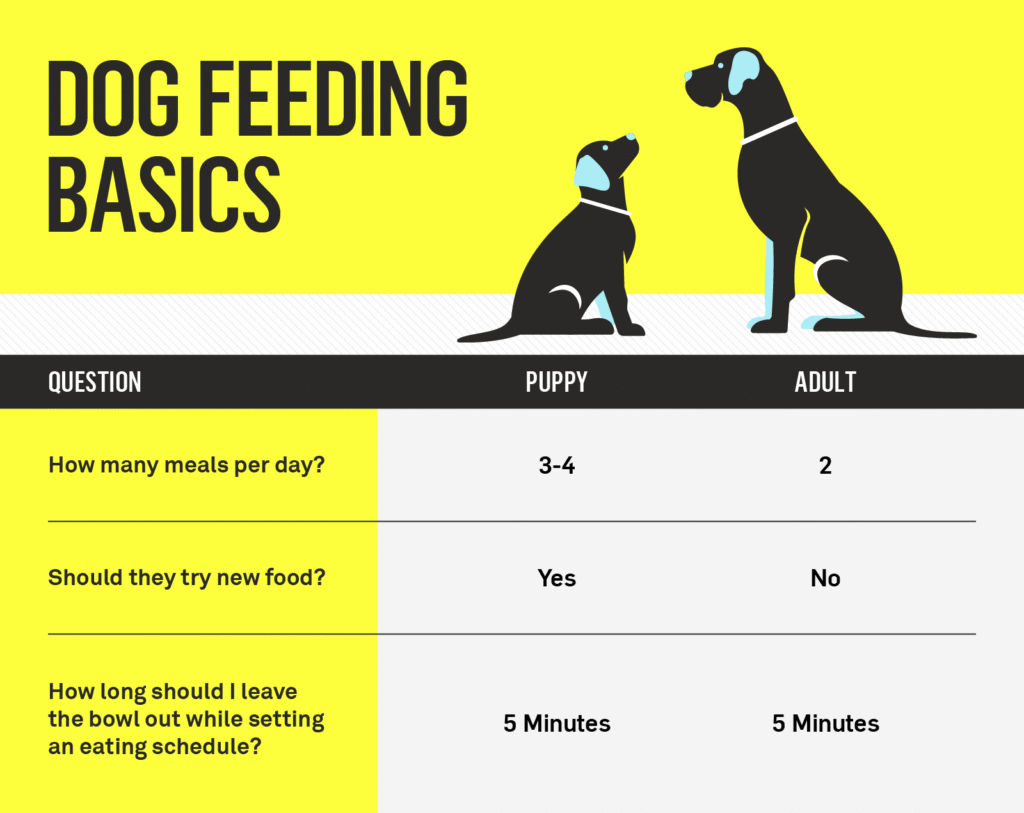
Start by mixing a small amount of adult food with puppy food. Increase the adult food slowly over 7 to 10 days. This helps your puppy get used to new flavors and nutrients. Keep the total food amount the same. Avoid feeding too much or too little during this time.
Monitoring For Digestive Issues
Watch your puppy’s stool closely. Soft stools or diarrhea may mean the change is too fast. Also, look for vomiting or less appetite. If problems appear, slow down the transition. Give your puppy extra water and rest. Consult your vet if issues last more than a few days.
Risks Of Early Or Late Switching
Switching a puppy to adult dog food too early or too late can cause health issues. Puppies need special nutrients for their growth. Adult food lacks some of these essential nutrients. Feeding adult food too soon can harm a puppy’s development. Waiting too long can also cause problems. Understanding the risks helps ensure your puppy stays healthy and happy.
Potential Health Problems
Puppies need more protein and fat than adult dogs. Adult dog food may not provide enough of these nutrients. Early switching can lead to weak muscles and low energy. It may also cause digestive issues like diarrhea. Late switching can make your dog overweight. Overweight dogs can develop joint pain and heart problems. Both early and late changes can upset your puppy’s stomach. This can cause vomiting or discomfort. Keeping the right diet protects your puppy’s health.
Impact On Growth And Weight
Puppies grow fast and need balanced nutrition. Feeding adult food too early slows their growth. They may not reach their full size. Puppies eating adult food may miss vitamins and minerals. Late switching can lead to weight gain. Extra weight stresses bones and joints. It may cause long-term health issues. Proper timing helps maintain healthy growth and weight. Adjust the diet as your puppy changes. This supports strong bones, muscles, and a healthy body.
Expert Tips For Feeding
Feeding a puppy adult dog food requires care and attention. Experts offer tips to make this transition smooth and healthy. Proper feeding supports growth and overall well-being. Understanding how to choose food and adjust feeding routines is key. This section shares expert advice to help you feed your puppy right.
Choosing Quality Adult Food
Select adult dog food with balanced nutrients. Check labels for protein, fat, and vitamins. Avoid foods with fillers and artificial additives. Opt for brands with good reviews and trusted ingredients. High-quality food supports your dog’s energy and health.
Feeding Schedule Adjustments
Change your puppy’s feeding schedule gradually. Start by mixing adult food with puppy food. Slowly increase the amount of adult food over weeks. Feed smaller, more frequent meals at first. Watch your dog’s response and adjust portions accordingly.
Special Cases
Some puppies need special care when switching to adult dog food. Their health or growth may require a different feeding plan. These special cases need extra attention to keep puppies safe and healthy.
Puppies With Health Conditions
Puppies with health issues may need a special diet. Conditions like allergies, digestive problems, or growth delays affect their food choice. Adult dog food might be too rich or lacking in needed nutrients. Their food must support healing and proper growth. Monitor their reaction to new food carefully. Adjust the diet based on their health needs and vet advice.
Consulting Your Veterinarian
Your veterinarian is the best guide for feeding changes. They know your puppy’s health history and needs. Ask about the right age to switch food. Share any concerns about your puppy’s health or diet. The vet may suggest special formulas or supplements. Follow their instructions closely for the best results. Regular check-ups help track your puppy’s progress.
Credit: www.acanapetfoods.co.uk
Credit: www.purina.com
Frequently Asked Questions
When Can A Puppy Start Eating Adult Dog Food?
Puppies can begin eating adult dog food around 12 months old. Large breeds may need adult food closer to 18 months. Transition gradually to avoid digestive issues. Consult your vet for breed-specific advice.
Why Not Feed Adult Food To Puppies Early?
Adult food lacks the extra nutrients puppies need for growth. It has lower protein and fat levels. Feeding adult food early can stunt development. Always choose food formulated for puppies during their growth stage.
How To Transition A Puppy To Adult Dog Food?
Start mixing adult food with puppy food gradually over 7-10 days. Increase adult food portion while reducing puppy food. Monitor your puppy’s digestion and energy levels. Slow transition helps prevent stomach upset.
Can Feeding Adult Dog Food Affect Puppy Health?
Yes, feeding adult food too early may cause nutrient deficiencies. Puppies need higher calories and nutrients for healthy growth. Inappropriate food can lead to weak bones or poor coat condition. Proper diet is essential for puppy development.
Conclusion
Puppies need special food to grow strong and healthy. Most puppies can start eating adult dog food around one year old. Watch your puppy’s size and energy to know the right time. Changing food too early can upset their stomach.
Always mix new food slowly with old food. Good nutrition helps your dog live a long, happy life. Keep checking with your vet for the best advice. Feeding your puppy well today means a healthier dog tomorrow. Simple steps make a big difference.


