

Are you curious if your dog can safely enjoy nutritional yeast? You’ve probably heard about its health benefits for humans, but what about your furry friend?
Before you sprinkle that golden powder on your dog’s food, it’s important to know the facts. This article will clear up any confusion, so you can make the best choice for your dog’s health and happiness. Keep reading to find out if nutritional yeast is a good addition to your pet’s diet.

Credit: www.nextritionpet.com
Nutritional Yeast Basics
Nutritional yeast is a popular ingredient in many kitchens today. It has a unique taste and offers many health benefits. People often wonder about its safety and benefits for dogs. Understanding the basics helps make better choices for your pet’s diet.
This section explains what nutritional yeast is and how humans use it. Knowing these facts gives insight into its role in dog nutrition.
What Is Nutritional Yeast
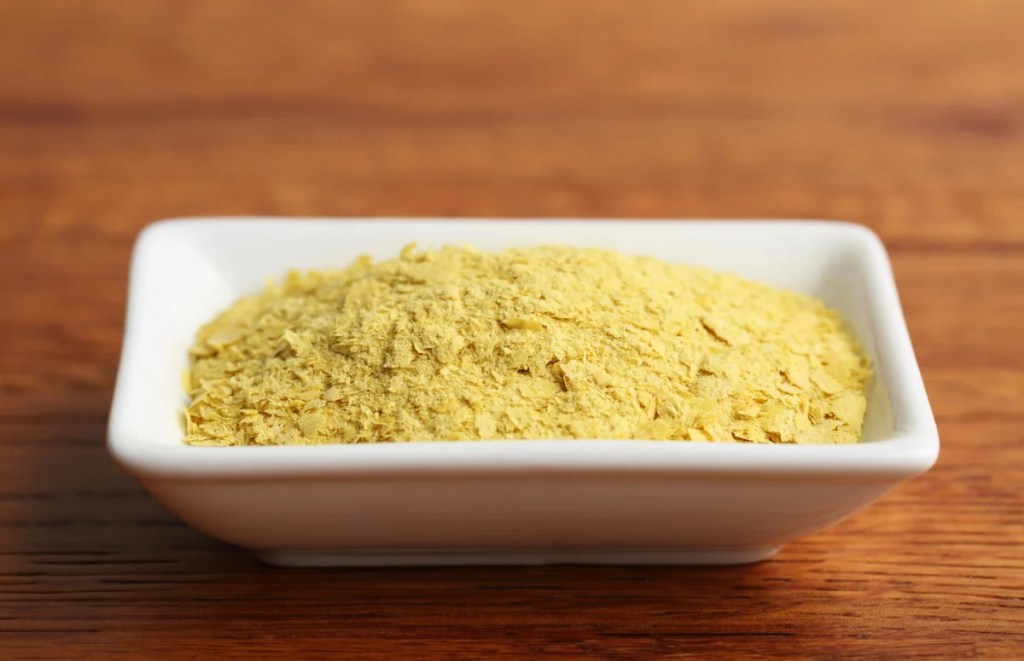
Nutritional yeast is a type of deactivated yeast. It is grown on sugar-rich mediums like molasses. After harvesting, it is washed and dried. It looks like yellow flakes or powder. It has a cheesy, nutty flavor. It is rich in B vitamins, protein, and fiber. It contains no live yeast, so it won’t ferment in the gut.
Common Uses In Human Diets
People use nutritional yeast as a seasoning or supplement. It often replaces cheese in vegan recipes. It adds flavor to popcorn, pasta, and salads. Many use it to boost their intake of vitamins. It is popular among vegetarians and vegans for its nutrient content. It also supports immune health and digestion.
Is Nutritional Yeast Safe For Dogs
Nutritional yeast is a popular supplement for humans. Many pet owners wonder if dogs can safely eat it. This question is important because dogs have different dietary needs. Understanding safety helps keep pets healthy and happy.
Potential Benefits For Dogs
Nutritional yeast contains vitamins like B-complex. These vitamins support energy and healthy skin. It also has protein and fiber, which aid digestion. Some dogs enjoy the cheesy flavor. This makes it easy to add to meals.
It may boost the immune system. The antioxidants in nutritional yeast help protect cells. It can also improve coat shine and reduce shedding. Many dog owners use it as a natural supplement.
Possible Side Effects
Some dogs may have allergies to yeast. Watch for itching, redness, or stomach upset. Too much nutritional yeast can cause digestive problems. Gas and diarrhea are common signs of overfeeding.
Dogs with certain health issues should avoid it. Dogs with yeast infections or weakened immune systems need care. Always introduce nutritional yeast slowly and in small amounts. Consult a vet before adding it to your dog’s diet.
Health Benefits Of Nutritional Yeast For Dogs
Nutritional yeast is a popular supplement for dogs. It contains many vitamins and minerals that support overall health. This natural ingredient can help dogs in several important ways. Adding it to your dog’s diet may improve their well-being.
Here are some key health benefits of nutritional yeast for dogs. Each benefit targets a different part of your dog’s health.
Boosting Immune System
Nutritional yeast is rich in beta-glucans. These compounds help strengthen the immune system. A stronger immune system means your dog can fight infections better. It supports white blood cells that protect against illness. Regular intake may reduce the risk of common diseases.
Enhancing Skin And Coat Health
The B vitamins in nutritional yeast improve skin health. They reduce itching and dryness. Healthy skin leads to a shiny, soft coat. Nutritional yeast also contains zinc, which helps heal skin wounds. Dogs with dull coats can benefit from this natural boost.
Supporting Digestive Health
Nutritional yeast acts as a natural prebiotic. It feeds good bacteria in the gut. A balanced gut flora improves digestion and nutrient absorption. Better digestion means less gas and bloating. This can help dogs with sensitive stomachs feel more comfortable.
Risks And Precautions
Nutritional yeast can offer benefits to dogs, but it also comes with risks. Understanding these risks helps keep your pet safe. Always watch your dog closely after introducing any new food.
Some dogs may react badly to nutritional yeast. Careful observation is important to catch any problems early. Knowing the possible issues helps you decide if nutritional yeast is right for your dog.
Allergic Reactions
Some dogs may have allergies to nutritional yeast. Signs include itching, swelling, or redness. Watch for vomiting or diarrhea too. Allergies can be mild or serious. Stop giving yeast if you see any symptoms. Contact a vet if your dog has a bad reaction.
Overconsumption Concerns
Too much nutritional yeast can cause problems. It may lead to upset stomach or gas. Large amounts can cause high levels of certain vitamins. Excess vitamins can harm your dog’s health. Use small amounts and avoid daily use. Moderation is key to safe feeding.
Interactions With Medications
Nutritional yeast may interact with some medicines. It can affect drugs for blood pressure or depression. Talk to your vet before adding yeast to your dog’s diet. This helps avoid unwanted side effects. Always inform your vet about all supplements your dog takes.
How To Safely Introduce Nutritional Yeast To Dogs
Introducing nutritional yeast to dogs requires care and attention. This supplement can offer many benefits but must be given correctly. Start slowly and watch your dog’s response closely. Small steps help your dog adjust to new tastes and avoid stomach upset.
Recommended Dosage
Begin with a small amount, like 1/4 teaspoon for small dogs. Larger dogs can start with 1/2 teaspoon daily. Observe your dog for a few days. Increase the dose slowly if no problems appear. Do not exceed 1 teaspoon per 10 pounds of body weight.
Best Forms To Use
Choose plain, unsalted nutritional yeast flakes or powder. Avoid products with added flavors or preservatives. Powder blends easily into food and mixes well. Flakes offer a crunchy texture some dogs enjoy. Always check the label for safe ingredients.
Signs To Monitor
Watch for vomiting, diarrhea, or itching. Loss of appetite or unusual behavior also signals issues. Stop feeding nutritional yeast if any symptoms occur. Consult your vet for advice before restarting. Early detection keeps your dog safe and healthy.
Credit: dogtime.com
Alternatives To Nutritional Yeast
Nutritional yeast offers many benefits for dogs, but some pet owners seek alternatives. These options can provide similar nutrients and support your dog’s health. Choosing the right alternative depends on your dog’s needs and preferences.
Other Supplements For Dogs
Fish oil is a popular supplement rich in omega-3 fatty acids. It helps with skin health and joint support. Probiotics improve digestion and boost the immune system. Vitamin B-complex supplements provide essential vitamins similar to those in nutritional yeast. These supplements come in various forms, like powders and capsules, making them easy to add to meals.
Natural Food Sources
Eggs are a great natural source of protein and B vitamins. Lean meats like chicken and turkey also offer valuable nutrients. Vegetables such as sweet potatoes and spinach contain fiber and vitamins important for dogs. Including these foods in your dog’s diet helps provide a balanced and nutritious meal. Fresh, whole foods often work well alongside or instead of supplements.

Credit: www.amazon.com
Frequently Asked Questions
Can Dogs Safely Eat Nutritional Yeast?
Yes, dogs can safely eat nutritional yeast in moderation. It is a natural supplement rich in vitamins and protein. Always introduce it gradually and monitor for any allergies or digestive issues.
What Are The Benefits Of Nutritional Yeast For Dogs?
Nutritional yeast boosts dogs’ immune systems and improves coat health. It provides B vitamins, antioxidants, and protein, supporting overall wellness and energy levels.
How Much Nutritional Yeast Should I Give My Dog?
Start with a small amount, like half a teaspoon daily for small dogs. Larger dogs can have up to one teaspoon. Always consult your vet before adding it regularly.
Can Nutritional Yeast Cause Allergies In Dogs?
Some dogs may be allergic to nutritional yeast, causing itching or digestive upset. Watch for symptoms and discontinue use if any allergic reactions appear.
Conclusion
Nutritional yeast can be safe for dogs in small amounts. It offers vitamins and a cheesy flavor dogs may enjoy. Watch for any signs of allergies or stomach upset. Always choose plain, unsalted nutritional yeast without additives. Consult your vet before adding new foods to your dog’s diet.
Feeding with care keeps your dog healthy and happy. A little nutritional yeast can be a tasty treat. Just remember: moderation is key for your furry friend’s well-being.


