

Have you ever noticed your dog doing something that just doesn’t make sense? Maybe they’re suddenly chasing their tail nonstop or barking at nothing you can see.
These unusual dog behaviors can be puzzling and even a little worrying. But understanding why your furry friend acts this way can help you connect with them on a deeper level. Keep reading to discover the surprising reasons behind these odd actions and learn how to respond in a way that keeps your dog happy and healthy.
Your dog’s next quirky move might just have a simple explanation you wouldn’t expect!

Credit: www.newsweek.com
Changes In Eating Habits
Changes in eating habits can signal unusual dog behavior. Dogs usually have regular eating patterns. Sudden shifts may indicate health problems or stress. Watching these changes helps in early detection of issues. It is important to observe closely and act accordingly.
Sudden Loss Of Appetite
A dog refusing food is a clear warning sign. It may lose interest in favorite treats or meals. Causes vary from minor illness to serious conditions. Stress, pain, or dental problems can reduce appetite. Persistent refusal needs a visit to the vet. Early care can prevent worsening health.
Excessive Thirst Or Hunger
Drinking or eating much more than usual is unusual. It can indicate diabetes or kidney problems. Some dogs eat more due to parasites or hormone issues. Increased thirst often accompanies increased hunger in these cases. Monitoring these signs helps catch health problems early. Veterinary advice is crucial to diagnose the cause.
Unexplained Aggression
Unexplained aggression in dogs can be confusing and worrying. A dog may act suddenly aggressive without clear reason. This behavior puzzles many owners and can create unsafe situations.
Understanding signs of aggression helps manage and reduce risks. Sometimes, aggression shows as growling or biting without obvious triggers. Knowing these signs helps keep both dog and people safe.
Growling Without Cause
Growling is a clear warning sign from a dog. It tells others to stay away. Sometimes dogs growl without clear reasons. This can happen even if they seem calm before.
Unexplained growling may come from fear or pain. It can also be a way to protect their space. Watch your dog closely if growling starts without cause. This helps catch problems early.
Biting Or Snapping
Biting or snapping is a serious form of aggression. Dogs may bite suddenly without clear warning. This can surprise owners and others around.
Unexplained biting often signals stress or discomfort. It can happen if a dog feels trapped or scared. Pay attention to body language before biting occurs. Early signs include stiff posture or intense staring.
Excessive Licking Or Chewing
Excessive licking or chewing is a common behavior in dogs that often puzzles owners. It can appear harmless but may signal deeper issues. Dogs might lick or chew themselves for comfort or to relieve stress. Sometimes, this behavior becomes repetitive and hard to control.
Understanding why your dog licks or chews excessively is important. It helps identify if the cause is physical or emotional. This behavior can affect your dog’s health and happiness if left unchecked.
Obsessive Grooming
Obsessive grooming happens when dogs lick or chew their fur too much. It starts as normal cleaning but becomes an urge they cannot stop. This behavior often points to anxiety or boredom. Stressful environments can trigger obsessive grooming in dogs. Some dogs use licking to calm themselves down.
Obsessive grooming can lead to hair loss and skin irritation. It might also cause redness and swelling on the skin. Pay attention to signs of obsessive grooming to protect your dog’s skin.
Self-inflicted Injuries
Excessive licking or chewing can cause wounds on your dog’s body. Dogs may damage their skin by biting or chewing too hard. These injuries can become infected if not treated. Self-inflicted injuries often result from pain, allergies, or stress.
Look for sores, scabs, or bleeding on your dog’s skin. These signs show your dog needs help. Treating the cause of licking can prevent further harm. Regular vet check-ups can find the root problem early.

Credit: www.youtube.com
Unusual Vocalizations
Dogs use sounds to share feelings and thoughts. Some sounds are usual, like barking or growling. Others can seem strange or unusual. These unusual vocalizations might surprise or confuse owners. Understanding these sounds helps you know your dog better.
Whining Or Howling
Whining often shows a dog wants attention or feels stressed. It can mean discomfort or hunger. Howling is an old way dogs call to others. Some dogs howl when they hear sirens or music. It can also mean loneliness or anxiety. Listen closely to the tone and situation of these sounds.
Sudden Barking Spells
Sudden barking spells are bursts of barking without clear cause. They might happen if a dog hears strange noises. Sometimes, dogs bark at shadows or reflections. This behavior can also show excitement or fear. Watching what triggers these spells helps manage them better.
Changes In Activity Levels
Changes in a dog’s activity levels can signal important shifts in health or mood. These changes might be sudden or develop slowly. Noticing these differences helps you understand your dog’s needs better. Activity changes often reflect how your dog feels inside.
Lethargy Or Fatigue
Lethargy means your dog seems tired all the time. Your dog may sleep more than usual. It may avoid playing or walking. This behavior can show illness or pain. Watch for other signs like loss of appetite or limping. Rest is normal, but constant tiredness is not.
Hyperactivity Or Restlessness
Hyperactivity means your dog acts very energetic or anxious. It may pace, bark, or jump often. Restlessness can mean discomfort or stress. Sometimes, it shows excitement or lack of exercise. Too much energy might also indicate a health issue. Pay attention to new or unusual hyperactive behavior.
Odd Sleeping Patterns
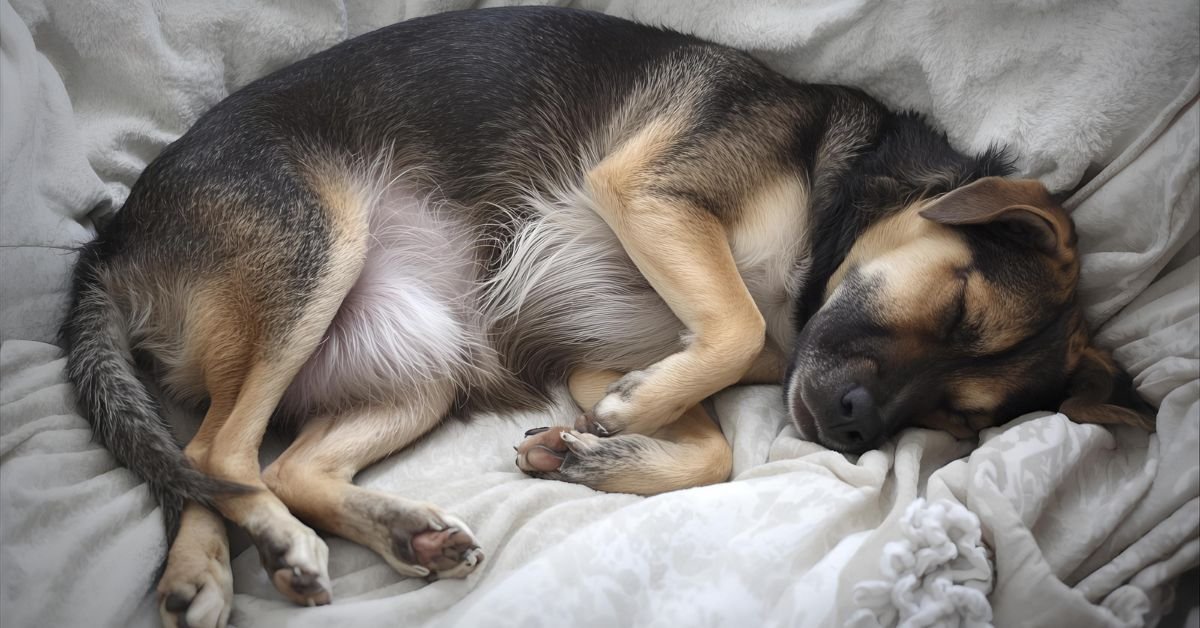
Dogs usually follow a regular sleep schedule. Odd sleeping patterns can signal health or stress issues. Understanding these patterns helps in caring for your pet better. Watch for changes in your dog’s sleep habits. These changes might show signs of discomfort or illness.
Insomnia Or Excessive Sleep
Some dogs struggle to fall asleep. They may stay awake for long hours. This insomnia can result from pain or anxiety. Other dogs sleep too much. Excessive sleep may indicate illness or depression. Both extremes affect your dog’s mood and energy.
Restless Or Disturbed Sleep
Restless sleep means your dog moves a lot while sleeping. They may twitch, whine, or change positions often. Disturbed sleep can be caused by nightmares or discomfort. It can also show allergies or skin problems. Restless nights reduce your dog’s daytime alertness and happiness.
Avoidance Or Hiding
Avoidance or hiding is a common unusual behavior in dogs. Dogs may hide or avoid people or places to protect themselves. This behavior can signal stress, fear, or discomfort. Understanding why your dog hides helps you support them better.
Seeking Isolation
Dogs often seek isolation to feel safe. A quiet, hidden spot can calm their nerves. They may choose a corner, under furniture, or a closet. Isolation helps them escape loud noises or busy environments. Watch for this behavior during storms or fireworks.
Fear Of Familiar People Or Places
Sometimes dogs hide from people they know well. This fear can come from past bad experiences. A place they once felt unsafe may also trigger hiding. Changes in the home or routine can cause this fear. Notice if your dog avoids certain rooms or family members.
Repetitive Or Compulsive Actions
Repetitive or compulsive actions in dogs can seem strange. These behaviors often repeat many times without clear reason. They may show stress, boredom, or health issues. Watching these actions helps understand your dog’s feelings better. Noticing patterns early can lead to faster help and comfort for your pet.
Pacing Or Circling
Pacing or circling means walking in the same path again and again. Dogs may do this before sleep or when nervous. Sometimes, pacing shows they feel restless or anxious. Circling is common before lying down. But constant circling can signal discomfort or a brain issue. Watch if your dog can stop easily or seems stuck.
Tail Chasing Or Spinning
Tail chasing is a well-known odd behavior. Dogs spin to catch their tails repeatedly. This can be fun at first but may become a problem. It might show stress or boredom. Some dogs spin in circles just for fun. Excessive spinning can cause injury or show compulsive disorder. Knowing when it changes from play to concern is important.
Physical Signs Linked To Behavior
Physical signs often reveal more about your dog’s behavior than you might expect. Changes in how your dog moves or looks can show hidden problems. These signs can help you understand unusual actions and take care of your pet better.
Sudden Limping Or Stiffness
A dog that suddenly limps or moves stiffly may feel pain. This pain can cause changes in behavior like irritability or hiding. Limping can result from injury or arthritis. Watch for limping after play or rest. Early care helps avoid long-term problems.
Unexplained Weight Changes
Weight gain or loss without a clear reason can affect your dog’s mood. Sudden weight loss might cause weakness or tiredness. Weight gain can lead to less activity and more sleeping. Both cases can change how your dog acts. Check your pet’s weight regularly to spot changes early.
Credit: sidneyaarons.com.au
Frequently Asked Questions
Why Do Dogs Exhibit Unusual Behavior Suddenly?
Dogs may show unusual behavior due to stress, illness, or environmental changes. It’s often their way of communicating discomfort or anxiety. Identifying triggers early helps address health or emotional issues, improving their well-being and your bond.
How Can Unusual Dog Behavior Indicate Health Problems?
Unusual behavior like lethargy or aggression can signal health issues. Dogs can’t verbalize pain, so changes may indicate illness. Observing these signs helps detect problems early, allowing timely veterinary care and preventing serious complications.
What Are Common Causes Of Strange Dog Habits?
Strange dog habits often stem from boredom, anxiety, or lack of exercise. Dogs need mental and physical stimulation to stay balanced. Addressing these needs reduces unusual behaviors and promotes a happier, healthier pet.
Can Unusual Dog Behavior Affect Training Success?
Yes, unusual behavior can hinder training. It may indicate stress or confusion, reducing focus. Understanding the cause helps tailor training methods for better results and strengthens your dog’s learning experience.
Conclusion
Unusual dog behavior can tell us a lot about their feelings. Watching closely helps us understand what they need. Sometimes, strange actions mean health problems or stress. Always pay attention and ask a vet if worried. Dogs communicate in many ways, even odd ones.
Knowing these signs builds a stronger bond with your pet. Stay patient and gentle as you learn together. Every dog is unique, and their behavior shows it. Keep observing, caring, and loving your furry friend daily.


