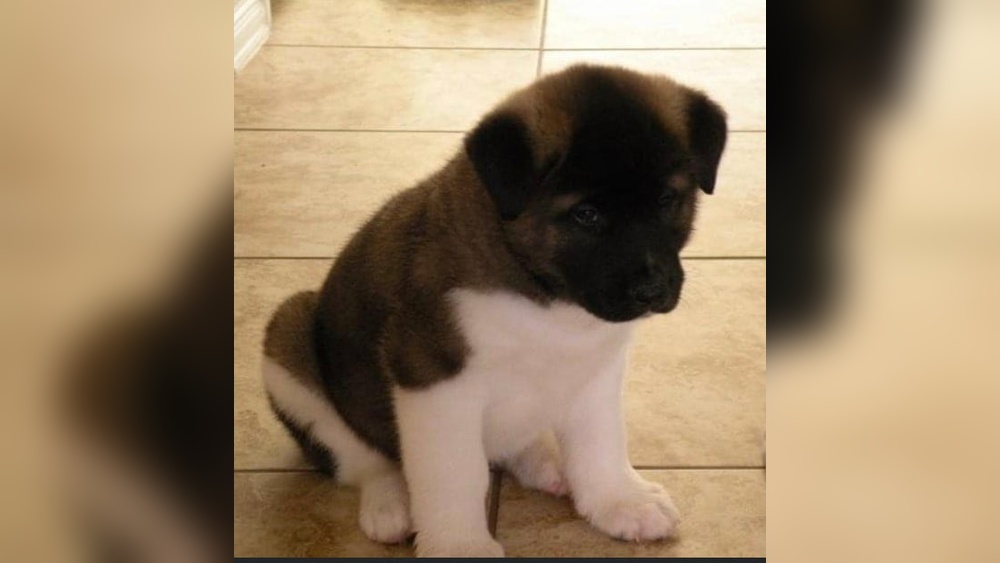
Are you ready to bring out the best in your GSP puppy? Training your German Shorthaired Pointer from the start is key to a happy and well-behaved companion.
But it can feel overwhelming if you don’t know where to begin. Imagine having simple, effective tips that make training easier and even fun for both you and your puppy. Keep reading, because these training tips will help you build a strong bond, avoid common mistakes, and turn your energetic pup into a confident, obedient friend you’ll love spending time with.
Choosing The Right Training Approach
Choosing the right training approach for your GSP puppy sets the foundation for good behavior. Each puppy learns differently, so the method must fit their personality and needs. A clear, gentle, and consistent approach helps your puppy feel safe and eager to learn.
Training should focus on building trust and communication between you and your puppy. This makes the process smoother and more enjoyable for both of you.
Positive Reinforcement Techniques
Positive reinforcement uses rewards to encourage good behavior. Treats, praise, or playtime motivate your GSP puppy to repeat actions. This method creates a happy learning environment. Avoid punishment, which can cause fear and confusion.
Reward your puppy immediately after the right action. This helps them connect the behavior with the reward clearly.
Consistency And Patience
Training requires steady effort and calm patience. Use the same commands and routines daily. Consistency helps your puppy understand what you expect. Avoid changing rules often, as this causes confusion.
Patience is key. Puppies need time to learn and grow. Expect mistakes and gently guide your puppy back on track.
Setting Realistic Goals
Start with small, simple goals for your puppy. Teach one command at a time. This keeps your puppy focused and prevents overwhelm. Gradually increase difficulty as your puppy improves.
Celebrate each success, no matter how small. Realistic goals keep training positive and motivating for your GSP puppy.
Basic Commands Every Gsp Puppy Should Learn
Training your German Shorthaired Pointer (GSP) puppy starts with basic commands. These commands build good habits and keep your puppy safe. Teaching these early helps your dog understand what you expect. It also makes daily life easier and more fun. Focus on clear, simple commands. Use short training sessions to keep your puppy’s attention. Consistency and patience are key for success.
Sit And Stay
Start with the “Sit” command. Hold a treat above your puppy’s nose. Move it back slowly. Your puppy will naturally sit to follow it. Say “Sit” clearly and give the treat immediately. Repeat until your puppy sits on command without the treat. Next, add “Stay.” Ask your puppy to sit. Show your palm and say “Stay.” Step back slowly. If your puppy stays, reward with praise or treat. Increase distance and time gradually.
Come And Heel
Teaching “Come” keeps your puppy safe off-leash. Use a happy tone and say “Come” while crouching. Show a treat or toy. Reward your puppy when it comes to you. Practice in a quiet area first. The “Heel” command means your puppy walks close beside you. Use a leash to guide your puppy. Say “Heel” and reward good behavior. Training in short sessions helps your puppy learn better.
Leave It And Drop It
“Leave It” protects your puppy from dangerous items. Show a treat in your hand and say “Leave It.” Wait until your puppy stops trying to get the treat. Reward only when your puppy looks away or backs off. For “Drop It,” offer a toy or object. Say “Drop It” and trade for a treat. Praise your puppy when it releases the item. These commands prevent chewing on harmful things and keep playtime safe.
Housebreaking Strategies
Housebreaking is a key step in training your GSP puppy. It helps your puppy learn where to go potty and keeps your home clean. Patience and consistency are very important. Here are some easy strategies to follow for effective housebreaking.
Establishing A Routine
Set regular times for taking your puppy outside. Take them out first thing in the morning, after meals, and before bedtime. Puppies need to go out often, especially after playing or napping. A consistent schedule helps your puppy understand when it is time to go potty. Use the same door every time to avoid confusion.
Crate Training Benefits
Crate training teaches your puppy to hold their bladder. Dogs naturally avoid soiling their sleeping area. Use a crate that fits your puppy comfortably. Keep the crate near you at first. Let your puppy out immediately when they stay quiet and calm. Crate training helps create good bathroom habits and reduces accidents.
Handling Accidents Calmly
Accidents are normal during housebreaking. Stay calm and do not punish your puppy. Clean the area well to remove smells. This prevents your puppy from returning there. Gently take your puppy outside after an accident. Praise them when they go potty outside. Calm handling builds trust and encourages good behavior.
Socialization Tips For Gsp Puppies
Socialization is key to raising a happy and confident German Shorthaired Pointer (GSP) puppy. It helps them learn how to behave around people, other animals, and new places. Start socializing early to prevent fear and aggression later. This process builds trust and makes training easier.
Introducing New People And Pets
Let your GSP puppy meet many different people. Include men, women, children, and seniors. Keep meetings calm and gentle. Allow your puppy to approach at their own pace. Also, introduce friendly dogs and other pets carefully. Watch body language to ensure comfort. Positive first meetings help your puppy feel safe.
Exposure To Different Environments
Take your GSP puppy to various places. Parks, busy streets, and quiet yards all work well. Different sounds and sights broaden their experience. Carry treats to reward calm behavior. Short visits prevent overwhelming your puppy. Regular exposure builds confidence and reduces fear.
Encouraging Positive Experiences
Use treats and praise during all socialization activities. Make new experiences fun and rewarding. Avoid forcing your puppy into uncomfortable situations. Stop any interaction if your puppy shows stress. Reward bravery and curiosity with gentle words. Positive memories help your puppy enjoy new things.
Exercise And Mental Stimulation
Exercise and mental stimulation are vital for German Shorthaired Pointer (GSP) puppies. These dogs have high energy and sharp minds. Without enough activity, they may become bored or restless. Balancing physical exercise with mental challenges helps them grow into happy, well-behaved dogs.
Providing daily opportunities for movement and thinking keeps GSP puppies healthy. It also builds strong bonds between you and your pup. Consistent routines make training easier and life more enjoyable for both.
Daily Physical Activity
GSP puppies need plenty of physical exercise every day. Short walks, playtime, and running in a safe yard work well. Aim for at least 30 minutes of active movement. This helps burn energy and maintains healthy muscles.
Exercise also reduces stress and prevents destructive behaviors. Keep sessions fun and varied to hold your puppy’s interest. Use a leash or fenced area for safety during outdoor play.
Interactive Toys And Games
Toys that challenge your puppy’s mind are excellent tools. Puzzle feeders and treat-dispensing toys keep GSPs busy and thinking. Rotate toys regularly to keep things fresh and exciting.
Games like hide-and-seek with treats or toys encourage problem-solving. These activities stimulate your puppy’s brain and build confidence. Mental exercise tires a puppy out just as much as physical play.
Training Sessions As Mental Workouts
Training sessions provide focused mental stimulation. Teach basic commands and practice regularly to improve skills. Keep sessions short, about 5 to 10 minutes, to hold attention.
Use positive reinforcement with treats and praise. Training builds your puppy’s listening skills and discipline. It also strengthens your connection and makes daily life easier.

Credit: www.akc.org
Addressing Common Behavioral Issues
Training a German Shorthaired Pointer (GSP) puppy brings joy and challenges. Puppies often show common behavioral problems. These can disrupt your daily life and affect your puppy’s growth. Tackling these issues early helps build good habits. It also strengthens your bond with your puppy. The following tips focus on solving typical GSP puppy behaviors.
Biting And Chewing Solutions
Puppies explore the world with their mouths. Biting and chewing are natural but can cause damage. Offer safe chew toys to divert their attention. Praise your puppy when they chew toys, not furniture. If biting happens during play, stop immediately. Use a firm “no” and walk away. This teaches bite inhibition and self-control. Consistency is key to reducing biting over time.
Managing Excessive Barking
GSP puppies may bark a lot due to excitement or fear. Identify what triggers the barking. Use calm commands like “quiet” or “enough.” Reward your puppy when they stop barking on command. Avoid yelling, as it can increase barking. Provide enough physical and mental exercise daily. A tired puppy barks less and feels calmer. Patience and routine help manage barking effectively.
Dealing With Separation Anxiety
Separation anxiety is common in GSP puppies. They feel stressed when left alone. Start by leaving your puppy for short periods. Gradually increase the time apart. Create a safe, comfortable space with toys and water. Avoid long goodbyes to reduce stress. Teach your puppy to relax with a special blanket or toy. Consistent practice helps your puppy feel secure alone.
Advanced Training For Gsp Puppies
Advanced training helps Gsp puppies use their energy and intelligence well. These dogs need mental and physical challenges. Training beyond basic commands builds strong bonds and sharp skills. It also keeps them happy and healthy. Start advanced training early but keep it fun and short. Focus on activities that match their natural talents and interests.
Introducing Agility Training
Agility training is great for active Gsp puppies. It involves running through obstacle courses. This builds speed, coordination, and confidence. Use tunnels, jumps, and weave poles. Start with simple obstacles and increase difficulty slowly. Praise your puppy often to keep motivation high. Agility training also improves focus and listening skills.
Scent Work Basics
Gsp puppies have strong noses. Scent work uses their natural smelling ability. Teach your puppy to find hidden treats or toys by scent. Begin in easy places with clear smells. Gradually increase the challenge by hiding items in different rooms or outside. Scent work gives mental exercise and reduces boredom. It also strengthens the bond between you and your puppy.
Preparing For Obedience Competitions
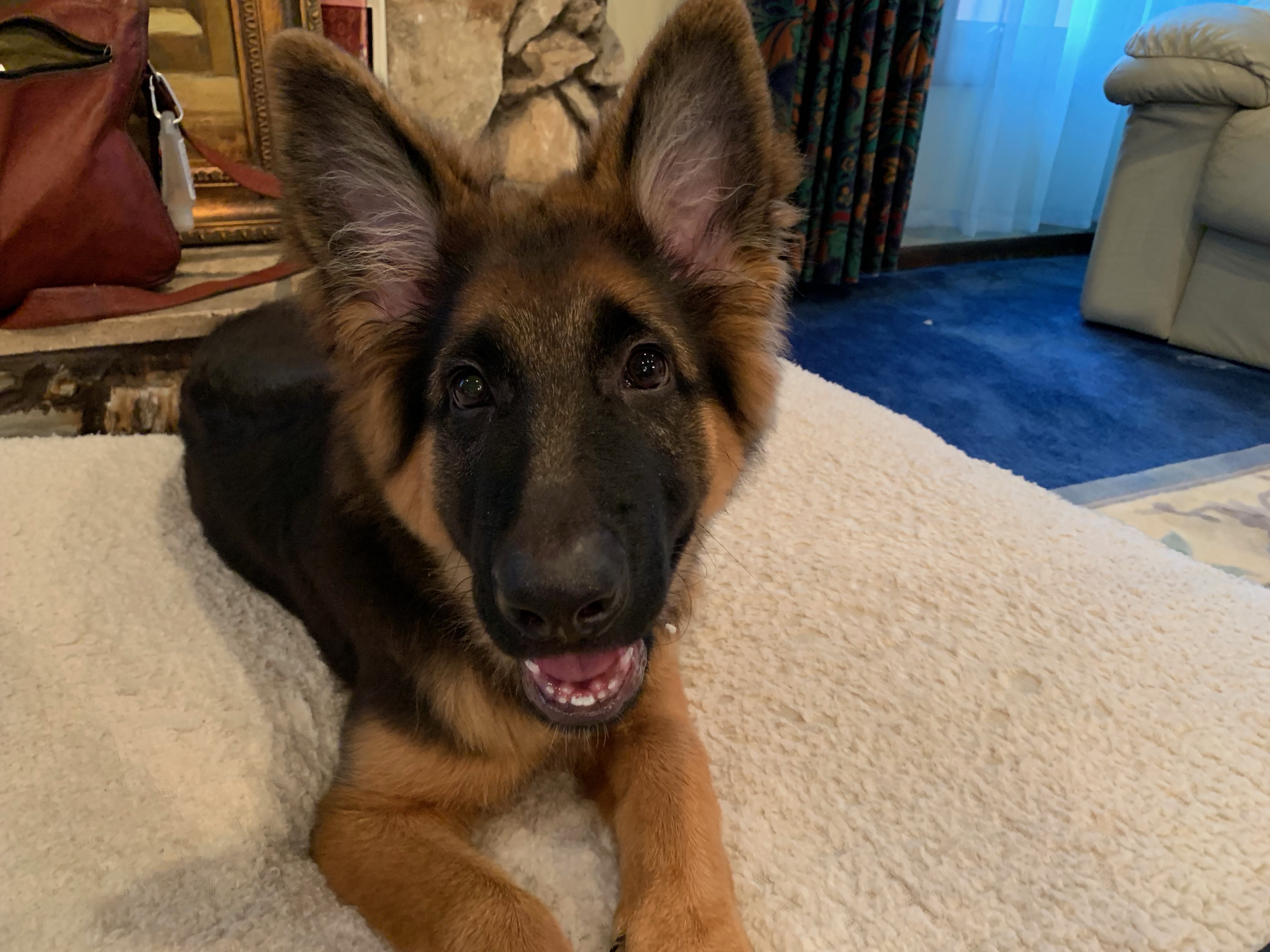
Obedience competitions test a dog’s training and manners. Start by teaching your puppy to follow basic commands well. Practice walking nicely on a leash and staying calm around distractions. Use short training sessions with positive rewards. Introduce new commands one at a time. Attend local training classes to build experience. Obedience training improves your puppy’s discipline and social skills.
Credit: www.doggoneproblems.com
Health And Nutrition Tips During Training
Training a German Shorthaired Pointer (GSP) puppy requires more than just exercises and commands. Proper health and nutrition play a crucial role in their learning and growth. A well-fed, healthy puppy will have the energy to train and the focus to learn new skills. It is important to provide balanced meals, keep your puppy hydrated, and visit the vet regularly during the training phase.
Balanced Diet For Energy
A GSP puppy needs a balanced diet to stay active and alert. Include proteins, fats, and carbohydrates in their meals. Proteins support muscle growth and repair. Healthy fats give long-lasting energy. Carbohydrates fuel daily activities. Feeding high-quality puppy food ensures they get essential vitamins and minerals. Avoid giving too many treats or human food. Balanced nutrition helps maintain steady energy during training sessions.
Hydration Importance
Water is vital for every puppy, especially during training. Puppies lose water through panting and exercise. Keep fresh water available at all times. Dehydration can cause tiredness and reduce focus. Always encourage your puppy to drink before and after training. Proper hydration supports digestion and keeps your puppy feeling well. Water helps regulate body temperature and prevents heat stress.
Regular Vet Checkups
Schedule regular vet visits to monitor your puppy’s health. The vet checks for growth progress and signs of illness. Vaccinations and parasite control protect against diseases. Discuss diet and training plans with your vet. Early detection of health issues makes treatment easier. Healthy puppies respond better to training commands. Regular checkups ensure your GSP puppy stays strong and ready to learn.

Credit: www.amazon.com
Frequently Asked Questions
How Early Should I Start Training Gsp Puppies?
Start training GSP puppies as early as 8 weeks old. Early training builds good habits and social skills. Consistency and patience are key during this stage to shape positive behaviors effectively.
What Are The Best Training Methods For Gsp Puppies?
Positive reinforcement works best for GSP puppies. Use treats, praise, and play to reward good behavior. Avoid harsh punishments to keep training enjoyable and effective.
How Long Should Gsp Puppy Training Sessions Be?
Keep training sessions short, around 5 to 10 minutes. Puppies have short attention spans. Frequent, brief sessions help maintain focus and prevent boredom.
How Can I Socialize My Gsp Puppy Properly?
Expose your GSP puppy to various people, animals, and environments early. Socialization prevents fear and aggression later. Make experiences positive and gradual to build confidence.
Conclusion
Training GSP puppies takes patience and daily effort. Start with simple commands and keep sessions short. Praise your puppy often to build good habits. Consistency helps your dog learn faster and stay happy. Remember, every puppy learns at its own pace.
Enjoy the process and bond with your furry friend. With steady care, your GSP puppy will grow into a well-behaved dog. Keep training fun and positive for best results. Your puppy’s success depends on love and practice.