If you have a new puppy, you know how tough teething can be—for both of you. Your little furry friend is eager to chew on everything in sight, and you might feel overwhelmed trying to keep up.
But don’t worry, you’re not alone. With the right tips, you can make this stage easier and even help your puppy grow healthy teeth without the frustration. Keep reading to discover simple, effective ways to soothe your puppy’s teething pain and protect your home at the same time.
Your puppy—and your sanity—will thank you!
Credit: thevets.com
Signs Of Puppy Teething
Teething is a natural stage in a puppy’s growth. Recognizing the signs helps you support your puppy. It also prevents damage to your belongings. Watch for changes in behavior and physical cues. These signs show your puppy is going through teething discomfort.
When Teething Starts
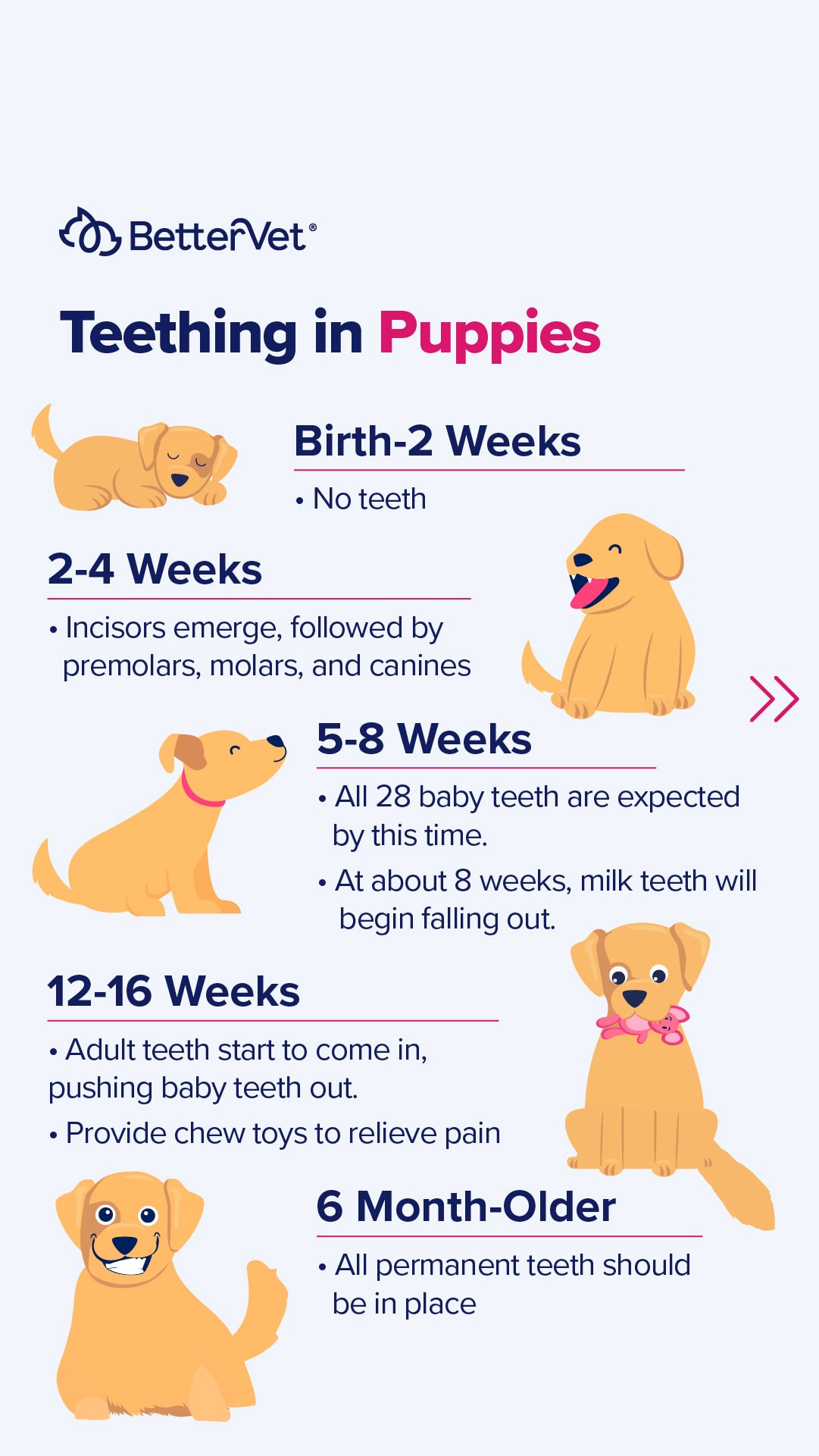
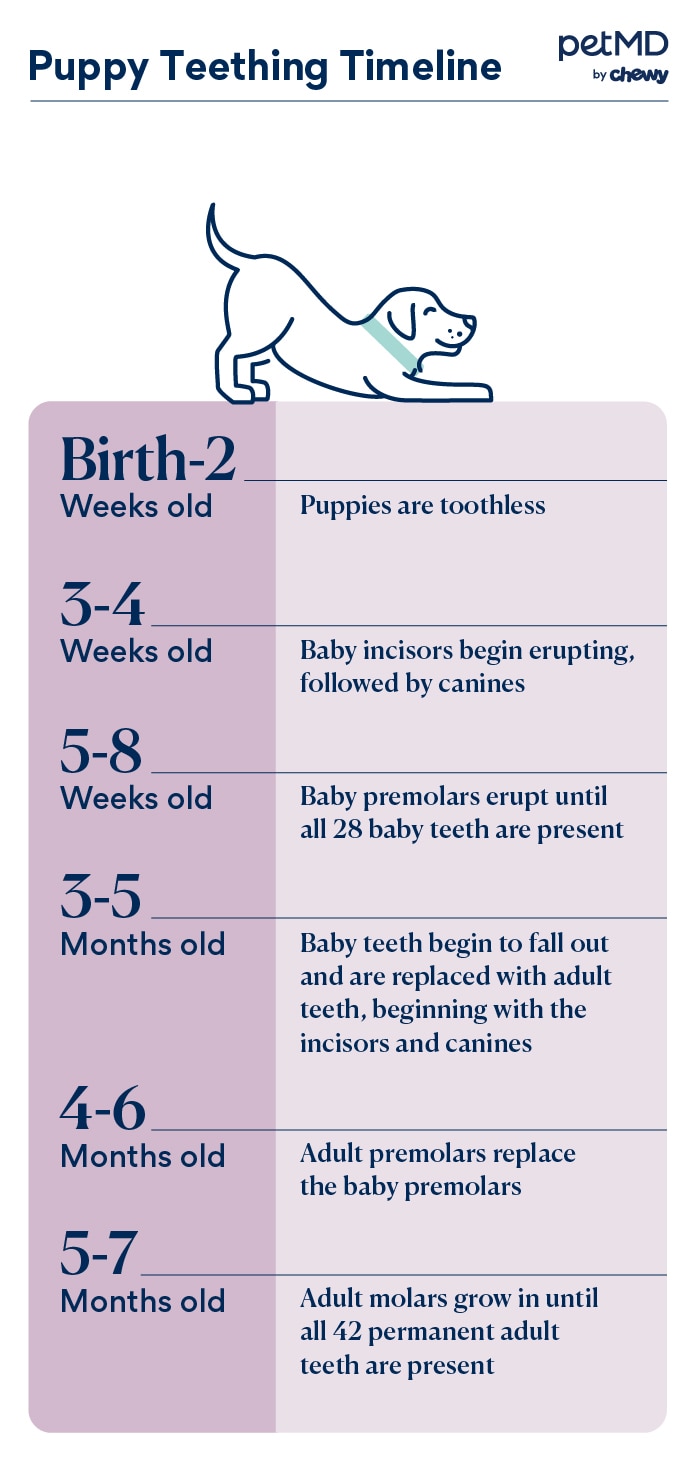
Puppy teething usually begins at three weeks old. It peaks around six to eight weeks. The process can last up to six months. During this time, baby teeth fall out. Adult teeth grow in their place. The timing varies by breed and individual puppy.
Common Behaviors
Puppies often chew on things more than usual. They may bite fingers or toys harder. Drooling can increase during this time. Some puppies become restless and whine or cry. You might see them paw at their mouth. These actions help soothe sore gums.
Identifying Discomfort
Look for swollen or red gums around teeth. Your puppy may lose appetite for a short time. Sleep patterns might change, with more naps or restlessness. Signs of discomfort include licking lips and rubbing face. Knowing these helps you offer comfort and care.
Safe Chewing Options
Puppy teething can be tough for both pups and owners. Safe chewing options help soothe sore gums and keep puppies happy. Providing the right items reduces the risk of damage to furniture and keeps puppies from swallowing harmful things. Choose toys and treats that are gentle on their teeth but strong enough to last through chewing sessions.
Choosing Teething Toys
Select toys made specifically for teething puppies. Look for soft rubber or nylon toys that are gentle on gums. Avoid hard toys that can break teeth or hurt sensitive mouths. Toys that can be chilled in the fridge offer extra relief. Make sure the toys are the right size to prevent choking hazards.
Diy Chew Treats
Homemade chew treats can calm puppy gums naturally. Freeze wet washcloths or carrots for a cool, safe chew. You can also try ice cubes with a little peanut butter inside. Always watch your puppy during chew time to avoid choking. Keep treats simple and healthy to support overall growth.
Avoiding Harmful Items
Keep small household items, shoes, and electrical cords away. Puppies might chew anything they find, risking injury or poisoning. Avoid giving bones or hard sticks that can splinter. Make sure all chew options are non-toxic and made for dogs. Supervise your puppy to stop unsafe chewing quickly.
Soothing Techniques
Puppy teething can be tough for both pets and owners. Puppies feel pain and discomfort as their new teeth grow. Soothing techniques help ease their pain and calm their nerves. These simple methods provide relief and keep your puppy happy.
Cold And Frozen Toys
Cold toys help numb your puppy’s sore gums. Freeze soft chew toys or washcloths for a cool effect. Let your puppy chew on these toys to reduce pain. Coldness slows inflammation and makes chewing more comfortable. Always supervise your puppy to avoid choking hazards.
Gentle Gum Massage
Massaging your puppy’s gums relaxes the pain. Use a clean finger or soft cloth to rub gums gently. This improves blood flow and soothes irritated areas. Keep massages short and calm to avoid stress. Puppies often enjoy this gentle touch during teething.
Using Natural Remedies
Natural remedies can help reduce teething discomfort safely. Chamomile tea cools and calms inflamed gums. Apply cooled tea with a soft cloth or finger. Aloe vera gel also soothes and heals irritated gums. Ensure any remedy is safe for puppies before use.
:strip_icc()/SPR_2804965_puppy-teething-5aea1e143128340037636a47.png)
Credit: www.thesprucepets.com
Training Tips During Teething
Training your puppy during teething is important. It helps your puppy learn good habits early. Teething can cause biting and chewing. Training guides your puppy to behave well. Patience and consistency work best during this time.
Redirecting Biting
Puppies bite to relieve pain. Give them safe chew toys instead of your hands. When your puppy bites, gently offer a toy. This teaches what is okay to bite. Keep toys nearby for quick redirection.
Consistent Commands
Use the same words for commands every time. Say “no bite” or “gentle” clearly. Repeat commands calmly and firmly. Consistency helps your puppy understand rules. Avoid confusing words or tones.
Rewarding Good Behavior
Praise your puppy when it bites toys, not people. Use treats or kind words like “good job.” Rewarding good behavior encourages your puppy to repeat it. Positive feedback builds trust and learning.
Maintaining Puppy Health
Maintaining your puppy’s health is key during teething. Healthy puppies grow strong teeth and feel better. Careful attention supports their comfort and overall well-being.
Regular Vet Checkups
Schedule vet visits often to track your puppy’s health. The vet checks teeth, gums, and general growth. Early problems get spotted and treated fast. This keeps teething pain from becoming serious.
Proper Nutrition
Feed your puppy balanced meals with vitamins and minerals. Good food helps teeth develop and gums stay healthy. Choose diets made for puppies and teething needs. Avoid hard foods that hurt sore gums.
Monitoring Oral Hygiene
Brush your puppy’s teeth gently to prevent plaque and infection. Use a soft brush made for dogs. Check their mouth daily for swelling or bad smell. Clean mouths reduce pain and keep teeth strong.
Handling Common Challenges
Puppy teething can bring many challenges for both pets and owners. Understanding these common issues helps in managing your puppy’s discomfort effectively. Simple steps can ease the process and keep your puppy happy.
Handling these challenges with patience and care supports your puppy’s healthy growth. Let’s explore some practical tips for common teething problems.
Dealing With Excessive Chewing
Puppies chew more during teething to soothe sore gums. Provide safe chew toys to protect your belongings. Rotate toys to keep your puppy interested. Avoid hard objects that can hurt their teeth. Praise your puppy when they chew the right things. This builds good habits early on.
Managing Sleep Disruptions
Teething pain can disturb your puppy’s sleep. Create a calm and cozy sleeping area. Use soft bedding and keep the room quiet. Offer a gentle chew toy before bedtime to ease discomfort. Maintain a regular sleep schedule for better rest. Stay close and comfort your puppy if they wake up.
Addressing Behavioral Changes
Teething can make puppies irritable or restless. Stay patient and avoid punishment. Give extra attention and gentle play to reduce stress. Keep training sessions short and positive. Watch for signs of discomfort and adjust activities. Understanding these changes helps your puppy feel safe.
Credit: www.petmd.com
Frequently Asked Questions
What Are The Common Signs Of Puppy Teething?
Common signs include excessive chewing, drooling, irritability, and swollen gums. Puppies may also lose baby teeth during this stage.
How Can I Soothe My Puppy’s Teething Pain?
Provide safe chew toys, use cold treats, and gently massage their gums. Avoid hard objects that can damage teeth.
When Does Puppy Teething Usually Start And End?
Teething typically starts around 3 weeks old and finishes by 6 months. Timing varies slightly depending on the breed.
What Types Of Chew Toys Are Best For Teething Puppies?
Soft rubber or nylon toys, frozen treats, and textured teething rings are ideal. Avoid small or sharp-edged toys.
Conclusion
Puppy teething can be tough for both you and your pet. Patience and care make this phase easier. Offer safe chew toys to soothe their gums. Keep an eye on their behavior and comfort. Regular vet visits help catch any issues early.
Remember, this stage won’t last forever. Your puppy will soon feel better and happier. Stay calm and enjoy these moments together. Helping your puppy through teething builds trust and love. Small steps lead to a healthy, happy dog.