
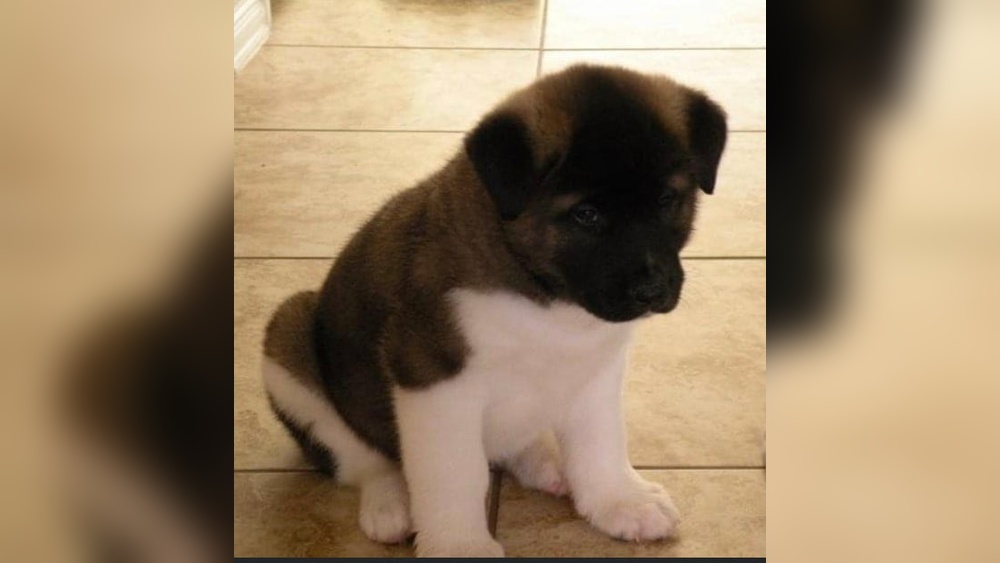
Bringing an Akita puppy into your home is an exciting experience, but training them can feel overwhelming. You want your new furry friend to grow into a well-behaved, happy companion, right?
The good news is that with the right approach, you can make training easier and even enjoyable for both of you. You’ll discover simple yet effective Akita puppy training tips that help build trust, encourage good behavior, and strengthen your bond.
Keep reading to unlock the secrets to raising a confident and obedient Akita puppy!

Credit: www.reddit.com
Choosing The Right Training Approach
Choosing the right training approach for your Akita puppy shapes their behavior and trust. Training builds a strong bond and helps your puppy learn quickly. Each Akita has a unique personality. The best training fits your dog’s needs and your lifestyle.
Positive Reinforcement Techniques
Positive reinforcement rewards good behavior. Use treats, praise, or play as rewards. This method makes training fun and motivating. Puppies learn faster when they expect a reward. Avoid punishment. It can cause fear or aggression. Focus on encouraging what you want to see.
Consistency And Patience
Consistency helps your Akita understand rules clearly. Use the same commands and routines daily. Be patient. Puppies need time to learn new skills. Training sessions should be short and regular. Repetition builds habits that last a lifetime. Stay calm, even if progress is slow.
Setting Realistic Goals
Set small, clear goals for each training session. Start with simple commands like sit or stay. Gradually increase difficulty as your puppy improves. Realistic goals prevent frustration for both of you. Celebrate small wins to keep motivation high. Training is a step-by-step journey.
Basic Commands For Akita Puppies
Training your Akita puppy with basic commands builds a strong bond. It helps control their natural strength and energy. Teaching simple commands early makes your puppy more obedient and safer.
Start with easy commands. Practice a little every day. Keep training sessions short and fun. Use treats and praise to encourage good behavior.
Sit And Stay
Teach your Akita to sit calmly on command. Hold a treat close to their nose. Move it up slowly so they follow it with their head. Their bottom will naturally go down. Say “sit” clearly, then give the treat.
Next, add the “stay” command. Ask your puppy to sit first. Show your palm like a stop sign and say “stay.” Take a few steps back. If they stay, give a treat and praise. Increase distance slowly over time.
Come When Called
This command keeps your Akita safe. Use a happy voice and say your puppy’s name followed by “come.” Show a treat or toy. When your puppy comes, reward immediately.
Practice in a quiet place first. Gradually try in different areas with more distractions. Never punish your puppy for coming late. Always make coming to you a good experience.
Heel And Walk Properly
Akitas are strong dogs that need good leash manners. Start walking with your puppy by your side. Hold treats at your hip level. Use the command “heel” to keep your puppy close.
If your puppy pulls, stop walking. Wait until they return to your side. Then continue. Reward them for walking calmly. Practice often to make walks peaceful and safe.
House Training Strategies
House training an Akita puppy takes patience and consistency. Puppies need clear signals to learn where to go potty. A good plan helps your puppy feel safe and understand your expectations. These house training strategies will guide you through the process.
Establishing A Routine
Set specific times for feeding your Akita puppy. Take your puppy outside right after eating, drinking, playing, or waking up. Consistent bathroom breaks help your puppy learn when to go outside. A regular schedule reduces accidents inside the house. Stay patient and watch for signs your puppy needs to go.
Crate Training Benefits
Use a crate as a safe space for your puppy. Puppies avoid soiling their sleeping area. Crate training helps teach bladder control and discipline. Keep the crate comfortable with a soft bed and toys. Do not leave your puppy in the crate for too long. Gradually increase crate time as your puppy adjusts.
Handling Accidents Calmly
Accidents will happen during training. Avoid yelling or punishment. Clean the area with an enzyme cleaner to remove smells. Stay calm and gently guide your puppy outside after accidents. Reward your puppy for going in the right spot. Calm responses build trust and encourage good habits.
Socializing Your Akita Puppy
Socializing your Akita puppy is key to raising a happy and well-behaved dog. Early socialization helps your puppy learn to trust people and other animals. It also reduces fear and anxiety in new situations. Consistent social experiences build confidence and prevent behavior problems later.
Start socializing your Akita puppy as soon as you bring them home. Make each new experience positive and gentle. This way, your puppy grows up calm and friendly.
Introducing New People And Pets
Allow your Akita puppy to meet many different people. Men, women, children, and strangers all matter. Let your puppy observe and sniff at their own pace. Praise calm and friendly behavior.
Introduce your puppy to other pets carefully. Keep meetings short and supervised. Use leashes if needed. Positive pet-to-pet interactions teach good manners and reduce fear.
Exposure To Different Environments
Take your Akita puppy to new places regularly. Parks, busy streets, and pet stores provide varied sights and sounds. These experiences help your puppy adapt easily.
Bring treats and toys for comfort. Keep outings short and fun. Avoid overwhelming your puppy with too many new things at once.
Preventing Aggressive Behavior
Watch your puppy’s body language closely. Signs of fear or stress need attention. Remove your puppy from uncomfortable situations quickly.
Reward calm and friendly responses during social encounters. Do not encourage rough or dominant behavior. Early training and socialization reduce chances of aggression.
Dealing With Common Challenges
Training an Akita puppy comes with challenges that many owners face. Addressing these issues early helps build a strong bond. Consistent effort and patience shape a well-behaved dog.
Understanding common problems makes training smoother. Focus on positive actions and clear commands. These tips help manage typical behaviors effectively.
Biting And Chewing
Puppies explore the world with their mouths. Biting and chewing are natural but must be controlled. Offer chew toys to divert their attention from furniture. Say “No” firmly if they bite hands or clothes. Praise them when they chew toys. This teaches what is okay to bite.
Excessive Barking
Barking is how dogs communicate. Excessive barking can annoy neighbors and family. Identify what triggers the barking. Use calm commands like “Quiet” to stop it. Reward silence with treats or praise. Avoid yelling, which can increase barking. Keep your Akita busy with toys and walks.
Separation Anxiety
Akitas form strong bonds with owners. Leaving them alone may cause stress and anxiety. Start with short absences and increase time slowly. Give a favorite toy to comfort them. Create a safe space with bedding and water. Ignore attention-seeking behavior when you return. This teaches them to be calm alone.

Credit: www.reddit.com
Exercise And Mental Stimulation
Exercise and mental stimulation are vital for an Akita puppy’s health. These dogs have lots of energy and sharp minds. Without enough activity, they can become bored or restless. This may lead to bad behaviors. Keeping your Akita busy helps them stay happy and calm.
Physical exercise burns off energy. Mental challenges keep their brain active. Together, they build a well-rounded, obedient puppy. Let’s explore how to provide both effectively.
Daily Physical Activities
Akita puppies need regular exercise every day. Walks are a great start. Keep them short at first, then slowly increase time. Play fetch in a safe yard. Running and chasing help them use energy. Avoid very hard exercise for young pups. Gentle activities protect growing joints.
Interactive Toys And Games
Toys that challenge your Akita’s mind are important. Puzzle toys make them think. Hide treats inside for them to find. Toys that move or make noise catch attention. Rotate toys often to keep interest high. These games stop boredom and encourage problem-solving.
Training Sessions As Mental Workouts
Training is not just learning commands. It is a mental workout for Akita puppies. Short sessions work best to hold attention. Teach simple commands like sit, stay, and come. Use treats and praise to motivate. Training builds focus and self-control. It also strengthens the bond between you and your puppy.

Credit: www.reddit.com
Frequently Asked Questions
How Do I Start Training My Akita Puppy?
Begin training your Akita puppy early with basic commands like sit and stay. Use positive reinforcement and consistency. Short, frequent sessions help maintain attention and build good habits.
What Is The Best Age To Train An Akita Puppy?
Start training your Akita puppy as early as 8 weeks old. Early socialization and training shape their behavior and prevent future problems.
How Do I Socialize My Akita Puppy Properly?
Expose your Akita puppy to different people, places, and pets gradually. Positive experiences build confidence and reduce aggression.
How Can I Stop My Akita Puppy From Biting?
Redirect biting to chew toys and use firm “no” commands. Reward gentle play and avoid rough handling to discourage biting habits.
Conclusion
Training an Akita puppy takes patience and care. Start early and stay consistent every day. Use clear commands and gentle praise. Watch your puppy’s behavior and guide with kindness. Small steps lead to big progress over time. Enjoy the journey of raising a happy, well-behaved dog.
Trust your bond and keep learning together. This effort makes your Akita a loyal and loving friend.


