

Training your French Bulldog puppy can be both exciting and challenging. You want your little companion to grow into a well-behaved, happy dog, but sometimes it feels like you’re speaking two different languages.
What if you could learn simple, effective tips that make training easier and more enjoyable for both you and your pup? Imagine having a calm, obedient French Bulldog who listens to you and fits perfectly into your daily life. Keep reading, because these tips will help you build a strong bond and turn training struggles into success.
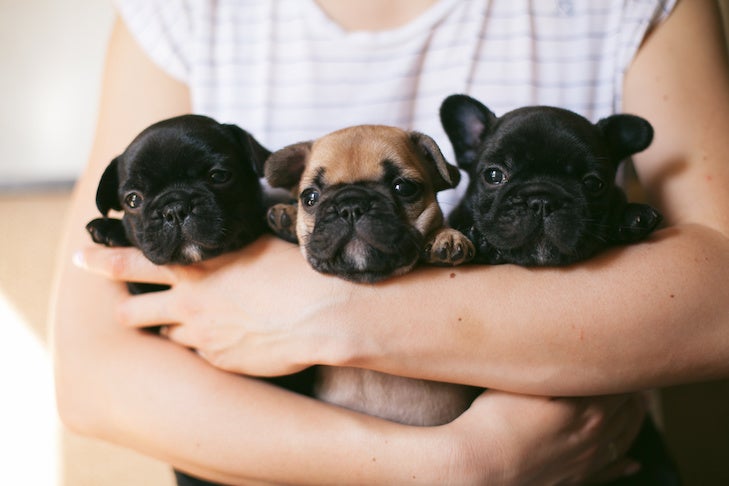
Credit: www.akc.org
Choosing The Right Training Approach
Choosing the right training approach is very important for a French Bulldog puppy. Each puppy learns in its own way. Picking a method that fits your puppy helps it learn faster. Good training builds trust and makes training fun for both of you.
Positive Reinforcement Techniques
Positive reinforcement means rewarding good behavior. Treats, praise, and pets work well. Puppies like rewards and want to repeat good actions. Avoid punishment. It can make your puppy scared and confused. Focus on rewarding small steps to encourage progress.
Consistency And Patience
Consistent training helps puppies understand what you want. Use the same words and actions every time. Patience is key. Puppies take time to learn new things. Keep training sessions short and regular. Repeat lessons often to help your puppy remember.
Setting Realistic Expectations
French Bulldog puppies have limits. They cannot learn everything quickly. Set small, clear goals for each training session. Celebrate small successes. Avoid expecting perfect behavior from the start. Realistic goals keep training positive and stress-free.
Housebreaking Your French Bulldog
Housebreaking your French Bulldog puppy is an important step in training. It helps keep your home clean and your puppy happy. This process needs patience and consistency. Early training sets good habits for life. Understanding your puppy’s needs and signals makes housebreaking easier.
Creating A Bathroom Schedule
Set regular times for bathroom breaks. Take your puppy outside first thing in the morning. Offer breaks after meals, playtime, and naps. Consistent timing helps your puppy learn when to go. Use the same spot outside to build familiarity. Praise your puppy after they go to the bathroom outside.
Recognizing Signs And Signals
Watch your puppy closely for signs they need to go. Sniffing around or circling can mean they need a break. Whining or scratching at the door shows urgency. Catch these signals early and take your puppy out. Responding quickly helps prevent accidents inside. This builds trust and good habits.
Dealing With Accidents
Accidents happen during training. Stay calm and don’t punish your puppy. Clean the area thoroughly to remove odors. Use enzyme cleaners for best results. Avoid scolding, as it can cause fear. Instead, focus on praise when your puppy goes outside. This encourages repeat good behavior.
Basic Obedience Commands
Teaching basic obedience commands is the first step in training your French Bulldog puppy. These commands help your puppy understand what you expect. They also build good habits and improve communication between you and your dog. Start with simple commands to keep your puppy focused and interested.
Teaching Sit, Stay, And Come
Begin with the “sit” command. Hold a treat close to your puppy’s nose. Move the treat up, and your puppy will sit naturally. Say “sit” clearly and give the treat as a reward. Next, try “stay.” Ask your puppy to sit, then hold your hand out and say “stay.” Step back slowly. If your puppy stays, give a treat and praise. Finally, teach “come.” Use a happy voice and say “come” while gently pulling on a leash. Reward your puppy when it reaches you.
Using Hand Signals
French Bulldogs respond well to hand signals. Pair each command with a clear hand motion. For “sit,” hold your palm up. For “stay,” show an open hand, palm facing forward. For “come,” wave your hand towards you. Use the same signals every time. This helps your puppy understand commands even without words.
Rewarding Good Behavior
Rewards motivate your puppy to listen and learn. Use small treats, praise, or petting as rewards. Give rewards immediately after the correct behavior. Consistency is key. Avoid giving treats too often or your puppy may lose interest. Praise and treats together work best to encourage good habits.

Credit: www.youtube.com
Socializing Your Puppy
Socializing your French Bulldog puppy is important for healthy growth. It helps them learn to be calm and happy around people and animals. Early socialization shapes a friendly and well-behaved dog. Start socializing your puppy in a safe, positive way.
Introducing New People And Pets
Let your puppy meet different people gently. Invite friends to visit and offer treats. Allow your puppy to sniff and explore new faces. Introduce other pets slowly and watch for signs of stress. Positive experiences build confidence and reduce fear.
Exposure To Different Environments
Take your puppy to various places. Parks, streets, and pet stores offer new sights and sounds. Walk on different surfaces like grass, concrete, and carpet. These exposures help your puppy adapt to new settings easily. Keep outings short and fun to avoid stress.
Handling Fear And Anxiety
Notice if your puppy seems scared or nervous. Use calm voices and gentle petting to soothe them. Never force your puppy into scary situations. Give breaks and safe spaces for your puppy to relax. Patience and kindness help your puppy overcome fear quickly.
Managing Common Challenges
Training a French Bulldog puppy brings joy and challenges. Puppies explore the world with their mouths and voices. Managing common challenges early helps build a happy, well-behaved dog. Focus on simple, clear steps. Consistency and patience work best with this breed.
Addressing Chewing And Biting
French Bulldog puppies chew to learn and soothe teething pain. Offer safe chew toys to redirect their biting. Avoid using your hands as toys. Say “no” firmly when biting hurts. Praise gentle play to encourage good behavior. Regular playtime helps reduce biting out of boredom.
Reducing Excessive Barking
French Bulldogs bark to communicate. Some bark more due to excitement or fear. Teach the “quiet” command with calm tone. Reward silence with treats or affection. Avoid yelling, which can increase barking. Provide enough exercise to lower nervous energy. A tired puppy barks less.
Preventing Separation Anxiety
French Bulldogs form strong bonds with owners. They may feel anxious when alone. Start by leaving your puppy alone for short times. Use toys and treats to keep them busy. Avoid long goodbyes to reduce stress. Create a safe, cozy space for your puppy. Gradually increase alone time to build confidence.
Health And Safety Tips During Training
Training a French Bulldog puppy requires special care for their health and safety. These dogs have unique needs because of their small size and breathing. Protecting their well-being during training helps them learn better and stay happy.
Paying attention to health signals and using the right tools keeps your puppy safe. It also builds trust between you and your dog. Below are key tips to keep your puppy healthy and safe during training sessions.
Avoiding Overexertion
French Bulldogs tire quickly due to their short noses. Short training sessions work best. Stop training if your puppy pants heavily or slows down. Too much exercise can cause breathing problems. Give your puppy plenty of breaks to rest and drink water.
Recognizing Signs Of Stress
Watch your puppy for signs of stress during training. Yawning, lip licking, and turning away show discomfort. If your puppy whines or freezes, pause the session. Stress slows learning and harms your puppy’s health. Keep training fun and relaxed to avoid stress.
Safe Training Tools And Equipment
Use soft, well-fitted collars or harnesses for your French Bulldog. Avoid choke chains or prong collars that can hurt their neck. Choose lightweight leashes for easy control. Use treats and toys as rewards instead of harsh corrections. Safe gear protects your puppy and builds positive habits.
Maintaining Long-term Success
Training a French Bulldog puppy takes time and patience. Success does not end after the first few lessons. Keeping good habits alive is key to a happy dog and owner. Consistency helps your puppy understand what you want. Let’s explore ways to maintain long-term success in training your puppy.
Regular Practice And Refreshers
Practice training exercises every day. Short sessions work best. Repeat commands and actions often. This keeps your puppy’s skills sharp. Refreshers help stop bad habits from forming. Use treats and praise to encourage learning. Training is an ongoing process, not a one-time event.
Adapting Training As Puppy Grows
Puppies change quickly. Adjust your training to match their age and size. Older puppies can learn more complex commands. Increase challenges slowly to keep your dog interested. Watch for signs of boredom or stress. Tailor training to your puppy’s needs and personality.
Celebrating Milestones
Celebrate small wins along the way. Praise your puppy for good behavior. Treats and petting boost motivation. Mark progress with fun activities or playtime. Milestones show your puppy they are doing well. Positive moments strengthen your bond and encourage learning.

Credit: vincecincy.com
Frequently Asked Questions
How Do I Start Training My French Bulldog Puppy?
Start early with short, consistent sessions. Use positive reinforcement like treats and praise. Focus on basic commands first, such as sit and stay. Early socialization is crucial for good behavior and confidence.
What Is The Best Potty Training Method For French Bulldogs?
Use a regular schedule for feeding and potty breaks. Take your puppy outside frequently, especially after meals. Praise and reward them immediately after they go. Consistency and patience are key to success.
How Can I Stop My French Bulldog Puppy From Biting?
Redirect biting to chew toys during playtime. Avoid harsh punishment; instead, use gentle corrections. Teach bite inhibition by stopping play when biting occurs. Consistent training helps your puppy learn acceptable behavior.
How Often Should I Socialize My French Bulldog Puppy?
Socialize daily with different people, pets, and environments. Early socialization prevents fear and aggression later. Use positive experiences to build confidence. Controlled exposure to new sights and sounds is essential.
Conclusion
Training a French Bulldog puppy takes patience and care. Keep sessions short and fun to hold their attention. Use gentle, clear commands and reward good behavior often. Stay consistent every day to build good habits. Remember, puppies learn best with love and kindness.
Small steps lead to big progress over time. Enjoy the special bond that grows during training. Your effort helps your puppy become a happy, well-behaved friend.


