Are you ready to bring home a lively Doberman puppy? Training your new furry friend might seem challenging, but with the right tips, you can shape a well-behaved and loyal companion.
Imagine having a dog that listens to your commands, behaves calmly around guests, and enjoys every moment with you. This guide will give you simple, effective Doberman puppy training tips that anyone can follow. Keep reading—you’ll discover the secrets to building a strong bond with your puppy and making training a fun, rewarding experience for both of you.
Choosing The Right Environment
Choosing the right environment plays a big role in Doberman puppy training. A good space helps your puppy focus and learn faster. The environment should feel safe and calm. It must also keep distractions low. This makes training sessions more effective and less stressful for your puppy. Setting up the right place helps build good habits early.
Creating A Safe Space
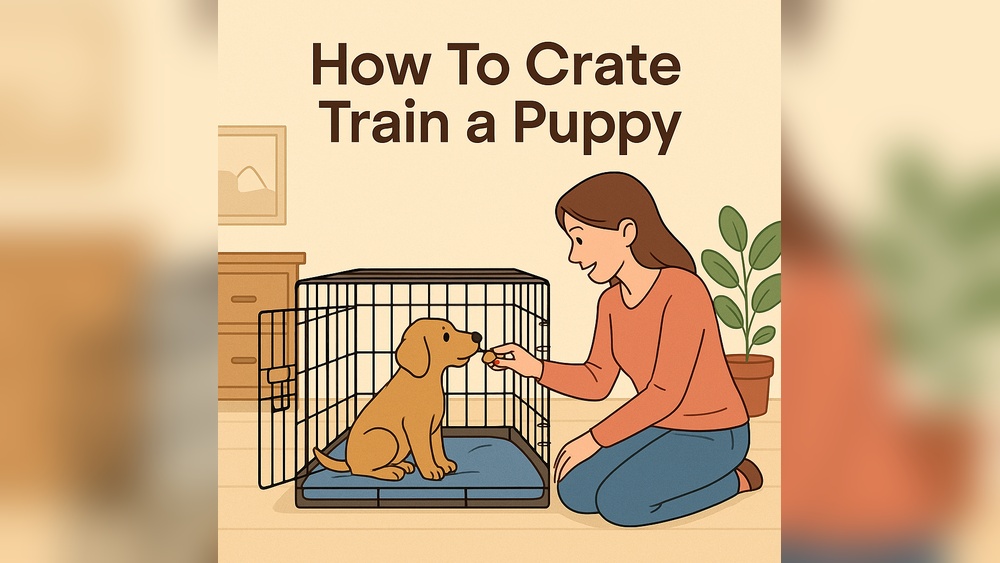
Start by making a special area just for your Doberman puppy. Use a crate or a small room. This space should be quiet and free from hazards. Remove sharp objects and small items your puppy could swallow. Soft bedding makes the area cozy. Your puppy will feel secure and relaxed here. Safety helps your puppy trust you and stay calm during training.
Minimizing Distractions
Keep the training area free from loud noises and many people. Turn off the TV and close windows to block outside sounds. Avoid other pets during training time. This helps your puppy focus on commands. Short, clear sessions work best in a calm place. Less distraction means your puppy learns faster and stays engaged.

Credit: www.youtube.com
Basic Commands To Teach
Teaching basic commands to a Doberman puppy builds a strong bond. It helps your puppy understand your expectations. Early training sets the stage for good behavior. Simple commands keep your dog safe and happy. Focus on clear, consistent training sessions. Use positive reinforcement to encourage learning.
Sit And Stay
Teaching “sit” is the first step in training. Hold a treat above your puppy’s nose. Slowly move it back over their head. Most puppies will naturally sit to follow the treat. Say “sit” as they do it. Give the treat and praise immediately.
“Stay” teaches your puppy patience and control. Start with your dog sitting. Show your open palm and say “stay.” Take a small step back. Return quickly and reward if your puppy stays. Gradually increase the distance and time.
Come When Called
“Come” keeps your Doberman safe from danger. Use a happy voice to call your puppy’s name. Say “come” clearly and cheerfully. When your puppy comes, reward with treats and praise. Practice in a quiet space first. Increase distractions slowly for better results.
Leash Training
Leash training prevents pulling and teaches good walking manners. Use a lightweight leash and collar. Let your puppy get used to the leash indoors. Start walking slowly, rewarding your puppy for staying close. Stop walking if your puppy pulls. Resume only when the leash is slack.
Socializing Your Doberman
Socializing your Doberman puppy is vital for a happy and well-behaved dog. It helps them feel safe and confident in new situations. Early socialization builds trust and reduces fear or aggression. A well-socialized Doberman enjoys meeting new friends, both dogs and people.
Introducing To Other Dogs
Let your Doberman meet different dogs carefully. Start with calm and friendly dogs in a quiet place. Watch their body language closely. Short and positive meetings help your puppy learn good behavior. Avoid forcing interactions. Give your puppy time to feel comfortable.
Meeting New People
Expose your Doberman to many people of all ages and appearances. Let your puppy sniff and explore at their own pace. Praise calm and polite behavior. This helps your dog trust strangers and stay relaxed. Avoid scary or loud environments at first.
Exposure To Different Environments
Take your puppy to various places like parks, streets, and pet stores. Different sights and sounds teach your Doberman to stay calm. Keep outings short and fun. Use treats and praise to reward good behavior. This builds your puppy’s confidence everywhere they go.

Credit: www.bestmatedogtraining.co.nz
House Training Techniques
Training a Doberman puppy to behave well inside the house starts with good house training techniques. These techniques help your puppy learn where and when to go potty. It also keeps your home clean and safe. Consistency and patience are key. The following tips will guide you through effective house training methods for your Doberman puppy.
Establishing A Routine
Set a regular schedule for feeding and bathroom breaks. Take your puppy outside first thing in the morning. Also, take them out after meals and naps. Regular trips outside help your puppy learn when to go. Keep bathroom spots consistent. Puppies learn faster when they see the same place every time.
Using Positive Reinforcement
Praise your Doberman puppy when they go potty outside. Use gentle words and petting to reward good behavior. Small treats can help motivate your puppy too. Avoid punishment. Positive reinforcement makes your puppy want to repeat good actions. This builds trust and speeds up training.
Dealing With Accidents
Accidents happen with puppies. Clean messes quickly using pet-safe cleaners. Avoid scolding your puppy. This can cause fear or confusion. Instead, calmly redirect your puppy to the right spot. Watch for signals your puppy needs to go out. Patience helps your puppy learn house rules smoothly.
Handling Behavioral Challenges
Doberman puppies are full of energy and curiosity. This can lead to some common behavior problems. Handling these challenges early helps raise a well-behaved dog. Training with patience and consistency is key. Understanding why your puppy acts certain ways makes training easier. Below are tips for common behavioral issues.
Managing Chewing And Biting
Doberman puppies explore the world with their mouths. Chewing is normal but can destroy things. Provide plenty of chew toys to redirect this habit. When your puppy bites, say “no” firmly and stop play. Reward gentle play and calm behavior. Avoid harsh punishment to keep trust strong.
Reducing Separation Anxiety
Dobermans form strong bonds with their owners. They may feel scared when left alone. Start by leaving your puppy alone for short times. Give a favorite toy or treat before you go. Create a safe, cozy space for your puppy. Avoid long goodbyes to reduce stress.
Addressing Excessive Barking
Barking is a natural way for Dobermans to communicate. Too much barking can annoy people. Identify what triggers barking, like noises or strangers. Teach the “quiet” command using treats and praise. Distract your puppy with toys or commands. Regular exercise helps lower excess energy and barking.
Exercise And Mental Stimulation
Doberman puppies have lots of energy and smart minds. They need both exercise and mental challenges to stay happy. Without enough activity, they can become bored and restless. This can lead to bad behavior and stress. Giving your puppy the right amount of physical exercise and mental work helps build a strong bond. It also shapes a well-behaved dog that listens and enjoys learning.
Daily Physical Activities
Doberman puppies need daily exercise to burn off energy. Short walks work well for young pups. Play fetch in the yard or park. Running and chasing help build muscles and coordination. Avoid long runs until the puppy’s bones are strong. Regular activity keeps your puppy healthy and calm. Exercise also reduces anxiety and stops destructive chewing.
Interactive Toys And Games
Smart Dobermans enjoy toys that challenge their minds. Puzzle toys hide treats and make the puppy think. Tug toys encourage play and bonding with you. Hide-and-seek games sharpen their problem-solving skills. Rotate toys often to keep interest high. Mental games help control energy and improve focus. A busy mind is a happy mind for a Doberman puppy.
Consistency And Patience
Training a Doberman puppy requires both consistency and patience. These two qualities help your puppy learn faster and behave better. Without them, training can become confusing for your dog and frustrating for you.
Every puppy learns at its own pace. Staying calm and steady makes the process smoother. Consistent training helps your Doberman understand what you expect from them. Patience allows you to stay positive even when progress seems slow.
Setting Realistic Expectations
Doberman puppies are smart but still young. They cannot learn everything in one day. Expect small steps forward, not perfection. Set clear, simple goals for each training session. Celebrate little successes to keep motivation high.
Remember, mistakes are part of learning. Avoid expecting your puppy to behave like an adult dog immediately. Give them time to understand commands and rules. Realistic goals prevent frustration for both you and your puppy.
Maintaining A Training Schedule
Train your Doberman puppy at the same time every day. A regular schedule builds good habits and reinforces learning. Short sessions, about 10 to 15 minutes, work best. Puppies get tired quickly and lose focus.
Stick to your training plan even on busy days. Skipping sessions can confuse your puppy. Consistency helps your dog remember what they have learned. Use the same words and gestures each time to avoid mixed signals.

Credit: www.bestmatedogtraining.co.nz
Frequently Asked Questions
How Early Should I Start Training My Doberman Puppy?
Start training your Doberman puppy as early as 8 weeks. Early training helps build good habits and social skills. Consistency and positive reinforcement are key from the beginning to ensure success.
What Are The Best Training Methods For Doberman Puppies?
Use positive reinforcement techniques like treats, praise, and play. Avoid harsh punishments to build trust. Dobermans respond well to consistent, patient, and reward-based training methods.
How Long Should Each Doberman Puppy Training Session Be?
Keep training sessions short, around 5 to 10 minutes. Puppies have short attention spans, so brief, frequent sessions work best. This prevents frustration and keeps your puppy engaged.
How Can I Socialize My Doberman Puppy Effectively?
Expose your puppy to various people, animals, and environments safely. Early socialization reduces fear and aggression. Arrange playdates, visits to parks, and new experiences regularly.
Conclusion
Training a Doberman puppy takes patience and care. Start with simple commands and be consistent every day. Praise good behavior to encourage learning. Keep training sessions short to hold their attention. Remember, each puppy learns at its own pace. With love and practice, your Doberman will grow into a well-behaved dog.
Enjoy the journey and build a strong bond together. Training is not just about rules, but also about trust. Your efforts will make your puppy happy and confident. Stay calm and keep practicing regularly. Success comes step by step.