

Is your puppy’s biting driving you crazy? You’re not alone.
Puppies explore the world with their mouths, and those sharp little teeth can quickly turn playtime into a painful experience. But don’t worry—there are simple, effective ways to teach your puppy to stop biting for good. You’ll discover easy tips that can transform your puppy’s behavior and make your time together more enjoyable.
Keep reading, and you’ll learn how to turn those nips into gentle, loving interactions.
Why Puppies Bite
Puppies biting is a natural behavior. It can confuse many new dog owners. Understanding why puppies bite helps you handle the behavior better.
Young dogs explore the world with their mouths. Biting is part of their learning process. It also helps them communicate and play.
Teething And Mouth Exploration
Puppies bite because they are teething. Their gums feel sore and itchy. Chewing and biting soothe the pain.
Exploring with their mouths helps puppies learn about objects. They test texture, shape, and taste. This behavior is normal and important.
Play Behavior And Social Interaction
Biting is a way puppies play with others. It teaches them how to control their bite strength. Puppies learn limits through play biting.
Social interaction includes biting to get attention or start a game. It helps build bonds with other dogs and humans.
Attention-seeking Bites
Sometimes puppies bite to get your focus. If they feel ignored, biting may bring quick reactions.
Even negative attention can be rewarding for a puppy. They learn biting makes you notice them instantly.
Safe Alternatives To Biting
Puppies bite because they explore the world with their mouths. Biting can hurt and cause frustration. Offering safe alternatives helps your puppy learn what is okay to chew. It keeps playtime fun and safe for everyone.
Choosing The Right Chew Toys
Pick toys made for puppies. Soft rubber or nylon toys work well. They are gentle on puppy teeth and gums. Avoid toys that are too hard or small. These can break or cause choking. Rotate toys often to keep interest high. Different textures help satisfy chewing needs.
Redirecting To Appropriate Items
When your puppy starts biting hands or clothes, stop play gently. Give a chew toy instead. Praise your puppy for chewing the toy. This teaches what is okay to bite. Be patient and consistent. Soon, your puppy will choose toys over fingers.
Training Techniques To Discourage Biting
Training techniques play a key role in stopping a puppy from biting. Consistent and gentle methods teach your puppy what behavior is okay. Puppies learn best through clear messages and calm guidance. Using the right techniques helps build trust and respect between you and your puppy.
Start training early. This helps your puppy understand limits before biting becomes a habit. Patience and regular practice make a big difference. Here are some effective training methods to discourage biting.
Using Positive Reinforcement
Positive reinforcement rewards good behavior. Give treats, praise, or petting when your puppy plays gently. This shows your puppy what you want. Avoid punishment. It can make biting worse or cause fear. Reward calm and soft mouth play. Over time, your puppy will choose good behavior to get rewards.
Teaching Bite Inhibition
Bite inhibition means teaching your puppy to control the strength of their bite. When your puppy bites too hard, say “ouch” loudly and stop playing. This mimics how other puppies learn bite limits. Wait a few seconds before playing again. Repeat this. Your puppy learns to use a soft mouth with humans. This step is important for safe play.
Time-outs And Ignoring
Time-outs help show biting ends fun. When your puppy bites, calmly stop all attention and walk away. Do not shout or push. Just ignore your puppy for 20-30 seconds. This shows biting causes play to stop. Your puppy will learn biting means no fun. Use time-outs often. It helps teach your puppy to be gentle.

Credit: www.youtube.com
Consistent Commands And Signals
Consistent commands and signals help puppies learn fast. Puppies need clear messages to understand what you want. Using the same words and body language each time builds good habits. This consistency stops confusion and reduces biting over time.
Simple Words To Stop Biting
Choose short, clear words like “No,” “Stop,” or “No bite.” Say them firmly but calmly. Use the same word every time your puppy bites. Puppies react well to simple commands. Repeat the word right when biting happens. This helps the puppy connect the word with the behavior.
Body Language To Show Disapproval
Your body tells your puppy a lot. Turn away or stop playing when biting starts. Avoid eye contact to show you are serious. A firm, still posture signals disapproval. Combine your words with these actions. This helps your puppy understand that biting is not okay.
Socializing Your Puppy
Socializing your puppy plays a key role in reducing biting behavior. Puppies learn how to interact by meeting new friends and exploring new places. This helps them feel confident and less likely to bite out of fear or excitement. Early social experiences shape their behavior and make training easier.
Controlled Playdates
Arrange playdates with calm, vaccinated dogs. Supervise all interactions closely. Puppies learn bite limits by playing with others. Gentle bites from friends teach your pup that hard biting hurts. Stop play if biting gets too rough. Praise your puppy when they play nicely. This builds good habits and reduces biting.
Exposure To Different Environments
Take your puppy to safe new places often. Parks, pet-friendly stores, and quiet streets work well. New sights and sounds keep your puppy curious and calm. This exposure lowers fear, which can cause biting. Keep outings short at first to avoid stress. Reward calm behavior to encourage good manners. A well-socialized puppy bites less and feels secure.
Managing Energy Levels
Managing a puppy’s energy helps reduce biting. Puppies bite more when they feel restless or bored. Keeping their energy balanced can calm their behavior. Use exercise and play to help your puppy use up energy. A tired puppy is less likely to bite.
Daily Exercise Routines
Exercise is key for a puppy’s health and mood. Short walks several times a day work well. Play fetch or run in a safe yard. These activities burn energy and teach good habits. Avoid long sessions that tire your puppy too much. Regular exercise lowers their urge to bite and chew.
Mental Stimulation Activities
Keeping your puppy’s mind busy helps reduce biting. Use puzzle toys or simple training games. Teach basic commands like sit, stay, or come. These tasks focus their attention and tire their brain. Mental work can calm excitement and biting urges. Rotate toys to keep your puppy interested and engaged.
When To Seek Professional Help
Knowing when to seek professional help is important for puppy biting issues. Sometimes, biting is more than just playful behavior. A trained expert can guide you and your puppy to better habits.
Early help can prevent bigger problems. Professionals use proven methods that keep your puppy safe and happy. They also teach you how to handle biting correctly.
Signs Of Aggressive Biting
Not all biting is the same. Watch for sharp, hard bites that break the skin. Growling or snapping before biting is a warning sign. Biting that happens often and without warning needs attention.
If your puppy bites adults or other pets, this is serious. Fearful or defensive biting also needs professional support. These signs show your puppy might need more help than simple training.
Finding A Certified Trainer
Choose a trainer with proper certification and good reviews. Look for trainers who use positive reinforcement methods. Avoid trainers who rely on punishment or fear.
Ask about their experience with puppy biting problems. A good trainer will explain their approach clearly. They will work with you and your puppy to create a plan.
:strip_icc()/dog-bite-prevention-1117453-FINAL-d2d6e8c12f164292aabbeadc7765deb2.png)
Credit: www.thesprucepets.com
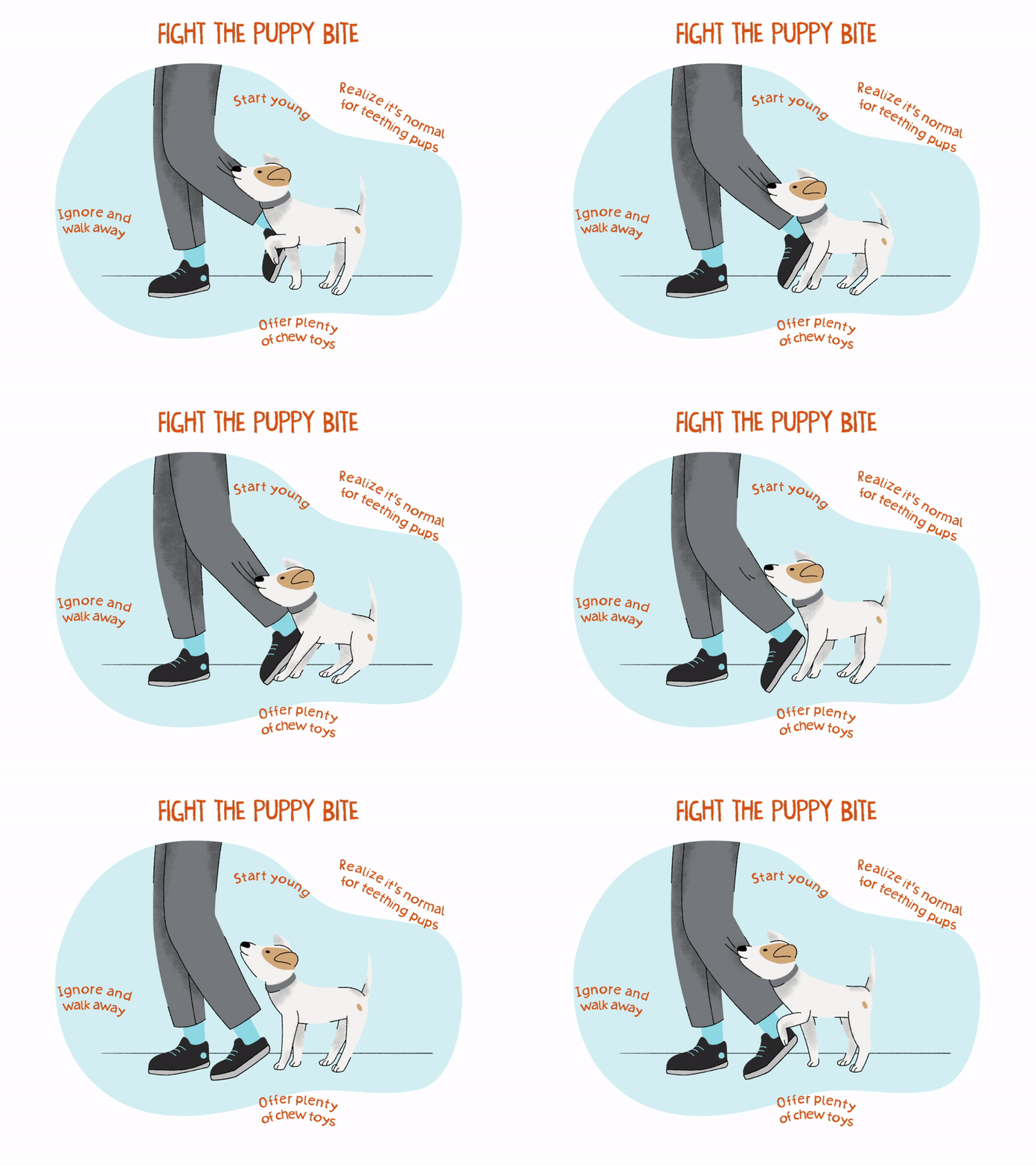
Credit: www.banfield.com
Frequently Asked Questions
How Can I Stop My Puppy From Biting Hands?
Consistently redirect your puppy’s biting to chew toys. Use gentle but firm “no” commands. Reward calm behavior with treats and praise.
Why Do Puppies Bite So Much?
Puppies bite to explore, play, and relieve teething pain. It’s a natural behavior but needs training to prevent harm.
What Are Effective Chew Toys For Biting Puppies?
Choose durable, non-toxic rubber or nylon toys. Avoid small or soft toys that can be swallowed or destroyed easily.
When Should I Seek Professional Help For Puppy Biting?
If biting persists despite training, or causes injury, consult a professional trainer or vet for tailored advice and behavior modification.
Conclusion
Stopping puppy biting takes patience and clear guidance. Consistent training helps your puppy learn good behavior. Offer chew toys to keep their mouth busy. Praise your puppy when they play gently. Avoid rough play that encourages biting. Remember, puppies bite to explore and communicate.
Stay calm and firm during training sessions. Over time, biting will decrease and stop. You will enjoy a happy, well-behaved puppy. Keep practicing daily for best results. Small steps lead to big progress.


