

Getting a new puppy is exciting, but it can also feel overwhelming. You want to raise a happy, well-behaved dog, but where do you start?
What if you could understand your puppy better and guide them with gentle, effective techniques? That’s exactly what the Dog Whisperer puppy tips will help you do. These simple, proven strategies will make training easier, deepen your bond, and turn your playful pup into a confident companion.
Keep reading, because the secrets to your puppy’s success are closer than you think.

Credit: www.youtube.com
Choosing The Right Puppy
Choosing the right puppy is the first step to a happy life with your new dog. Each puppy is unique. Picking one that fits your lifestyle makes training and care easier. Think about your home, time, and family before deciding.
Breed Characteristics
Each dog breed has special traits. Some need lots of exercise. Others prefer calm indoor time. Small breeds may fit well in apartments. Large breeds often need more space. Knowing breed traits helps match your needs.
Health Considerations
Some breeds have common health problems. Research these before choosing. Ask the breeder about health tests. A healthy puppy starts with good care. Early vet visits keep your puppy strong.
Temperament Traits
Temperament means how a puppy acts. Some are shy, some are outgoing. Some dogs are good with kids, others prefer quiet homes. Choose a puppy with a temperament that fits your family.
Preparing Your Home
Preparing your home for a new puppy is essential. It helps your puppy feel safe and comfortable. A well-prepared home also protects your belongings and keeps your puppy healthy. Taking time to set up your space makes training easier and life happier for both of you.
Safe Puppy Zones
Create areas where your puppy can play and rest without danger. Use baby gates or playpens to block off unsafe rooms. Choose quiet corners away from loud noises and busy foot traffic. Soft bedding and toys make these zones inviting and cozy.
Essential Supplies
Get basic supplies before your puppy arrives. Food and water bowls, a comfortable bed, and chew toys are must-haves. Also, pick up grooming tools like brushes and nail clippers. A collar with ID tags and a leash keep your puppy safe outdoors.
Puppy-proofing Tips
Remove small objects your puppy could swallow. Secure electrical cords and hide them out of reach. Store cleaning products and medicines in locked cabinets. Cover trash cans and block off stairs to prevent accidents. Check plants; some can be harmful to dogs.
First Days With Your Puppy
Bringing a new puppy home is exciting and a little challenging. The first days are very important. They set the tone for your puppy’s future behavior and comfort. A calm and patient approach helps your puppy feel safe and loved. This time builds the foundation for a strong bond.
Settling In
Let your puppy explore the new space slowly. Provide a quiet area with a soft bed. Keep loud noises and sudden movements low. Give your puppy time to adjust to sights and sounds. Offer water and a few toys to comfort them. Stay close but avoid overwhelming your puppy.
Establishing Routines
Puppies thrive on routine. Feed your puppy at the same times daily. Take them outside regularly for bathroom breaks. Set consistent play and rest times. Routines help your puppy learn what to expect. This reduces anxiety and encourages good habits early.
Building Trust
Speak softly and move gently around your puppy. Spend quiet moments petting and talking calmly. Avoid sudden grabs or loud commands. Reward good behavior with treats and praise. Trust grows when your puppy feels safe and understood. Patience and kindness build a lasting connection.
Basic Training Techniques
Basic training techniques lay the foundation for a well-behaved puppy. These methods help puppies learn good habits early. Training also builds trust between you and your dog. Start with simple steps and keep training sessions short. Consistency is key to success in puppy training.
Positive Reinforcement
Positive reinforcement means rewarding good behavior. Use treats, praise, or toys to encourage your puppy. This method helps puppies understand what you want. Avoid punishment; it can cause fear and confusion. Reward your puppy immediately after the desired action. This way, your puppy links the reward to the behavior.
Crate Training
Crate training gives puppies a safe space. It helps with house training and prevents bad habits. Choose a crate big enough for your puppy to stand and turn. Make the crate comfortable with a soft bed inside. Never use the crate as punishment. Encourage your puppy to enter the crate with treats and toys.
Potty Training
Potty training teaches puppies where to go outside. Take your puppy out often, especially after eating or sleeping. Use a consistent spot for bathroom breaks. Praise your puppy after they go in the right place. Clean accidents with an enzyme cleaner to remove smells. Patience and regular schedule help puppies learn quickly.
Socialization Strategies
Socialization is key to raising a confident and happy puppy. Early experiences shape how your puppy reacts to new people, animals, and places. Good socialization helps prevent fear and aggression later in life. Start socializing your puppy gently and often. Keep each experience positive and calm. Here are some effective socialization strategies to try.
Introducing New People
Let your puppy meet many different people. Include men, women, children, and elderly individuals. Keep meetings short and calm. Allow your puppy to approach at their own pace. Offer treats and praise to create good memories. Avoid forcing your puppy to interact. Gentle introductions build trust and comfort around strangers.
Meeting Other Dogs
Arrange safe playdates with well-behaved dogs. Look for dogs that are calm and friendly. Always supervise interactions closely. Start with short meetings in neutral spaces. Teach your puppy to play gently and share space. Positive dog-to-dog contact helps your puppy learn good behavior. Avoid crowded dog parks until your puppy is ready.
Exposure To Environments
Take your puppy to different places often. Explore parks, streets, stores, and car rides. Let your puppy see new sights and hear new sounds. Keep outings short and enjoyable. Use treats and praise to reward calm behavior. New environments build your puppy’s confidence. Avoid overwhelming your puppy with too many changes at once.
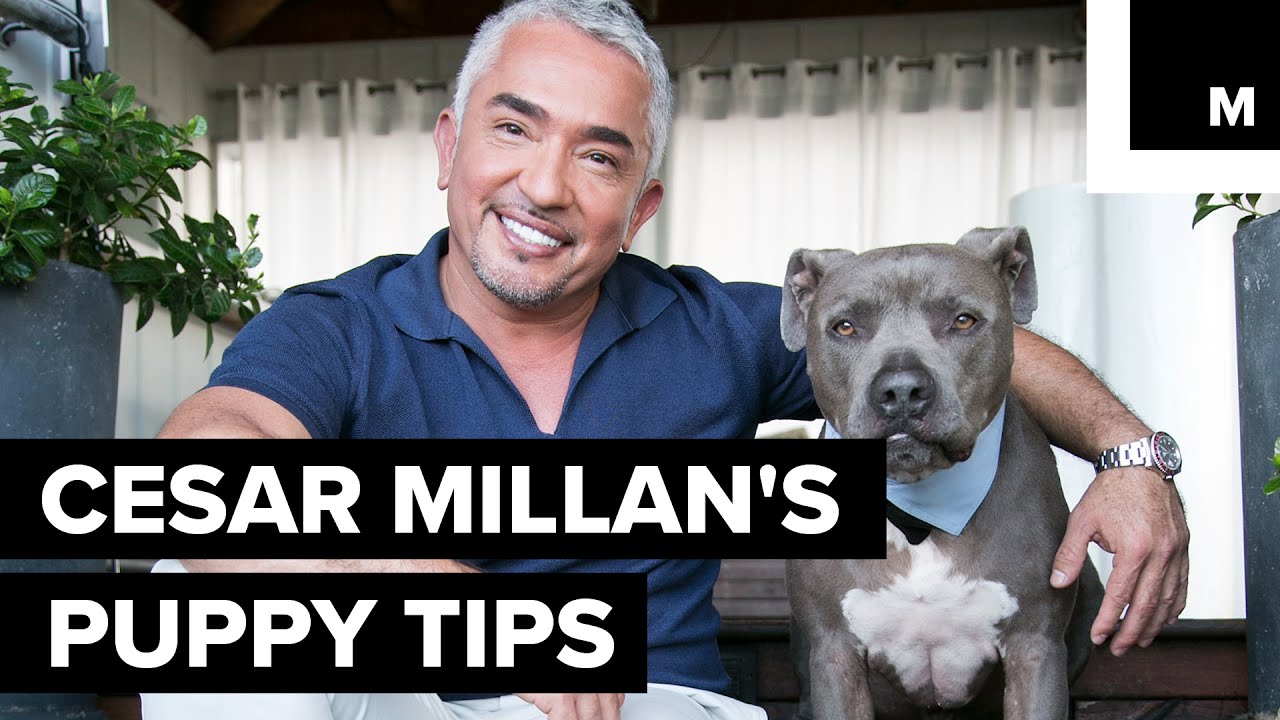
Credit: www.youtube.com
Handling Common Challenges
Handling common challenges with puppies can feel tough. Many new dog owners face similar issues. Knowing how to respond helps build trust and good behavior. Patience and consistency are key in training puppies. Let’s explore some common challenges and easy ways to handle them.
Chewing And Biting
Puppies chew to explore and soothe teething pain. Provide safe chew toys to keep them busy. Redirect their biting from hands to toys gently. Praise them when they chew the right things. Avoid yelling or harsh punishments; it can scare the puppy.
Separation Anxiety
Puppies often feel scared when left alone. Start with short separations and slowly increase time apart. Create a cozy space with toys and blankets. Leave a piece of your clothing for comfort. Calm departures and arrivals reduce stress for your puppy.
Excessive Barking
Barking signals needs or attention from your puppy. Learn what triggers the barking—noise, boredom, or fear. Use calm commands to stop barking. Reward quiet behavior with treats or praise. Regular exercise and mental play lower barking frequency.
Nutrition And Health
Good nutrition and health care form the base of a happy puppy. Proper food and health habits build strong bones, a shiny coat, and a sharp mind. Healthy puppies grow faster and avoid many common diseases. Careful attention to diet and regular health checks keep puppies lively and playful.
Balanced Diet Tips
Feed your puppy food made for their age and size. Look for meals rich in protein, vitamins, and minerals. Avoid giving human food, as some can harm puppies. Fresh water must be available all day. Split meals into small portions, feeding 3 to 4 times daily. Healthy snacks can help with training but keep them small.
Vaccination Schedule
Vaccines protect puppies from serious illnesses. Start vaccines at six to eight weeks old. Keep a written record of all shots given. Follow the vet’s timeline for booster doses. Missing vaccines risks infections like parvovirus and distemper. Vaccinating also helps protect other pets and people.
Regular Vet Visits
Visit the vet early and often. Vet checks catch health problems early. Discuss diet, behavior, and growth with your vet. Deworming and flea control are vital during visits. Make appointments every three months until your puppy is one year old. Routine visits build trust and keep your puppy safe.

Credit: www.chewy.com
Building A Lasting Bond
Building a lasting bond with your puppy is the key to a happy life together. It creates trust and makes training easier. Puppies feel safe and loved when you spend quality time with them. Understanding your puppy’s needs helps strengthen your connection. Let’s explore simple ways to build this special bond.
Playtime Activities
Playtime is more than fun for your puppy. It helps them learn about the world and their limits. Use toys like balls and ropes to keep them active. Gentle games like tug or fetch build trust and joy. Short, frequent play sessions help your puppy stay engaged and happy. Always watch your puppy’s energy to avoid over-excitement.
Consistent Communication
Clear communication is vital for bonding. Use simple words and calm tones when talking to your puppy. Repeat commands so they understand what you want. Body language matters too—smiles and gentle touches comfort your puppy. Consistency in your words and actions builds confidence. Your puppy learns faster when signals never change.
Recognizing Puppy Needs
Pay close attention to your puppy’s signals. Yawning, whining, or scratching can mean they need rest or attention. Feeding, potty breaks, and naps should follow a routine. Meeting these needs shows your puppy they can trust you. Notice their favorite spots and comfort objects. Respecting their feelings deepens your bond every day.
Frequently Asked Questions
How Do I Start Training My Puppy Effectively?
Start training early with simple commands like sit and stay. Use positive reinforcement such as treats and praise. Consistency and patience are key to building good habits.
What Are The Best Socialization Tips For Puppies?
Introduce your puppy to different people, animals, and environments gradually. Positive experiences help build confidence and reduce fear. Early socialization improves behavior as they grow.
How Can I Stop My Puppy From Biting?
Redirect biting to chew toys and avoid rough play. Consistently say “no” and offer alternatives. Gentle, patient training teaches bite inhibition and good manners.
What Diet Is Best For A Growing Puppy?
Feed high-quality puppy food rich in protein and nutrients. Follow portion guidelines based on age and breed size. Fresh water should always be available to keep them hydrated.
Conclusion
Training a puppy takes time, patience, and love. Small steps lead to big progress. Speak softly, stay calm, and be consistent every day. Puppies learn best through gentle guidance and clear signals. Enjoy the journey of growing together with your new friend.
Trust your instincts and keep your puppy happy and safe. Good habits now will last a lifetime. Remember, kindness builds a strong bond between you both. Keep practicing, and success will follow naturally.


