

Bringing a puppy into your home is exciting, but training them can feel overwhelming. You want your puppy to grow into a well-behaved, happy dog, and the right training makes all the difference.
Imagine having a puppy who listens, follows commands, and fits seamlessly into your daily life. You’ll discover simple, effective tips that make training easier and even enjoyable for both you and your furry friend. Ready to transform your puppy’s behavior and strengthen your bond?
Keep reading—you’re just a few steps away from becoming the best trainer your puppy could ask for.
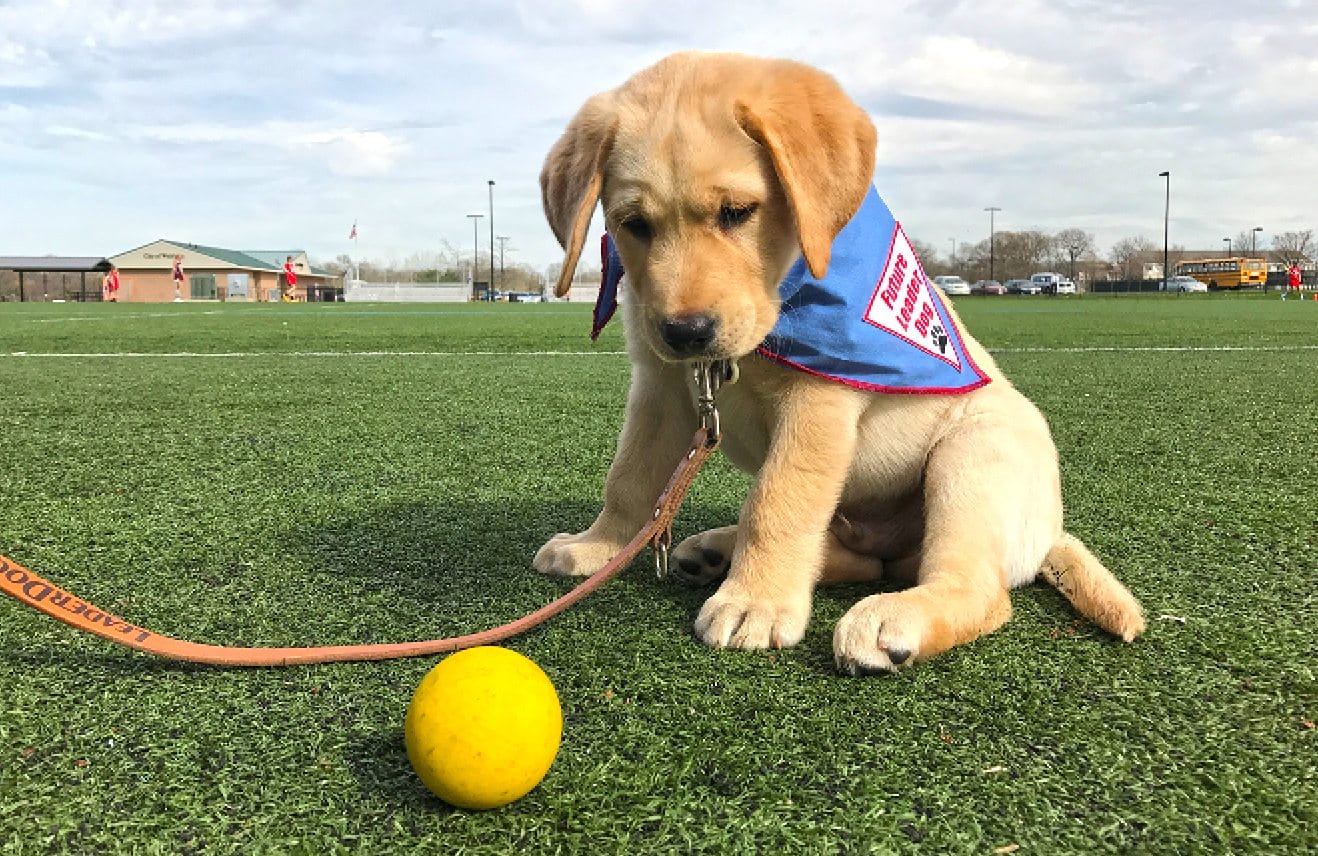
Credit: www.leaderdog.org
Choosing The Right Training Approach
Choosing the right training approach is key to raising a happy puppy. Every dog learns in a unique way. Finding a method that fits your puppy’s personality helps build trust. Training becomes easier and more effective. It also creates a strong bond between you and your puppy.
Start by understanding your puppy’s behavior and energy levels. Some puppies respond well to treats. Others like toys or praise. Matching your training style to your puppy’s needs speeds up learning.
Positive Reinforcement Techniques
Positive reinforcement means rewarding good behavior. Use treats, toys, or kind words as rewards. This encourages your puppy to repeat good actions. Avoid punishment or harsh words. They can cause fear and confusion. Praise your puppy often. Celebrate small successes to keep them motivated.
Consistency In Commands
Use the same words for each command every time. Consistency helps your puppy understand what you want. Avoid changing commands or using many words for the same action. Keep your tone calm and clear. Consistent commands make training less confusing for your puppy.
Setting Realistic Goals
Set small, simple goals for your puppy. Start with basic commands like sit or stay. Gradually increase difficulty as your puppy learns. Be patient and allow time for practice. Unrealistic goals can lead to frustration. Celebrate progress, no matter how small. This builds confidence in your puppy.
Basic Commands To Teach First
Teaching your puppy basic commands builds a strong bond. It helps your dog understand your expectations. Start with simple commands that keep your puppy safe and well-behaved. These commands form the foundation for more advanced training later.
Sit And Stay
The “sit” command is one of the easiest to teach. It helps calm your puppy and gain control. To teach “sit,” hold a treat above your pup’s nose and move it back slowly. When the puppy sits, say “sit” and give the treat. Practice this often and add “stay” by asking your dog to hold the position. Praise your puppy for staying still for a few seconds.
Come When Called
Calling your puppy back is important for safety. Use a cheerful voice and say your puppy’s name followed by “come.” Reward your dog with treats or pets when it obeys. Start training in a quiet place and gradually add distractions. This command helps keep your puppy close and safe outdoors.
Heel And Walk
Teaching your puppy to walk nicely on a leash prevents pulling and bad habits. Use a short leash and keep your puppy near your side. Stop walking if the puppy pulls and only move when it returns to your side. Reward good behavior with treats or praise. Walking calmly makes walks more enjoyable for both of you.
House Training Tips
House training is one of the first steps in raising a well-behaved puppy. It helps your puppy learn where to go to the bathroom. Patience and consistency make this training easier. Clear rules and routines guide your puppy’s learning. Keep your training sessions short and positive. Celebrate small wins to encourage good behavior.
Establishing A Routine
Set regular times for bathroom breaks. Take your puppy outside after eating, playing, and waking up. Consistent timing helps your puppy learn faster. Choose a specific spot outside for bathroom breaks. Use the same words each time to signal it is time. Puppies thrive with predictable schedules.
Using Crate Training
A crate offers a safe, quiet space for your puppy. Dogs naturally avoid soiling their sleeping area. Use the crate for short periods at first. Never use the crate as punishment. Gradually increase crate time as your puppy adjusts. Always take your puppy outside right after crate time.
Managing Accidents
Accidents happen. Stay calm and avoid punishment. Clean accidents thoroughly to remove odors. Use enzyme cleaners for best results. Watch your puppy closely to spot signs of needing to go. Praise your puppy for going outside. This builds trust and encourages good habits.
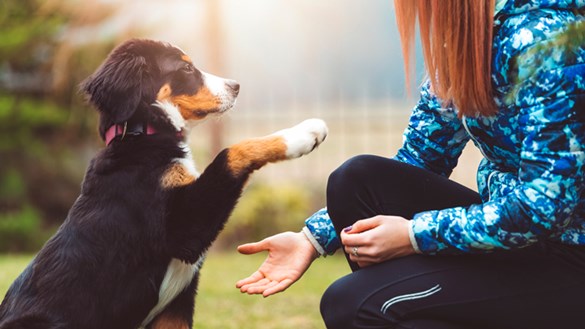
Credit: www.medivetgroup.com
Socialization Strategies
Socialization is key to raising a happy and confident puppy. It helps your puppy learn how to behave around people, animals, and new places. Early social experiences shape their personality and reduce fear or aggression later. Start socialization early, and be patient. Make each experience positive and safe for your puppy.
Introducing To New People
Let your puppy meet different people often. Choose calm and friendly individuals. Let your puppy sniff and explore at their own pace. Use treats and praise to create good memories. Avoid forcing your puppy to interact. Gentle greetings help build trust and friendliness.
Exposure To Other Animals
Allow your puppy to meet other dogs and animals carefully. Pick healthy and vaccinated pets for introductions. Keep the first meetings short and calm. Watch your puppy’s body language closely. Reward good behavior with treats and affection. These experiences teach your puppy to share space and play nicely.
Handling Different Environments
Take your puppy to varied places like parks, streets, and pet stores. Different sights, sounds, and smells help your puppy adapt. Keep your puppy on a leash and stay close. Use treats to encourage calm and curious behavior. Gradual exposure builds your puppy’s confidence and reduces fear.
Dealing With Common Behavioral Issues
Puppies are full of energy and curiosity. This can lead to some common behavior problems. Handling these issues early helps your puppy grow into a well-behaved dog. Patience and consistency are key to success. Here are simple tips to manage usual puppy challenges.
Biting And Chewing
Puppies explore the world with their mouths. Biting and chewing are normal but can be painful or destructive. Give your puppy safe chew toys to redirect this habit. Say “no” firmly if your puppy bites your skin. Offer a toy instead and praise when they chew it. Avoid using hands as playthings to reduce biting.
Excessive Barking
Some puppies bark a lot. Barking may signal fear, boredom, or a need for attention. Teach your puppy a quiet command using calm tones. Reward silence with treats or petting. Keep your puppy busy with toys and exercise to lower barking. Avoid shouting; it can make barking worse.
Jumping On People
Jumping is a common way puppies greet people. This can be scary or annoying. Turn away when your puppy jumps. Only give attention when all four paws are on the ground. Teach a sit command and ask for it before petting. Consistent training stops jumping fast.
Tools And Resources For Training
Training a puppy needs the right tools and resources. These help make learning fun and effective. Choosing the right items can keep your puppy focused and motivated. It also helps you teach important commands easily. The following sections cover useful tools you can use for training success.
Training Treats And Toys
Tasty treats reward good behavior. Use small, soft treats that your puppy loves. This keeps them eager to learn without filling them up. Toys help keep your puppy’s attention. Choose chew toys and fetch toys for active play. These tools provide fun breaks during training sessions.
Professional Training Classes
Classes offer expert guidance for puppy training. Trainers teach you how to handle common problems. Group classes let your puppy meet other dogs. This helps with social skills and confidence. Private sessions focus on your puppy’s specific needs. Both types of classes build strong training foundations.
Useful Apps And Books
Apps provide easy tips and reminders on the go. Many have videos showing proper training steps. Books offer detailed advice for different training methods. They explain puppy behavior and care in simple words. Using apps and books together supports steady progress.
Maintaining Progress And Patience
Training a puppy is a step-by-step journey. Maintaining progress requires steady effort and lots of patience. Puppies learn best with small, frequent practice sessions. Staying calm and positive helps your puppy feel safe and ready to learn.
Regular Practice Sessions
Short training sessions work best for puppies. Aim for five to ten minutes at a time. Practice daily to build good habits. Keep sessions fun and rewarding to hold your puppy’s attention. Consistency helps your puppy understand what you want.
Tracking Improvements
Note your puppy’s progress each week. Write down new skills learned and areas needing work. Celebrate small wins to stay motivated. Tracking helps you see what works and what needs changing. It guides your training plan clearly.
Staying Patient And Positive
Puppies take time to learn new things. Expect mistakes and accidents along the way. Speak kindly and use gentle corrections. Praise good behavior often to encourage learning. Patience builds trust and a strong bond with your puppy.

Credit: www.robcary.com
Frequently Asked Questions
How Often Should I Train My Puppy Daily?
Training sessions should last 5-10 minutes, 2-3 times daily. Short, frequent sessions keep your puppy engaged and prevent boredom. Consistency and patience are key to effective learning and habit formation.
What Is The Best Age To Start Puppy Training?
Begin training your puppy as early as 7-8 weeks old. Early training helps establish good behavior and social skills. Puppies are most receptive to learning during this critical period.
How Can I Potty Train My Puppy Effectively?
Take your puppy outside frequently, especially after meals and naps. Praise and reward them immediately after successful potty breaks. Consistent routine and positive reinforcement speed up potty training success.
What Are Essential Commands To Teach A Puppy First?
Start with basic commands like “sit,” “stay,” “come,” and “leave it. ” These commands build control and safety. Use treats and praise to motivate your puppy during training.
Conclusion
Training your puppy takes time and patience. Consistent practice helps build good habits. Use simple commands and reward positive behavior. Keep training sessions short and fun. Remember, puppies learn best with kindness. Stay calm and be patient every day. Your puppy will grow into a well-behaved dog.
Enjoy the journey and bond with your pet. Training creates trust and friendship that lasts. Start today and watch your puppy thrive.


