Your 4-month-old puppy is growing fast, and this is a crucial time to shape good habits. If you want your puppy to listen, behave well, and become a happy part of your family, the right training now makes all the difference.
You might be wondering where to start or how to handle those stubborn moments. Don’t worry – these simple, effective tips will guide you step-by-step. Keep reading to discover how to turn your playful pup into a well-mannered companion you can be proud of.
Setting Training Goals
Setting training goals for a 4-month-old puppy helps keep the process clear and focused. Goals guide your training sessions and track progress. This keeps both you and your puppy motivated. Clear goals prevent frustration and confusion during training. Let’s explore key aspects of setting these goals.
Age-appropriate Milestones
At 4 months, puppies learn fast but need simple tasks. Focus on basic commands like sit, stay, and come. Socialization with people and other dogs is important. Puppies should also start crate training and housebreaking. Avoid complex commands that require long attention spans. Small, clear steps work best at this age. Celebrate small wins to encourage your puppy.
Behavior Priorities
Decide which behaviors need the most work. Common priorities include biting, chewing, and jumping. Teach gentle mouth use to reduce biting. Provide chew toys to prevent destructive chewing. Reward calm greetings to stop jumping on people. Consistency helps your puppy learn good behavior faster. Address one behavior at a time for best results.
Establishing A Routine
Establishing a routine is important for training a 4-month-old puppy. Puppies feel safe when they know what to expect. A daily schedule helps them learn good habits faster. It also reduces stress for both you and your puppy.
At this age, puppies are learning many new things. Consistent routines guide their behavior. They start to understand when it is time to eat, play, or rest. This predictability makes training easier and more effective.
Consistent Feeding Times
Feed your puppy at the same times every day. This helps regulate their digestion and bathroom needs. Consistent feeding prevents overeating and supports healthy growth. It also creates natural times for potty breaks. Avoid giving extra snacks outside scheduled meals.
Scheduled Play And Rest
Plan play sessions and rest periods throughout the day. Puppies have bursts of energy but tire quickly. Short, regular playtimes help burn energy and teach good behavior. Quiet rest times allow your puppy to recover and grow. Balance between play and rest keeps your puppy calm and happy.
Basic Obedience Commands
Teaching basic obedience commands is essential for your 4-month-old puppy. These commands build good habits and improve communication between you and your puppy. Start with simple commands that your puppy can learn quickly. Consistency and patience help your puppy understand what you want.
Short training sessions work best. Keep them fun and rewarding. Use treats and praise to encourage your puppy. Practice commands in different places to help your puppy learn well.
Sit And Stay
Teaching “Sit” is one of the first commands for puppies. Hold a treat close to your puppy’s nose, then move it up. Your puppy will naturally sit to follow the treat. Say “Sit” clearly and give the treat once your puppy sits.
Next, add “Stay.” Ask your puppy to sit, then hold your hand out like a stop sign. Say “Stay” and take a few steps back. Return quickly and reward your puppy if they stay still. Increase the time and distance slowly.
Come And Heel
Teaching “Come” helps keep your puppy safe. Use a happy voice and say “Come” while gently pulling on the leash. When your puppy comes, give a treat and lots of praise. Practice in quiet places first, then in busier spots.
The “Heel” command teaches your puppy to walk beside you. Hold a treat near your leg and say “Heel.” Move forward slowly and reward your puppy for staying close. Stop if your puppy pulls and start again.
Leave It And Drop
“Leave It” helps your puppy ignore things they should not touch. Show your puppy a treat but do not give it. Say “Leave It” and wait. When your puppy stops reaching for the treat, reward with a different treat.
“Drop” is useful when your puppy has something in their mouth. Offer a treat and say “Drop.” Wait until your puppy releases the item, then give the treat. Practice often to keep your puppy safe.
House Training Techniques
House training is a key part of raising a happy puppy. Teaching your 4-month-old pup where to go potty helps prevent accidents. It also builds good habits for life. Consistency and patience are very important in this process. A calm approach helps your puppy learn faster.
Using the right techniques makes house training easier for both of you. Here are two effective methods to try.
Potty Training Tips
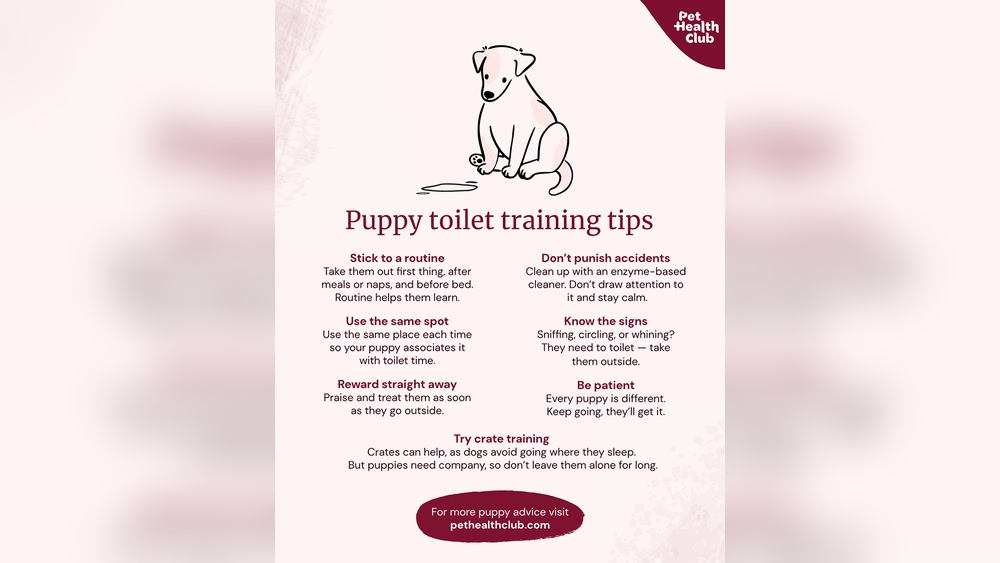
Take your puppy outside often, especially after meals and naps. Use the same spot every time. Praise your puppy immediately after they go potty outside. This helps them understand where to go.
Watch for signs like sniffing or circling. These show your puppy needs to go out. Keep a regular schedule for bathroom breaks. This reduces accidents inside the house.
Clean any accidents quickly with an enzyme cleaner. This removes smells that might attract your puppy back to the same spot.
Crate Training Benefits
Crate training provides a safe space for your puppy. It helps control their bathroom habits. Dogs usually avoid soiling their sleeping area. This encourages them to hold it until taken outside.
Use the crate for short periods at first. Make it comfortable with a soft bed and toys. Never use the crate as punishment. This keeps your puppy happy and secure inside.
Crate training also helps with travel and vet visits. Puppies feel less stressed when they have a familiar space.
Socialization Strategies
Socialization is key for a 4-month-old puppy’s growth. It helps them learn how to behave around others. This stage shapes their confidence and comfort in new situations. Early social experiences prevent fear and aggression later.
Use gentle, positive encounters to build trust. Let your puppy explore the world safely. Socialization sets the path for a well-mannered adult dog.
Introducing New People
Start by meeting calm, friendly people. Let your puppy approach at their own pace. Allow gentle petting and soft voices. Avoid loud noises or sudden movements. Praise your puppy for calm behavior. Repeat visits help your puppy feel safe. Each positive meeting builds trust and confidence.
Exposure To Other Animals
Introduce your puppy to vaccinated dogs first. Choose animals that are calm and patient. Keep initial meetings short and supervised. Use a leash to control the situation. Watch your puppy’s body language for stress. Gradually increase interaction time. Positive experiences teach good social skills with animals.
Handling Different Environments
Take your puppy to various places daily. Try parks, streets, and quiet shops. Let them hear different sounds and smells. Use treats to create happy associations. Walk on different surfaces like grass or pavement. Change routines to build adaptability. New environments boost confidence and reduce fear.
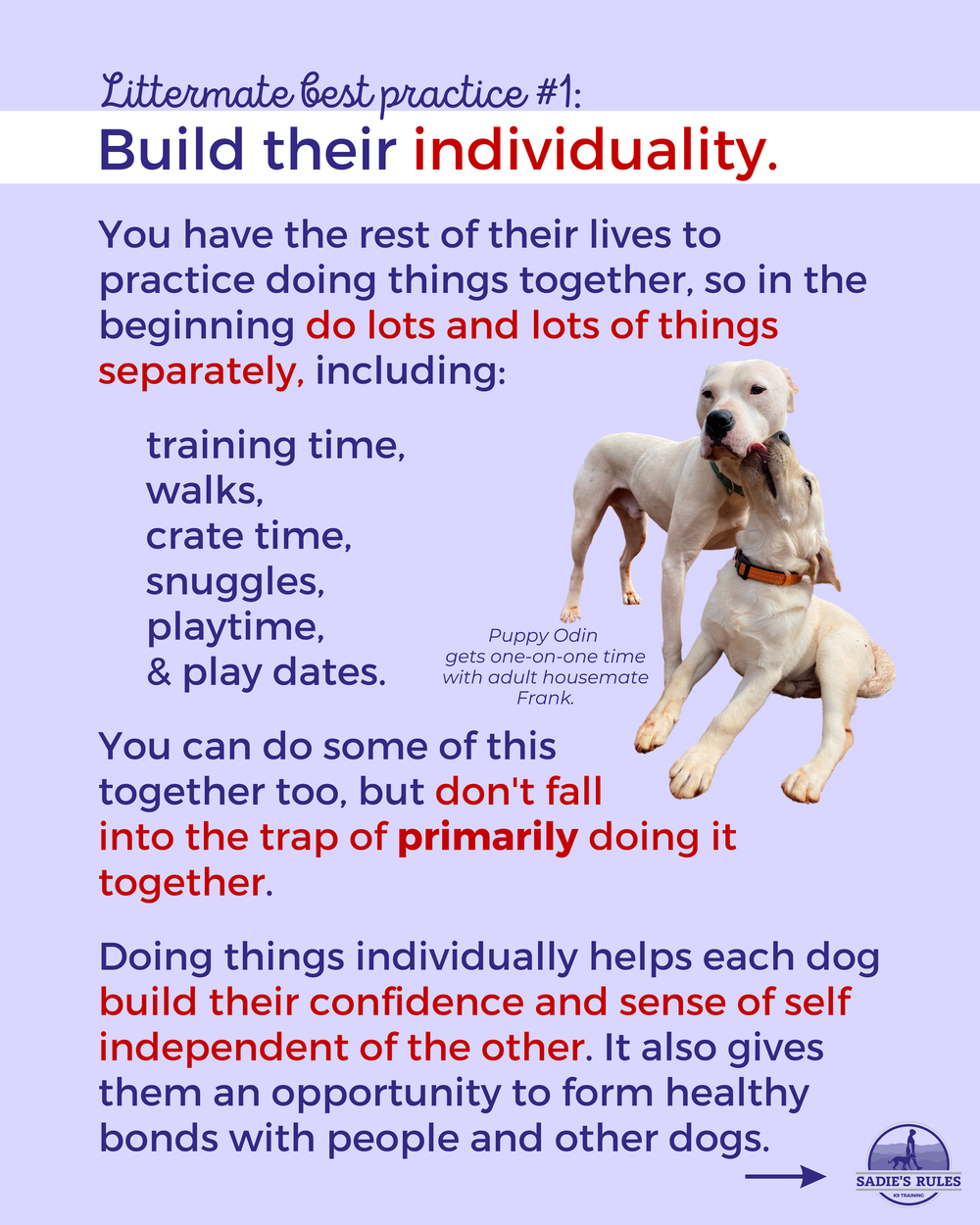
Credit: www.sadiesrulesk9training.com
Positive Reinforcement Methods
Positive reinforcement is a powerful way to train a 4-month-old puppy. It helps your puppy learn good behavior by rewarding what you want to see. This method builds trust and makes training fun for both of you.
Using rewards encourages your puppy to repeat good actions. It also creates a bond between you and your pet. The key is to use rewards the right way to get the best results.
Using Treats Effectively
Choose small, tasty treats your puppy loves. Treats should be easy to chew and quick to eat. Give a treat immediately after your puppy does the right thing. This helps your puppy connect the reward with the behavior.
Use treats sparingly to avoid overfeeding. Switch to praise or affection after your puppy learns a command well. Treats are tools, not the only way to train.
Praise And Affection
Use a happy voice to praise your puppy. Say “good dog” or “well done” with a smile. Petting and gentle pats show your puppy you are pleased.
Praise helps your puppy feel safe and loved. It is a reward your puppy can enjoy anytime. Mix praise with treats to keep training exciting.
Timing Rewards
Give rewards right after good behavior. Delays confuse your puppy and slow learning. Watch closely and reward quickly for best results.
Immediate rewards make clear what behavior you want. This helps your puppy learn commands faster. Timing is a simple but important part of training success.
Managing Common Challenges
Training a 4-month-old puppy can bring many challenges. This age is full of curiosity and energy. Puppies test limits and learn about their world. Managing common problems early helps build good habits. Patience and consistency are key to success. Here are tips to handle some frequent issues.
Chewing And Biting
Puppies explore by chewing and biting. They may chew on shoes, furniture, or fingers. Offer safe chew toys to redirect their energy. Praise your puppy when they chew the right items. Avoid rough play that encourages biting. If your puppy bites, say “no” firmly and stop playing. This teaches that biting ends the fun. Regular exercise helps reduce biting caused by excess energy.
Separation Anxiety
Puppies may feel scared when left alone. Signs include whining, barking, or destructive behavior. Start with short separations to build comfort. Use a crate or safe space for your puppy. Leave a toy or blanket with your scent inside. Avoid long goodbyes to keep calm feelings. Gradually increase alone time as your puppy adjusts. Stay calm and patient during this process.
Excessive Barking
Some puppies bark a lot to get attention or out of fear. Teach a “quiet” command by rewarding silence. Ignore barking that seeks attention. Provide enough playtime to reduce boredom. Identify what triggers the barking and reduce those triggers. Use calm tones when correcting barking. Consistent training helps your puppy learn when to be quiet.
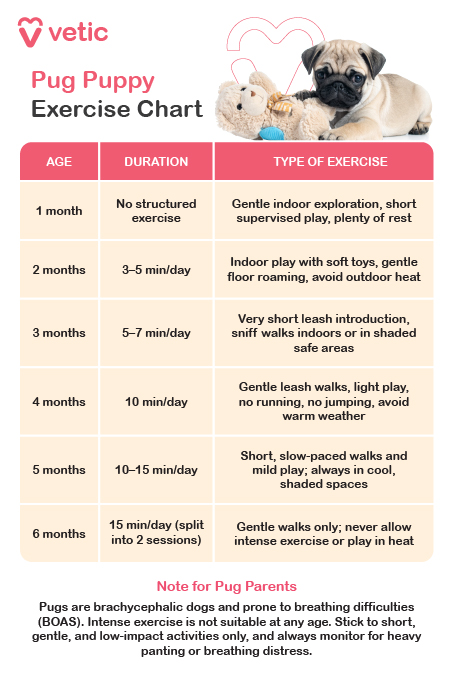
Credit: vetic.in
Safety And Health Tips
Training a 4-month-old puppy is exciting but requires care for safety and health. Puppies are still growing and learning about the world. Protecting their well-being during training helps them develop good habits and stay healthy.
Focus on tools and practices that keep your puppy safe. Monitor their health closely to catch any problems early. This approach creates a positive training experience for both you and your puppy.
Safe Training Tools
Choose training tools that fit your puppy’s size and strength. Use soft collars or harnesses instead of tight or heavy ones. Avoid choke chains or prong collars that can hurt your puppy’s neck.
Pick toys and treats that are safe to chew and swallow. Avoid small or sharp items that can cause choking. Use lightweight leashes to control your puppy gently without strain.
Always check tools for damage before use. Replace broken or worn items to prevent accidents. Safe tools make training easier and more comfortable for your puppy.
Regular Vet Checks
Schedule regular vet visits during puppy training. Vets monitor growth and spot health issues early. Vaccinations keep your puppy protected from common diseases.
Discuss training plans with your vet. They can offer advice on nutrition, exercise, and behavior. Regular health checks help your puppy stay active and ready to learn.
Watch for signs of illness like lethargy, loss of appetite, or coughing. Contact your vet if you notice any changes. Healthy puppies learn faster and enjoy training more.

Credit: www.preventivevet.com
Frequently Asked Questions
How Do I Start Training My 4-month-old Puppy?
Begin with basic commands like sit, stay, and come. Use positive reinforcement and short sessions to keep your puppy engaged and motivated.
What Are Effective Potty Training Tips For Puppies?
Establish a consistent schedule, take your puppy outside frequently, and reward them immediately after they go potty outside to reinforce good habits.
How Can I Stop My Puppy From Biting?
Redirect biting to chew toys and avoid rough play. Consistently say “no” and offer praise when your puppy uses toys instead of hands.
When Should Socialization Start For A 4-month-old Puppy?
Socialization should start immediately. Introduce your puppy to various people, animals, and environments safely to build confidence and reduce fear.
Conclusion
Training a 4-month-old puppy takes patience and care. Small steps each day build good habits. Consistency helps your puppy learn faster and better. Keep training sessions short and fun to hold attention. Reward good behavior with treats and praise. Remember, mistakes are normal; stay calm and keep trying.
Early training shapes a happy, well-behaved dog. Enjoy the journey and watch your puppy grow. Good training now makes life easier later. Keep love and patience at the heart of every lesson.