

Getting your puppy to sleep peacefully through the night can feel like a big challenge. But with the right crate training tips, you can turn bedtime into a calm and stress-free routine for both you and your furry friend.
If you want your puppy to feel safe, comfortable, and happy in their crate, this guide is exactly what you need. Keep reading to discover simple, effective strategies that will make nighttime crate training easier than you ever thought possible.
Your puppy—and your sleep—will thank you!
Choosing The Right Crate
Choosing the right crate is very important for puppy crate training at night. A good crate helps your puppy feel safe and comfortable. It also makes training easier and less stressful. Picking the best crate means thinking about size and comfort first. Then, consider the types of crates available. Both matter a lot for your puppy’s well-being and training success.
Size And Comfort
The crate should fit your puppy well. It must be big enough for your puppy to stand, turn, and lie down easily. Too large a crate may feel unsafe to your puppy. Too small will make your puppy uncomfortable. Soft bedding inside makes the crate cozy. Your puppy will want to sleep and rest in it. Good airflow and ventilation are key. Keep the crate in a quiet, warm place for better comfort.
Types Of Crates
Many crate types exist. Wire crates offer good airflow and visibility. They are strong and easy to clean. Plastic crates are cozy and private. They block some noise and light, which helps shy puppies. Soft-sided crates are lightweight and portable. They suit calm puppies well. Pick a crate type based on your puppy’s needs and your home. Each type has pros and cons. Choose one that helps your puppy feel safe and relaxed.
Preparing Your Puppy
Preparing your puppy for crate training at night sets a calm, positive tone. It helps your puppy feel safe and comfortable. This step is key to success and less stress for both of you. Start slow and make the crate a happy place.
Introducing The Crate Positively
Place the crate in a quiet, familiar spot. Leave the door open so your puppy can explore. Put treats or toys inside to invite curiosity. Praise your puppy when they go near or inside. Never force your puppy into the crate. Let them enter at their own pace. This builds trust and good feelings about the crate.
Creating A Cozy Space
Make the crate soft and warm with a blanket or bed. Use bedding that smells like your puppy or you. This adds comfort and reduces anxiety. Keep a favorite toy inside for company. Avoid overcrowding the crate; space should feel snug, not tight. A cozy crate feels like a safe den for your puppy.
Establishing A Nighttime Routine
Creating a solid nighttime routine helps your puppy feel safe and calm in the crate. Puppies thrive on predictability. A clear routine signals that it is time to settle down for the night. This reduces anxiety and makes crate training easier.
Consistent Bedtime Schedule
Set the same bedtime every night. Puppies adapt quickly to schedules. A regular sleep time helps regulate their body clock. Avoid letting your puppy stay up late or nap too much before bed. Consistency builds comfort and good habits.
Pre-bedtime Activities
Choose calm activities before bedtime. A short walk or gentle play helps your puppy burn energy. Avoid loud or exciting games that increase alertness. Quiet time with soft petting or brushing relaxes your puppy. These activities prepare your puppy for a peaceful night in the crate.
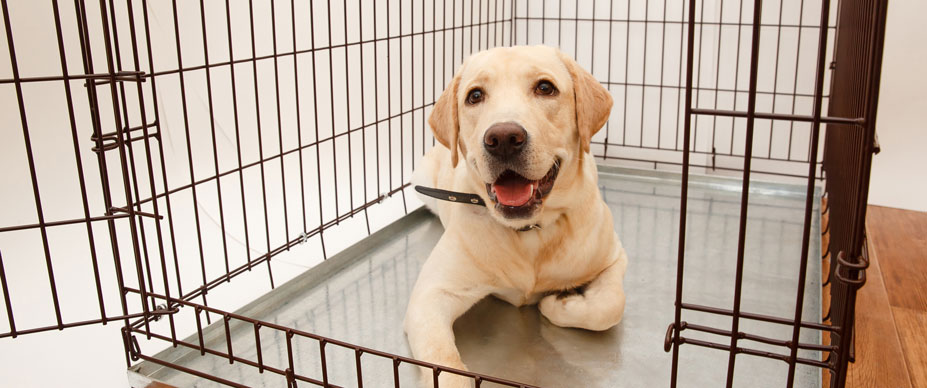
Credit: www.fourpaws.com
Managing Nighttime Whining
Managing nighttime whining is one of the hardest parts of puppy crate training. Puppies often whine to get attention or because they feel lonely. Understanding how to handle this behavior helps your puppy learn to feel safe in the crate. Patience and consistency are key during these early nights.
When To Respond
Not every whine needs a response. Wait a few seconds before going to your puppy. Sometimes, they stop on their own. If whining lasts more than a few minutes, check if your puppy needs a bathroom break or is hurt. Respond calmly and quietly to avoid exciting them.
Avoiding Reinforcement Of Bad Habits
Do not give in to whining by letting your puppy out immediately. This teaches them whining works to escape the crate. Ignore short whining spells to help your puppy learn patience. Offer praise and treats only when your puppy is quiet. This rewards good behavior and reduces whining over time.
Using Rewards And Encouragement
Using rewards and encouragement makes crate training easier for your puppy. It helps your puppy feel safe and happy in the crate. Rewards show your puppy that staying in the crate is good. Encouragement builds trust and makes your puppy want to stay calm at night.
Positive feelings help your puppy learn faster. Rewarding good behavior creates a strong habit. This section covers simple ways to use treats, praise, toys, and comfort items.
Treats And Praise
Give your puppy tasty treats for calm behavior in the crate. Small, soft treats work best. They are easy to eat quickly and don’t make a mess. Praise your puppy with a gentle voice. Say “good boy” or “good girl” softly. Your voice helps your puppy feel safe and loved.
Use treats and praise right after your puppy goes into the crate. This helps your puppy connect the crate with positive feelings. Avoid giving treats only when your puppy is quiet. Reward calm moments often to build a strong habit.
Toys And Comfort Items
Place favorite toys inside the crate. Toys keep your puppy busy and reduce boredom. Choose safe toys that your puppy likes. Chew toys or soft stuffed animals work well. Comfort items like a soft blanket help your puppy feel cozy.
Bring a piece of your clothing with your scent. Your smell comforts the puppy at night. Rotate toys to keep your puppy interested. A happy puppy stays calm and relaxed in the crate.
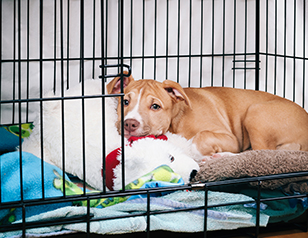
Credit: www.alphapaws.com
Handling Bathroom Breaks
Handling bathroom breaks during puppy crate training at night is very important. Puppies have small bladders and need to go out often. Planning bathroom trips helps your puppy stay comfortable and prevents accidents in the crate. It also teaches your puppy good habits for nighttime.
Timing And Frequency
Puppies usually need a bathroom break right before bedtime. This helps them sleep longer without needing to go out. During the night, expect to take your puppy out every two to three hours. Younger puppies may need more frequent trips. Watch for signs like whining or restless behavior. These often mean your puppy needs to go outside.
Safe Nighttime Trips
Keep nighttime trips calm and quiet. Use a small flashlight or dim light to avoid waking your puppy too much. Take your puppy directly to the bathroom spot. Avoid playing or giving treats during these breaks. This helps your puppy understand that nighttime is for bathroom only. After your puppy finishes, return calmly to the crate. This routine supports faster crate training success.
Common Challenges And Solutions
Crate training a puppy at night can be tough for many pet owners. Challenges often arise that test your patience and your pup’s comfort. Understanding common issues helps create a smoother training experience. Here are some typical problems and ways to solve them.
Separation Anxiety
Many puppies feel scared when left alone in a crate. They may whine, bark, or try to escape. This shows separation anxiety. To reduce anxiety, place the crate near your bed. Your puppy can hear and smell you. Give a soft blanket or favorite toy inside the crate. Calm voice and gentle pats help too.
Adjusting To Crate Training
Some puppies resist the crate at first. It feels new and strange to them. Start by letting your puppy explore the crate during the day. Use treats and praise to make it positive. Keep crate sessions short at the start. Slowly increase the time your puppy stays inside. This helps them feel safe and relaxed.

Credit: www.durapaw.ca
Frequently Asked Questions
How Long Should I Crate Train My Puppy At Night?
Crate train your puppy for 1-2 hours initially. Gradually increase the duration as they get comfortable. Avoid leaving them in the crate all night at first to prevent anxiety and accidents.
What Are The Best Crate Training Tips For Nighttime?
Use a cozy bed and place the crate near you. Establish a bedtime routine and avoid feeding right before bed. Offer bathroom breaks before crating to reduce nighttime accidents.
How Can I Reduce My Puppy’s Nighttime Anxiety In The Crate?
Provide a comforting item like a soft toy or blanket. Keep the crate in a quiet, safe area. Use gentle voice tones and avoid sudden noises to help your puppy feel secure.
When Should I Let My Puppy Out Of The Crate At Night?
Take your puppy out only for bathroom breaks or emergencies. Avoid prolonged playtime to encourage sleeping. Consistency helps puppies learn nighttime crate expectations faster.
Conclusion
Crate training your puppy at night takes patience and care. Start with short periods and build up slowly. Keep the crate comfortable and safe for your puppy. Consistency helps your puppy feel secure and happy. Nighttime crate training helps with housebreaking and good habits.
Celebrate small wins and stay calm during setbacks. Your puppy will learn to love their crate as a cozy space. With time, both you and your puppy will sleep better. Keep these tips in mind for a smooth training journey.


