

Bringing a new puppy into your home is exciting, but house training can quickly become overwhelming. You want your puppy to learn the right habits without stress or frustration.
What if you could make this process smoother and even enjoyable for both of you? You’ll discover simple, effective tips that will help your puppy understand where and when to go potty. By following these steps, you’ll save time, avoid messes, and build a stronger bond with your furry friend.
Keep reading to find out how to turn house training into a positive experience for you and your puppy.

Credit: petcareadvisorusa.com
Prepare Your Home
Preparing your home is the first step in house training your puppy. A well-prepared space helps your puppy feel secure and reduces accidents. Setting clear boundaries supports good habits early on. Organization and safety are key to smooth training.
Create A Safe Space
Choose a quiet area for your puppy’s safe space. Use a crate or a small room. This space should be comfortable and free from hazards. Add soft bedding and a few toys. Puppies relax better in a calm environment. This helps them learn when to rest and when to play.
Gather Training Supplies
Collect all tools needed for house training before your puppy arrives. Use puppy pads or newspapers to catch accidents. Have cleaning supplies ready for quick messes. Treats and a clicker help reward good behavior. Consistency with supplies makes training easier for both of you.
:strip_icc()/Puppy-food-feeding-schedule-2804779-a35fb27f23bd427cbea6ed24236fee22.jpg)
Credit: www.thesprucepets.com
Establish A Routine
Establishing a routine is key to house training a puppy. Puppies thrive on consistency. A steady schedule helps them learn faster and feel secure. It guides their bathroom habits and overall behavior. Start with simple, clear routines that suit your daily life.
Set Regular Feeding Times
Feed your puppy at the same times each day. Regular meals create a predictable pattern. This predictability helps control when your puppy needs to go out. Avoid free feeding or random meal times. Use measured portions to keep feeding consistent. This routine supports healthy digestion and bathroom habits.
Schedule Bathroom Breaks
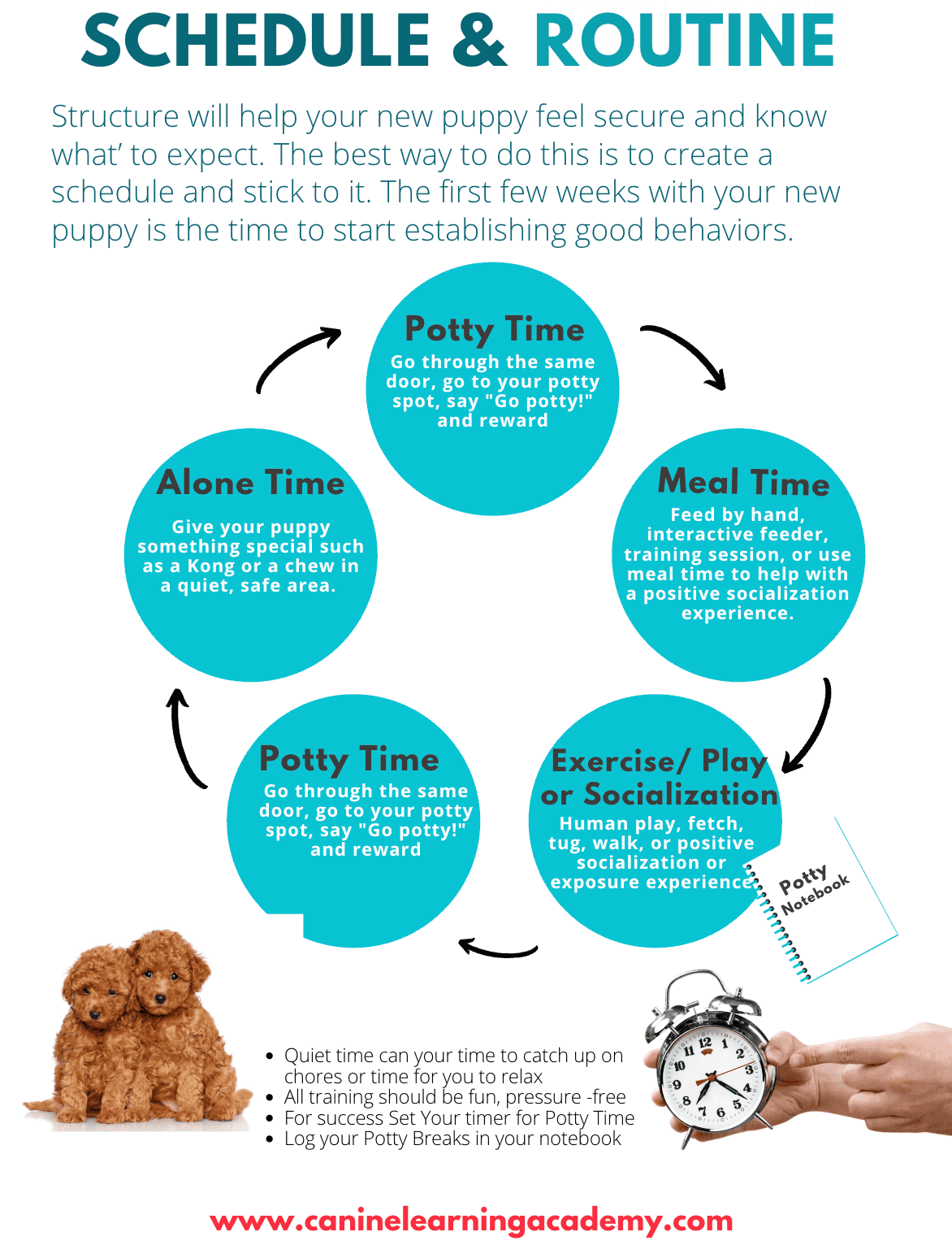
Take your puppy outside often, especially after meals and naps. Regular bathroom breaks prevent accidents inside the house. Use the same spot outside for potty time. This helps your puppy associate the area with bathroom needs. Praise and reward your puppy after they go. Frequent, scheduled breaks build good habits quickly.
Recognize Puppy Signals
Recognizing your puppy’s signals is key to successful house training. Puppies use body language and behavior to show when they need to go outside. Paying close attention helps prevent accidents inside the house. It also builds trust between you and your puppy. Learning these signals early makes training smoother and faster.
Watch For Signs Of Need
Puppies often sniff around or circle before they need to go. They may suddenly stop playing and look restless. Some puppies whine or bark to get your attention. Others may head straight to the door. Notice these signs and be ready to act. Every puppy shows these signals differently. Observe your puppy closely to understand their unique cues.
Respond Quickly
Once you see a signal, take your puppy outside right away. Delays can cause accidents and confuse your puppy. Consistency is important to reinforce good habits. Praise your puppy after they go outside. This teaches them that going outside is the right choice. Quick responses help your puppy learn faster and feel more secure.
Use Positive Reinforcement
Positive reinforcement is a key method to house train a puppy effectively. It helps your puppy learn quickly and enjoy the training process. This approach builds trust and encourages good habits without fear or stress. Puppies respond well to kindness and rewards.
Reward Good Behavior
Give treats or praise when your puppy goes potty outside. This shows them the right place to go. Use small, tasty treats that your puppy loves. Say “Good job!” in a happy voice. Repeat this often to create a strong habit.
Avoid Punishment
Never yell or hit your puppy for accidents. Punishment can confuse your puppy and cause fear. It may make training harder and slow progress. Stay calm and patient. Focus on rewarding good actions instead of punishing mistakes.
Choose The Right Potty Spot
Choosing the right potty spot is a key step in house training a puppy. A specific place helps your puppy learn faster. It also makes cleaning easier for you. Pick a spot that is easy to reach and safe.
Pick A Consistent Location
Always take your puppy to the same potty spot. Consistency helps your puppy understand where to go. Avoid changing the place too often. A steady spot builds good habits quickly. Choose a quiet area away from busy streets.
Encourage Outdoor Visits
Take your puppy outside often, especially after eating or sleeping. Praise your puppy when it uses the potty spot. This positive feedback motivates your puppy to repeat the behavior. Stay patient and keep outdoor visits regular. Soon, your puppy will know the right place to go.
Credit: caninelearningacademy.com
Manage Accidents Effectively
Accidents are part of house training a puppy. Managing them well helps your puppy learn faster. It also keeps your home clean and safe. The way you handle accidents affects your puppy’s behavior and confidence.
Clean Thoroughly
Clean accident spots right away. Use a good pet-safe cleaner. Avoid regular cleaners that leave smells dogs like. If smells remain, your puppy may return there. Clean carpets, floors, and any fabric touched. Proper cleaning stops repeated accidents in the same place.
Stay Calm And Patient
Stay calm when accidents happen. Do not yell or punish your puppy. They do not understand punishment yet. Gently guide them to the right spot. Use positive words and praise after they go outside. Patience builds trust and helps training succeed.
Gradually Increase Freedom
Giving your puppy more freedom is a key step in house training. It helps build trust and shows your puppy they can behave well outside the crate or confined space. This process should be slow and careful. Moving too fast can cause accidents and set back training progress.
Start by letting your puppy explore small areas at a time. Watch their behavior closely. If they stay clean, you can expand their space bit by bit. This teaches them where it is okay to go and where it is not.
Expand Puppy’s Access
Begin with one room outside the crate or playpen. Choose a space that is easy to clean and safe. Let your puppy spend short periods there. Increase the time gradually as they show good habits.
Once your puppy stays clean in one room, open the door to other parts of the house. Add one room at a time. This helps your puppy learn limits without feeling overwhelmed. Always remove things that might tempt them to potty indoors.
Monitor Progress
Watch your puppy closely during their free time. Look for signs they need to go outside, like sniffing or circling. Take them out immediately if you see these signs.
Keep a daily record of accidents and successful bathroom trips. This helps track progress and spot patterns. If accidents increase, reduce freedom and try a slower approach. Praise your puppy for good behavior to encourage success.
Seek Professional Help When Needed
Training a puppy takes patience and time. Sometimes, you may face challenges beyond basic training methods. Seeking professional help can make a big difference. Experts can guide you through tough spots and help your puppy learn faster. Knowing when to ask for help is important for both you and your puppy’s success.
Consult Trainers Or Vets
Professional trainers have experience with many puppies. They know effective ways to teach house training. Trainers can show you proper techniques and routines. Vets can check if health issues affect your puppy’s habits. Sometimes, accidents happen because of illness or discomfort. A vet visit rules out medical problems and offers advice on care.
Address Behavioral Issues
Some puppies show behaviors that make training harder. Anxiety, fear, or stubbornness can slow progress. Professionals can identify these issues early. They suggest steps to manage and reduce unwanted behaviors. Understanding your puppy’s needs helps create a calm training environment. Addressing problems quickly prevents bad habits from forming.
Frequently Asked Questions
How Long Does It Take To House Train A Puppy?
House training a puppy typically takes 4 to 6 months. Consistency, patience, and positive reinforcement speed up the process. Each puppy learns at its own pace, so be patient and maintain regular routines for best results.
What Is The Best Way To Start House Training?
Begin house training by establishing a consistent schedule for feeding and potty breaks. Use crate training to create a safe space and reward your puppy immediately after they go outside. Consistency and positive reinforcement are key to success.
How Often Should I Take My Puppy Outside?
Take your puppy outside every 1 to 2 hours, especially after eating, drinking, playing, or waking up. Frequent trips reduce accidents and teach your puppy where to go. Regular outdoor breaks are essential during early training stages.
What Should I Do If My Puppy Has An Accident Indoors?
If your puppy has an accident, clean it thoroughly with an enzymatic cleaner. Avoid punishment, as it can confuse your puppy. Instead, reinforce outdoor potty habits by taking them outside more often and praising successful bathroom trips.
Conclusion
Training a puppy takes time and patience. Stay consistent with routines every day. Praise good behavior and gently correct mistakes. Small steps lead to big progress. Remember, accidents happen—don’t get upset. Your puppy learns best with kindness and care. Enjoy the process and build trust together.
Soon, your puppy will understand house rules well. Keep training simple and clear for best results. Success comes with steady effort and love.


