

Bringing a puppy home is exciting, but house training can feel overwhelming. You want your furry friend to learn quickly and avoid accidents that test your patience.
What if you had simple, effective tips that make this process smoother for both you and your puppy? You’ll discover easy-to-follow advice that helps your puppy understand where and when to go. Keep reading to turn house training from a challenge into a rewarding experience you’ll both enjoy.
Credit: jbyam.com
Choosing The Right Supplies
Choosing the right supplies is the first step in house training a puppy. Good tools help your puppy learn faster and feel safe. They make training easier for both of you. Picking supplies that fit your puppy’s size and needs is important. This section covers must-have items for successful training.
Essential Training Tools
Start with a sturdy leash and collar. These help control your puppy during outside trips. Use a collar that fits snugly but is not tight. Training treats motivate your puppy to follow commands. Choose small, soft treats that your puppy likes. A clicker can mark good behavior clearly. It creates a sound your puppy learns to associate with rewards. Puppy pads are useful for indoor training. Place them in a spot your puppy can find easily.
Safe And Comfortable Crates
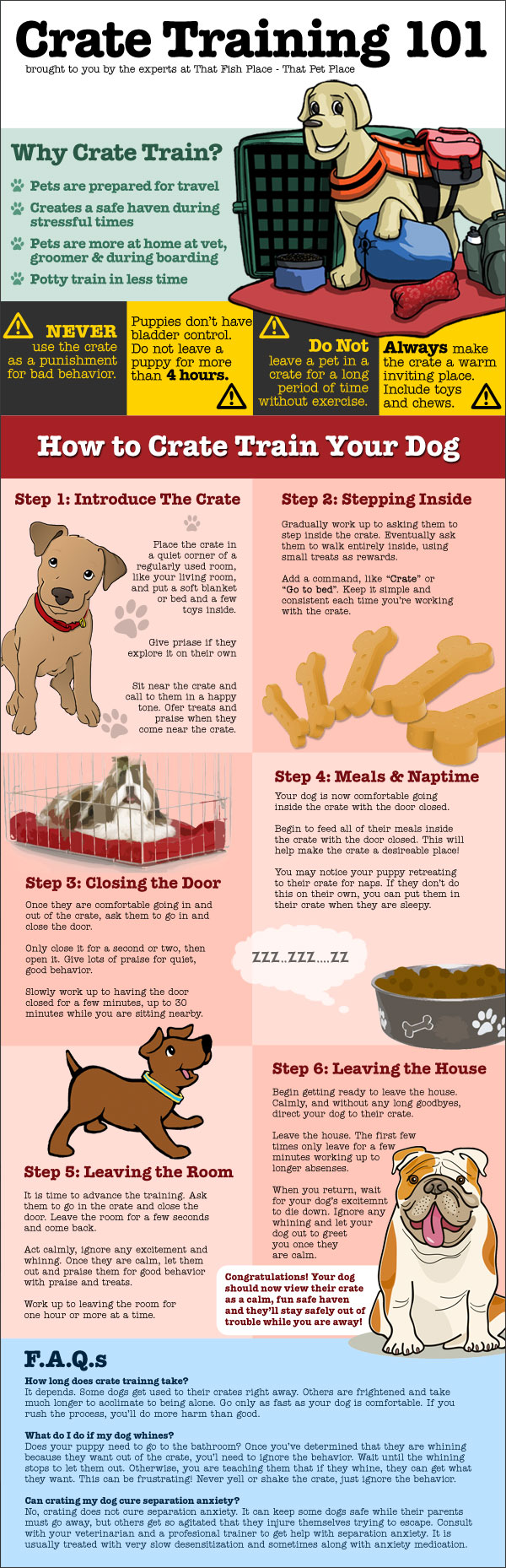
A crate provides a safe space for your puppy. It helps teach bladder control and prevents accidents. Pick a crate that fits your puppy comfortably. There should be enough room to stand and turn around. Add soft bedding for comfort. Avoid crates that are too large, as puppies may use one corner as a bathroom. Crate training builds good habits and keeps your puppy secure.
Setting A Routine
Setting a routine is key to house training a puppy. Puppies feel safe and learn faster when their day follows a set pattern. A clear schedule helps your puppy know what to expect. It also reduces accidents and stress for both of you.
Consistent Feeding Times
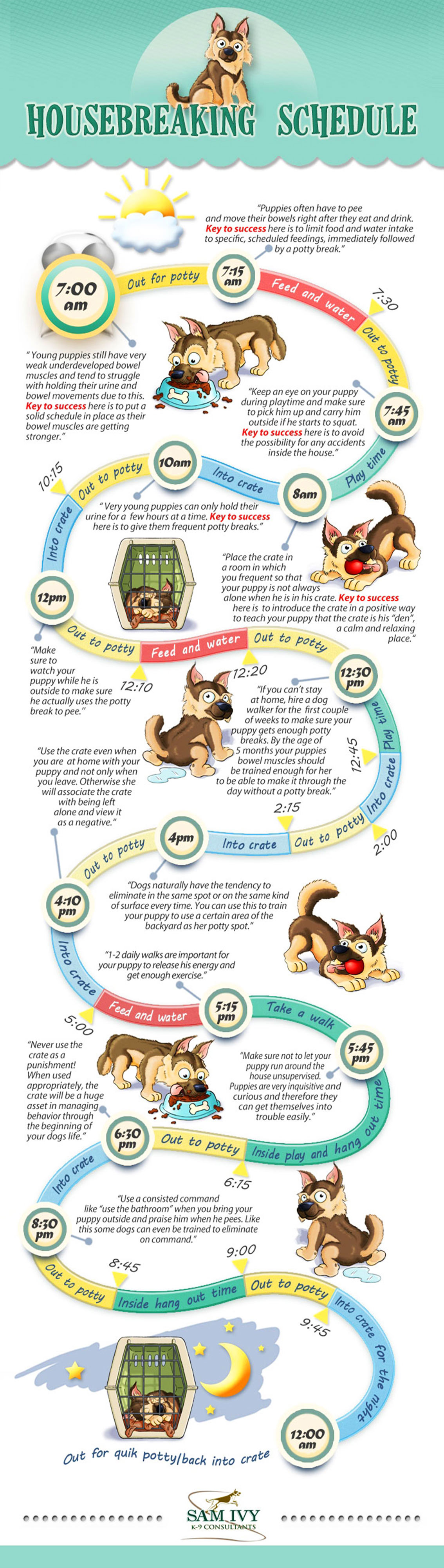
Feed your puppy at the same times every day. This helps regulate their digestion. A regular feeding schedule makes bathroom needs more predictable. Avoid free feeding or random meal times. Stick to two or three meals daily, depending on age. Clean water should always be available.
Regular Bathroom Breaks
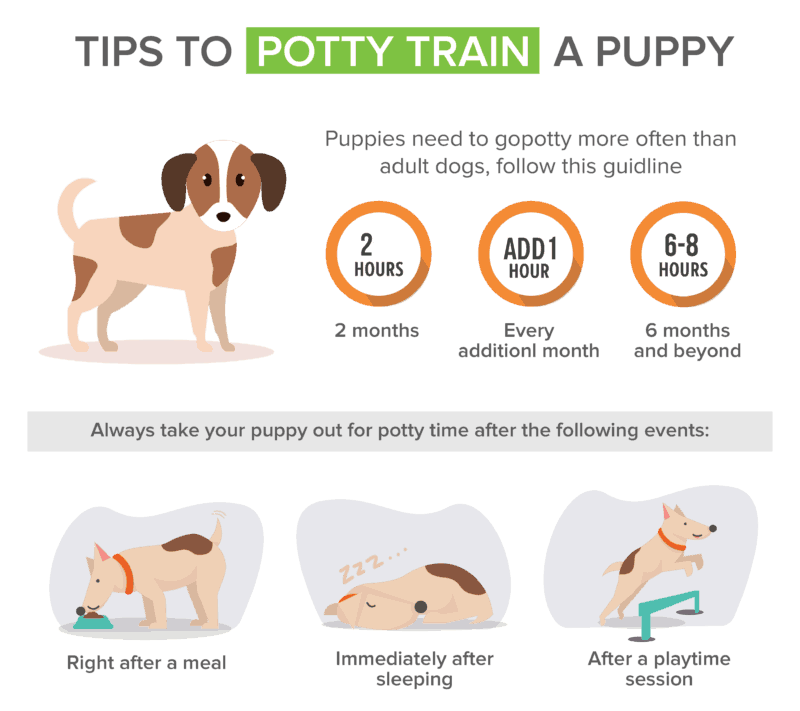
Take your puppy outside often, especially after meals and naps. Frequent breaks help prevent accidents inside. Puppies usually need to go every one to two hours. Watch for signs like sniffing or circling. Praise your puppy after they go outside. This builds good habits and trust.
Effective Reward Systems
Effective reward systems play a key role in house training a puppy. They help your puppy understand which behaviors you want. Rewards encourage your puppy to repeat good actions. This speeds up training and builds a strong bond.
Choosing the right rewards and using them at the right time makes a big difference. Rewards should be simple, clear, and consistent. This helps your puppy learn quickly and happily.
Using Treats Wisely
Treats are powerful tools during house training. Pick small, tasty treats that your puppy loves. They should be easy to chew and swallow fast. This keeps your puppy focused on training, not on eating.
Give treats right after your puppy does the right action. This links the reward to the behavior. Avoid giving treats too often or your puppy may lose interest. Balance treats with praise and petting for best results.
Positive Reinforcement Techniques
Positive reinforcement means rewarding good behavior to encourage it. Use a calm voice to praise your puppy. Say words like “Good job!” or “Well done!” This builds trust and confidence.
Combine praise with treats or a favorite toy. This makes learning fun and motivating. Avoid punishment or negative reactions. They can confuse your puppy and slow training progress.
Managing Accidents
Accidents are normal during puppy house training. Puppies need time to learn where to go. Managing these accidents well helps your puppy learn faster. Stay patient and calm to keep progress steady.
Cleaning Tips To Remove Odors
Clean accidents quickly to stop smells. Use an enzyme cleaner to break down urine. Avoid ammonia-based products, which can attract puppies back. Blot the area gently with paper towels. Rinse with water and dry completely. This stops your puppy from smelling old spots.
Handling Mistakes Calmly
Stay calm when your puppy has an accident. Do not yell or punish your dog. Use a gentle voice to guide your puppy. Show where the puppy should go instead. Positive responses help your puppy understand better. Calm handling builds trust and good habits.
Reading Puppy Behavior
Reading your puppy’s behavior is key to successful house training. Puppies can’t tell you when they need to go. You must learn to understand their signals. Watching your puppy closely helps prevent accidents and builds good habits. This part of training takes patience and attention.
Signs Your Puppy Needs To Go
Your puppy shows clear signs before needing to pee or poop. Sniffing the floor often means they are searching for the right spot. Circling around or suddenly stopping play can signal the need to go. Whining or pacing near the door is another sign. Learn your puppy’s unique signals to act quickly. Prompt response helps avoid accidents inside the house.
Preventing Unwanted Habits
Stopping bad habits early makes house training easier. If your puppy starts chewing furniture or biting shoes, redirect their attention. Give them toys to keep busy. Avoid punishment; it confuses puppies and slows progress. Clean accidents with enzyme cleaners to remove smells. This stops your puppy from returning to the same spot. Consistent routines and praise for good behavior help build trust and good habits.
Credit: somosceainternacional.com
Crate Training Benefits
Crate training offers many benefits for puppies and their owners. It helps puppies learn good habits and feel secure. Using a crate creates a clear space just for your puppy. This space becomes a place to rest and relax. Puppies naturally avoid soiling their sleeping area, which supports house training. Crate training also helps with behavior and safety.
Creating A Safe Space
A crate acts as a cozy den for your puppy. It provides a quiet spot away from noise and distractions. Puppies feel calm and protected inside their crate. This safe space reduces anxiety during new experiences or loud sounds. The crate becomes a place your puppy trusts. It also helps prevent accidents and chewing on unsafe items.
Encouraging Independence
Crate training teaches puppies to be comfortable alone. Puppies learn to relax without needing constant attention. This independence builds confidence and reduces separation anxiety. Spending time in the crate helps puppies rest without stress. It supports better sleep and calm behavior. Teaching your puppy to enjoy their crate prepares them for future situations like travel or vet visits.
Consistency And Patience
Consistency and patience are key when house training a puppy. Puppies learn best with regular routines and calm guidance. Training takes time and steady effort. Expect ups and downs along the way.
Stay calm and keep your schedule. Puppies need clear signals to understand what is right. Repeating the same steps helps them learn faster. Patience lets your puppy feel safe and confident.
Sticking To The Plan
Set a clear schedule for bathroom breaks and meals. Take your puppy outside often, especially after eating or sleeping. Use the same words or commands each time. Praise your puppy immediately for going outside. Avoid changing the routine too quickly. This helps your puppy know what to expect.
Dealing With Setbacks
Accidents will happen. Do not punish your puppy. Clean the area well to remove smells. Stay calm and try to find the cause. Maybe your puppy drank water too fast or missed a break. Keep trying and do not get upset. Every mistake is a chance to learn.
Credit: www.comcap-pe.com.br
When To Seek Professional Help
House training a puppy can be challenging. Some issues are normal and easy to fix. Other problems might need extra help. Knowing when to seek professional help saves time and stress. It helps your puppy learn faster and better.
Recognizing Training Challenges
Some signs show you may need a trainer. Your puppy keeps having accidents inside. They do not respond to basic commands. They show fear or aggression during training. Training feels overwhelming or confusing. These challenges can stop progress.
Ignoring problems can make training harder. Early action helps your puppy succeed. A professional can find the cause. They offer solutions that fit your puppy’s needs.
Finding The Right Trainer
Choose a trainer who uses kind methods. Positive reinforcement works best for puppies. Avoid trainers who use punishment or force. Check reviews and ask for recommendations. Meet the trainer before starting sessions. Make sure their style fits your goals.
Look for someone with experience in puppy training. A good trainer explains things clearly. They guide you to support your puppy at home. This teamwork improves results and builds trust.
Frequently Asked Questions
How Long Does House Training A Puppy Take?
House training a puppy usually takes 4 to 6 months. Consistency, patience, and positive reinforcement speed up the process. Every puppy learns at a different pace, so adapt your approach accordingly.
What Is The Best Method For House Training Puppies?
Positive reinforcement works best for house training puppies. Reward your puppy immediately after they eliminate outside. Avoid punishment, as it can create fear and slow learning.
How Often Should I Take My Puppy Outside?
Take your puppy outside every 2 hours and after meals. Frequent trips prevent accidents and reinforce good habits. Consistency helps puppies understand when and where to go.
What Signs Indicate My Puppy Needs To Go Outside?
Watch for sniffing, circling, or whining, which signal bathroom needs. Promptly take your puppy outside when you see these signs. Early response reduces indoor accidents.
Conclusion
Training a puppy takes patience and care. Stay consistent with rules and routines. Praise good behavior often to encourage learning. Expect accidents; they help puppies learn faster. Use clear commands and gentle guidance always. Remember, every puppy learns at its own pace.
Enjoy the process and build a strong bond. A well-trained puppy makes life easier and happier. Keep trying, and success will come with time.


