Bringing a new puppy home is exciting, but crate training can feel overwhelming. You want your puppy to feel safe and comfortable, and you want the process to be smooth for both of you.
What if you could learn simple, effective tips that make crate training easier and faster? You’ll discover the best puppy crate training tips designed to help your furry friend settle in happily. Keep reading, and you’ll soon have a calm, well-trained puppy who loves their crate as much as you do.
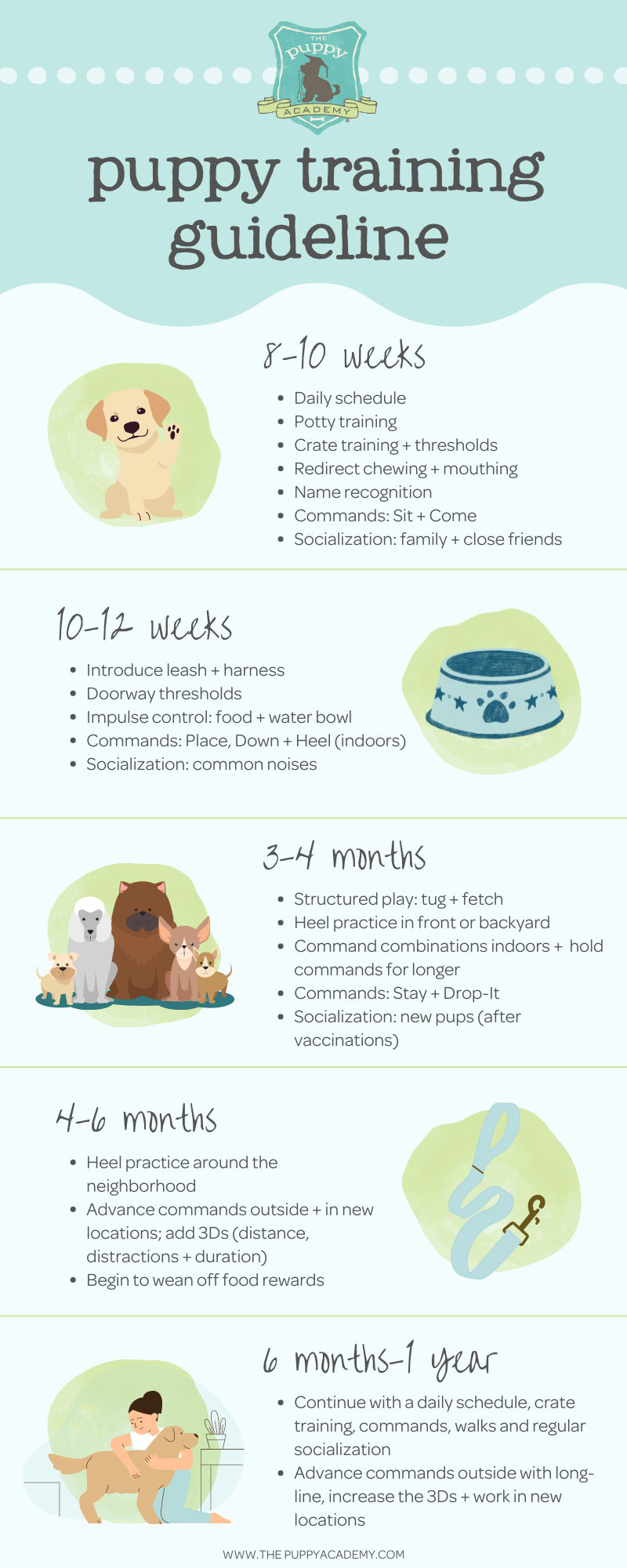
Credit: www.thepuppyacademy.com
Choosing The Right Crate
Choosing the right crate is the first step in successful puppy crate training. The crate should feel like a safe space for your puppy. It must be comfortable, secure, and fit your puppy’s needs. Picking the wrong crate can make training difficult or even stressful. Consider your puppy’s size, behavior, and personality when selecting a crate.
Size And Material
The crate should be big enough for your puppy to stand, turn, and lie down comfortably. A crate that is too small will cause discomfort. A crate that is too large might encourage your puppy to use one corner as a bathroom. Choose materials that are durable and easy to clean. Plastic crates offer privacy and warmth. Wire crates provide good ventilation and visibility.
Types Of Crates
Plastic crates are lightweight and portable. Ideal for car travel and small puppies. Wire crates allow good airflow and visibility. They often come with dividers to adjust size. Soft-sided crates are lightweight and easy to carry. Best for calm puppies and indoor use. Each type suits different needs and situations.
Safety Considerations
Ensure the crate has no sharp edges or loose parts. Check that the door latches securely to prevent escapes. Avoid crates with gaps where your puppy could get stuck. The crate should be stable and not tip over easily. Always place the crate in a safe, quiet area of your home.

Credit: www.showven.cn
Introducing The Crate
Introducing a crate to your puppy is the first step in crate training. It helps your puppy feel safe and comfortable in a new space. The crate becomes a special spot where your puppy can rest and relax. Patience and gentle guidance make this process smooth.
Start slow and make the crate a positive part of your puppy’s day. This way, your puppy learns to see the crate as a happy place. The right approach builds trust and reduces stress for your puppy.
Making It Inviting
Place soft bedding inside the crate. Use a blanket or a small bed your puppy likes. Add a favorite toy to keep your puppy company. Keep the crate in a quiet area but near family activity. This helps your puppy feel included without feeling overwhelmed.
Positive Associations
Feed your puppy meals inside the crate. Offer treats only when your puppy is inside the crate. Praise your puppy with a calm voice for going in. Avoid forcing your puppy into the crate. Positive moments help your puppy enjoy crate time.
Gradual Acclimation
Start with short periods inside the crate. Let your puppy explore it freely at first. Close the door for a few seconds and open it again. Slowly increase the time your puppy stays inside. Always stay nearby and keep calm. This builds comfort and trust over time.
Creating A Routine
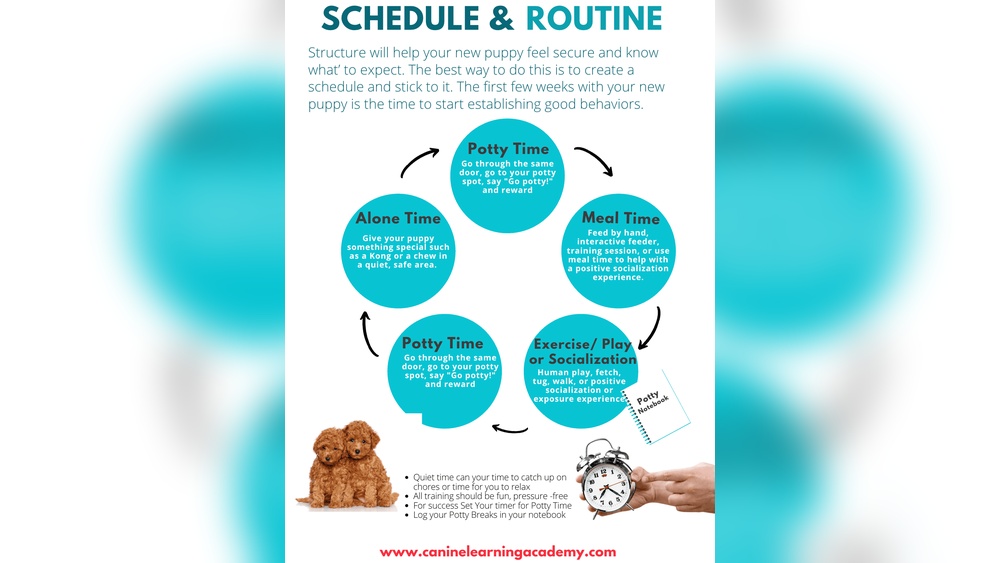
Creating a routine helps your puppy feel safe and calm in the crate. Puppies like to know what to expect. A steady routine builds trust and makes crate training easier. It also helps your puppy learn good habits faster.
Consistent Schedule
Keep crate times the same every day. Set regular hours for play, rest, and crate time. Puppies thrive on predictability. A consistent schedule reduces anxiety and confusion. Try to follow the same routine even on weekends. This helps your puppy adjust quickly.
Feeding In The Crate
Feed your puppy inside the crate to create a positive space. Mealtime becomes a happy moment linked to the crate. Start by placing the bowl near the crate entrance. Gradually move it inside over several days. This encourages your puppy to enter willingly.
Bathroom Breaks Timing
Plan bathroom breaks right after crate time. Puppies often need to go after waking or eating. Take your puppy outside immediately to avoid accidents. Regular bathroom breaks teach control and patience. Keep breaks short but frequent for best results.
Encouraging Comfort And Security
Helping your puppy feel safe and cozy in their crate is key to good training. Comfort and security build trust. Puppies learn to enjoy their space and rest calmly. Creating a warm, inviting crate makes the training process easier and more effective.
Small changes can make a big difference. Soft bedding, gentle sounds, and favorite toys all help your puppy settle in. These tips create a peaceful environment where your puppy feels at home.
Comfortable Bedding
Choose soft, washable bedding for the crate. A cushion or blanket adds warmth and softness. Bedding that fits well prevents slipping and keeps your puppy cozy. Clean bedding often to avoid odors and germs. Your puppy will relax more with a comfy place to lie down.
Soothing Sounds
Quiet sounds help calm a nervous puppy. Soft music or white noise can mask outside noises. Use low volume to avoid startling your puppy. Consistent background sounds make the crate feel safe. Avoid loud or sudden noises near the crate.
Favorite Toys
Place a few favorite toys inside the crate. Chew toys help reduce stress and boredom. Soft toys provide comfort and a sense of companionship. Rotate toys to keep your puppy interested. Toys make the crate a fun, welcoming spot.
Handling Resistance And Anxiety
Handling resistance and anxiety during crate training is a common challenge. Puppies may feel scared or unsure about the new space. Understanding their feelings helps ease their worries. Patience and gentle care build trust and comfort.
Recognizing Stress Signs
Watch for signs like whining, barking, or scratching. Pacing and trembling also show stress. Some puppies avoid the crate or freeze inside. Early recognition helps you respond quickly. This prevents fear from growing stronger.
Calming Techniques
Use a soft voice to soothe your puppy. Offer treats and toys inside the crate. Try gentle petting or sitting nearby to reassure them. Keep training sessions short and positive. Consistent routines create a safe, calm space.
Avoiding Negative Reactions
Never punish your puppy for crate resistance. Yelling or forcing them worsens anxiety. Avoid using the crate for time-outs or punishment. Stay calm and patient throughout the process. Positive experiences make the crate a happy place.
Crate Training Mistakes To Avoid
Crate training is a helpful way to teach your puppy good habits. It also gives your dog a safe place to rest. Many pet owners make common mistakes during crate training. These errors can cause stress for the puppy and slow down progress. Avoiding these mistakes is key to a happy training experience.
Overusing The Crate
Leaving your puppy in the crate too long can cause anxiety. Puppies need time to play and explore. The crate should be a cozy spot, not a jail. Limit crate time to short periods, especially at first. Take breaks for exercise, bathroom, and social time.
Punishment Associations
Do not use the crate as a punishment place. Puppies may start to fear the crate. Keep the crate positive by adding treats and toys. Praise your puppy for going inside. This builds a happy connection with the crate.
Inconsistent Training
Crate training works best with a steady routine. Use the crate the same way every day. Inconsistency confuses your puppy and slows learning. Be patient and keep training simple. Soon, your puppy will see the crate as a safe home.
Advanced Tips For Success
Advanced crate training helps your puppy feel safe and happy. It builds good habits and trust. These tips improve crate time and make training smoother. Patience and consistency are key. Watch your puppy’s reactions and adjust as needed.
Using Treats And Rewards
Treats make crate training positive and fun. Offer small, tasty treats when your puppy enters the crate. Praise your puppy with a calm voice. Rewards help your puppy want to stay inside. Avoid giving treats too often to keep them special. Use treats to create a good crate routine.
Extending Crate Time
Increase crate time slowly, adding a few minutes each day. Start with short periods, then add more time as your puppy grows. Watch for signs of stress or discomfort. Give breaks for water and bathroom needs. Longer crate time helps puppies get used to being alone. This builds patience and calmness.
Travel And Crate Training
Use the crate for travel to keep your puppy safe. Let your puppy explore the crate before the trip. Bring favorite toys or a blanket inside the crate. Keep the crate secure in the car. Practice short drives with the crate to reduce stress. Travel training makes trips easier for you and your puppy.

Credit: www.amsafebelgrano.com.ar
Frequently Asked Questions
How Long Should Puppy Crate Training Sessions Last?
Start with short sessions of 10-15 minutes to build comfort. Gradually increase time as your puppy adjusts. Avoid long sessions initially to prevent anxiety and restlessness.
When Is The Best Age To Start Crate Training?
Begin crate training as early as 8 weeks old. Puppies adapt quickly at this age. Early training helps develop positive crate associations and good habits.
How Can I Make The Crate Comfortable For My Puppy?
Add soft bedding and favorite toys inside the crate. Ensure good ventilation and a cozy, quiet location. Comfort encourages your puppy to see the crate as a safe space.
What Are Common Mistakes In Puppy Crate Training?
Avoid forcing your puppy inside or using the crate as punishment. Don’t leave puppies in the crate too long. Consistency and positive reinforcement are key to success.
Conclusion
Crate training helps your puppy feel safe and secure. Be patient and consistent every day. Use treats and praise to encourage good behavior. Keep crate sessions short and positive at first. Let your puppy explore the crate freely. Avoid forcing or rushing the process.
Trust grows with calm and gentle care. Soon, your puppy will enjoy their cozy space. A happy puppy means a happy home. Keep these tips in mind for success.