

Bringing a new puppy into your home is exciting, but it can also feel overwhelming. You want your puppy to grow into a well-behaved, happy dog, but where do you start?
The right training from the beginning makes all the difference. Imagine having a puppy who listens, follows commands, and behaves calmly around others. This guide will give you simple, effective dog training tips for puppies that you can use right away.
Keep reading, and you’ll discover easy ways to build a strong bond with your puppy while setting them up for a lifetime of good behavior.

Credit: itie.rivilgroup.com
Choosing The Right Training Approach
Choosing the right training approach sets the foundation for your puppy’s success. Each puppy learns differently, so finding a method that suits your dog’s personality is key. A good approach builds trust and makes training enjoyable for both of you.
Training should be clear and kind. Avoid harsh methods that may confuse or scare your puppy. Instead, focus on techniques that encourage good behavior and create a strong bond.
Positive Reinforcement Techniques
Positive reinforcement means rewarding your puppy for good behavior. Treats, praise, and petting work well. This method helps puppies learn faster and stay motivated.
Use rewards immediately after the desired action. This helps your puppy connect the behavior with the reward. Repeat this often to reinforce good habits.
Consistency And Patience
Consistency is vital in puppy training. Use the same commands and rules every day. This helps your puppy understand what you expect.
Patience matters. Puppies take time to learn. Avoid frustration and stay calm. Your calmness helps your puppy feel safe and willing to learn.
Setting Realistic Expectations
Puppies have short attention spans. Keep training sessions brief, around 5 to 10 minutes. This prevents boredom and keeps your puppy focused.
Expect mistakes. Puppies are learning and will not be perfect. Celebrate small wins and keep training fun. This encourages steady progress.

Credit: www.matthewslegacyfarm.com
Basic Commands Every Puppy Should Know
Teaching your puppy basic commands helps create a strong bond. It also keeps them safe and well-behaved. These commands are the foundation of good manners. Start training early to see the best results. Keep sessions short and fun to hold their attention. Consistency is key for your puppy to learn quickly.
Sit And Stay
“Sit” is often the first command puppies learn. It helps control excitement and focus their attention. Hold a treat above their nose and move it back. When they sit, say “sit” and give the treat. “Stay” teaches patience. Ask your puppy to sit, then say “stay.” Step back slowly and reward them if they wait. Increase distance and time gradually.
Come When Called
“Come” keeps your puppy safe in many situations. Use a happy tone and call their name. When they come, praise them warmly and offer a treat. Practice in a quiet place first. Make coming to you a positive experience. Avoid calling them for punishment to keep trust strong.
Leave It And Drop It
These commands prevent your puppy from picking up harmful items. Show a treat and say “leave it.” Wait until they stop trying to get it, then reward. For “drop it,” trade the object with a treat. Use clear, calm commands. These lessons protect your puppy and your belongings.
House Training Essentials
House training is a key step in raising a happy puppy. It helps your puppy learn where to go potty. This training creates a clean and comfortable home. Patience and consistency make the process easier for both you and your puppy.
Crate Training Benefits
Crate training gives your puppy a safe space. Dogs naturally avoid soiling their sleeping area. A crate helps teach bladder control. It also reduces accidents in the house. Use the crate for short periods at first. Make the crate cozy with a soft blanket.
Establishing A Routine
Puppies learn best with a clear schedule. Take your puppy outside at regular times. Common times include after meals, naps, and play. Consistent timing helps the puppy understand when to go. Praise your puppy immediately after they go potty outside.
Handling Accidents Calmly
Accidents happen and should be expected. Do not punish or yell at your puppy. Stay calm and clean the mess thoroughly. Use an enzyme cleaner to remove odors. This stops your puppy from returning to the same spot. Patience encourages better learning and trust.
Socialization Strategies
Socialization is key for puppies to grow into confident dogs. It helps them learn how to behave around people, other animals, and new places. Early socialization shapes their future responses and reduces fear. Start socialization early to build trust and comfort in different situations. Be patient and gentle during this learning phase.
Introducing New People And Pets
Introduce your puppy to new people slowly. Let them approach at their own pace. Use calm voices and gentle touches. Watch your puppy’s body language for signs of stress. Gradually add more people to the group. Include friends and family of different ages. Also, introduce pets in a controlled setting. Keep meetings short and positive. Use treats to create good associations.
Exposure To Different Environments
Take your puppy to various places often. Parks, streets, pet stores, and friends’ homes are good options. Each new place offers different sights and sounds. This exposure helps reduce fear of the unknown. Walk calmly and keep your puppy close. Let them explore safely and sniff around. Avoid crowded or noisy places at first. Gradually increase the challenge as your puppy grows.
Managing Fear And Anxiety
Fear can stop your puppy from learning. Watch for signs like trembling or hiding. Stay calm and comforting during these moments. Use soft words and gentle petting to soothe them. Avoid forcing your puppy into scary situations. Instead, back away and try again later. Reward brave behavior with treats or praise. Consistent, positive experiences help reduce anxiety over time.
Addressing Common Behavioral Issues
Puppies bring joy but also some challenges. Common behaviors like chewing, barking, and jumping can cause frustration. Early training helps shape good habits. Addressing these issues now saves trouble later. Stay patient and consistent for best results.
Chewing And Biting Control
Puppies explore the world with their mouths. Chewing is natural but can damage things. Provide plenty of chew toys to redirect their energy. When they bite hands or clothes, say “no” firmly. Offer a toy instead to teach what is okay. Praise them when they chew toys, not people. Regular exercise can reduce biting caused by excess energy.
Reducing Excessive Barking
Barking alerts dogs but too much annoys everyone. Understand why your puppy barks. It could be excitement, fear, or boredom. Teach a “quiet” command by rewarding silence. Avoid yelling, as it may increase barking. Keep your puppy busy with toys and play. Calm environments help reduce stress and barking.
Preventing Jumping On People
Jumping is a common way puppies greet others. It can be scary or rude to guests. Teach your puppy to sit when greeting people. Ignore them if they jump and only give attention when all paws are down. Consistent training helps them learn good manners. Visitors can help by following the same rules. Reinforce calm behavior with treats and praise.
Tools And Resources For Effective Training
Training a puppy needs the right tools and resources. These help make learning fun and easy. Using proper equipment, treats, and toys supports good habits. Knowing when to ask for help can save time and stress.
Choosing The Right Training Equipment
Pick collars and harnesses that fit well and feel comfy. Avoid tight or heavy gear that can hurt your puppy. Use a leash that is easy to hold and strong. Training pads help with housebreaking. Crates give puppies a safe space to relax. Choose gear made for puppies, not adult dogs.
Using Treats And Toys Wisely
Choose small, soft treats that puppies can eat fast. Use treats to reward good behavior right away. Toys should be safe and suited for puppies’ teeth. Swap toys often to keep your puppy interested. Avoid giving treats all the time. Balance rewards with praise and play.
When To Seek Professional Help
Some puppies need extra help with training. Signs include fear, aggression, or not learning basic commands. Trainers use special methods to handle tough problems. Early help stops bad habits from growing. Choose trainers with good reviews and experience with puppies.
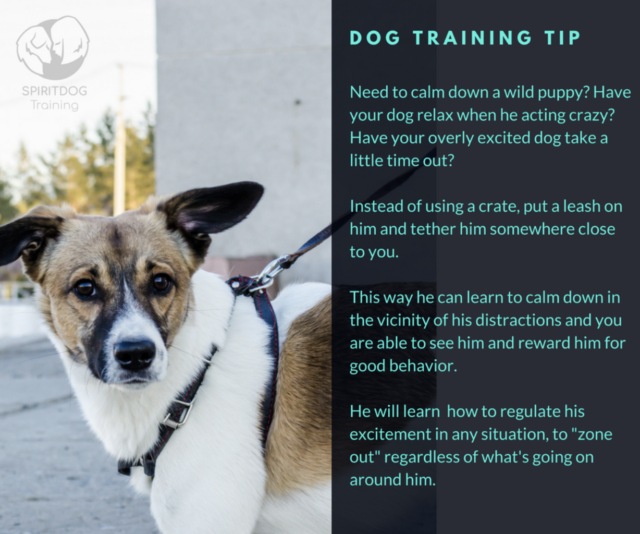
Credit: spiritdogtraining.com
Frequently Asked Questions
How Early Should I Start Training My Puppy?
Start training as soon as you bring your puppy home. Early training builds good habits and prevents bad behaviors. Puppies learn quickly, making early stages ideal for basic commands and socialization.
What Are The Best Techniques For Puppy Training?
Use positive reinforcement like treats and praise. Consistency and patience are key. Avoid punishment; instead, reward good behavior to encourage learning and build trust.
How Long Should Puppy Training Sessions Last?
Keep sessions short, about 5 to 10 minutes. Puppies have short attention spans, so brief, frequent training is more effective and less stressful for them.
How Can I Potty Train My Puppy Effectively?
Establish a regular bathroom schedule and take your puppy outside often. Praise and reward them immediately after they go. Be patient and consistent to avoid accidents.
Conclusion
Training your puppy takes time and patience. Start early and stay consistent. Use simple commands and reward good behavior. Keep sessions short to hold your puppy’s attention. Remember, every puppy learns at its own pace. Enjoy the process and build a strong bond.
Happy training leads to a happy, well-behaved dog. Keep practicing daily for best results. Your puppy will thank you with love and loyalty.


