Is your puppy biting more than you’d like? You’re not alone, and the good news is that you can teach your furry friend to stop this behavior quickly.
Imagine enjoying playtime without worrying about sharp little teeth sinking into your fingers. With the right training tips, you’ll build a stronger bond with your puppy and create a calm, happy home. Keep reading to discover simple, effective ways to stop puppy biting before it becomes a bigger problem.
Your patience and consistency will pay off—and your puppy will thank you for it!
Why Puppies Bite
Puppies bite for many reasons. It is a natural part of their growth and learning. Understanding why puppies bite helps you train them better. It also keeps your home safe and happy.
Teething And Mouth Exploration
Puppies use their mouths to explore the world. Their teeth grow and change, causing discomfort. Biting helps soothe their sore gums. Chewing on things is normal and feels good to them. It is important to give safe chew toys to help.
Play Behavior And Social Interaction
Biting is part of puppy play. They learn how hard to bite by playing with siblings. This helps them understand boundaries and control. Play biting also teaches them social skills with other dogs. Training helps them learn to play gently with people.
Attention-seeking Bites
Puppies bite to get your attention sometimes. They want to play or be noticed. Even a small bite can make you react. This reaction encourages them to bite more. Teaching calm behavior stops unwanted biting for attention.
Credit: splashanddashfordogs.com
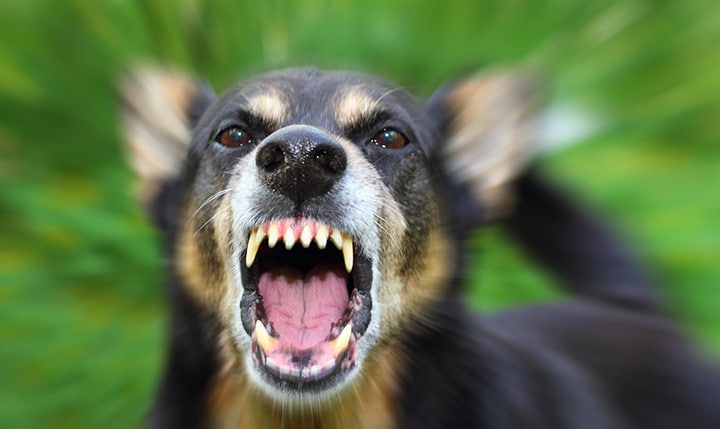
Signs Puppy Is Biting Too Hard
Puppy biting is normal, but it can sometimes get too hard. Puppies explore the world with their mouths. They learn limits as they grow. Knowing the signs of hard biting helps keep everyone safe. It also teaches the puppy good manners early on. Watch your puppy closely to catch these signs early.
Body Language Cues
Watch your puppy’s body language for clues. A stiff body or tense muscles mean biting is too hard. Growling or snapping shows discomfort or warning. Ears pinned back and a tucked tail mean fear or stress. Soft, relaxed eyes turn hard or wide when biting hurts. These signs show your puppy is crossing a line.
Pain Thresholds
Every person feels pain differently. Some bites hurt quickly, others take longer. If a bite makes you yelp or pull away fast, it is too hard. Watch children closely as their pain threshold is low. Puppies must learn to bite gently to avoid causing pain. Training helps puppies understand how much pressure is okay.
When To Intervene
Stop play immediately if biting hurts. Say “ouch” or “no” in a firm voice. Walk away or turn your back to show play stops. This teaches the puppy biting too hard ends fun. Consistent responses help your puppy learn limits fast. Intervene every time biting goes beyond gentle mouthing. This stops bad habits before they grow.
Basic Puppy Biting Training Techniques
Puppy biting is a natural behavior but needs gentle training. Teaching your puppy not to bite harshly makes your home safer. Basic techniques help puppies learn boundaries early. These methods build good habits and trust.
Redirecting To Toys
Puppies bite to explore and play. Offer a toy when your puppy tries to bite your hand. This teaches them what is okay to chew. Keep a variety of toys handy for different bites. Praise your puppy when they chew the toy instead.
Using Positive Reinforcement
Praise and treats encourage good behavior. Give a treat immediately after your puppy stops biting. Use a happy voice to say “good” or “yes.” This helps your puppy link good actions with rewards. Avoid punishment, as it can scare your puppy.
Time-out Method
If biting gets too rough, use a time-out. Stop play and walk away calmly. Ignore your puppy for a short time, about 30 seconds. This shows that biting ends the fun. Repeat consistently to help your puppy understand limits.

Credit: www.youtube.com
Common Mistakes To Avoid
Training a puppy to stop biting takes patience and care. Many dog owners make mistakes that slow progress. Avoiding these errors helps your puppy learn faster and behave better. Here are some common mistakes to watch out for during puppy biting training.
Yelling Or Physical Punishment
Shouting at your puppy can scare them. They may not understand why you are upset. Physical punishment can harm your puppy and create fear. This fear can lead to more biting or aggression. Use calm, gentle methods to teach your puppy instead.
Inconsistent Responses
Mixed signals confuse your puppy. Sometimes allowing biting and other times stopping it makes training harder. Consistency helps your puppy learn what is okay and what is not. Everyone in the family should respond the same way to biting.
Ignoring Early Warning Signs
Puppies show signs before biting, like mouthing or nibbling. Ignoring these signs lets biting get worse. Pay attention to your puppy’s behavior. Stop biting early with a quick, firm “no” or a distraction.
Advanced Tips For Persistent Biters
Some puppies keep biting even after basic training. These advanced tips help control strong biting habits. They focus on teaching self-control and safe play. These methods suit puppies that need more guidance and patience.
Teaching Bite Inhibition
Bite inhibition means teaching your puppy to bite softly. Let your puppy bite your hand gently. If the bite is too hard, say “ouch” and stop play. This shows the puppy biting hurts. Repeat often to help puppy learn limits. Use toys to redirect biting from skin to objects. Consistency helps puppies understand what is okay.
Socializing With Other Dogs
Playing with other dogs teaches puppies how to control biting. Dogs bite softly to avoid hurting friends. Puppy playgroups or safe dog parks work well. Watch your puppy and stop play if biting gets rough. Social time helps puppies learn rules of play. It also tires them out, reducing biting from too much energy.
Professional Training Options
Sometimes, puppies need expert help for biting issues. Trainers use special methods to stop biting quickly. They can show you how to react and train at home. Group classes also provide social time and guidance. A professional can check if biting comes from fear or pain. Early help saves frustration and builds better habits.

Credit: www.amazon.com
Tools And Products To Assist Training
Training a puppy to stop biting can be easier with the right tools. These products help guide your puppy’s behavior. They provide comfort and distraction during the learning process. Using proper tools can make training more effective and less stressful for both you and your puppy.
Chew Toys And Teething Aids
Puppies bite because of teething pain and curiosity. Chew toys offer a safe outlet for this need. They soothe sore gums and keep puppies busy. Teething aids often have soft textures or cooling features. These help reduce discomfort and biting urges. Choose durable toys that fit your puppy’s size.
Training Collars And Sprays
Training collars help manage biting with gentle control. Use collars designed for puppies, ensuring comfort and safety. Sprays with bitter tastes discourage biting on hands or clothes. Apply sprays carefully to avoid irritation. These tools support teaching boundaries without harm.
Interactive Toys For Distraction
Interactive toys engage your puppy’s mind and body. They reduce boredom, which can cause biting. Toys that dispense treats or move keep puppies entertained. This distraction lowers the chance of biting during play. Choose toys that match your puppy’s energy level and size.
Maintaining Good Behavior Long-term
Maintaining good behavior in puppies requires ongoing effort. Training should not stop after the first few lessons. Consistency helps your puppy understand what you expect every day.
Good habits need regular practice. Without it, puppies may forget what they learned. Keep training simple and clear. This way, your puppy stays calm and well-behaved for life.
Consistent Routine
Set a daily routine for your puppy. Feed, play, and train at the same times. Predictable schedules make puppies feel safe. They learn rules faster when life is steady.
Consistency helps avoid confusion. Always use the same commands for biting. Reward good behavior immediately. This teaches your puppy what is right.
Regular Exercise And Mental Stimulation
Exercise burns energy that might cause biting. Walks, playtime, and training keep puppies tired and calm. A tired puppy is less likely to bite out of boredom.
Mental games challenge your puppy’s brain. Puzzle toys and new tricks keep them busy. This reduces biting caused by frustration or restlessness.
Ongoing Socialization
Expose your puppy to new people and animals. Social time teaches them how to behave around others. Puppies that meet others often bite less.
Supervise interactions to prevent bad habits. Praise your puppy for gentle play. Socialization makes your puppy confident and friendly long-term.
Frequently Asked Questions
How Can I Stop My Puppy From Biting Immediately?
Use firm “no” and redirect to a chew toy. Praise gentle play. Consistency and patience work best for quick results.
Why Do Puppies Bite During Playtime?
Puppies bite to explore and learn bite inhibition. It’s natural behavior but needs guidance to prevent harm or bad habits.
What Are Effective Puppy Biting Training Methods?
Use positive reinforcement, chew toys, and time-outs. Avoid physical punishment. Reward calm behavior and teach gentle mouthing consistently.
When Should Puppy Biting Training Start?
Start training as soon as you bring your puppy home. Early training prevents bad habits and encourages good behavior from the start.
Conclusion
Training your puppy not to bite takes time and patience. Stay calm and consistent every day. Use gentle but firm commands to guide your puppy’s behavior. Reward good actions with treats or praise. Avoid harsh punishments that may scare your dog.
Remember, puppies learn best through positive experiences. Keep training sessions short and fun to hold their attention. Soon, your puppy will understand what is okay to bite. This helps build trust and a happy bond. Enjoy the journey of raising a well-behaved puppy.