Are you struggling to get your puppy to sleep through the night? Crate training can be a game-changer for both you and your furry friend.
It helps your puppy feel safe, reduces accidents, and teaches them good habits early on. But where do you start? What if your puppy cries or seems uncomfortable? Don’t worry—this guide will give you simple, effective tips to make crate training at night easier and stress-free.
Keep reading, and you’ll discover how to turn your puppy’s crate into a cozy, calm space they love.
Choosing The Right Crate
Choosing the right crate for your puppy is key to a smooth night training process. The crate should feel like a safe, cozy space. It helps your puppy relax and learn to enjoy their crate time. Picking the wrong size or spot can cause stress and make training harder. Focus on comfort and safety for the best results.
Size And Comfort
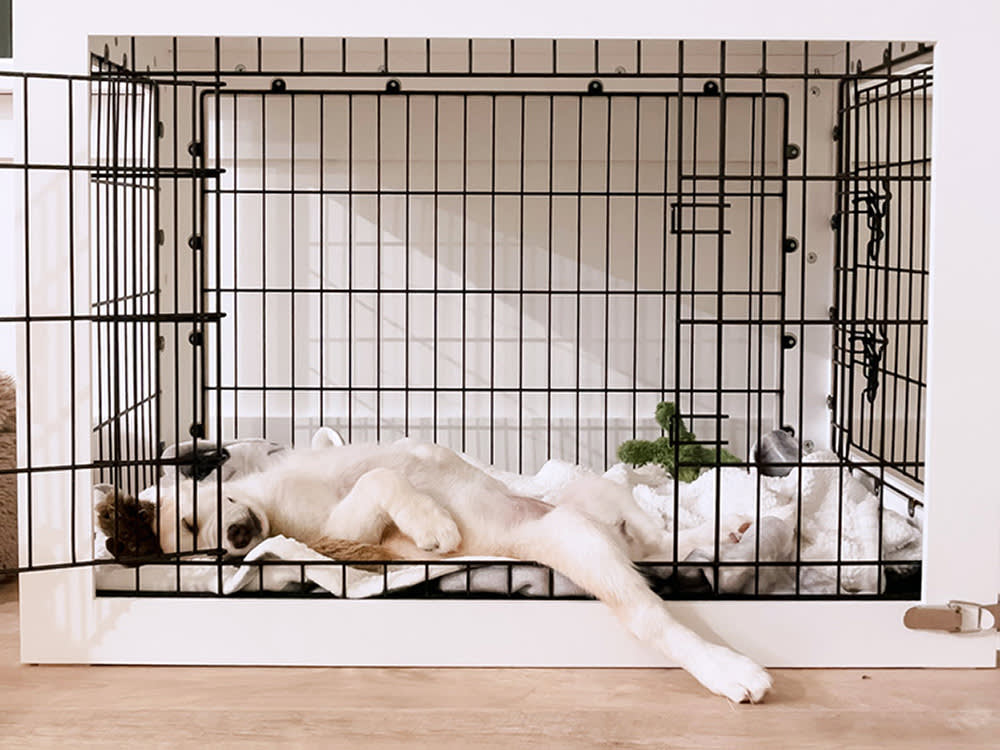
Choose a crate big enough for your puppy to stand, turn, and lie down. Too small feels cramped. Too large might invite accidents inside. Add a soft bed or blanket for comfort. Keep the bedding clean and dry. Puppies feel secure with a cozy, quiet spot.
Safe Location
Place the crate in a calm, quiet area of your home. Avoid noisy rooms or places with too much foot traffic. Your puppy needs rest without distractions. Keep the crate away from drafts or direct sunlight. A safe, calm spot helps your puppy sleep well at night.
Credit: www.kinship.com
Preparing Your Puppy
Preparing your puppy for crate training at night sets the stage for success. It helps your puppy feel safe and comfortable in a new space. A calm and positive start reduces stress for both you and your puppy. Begin this process slowly and patiently to build trust.
Introducing The Crate Gradually
Start by placing the crate in a quiet room. Leave the door open so your puppy can explore freely. Put soft bedding inside to make it cozy. Add a few toys to create a welcoming space. Let your puppy enter and exit the crate on their own terms.
Feed meals near the crate to build positive associations. After a few days, close the door briefly while your puppy eats. Slowly increase the time the door stays closed. Watch your puppy’s behavior and adjust the pace as needed.
Using Positive Reinforcement
Reward your puppy with treats and praise for crate visits. Use a calm, happy voice to encourage your puppy. Never force your puppy inside the crate. Give a treat each time your puppy enters willingly.
Use positive reinforcement to create good memories inside the crate. This helps your puppy want to return. Praise your puppy when they settle quietly in the crate. This builds a strong, positive habit for bedtime.
Establishing A Bedtime Routine
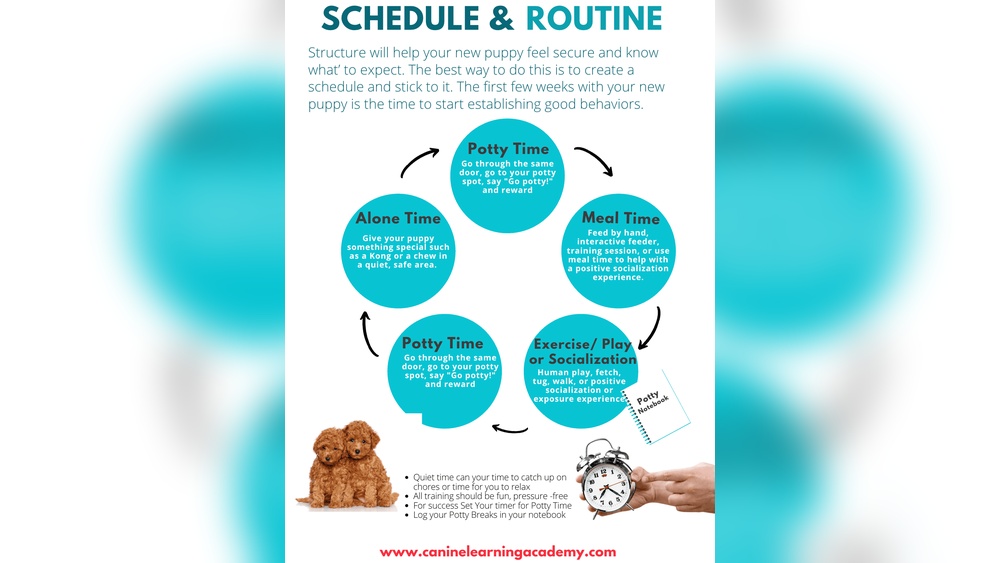
Establishing a bedtime routine helps your puppy feel safe and calm at night. A clear routine signals that it is time to sleep. This reduces anxiety and makes crate training easier. Puppies thrive on predictability, so a steady routine builds trust and comfort.
Consistent Schedule
Set a regular bedtime for your puppy every night. Take your puppy to the crate at the same time. Stick to this schedule to create a habit. Consistency helps the puppy understand when to rest. Avoid late-night changes that can confuse your puppy.
Pre-bedtime Exercise
Give your puppy some playtime before bedtime. Exercise helps burn off energy and makes them tired. Keep activities calm as bedtime nears. Avoid rough play that excites your puppy too much. A tired puppy falls asleep faster in the crate.
Credit: www.alphapaws.com
Managing Nighttime Needs
Managing your puppy’s nighttime needs helps both of you get better sleep. Puppies have small bladders and may need to go out during the night. Preparing for this helps avoid accidents and keeps your puppy calm. A good routine supports your puppy’s comfort and learning.
Potty Breaks
Take your puppy out for potty breaks before bedtime. This reduces the chance of accidents during the night. Set an alarm for one or two bathroom breaks at night. Keep the trips quick and quiet. Praise your puppy for going outside. This teaches good bathroom habits.
Soothing Techniques
Use calm voices and gentle petting to soothe your puppy. A soft blanket or a toy inside the crate can bring comfort. Avoid loud noises or bright lights that can startle your puppy. Playing soft music or white noise helps create a calm space. These small steps ease anxiety and help your puppy sleep better.
Troubleshooting Common Issues
Crate training a puppy at night can be challenging. Puppies often express discomfort or anxiety through whining and barking. These behaviors can disturb your sleep and make training tough. Understanding common issues helps solve problems faster. It creates a calm and positive crate experience for your puppy. Here are key tips for troubleshooting common issues during nighttime crate training.
Handling Whining And Barking
Whining and barking are normal at first. Puppies feel lonely or need to go outside. Do not open the crate immediately. Wait a few moments to check if the noise stops. Giving attention too soon teaches your puppy to whine for it.
Take your puppy out only if they need to potty. Keep the trips calm and quiet. Use a soft voice and return to the crate quickly. Praise your puppy for quiet behavior inside the crate. Over time, they learn that quietness brings comfort and safety.
Avoiding Negative Associations
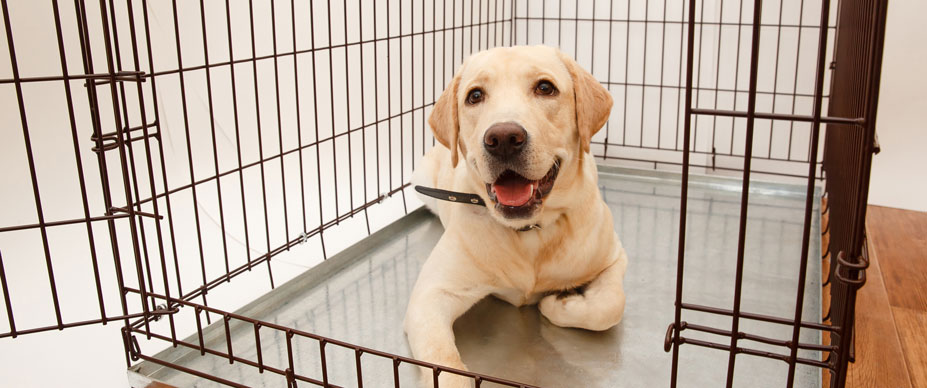
Make the crate a happy place. Do not use it for punishment. If the puppy fears the crate, training will be slow. Use treats, toys, and soft bedding inside the crate. Let the puppy explore it during the day.
Feed meals near or inside the crate. This creates positive feelings. Avoid forcing the puppy inside. Give time and patience for adjustment. A calm and inviting crate builds trust and peace at night.
Credit: www.fourpaws.com
Maintaining Progress
Keeping your puppy’s crate training progress steady at night is essential. Consistency helps your puppy feel safe and confident. Sudden changes can confuse your pet and cause setbacks. Patience and careful steps maintain good habits and trust.
Gradual Crate Freedom
Let your puppy earn more freedom slowly. Start by opening the crate door for short times while your puppy rests inside. Stay close and calm. Increase the time the door stays open bit by bit. Watch your puppy’s behavior. If your puppy stays calm, try longer periods outside the crate at night. Avoid rushing. Slow steps prevent accidents and anxiety.
Reinforcing Good Habits
Reward your puppy for quiet nights in the crate. Use soft praise or a gentle pet. Avoid loud noises or punishment. Keep a calm, positive tone. Consistent routines help your puppy learn what to expect. Stick to the same bedtime and crate setup every night. This steady routine makes your puppy feel secure and ready to sleep well.
Frequently Asked Questions
How Long Should I Crate Train My Puppy At Night?
Crate train your puppy gradually, starting with short periods. Increase the time each night, aiming for 6-8 hours. Avoid leaving your puppy crated too long to prevent distress and accidents.
What Is The Best Crate Size For Nighttime Training?
Choose a crate just large enough for your puppy to stand, turn, and lie down comfortably. Avoid oversized crates, as puppies may use extra space as a bathroom.
How Can I Make The Crate Comfortable At Night?
Add soft bedding and a favorite toy for comfort. Keep the crate in a quiet, dimly lit area to help your puppy feel secure and relaxed during nighttime.
When Should I Take My Puppy Out During Crate Training?
Take your puppy out right before bedtime and immediately when they wake up. Also, offer bathroom breaks every 2-3 hours during the night to prevent accidents.
Conclusion
Crate training your puppy at night takes patience and care. Start slow and stay consistent every night. Keep the crate cozy and safe for your puppy. Praise your puppy for calm and quiet behavior. Expect some accidents but don’t lose hope.
Soon, your puppy will feel comfortable inside the crate. A good night’s sleep helps both you and your puppy. Stick to these tips and enjoy peaceful nights together. Training takes time, but the results are worth it.