
Bringing home a 10-week-old puppy is an exciting time, but it also comes with challenges. You want your puppy to grow into a well-behaved, happy dog, and the best way to start is with the right training.
The habits you build now will shape your puppy’s future. Imagine having a pup that listens, follows commands, and feels confident in your home. Sounds great, right? You’ll discover simple and effective training tips that fit perfectly into your busy life.
Keep reading to learn how to turn your playful puppy into a well-mannered companion you’ll love.
Choosing The Right Supplies
Choosing the right supplies is key for training a 10 week old puppy. The right items make training easier and safer. Puppies need specific gear to feel secure and learn well.
Good supplies help build good habits early. They keep your puppy healthy and happy. Avoid cheap or unsafe products that can harm your puppy.
Essential Puppy Gear
Start with a sturdy collar and a lightweight leash. These help control your puppy during walks and training sessions. A proper collar fits snugly but not tight.
Use a harness for better control without hurting the puppy’s neck. Choose a small, easy-to-clean water bowl and a food dish. These are needed for feeding times.
A soft bed or crate helps your puppy rest well. Crate training supports potty training and reduces anxiety. Pick a crate size that fits your puppy comfortably.
Safe Toys And Chews
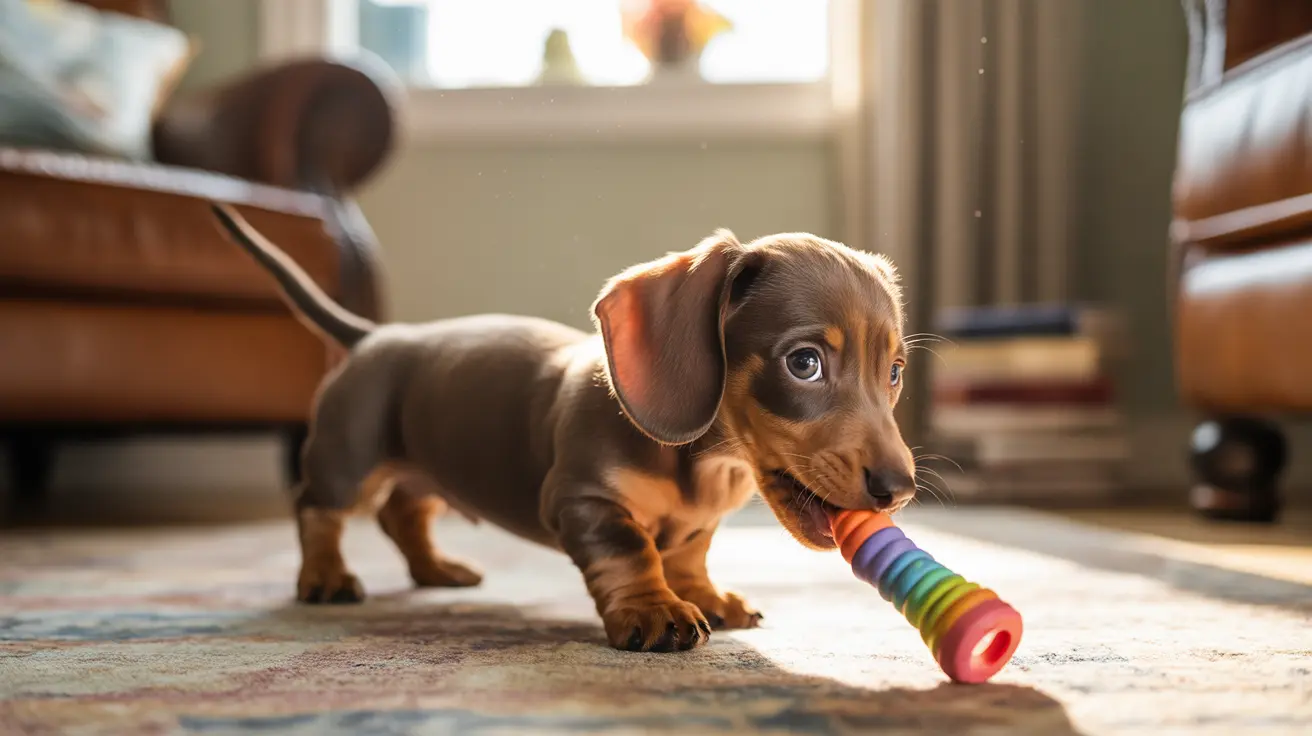
Select toys made from non-toxic materials. Puppies love to chew, so offer safe chew toys to protect your furniture. Avoid small toys that can be swallowed or cause choking.
Soft plush toys comfort your puppy but watch for loose parts. Hard rubber toys last longer and satisfy chewing needs. Rotate toys to keep your puppy interested and engaged.
Setting Up A Comfortable Space
Create a quiet, warm area for your puppy to relax. Use soft bedding and keep the space clean. This spot becomes your puppy’s safe zone.
Place water and toys nearby for easy access. Avoid noisy or busy areas that can stress your puppy. A calm space helps your puppy learn and grow happily.
Establishing A Routine
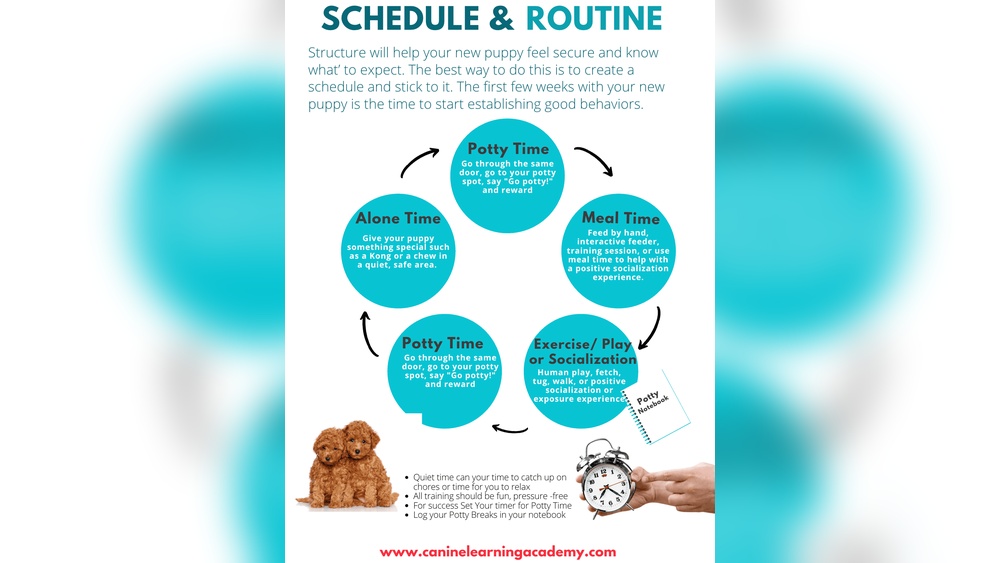
Establishing a routine is key for training a 10 week old puppy. Puppies feel safe when they know what to expect. A steady daily plan helps build good habits. It also reduces stress for both you and your puppy. Simple routines make learning easier for young dogs.
Consistent Feeding Schedule
Feed your puppy at the same times every day. This helps their digestive system stay regular. Puppies at 10 weeks usually eat three to four small meals daily. Use the same spot for feeding each time. It teaches your puppy where to expect food. Consistency in feeding also aids in potty training.
Regular Potty Breaks
Take your puppy outside often to prevent accidents. Puppies at this age need bathroom breaks every one to two hours. Always go to the same spot outside. Your puppy will learn this is the right place to go. Praise your puppy after they potty outside to encourage good behavior.
Sleep And Rest Patterns
Puppies need lots of sleep to grow strong. A 10 week old puppy can sleep 18 to 20 hours a day. Provide a quiet, comfortable place for rest. Try to keep nap times consistent each day. Rest helps your puppy stay calm and focused during training.
Basic Commands To Teach
Teaching basic commands to a 10-week-old puppy builds a strong foundation. These commands help your puppy understand what you expect. Training early shapes good behavior and safety. Keep sessions short and fun to hold your puppy’s attention.
Use clear words and gentle tone. Reward with treats and praise to encourage learning. Patience and consistency bring the best results.
Sit And Stay
Start with the “Sit” command. Hold a treat close to your puppy’s nose. Move your hand up slowly. Your puppy will sit to follow the treat. Say “Sit” clearly and give the treat. Repeat often in short sessions.
Next, teach “Stay.” Ask your puppy to sit first. Show your palm and say “Stay.” Take a step back. If your puppy stays, give a treat. Increase distance slowly. This command keeps your puppy safe.
Come When Called
Call your puppy’s name in a happy voice. Say “Come” clearly. Use treats to reward when your puppy comes to you. Start training indoors with few distractions. Gradually practice outside. This command helps control your puppy in different places.
Leave It And Drop It
“Leave It” stops your puppy from picking up wrong things. Hold a treat in a closed hand. Say “Leave It.” Wait until your puppy stops trying. Give a different treat from the other hand. Repeat until your puppy understands.
“Drop It” helps your puppy release things from their mouth. Offer a toy and say “Drop It.” Show a treat to trade. When your puppy drops the toy, give the treat. Practice often to protect your puppy from harmful objects.

Credit: wamiz.co.uk
House Training Techniques
House training a 10-week-old puppy takes patience and consistency. This stage is important for your puppy to learn where to go potty. Teaching good habits early helps avoid problems later. Use simple techniques that fit your puppy’s needs and your routine.
Crate Training Benefits
Crate training helps your puppy learn bladder control. A crate acts as a small, safe space. Puppies do not like to soil their sleeping area. This natural instinct helps with house training. Crates also keep puppies safe when you cannot watch them. Use a crate that fits your puppy comfortably. Start by letting your puppy explore the crate with the door open. Gradually increase the time they spend inside with the door closed. Never use the crate for punishment.
Using Positive Reinforcement
Praise your puppy immediately after they go outside. Use treats, petting, or happy words to reward good behavior. Positive reinforcement makes your puppy want to repeat the action. Avoid punishing accidents; it can confuse and scare your puppy. Consistency is key to teaching your puppy where to potty. Take your puppy out often, especially after meals or naps. Use the same door and spot each time to build routine.
Handling Accidents Calmly
Accidents will happen. Stay calm and avoid yelling. Clean the area with an odor remover to prevent repeat accidents. Interrupt your puppy gently if you catch them in the act. Quickly take them outside to finish. Never rub your puppy’s nose in the mess. Calmly redirect your puppy to the right place. Patience and understanding build trust and help training progress.
Socialization Tips
Socialization is key for a 10-week-old puppy’s growth. It helps your puppy become confident and friendly. Early social experiences shape behavior and reduce fear. Start socialization carefully and keep it positive. Here are some tips to help your puppy meet new friends and explore safely.
Introducing New People
Let your puppy meet different people often. Include children, adults, and seniors. Keep meetings short and calm. Let your puppy approach at their own pace. Use treats to create good feelings. Avoid forcing interaction to prevent fear.
Meeting Other Pets
Introduce your puppy to other pets gently. Start with calm and friendly animals. Watch their body language closely. Keep the first meetings brief and positive. Use a leash for control. Praise your puppy for calm behavior to build trust.
Exposure To Different Environments
Take your puppy to new places every day. Try parks, quiet streets, and pet stores. Let your puppy see and hear different sounds. Carry your puppy if places feel unsafe. Praise curiosity and calmness. This builds confidence and reduces anxiety later.

Credit: www.youtube.com
Managing Chewing And Biting
Managing chewing and biting is a key part of training a 10-week-old puppy. Puppies explore the world with their mouths. They chew and bite as a natural way to learn and play. Without guidance, this behavior can become a problem. Helping your puppy learn what is okay to chew and bite keeps your home safe and your puppy happy.
Redirecting To Appropriate Items
Give your puppy safe toys to chew on. When your puppy bites your hand or furniture, gently take their mouth away. Offer a chew toy instead. Praise your puppy when they chew the right items. This teaches them what is allowed. Keep many toys handy. Rotate toys to keep your puppy interested. This reduces the chance of chewing on wrong things.
Teaching Bite Inhibition
Bite inhibition means teaching your puppy to control the strength of their bite. If your puppy bites too hard during play, let out a sharp “ouch” sound. Stop playing for a moment. This shows your puppy biting hurts. Be consistent with this reaction. Your puppy will learn to bite softly over time. Patience is important here. Gentle play helps build this skill.
Using Time-outs Effectively
Time-outs help your puppy understand bad behavior has consequences. If your puppy bites or chews wrongly, calmly remove them from play. Place them in a quiet, safe area for a short time, about 30 seconds. Avoid yelling or hitting. Time-outs give your puppy a break to calm down. Return to play only when your puppy is calm. Repeat as needed to reinforce good behavior.
Health And Wellness Basics
Taking care of a 10 week old puppy means focusing on health and wellness basics. These early weeks set the stage for a strong, happy dog. Proper care helps prevent illness and supports growth. Pay attention to important areas like vaccinations, nutrition, and vet visits. These habits build a solid foundation for your puppy’s future.
Vaccination Schedule
Vaccinations protect puppies from serious diseases. Your puppy needs shots at specific times. Common vaccines include distemper, parvovirus, and rabies. Start the first round at 6 to 8 weeks old. Follow up with boosters every 3 to 4 weeks until 16 weeks. Keep a record of all vaccines. This schedule keeps your puppy safe and healthy.
Proper Nutrition
Good nutrition fuels your puppy’s growth and energy. Choose a high-quality puppy food with balanced nutrients. Feed according to the package instructions for age and weight. Divide meals into 3 to 4 portions daily. Avoid giving human food that can upset the stomach. Fresh water should always be available. Healthy food supports strong bones, teeth, and coat.
Regular Vet Check-ups
Regular vet visits are key to early problem detection. Take your puppy for a check-up every few weeks during the first months. The vet will check weight, teeth, and general health. They can give advice on training, diet, and parasite control. Early vet care helps prevent diseases and keeps vaccinations up to date. This care ensures your puppy grows well and stays happy.
Credit: www.petscare.com
Handling Separation Anxiety
Handling separation anxiety in a 10-week-old puppy is crucial for their emotional health. Puppies at this age often feel scared and stressed when left alone. Teaching them to cope with alone time helps build confidence and reduces stress. Start early to create positive habits that last a lifetime.
Gradual Alone Time
Begin by leaving your puppy alone for short moments. Start with just a few minutes and slowly increase the time. This helps your puppy get used to being alone without fear. Stay calm and quiet when you leave and return. Avoid making a big fuss to keep the routine normal.
Comfort Items
Give your puppy a soft toy or blanket with your scent. These items provide comfort and reduce anxiety. A favorite chew toy can also distract your puppy during alone time. Change the items occasionally to keep them interesting. This small step helps your puppy feel safe.
Avoiding Over-attachment
Do not always carry or cuddle your puppy. Allow them to explore and play independently. Over-attachment can make separation anxiety worse. Teach your puppy to enjoy alone time through positive rewards. Encourage calm behavior before leaving or returning home.
Exercise And Playtime
Exercise and playtime are key parts of training a 10-week-old puppy. These moments help your puppy grow strong and learn new things. Play also builds a bond between you and your dog. It keeps them happy and healthy. Proper exercise stops your puppy from being bored or restless. It helps with good behavior and social skills.
Age-appropriate Activities
At 10 weeks, puppies need gentle and short activities. Avoid long walks or rough play. Soft toys are best for chewing and fetching. Small play sessions, like a few minutes at a time, work well. Simple games like gentle tug or fetch help your puppy learn. Make sure the area is safe and free of hazards. Watch your puppy’s energy and stop if they seem tired.
Mental Stimulation Games
Puppies need their minds busy as much as their bodies. Hide treats in easy spots for a fun search game. Use puzzle toys to make your puppy think. Simple commands like “sit” or “come” challenge their brain. Short training sessions are good mental workouts. Mental games reduce boredom and stop bad behavior. Keep tasks easy and praise your puppy often.
Balancing Rest And Activity
Rest is as important as exercise for puppies. Puppies need many naps during the day. After playtime, let your puppy rest quietly. Too much activity can make them tired or cranky. Watch for signs of exhaustion like heavy panting or lying down. A balance keeps your puppy healthy and happy. Create a calm space for rest away from noise.
Troubleshooting Common Issues
Training a 10-week-old puppy can bring many challenges. Puppies explore the world with their mouths and voices. Some behaviors can become frustrating fast. Understanding common issues helps you guide your puppy well. This section covers key problems and simple ways to fix them.
Excessive Barking
Puppies bark to communicate or express needs. Too much barking can disturb your home peace. Identify what triggers the barking. It might be hunger, fear, or boredom. Respond calmly, not with shouting. Teach a “quiet” command using treats and praise. Give plenty of exercise to reduce energy. Provide toys to keep the puppy busy. Consistency is key to reduce barking over time.
Jumping Up
Jumping up is a common puppy greeting. It can be rough and unsafe for small children. Ignore your puppy when they jump. Turn away or step back to show no attention. Reward the puppy when all four paws are on the ground. Teach a “sit” command as a polite alternative. Practice this with family and guests. Regular training stops jumping and encourages calm greetings.
Nipping And Mouthing
Puppies use their mouths to explore and play. Nipping can hurt and must be controlled early. Redirect your puppy’s biting to toys. Use a firm “no” or a yelp sound to show it hurts. Stop playtime immediately if biting continues. Offer chew toys to satisfy the puppy’s need. Praise gentle play to encourage good habits. Patience helps your puppy learn soft mouth manners.
Frequently Asked Questions
How Often Should I Train A 10 Week Old Puppy?
Train your 10 week old puppy in short sessions, 5-10 minutes each. Aim for 3-5 sessions daily to keep their focus and build good habits.
What Are The Best Training Techniques For Puppies?
Use positive reinforcement like treats, praise, and play. Avoid punishment to encourage learning and build trust. Consistency is key in puppy training.
When Should Potty Training Start For A 10 Week Old Puppy?
Begin potty training immediately at 10 weeks old. Take your puppy outside frequently, especially after meals and naps, to establish good bathroom habits early.
How Do I Handle Biting Behavior In Puppies?
Redirect biting to chew toys and praise gentle play. Avoid rough play to reduce biting. Consistent training helps puppies learn bite inhibition quickly.
Conclusion
Training a 10-week-old puppy takes patience and care. Start with small steps and stay consistent every day. Reward good behavior with treats and praise. Keep training sessions short to hold your puppy’s attention. Remember, mistakes happen—that’s part of learning. Enjoy this special time growing together.
Your puppy will learn and become a happy, well-behaved dog. Keep practicing, and success will come.

