

Bringing a Boston Terrier puppy into your home is exciting, but it can also feel overwhelming. You want your puppy to grow into a well-behaved, happy dog, and the right training is key.
Imagine having simple, clear tips that make training easier and even enjoyable for both you and your puppy. You’ll discover practical Boston Terrier puppy training tips that anyone can follow. Whether you’re a first-time dog owner or need a refresher, these tips will help you build a strong bond with your furry friend and avoid common mistakes.
Keep reading to unlock the secrets to a calm, confident Boston Terrier.

Credit: www.youtube.com
Preparing For Your Puppy
Bringing a Boston Terrier puppy home is exciting and full of joy. Preparing well helps your puppy settle in quickly. It also makes training easier and more effective. Start by gathering the right items. Create a safe, cozy spot for your new friend. Plan your first vet visits early. These steps build a strong foundation for your puppy’s health and happiness.
Choosing The Right Supplies
Select supplies that fit your puppy’s size and energy level. Pick a collar and leash that are adjustable and comfortable. Buy food and water bowls that are easy to clean. Choose puppy food designed for small breeds. Include chew toys to help with teething. Avoid items that can be swallowed or cause harm.
Setting Up A Safe Space
Designate a quiet area for your puppy to rest and relax. Use a crate or playpen to keep your puppy safe. Remove any objects that your puppy could chew or swallow. Make sure the space has soft bedding and fresh water. This area helps your puppy feel secure and calm.
Scheduling Vet Visits
Book your puppy’s first vet appointment soon after bringing them home. The vet checks overall health and starts vaccinations. Discuss parasite prevention and diet recommendations. Regular vet visits keep your puppy healthy and strong. Keep a record of all vet visits and vaccinations.
Basic Training Commands
Basic training commands help your Boston Terrier puppy learn good behavior. These commands build a strong bond between you and your puppy. Early training helps your dog stay safe and listen better. Start with simple commands that your puppy can easily understand.
Teaching Sit And Stay
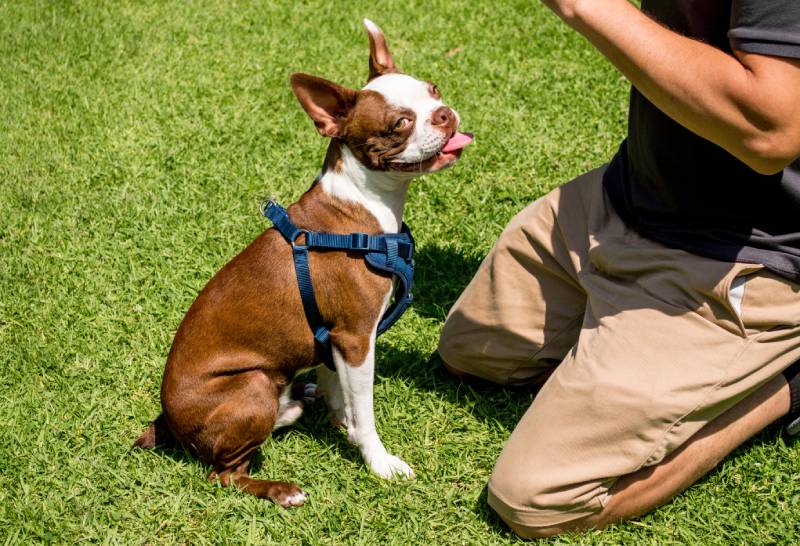
Begin training by teaching your puppy to sit. Hold a treat close to their nose. Slowly move the treat above their head. Your puppy will naturally sit down to follow the treat. Say “sit” clearly and give the treat. Repeat this several times every day.
Next, introduce the “stay” command. Ask your puppy to sit first. Show your palm and say “stay.” Take a small step back. If your puppy stays, give a treat. Increase the distance slowly. Practice short sessions often for best results.
Introducing Come And Heel
Teach your puppy the “come” command to call them to you. Use a happy voice and say “come.” Show a treat or toy to get their attention. When they come, praise and reward them. Practice this in a quiet place first.
The “heel” command helps your puppy walk beside you calmly. Hold a treat at your side. Say “heel” and start walking. If your puppy stays close, give a treat. Stop walking if they pull ahead. This teaches good leash manners early.
Using Positive Reinforcement
Positive reinforcement means rewarding good behavior. Use treats, praise, or petting to encourage your puppy. Avoid punishment, as it can cause fear or confusion. Always reward your puppy right after they do the command.
Keep training fun and short. Puppies learn better with gentle encouragement. Be patient and consistent. This builds trust and helps your Boston Terrier learn faster.
Housebreaking Techniques
Housebreaking your Boston Terrier puppy is a key step in training. It helps keep your home clean and your puppy healthy. Consistency and patience make this process easier.
Start early and be prepared for some accidents. Use simple methods to teach your puppy where to go potty. This creates good habits that last a lifetime.
Establishing A Routine
Set regular times for your puppy to go outside. Take them out first thing in the morning, after meals, and before bedtime. Puppies learn best with a steady schedule.
Watch for signs like sniffing or circling. These usually mean your puppy needs to go. Promptly take them outside to the same spot each time.
Crate Training Benefits
A crate helps your puppy learn to hold their bladder. Dogs avoid soiling their sleeping area. Use the crate only for short periods at first.
Make the crate cozy and safe. Praise your puppy when they stay calm inside. Crate training supports housebreaking by teaching control.
Handling Accidents Calmly
Accidents are normal during training. Avoid yelling or punishment. This can scare your puppy and slow progress.
Clean messes with an enzyme cleaner. This removes smells that attract repeat accidents. Stay patient and gently guide your puppy back outside.
Socializing Your Puppy
Socializing your Boston Terrier puppy is key for their growth and happiness. It helps them learn how to behave around people, dogs, and new places. A well-socialized puppy becomes a calm and friendly adult dog. Start socializing early to build their confidence and reduce fear.
Introducing New People
Let your puppy meet different people often. Invite friends and family to say hello gently. Encourage calm and slow greetings. Avoid loud noises and sudden moves that scare your puppy. Reward them with treats for good behavior around strangers. This helps your puppy feel safe and happy with new faces.
Meeting Other Dogs Safely
Choose calm and healthy dogs for first meetings. Use a leash to control your puppy. Let dogs sniff and greet each other calmly. Watch their body language closely. Stop the play if either dog shows signs of stress or aggression. Short and positive meetings build your puppy’s social skills.
Exposing To Various Environments
Take your Boston Terrier puppy to different places. Parks, streets, and pet-friendly stores are good options. Let them hear new sounds and see different sights. Keep experiences positive and not overwhelming. Use treats and praise to help your puppy enjoy new places. This makes your dog more adaptable and less nervous.
Managing Common Challenges
Boston Terrier puppies are full of energy and curiosity. Training them can be fun but comes with challenges. Managing these common issues helps your puppy grow into a happy dog. Focus on simple, clear methods to handle problems effectively.
Dealing With Chewing
Boston Terriers love to chew, especially when teething. Provide plenty of chew toys to keep them busy. Remove items they should not chew, like shoes or cables. Praise your puppy when they chew the right toys. Redirect their chewing to safe objects quickly.
Handling Separation Anxiety
Boston Terriers can get sad when left alone. Start by leaving them alone for short times. Give a favorite toy or treat before you leave. Avoid long goodbyes to keep them calm. Gradually increase alone time to build confidence.
Controlling Excessive Barking
Boston Terriers may bark a lot to get attention. Teach a quiet command and reward silence. Ignore barking that seeks attention to avoid encouraging it. Provide enough exercise to reduce restless barking. Use consistent training to keep barking under control.
Credit: www.doggoneproblems.com
Building A Lasting Bond
Building a strong bond with your Boston Terrier puppy is key for a happy life together. This bond grows with trust and shared experiences. Consistent care and attention help your puppy feel safe and loved. A close connection also makes training easier and more effective.
Daily Playtime Activities
Playtime is more than fun. It helps your puppy learn about you and the world. Use toys that your Boston Terrier enjoys. Short, frequent play sessions keep their interest. Play outside for fresh air and exercise. Gentle games like fetch or tug strengthen your bond.
Consistent Training Sessions
Short training sessions every day build good habits. Use clear commands your puppy can understand. Keep training positive and patient. Repeating simple tasks helps your puppy learn faster. Consistency teaches your puppy what to expect from you.
Rewarding Good Behavior
Praise and treats motivate your puppy to behave well. Give rewards right after good actions. This makes your puppy connect rewards with behavior. Use small, tasty treats to keep their focus. Verbal praise also shows your puppy they did well.
Credit: www.dogster.com
Frequently Asked Questions
How Do I Start Training My Boston Terrier Puppy?
Begin with basic commands like sit, stay, and come. Use positive reinforcement such as treats and praise. Keep sessions short and consistent to maintain your puppy’s attention and encourage learning.
When Should I Begin Socializing My Boston Terrier Puppy?
Start socialization between 8 to 16 weeks old. Introduce your puppy to different people, pets, and environments gently. Early socialization helps prevent behavioral problems and builds confidence.
What Is The Best Potty Training Method For Boston Terriers?
Use a consistent schedule for bathroom breaks, especially after meals and naps. Reward your puppy immediately after they go outside. Crate training is effective for housebreaking Boston Terriers.
How Do I Handle Biting Or Nipping In Puppies?
Redirect biting to chew toys and avoid harsh punishments. Praise gentle play and withdraw attention when biting occurs. Consistency helps Boston Terrier puppies learn acceptable behavior quickly.
Conclusion
Training your Boston Terrier puppy takes patience and love. Start early with simple commands and gentle praise. Keep sessions short to hold their attention. Consistency helps your puppy learn good habits faster. Remember, every puppy is unique and learns at its own pace.
Enjoy the process and celebrate small wins together. A well-trained Boston Terrier becomes a happy, confident friend. Stay calm, be kind, and watch your puppy grow. Training builds a strong bond that lasts a lifetime.

