Potty training a puppy can feel overwhelming, but it doesn’t have to be. You want your furry friend to learn quickly and avoid accidents in your home.
Imagine having a puppy that knows exactly where to go, making your life easier and your bond stronger. You’ll discover simple, effective tips to guide your puppy through potty training with confidence. Keep reading, and you’ll be surprised how quickly your puppy can pick up these habits—and how much smoother your daily routine will become.
Prepare For Training
Preparing for potty training helps your puppy learn faster. Clear steps make the process smooth. Planning before training saves time and stress. Start by choosing a spot, then gather supplies. Finally, set a daily routine. These steps build good habits early.
Choose A Designated Spot
Pick one spot outside for your puppy to use. This helps your puppy know where to go. The spot should be easy to reach. Avoid busy or noisy areas. A quiet place helps your puppy focus. Always take your puppy to this same spot.
Gather Necessary Supplies
Have everything ready before training starts. Use puppy pads if training indoors. Keep cleaning supplies handy for accidents. Use treats to reward good behavior. A leash helps control your puppy outside. Prepare a crate for rest times. These tools support clear training signals.
Set A Consistent Schedule
Feed your puppy at the same times daily. Take your puppy outside after meals and naps. Regular potty breaks prevent accidents inside. Consistency helps your puppy learn faster. Schedule short training sessions often. This routine builds strong habits.

Credit: ieced.com.ec
Establish A Routine
Establishing a routine is key to potty training a puppy. Puppies thrive on consistency. A regular schedule helps them learn where and when to go. It reduces accidents and builds good habits fast.
Feed On A Schedule
Feed your puppy at the same times each day. This controls their digestion and bathroom needs. Avoid free feeding or random meal times. Scheduled feeding helps predict when your puppy must go out.
Frequent Bathroom Breaks
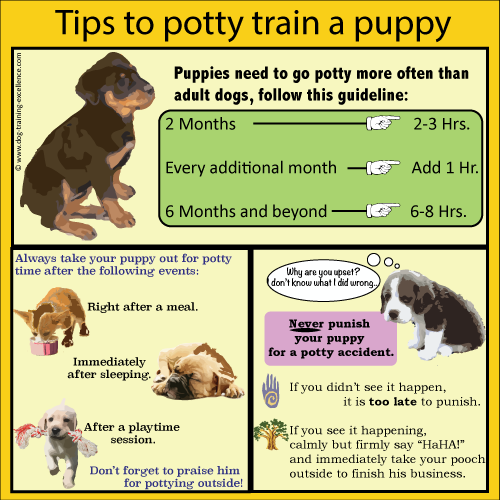
Take your puppy outside often, especially after meals and naps. Puppies have small bladders and need frequent breaks. Watch for signs like sniffing or circling. Quick trips outside prevent accidents inside the house.
Use A Crate Effectively
Use a crate as a safe space for your puppy. Dogs avoid soiling their sleeping area. Keep the crate the right size—big enough to turn but not to eliminate. Crate time teaches bladder control and builds routine.
Recognize Signs
Recognizing the signs your puppy needs to go potty is key to training success. Puppies cannot hold their bladder long. Watching their behavior helps you act fast. This prevents accidents and teaches them good habits.
Watch For Restlessness
Puppies often become restless before they need to go. They may pace or move around more than usual. Pay attention if your puppy suddenly acts uneasy. This restlessness is a clear sign they need a bathroom break.
Notice Sniffing And Circling
Sniffing the floor and circling are common potty signals. Puppies do this to find the perfect spot. When you see this behavior, take your puppy outside right away. Acting quickly helps them learn where to go.
Respond Quickly To Cues
React to your puppy’s signs without delay. Take them outside as soon as you notice restlessness or sniffing. Quick response shows your puppy what to do. Consistency in timing speeds up potty training.
Credit: labiondabegur.com
Encourage Good Behavior
Encouraging good behavior is key to potty training a puppy. It helps your puppy learn what is right and builds trust between you two. Positive actions make training faster and more pleasant for both.
Focus on rewarding the puppy when it does the right thing. This creates a clear connection between good behavior and positive outcomes. Patience and consistency are important to keep progress steady.
Use Positive Reinforcement
Positive reinforcement means giving your puppy something good after it behaves well. Praise, treats, or playtime can work. This helps your puppy understand that it should repeat the behavior. Avoid scolding or negative reactions at this stage.
Offer Treats And Praise
Give your puppy small treats right after it goes potty outside. Use a happy voice to say “good job” or “well done.” This makes your puppy feel happy and proud. Treats and praise together make a strong reward.
Avoid Punishment
Punishing a puppy can cause fear and confusion. It may not understand why it is being punished. This can slow down training and harm your bond. Focus on encouraging good actions instead of punishing mistakes.
Handle Accidents Calmly
Accidents happen during puppy potty training. Staying calm helps your puppy learn better. Reacting calmly shows your puppy that accidents are normal. It keeps training positive and stress-free. Handle accidents with patience and care to build trust.
Clean Thoroughly
Clean the accident spot well. Use a pet-safe cleaner to remove all smells. This stops your puppy from returning to the same spot. A clean area encourages good potty habits. Avoid using strong chemicals that can harm your puppy.
Avoid Negative Reactions
Do not yell or punish your puppy. Negative reactions cause fear and confusion. Puppies learn best with gentle guidance. Calmly redirect your puppy to the right place. Praise them when they go potty outside.
Learn From Mistakes
Every accident is a chance to learn. Watch your puppy’s signals and habits. Adjust training methods as needed. Consistency helps your puppy understand faster. Patience and observation improve your training success.
Be Patient And Consistent
Potty training a puppy needs patience and consistency. Puppies learn best when you stay calm and keep a steady routine. Sudden changes or rushing can confuse your puppy. Small steps lead to better results over time. Consistent effort builds good habits and trust between you and your puppy.
Be ready to repeat the same steps every day. Celebrate small wins. Remember, every puppy learns at its own pace. Patience helps you handle accidents without stress. Consistency makes training clearer and faster for your puppy.
Keep Training Sessions Short
Short sessions keep your puppy focused. Puppies have short attention spans. Training for five to ten minutes works best. Too long can tire your puppy and cause distractions. Repeat sessions several times a day. This helps your puppy understand commands better.
Stay Consistent Daily
Stick to the same routine every day. Take your puppy out at the same times. Use the same words for commands. Reward good behavior with treats or praise. Consistency helps your puppy know what to expect. It makes learning easier and faster.
Adjust Techniques As Needed
Watch how your puppy responds to training. Some methods work better than others. Change your approach if your puppy seems confused. Try different rewards or times for potty breaks. Flexibility helps you find what suits your puppy best. Keep improving your training style for better results.

Credit: www.etsy.com
Frequently Asked Questions
How Long Does Puppy Potty Training Usually Take?
Puppy potty training typically takes 4 to 6 months. Consistency and patience speed up the process. Some puppies learn faster with regular schedules and positive reinforcement.
What Are The Best Times To Take A Puppy Outside?
Take your puppy outside after meals, naps, and playtime. Frequent trips every 1-2 hours help establish a routine. Early and consistent outings reduce accidents indoors.
How To Handle Accidents During Puppy Potty Training?
Stay calm and avoid punishment after accidents. Clean the area thoroughly to remove odors. Redirect your puppy gently to the potty spot to reinforce good habits.
What Rewards Work Best For Potty Training Puppies?
Use small treats, praise, and affection as rewards. Immediate positive reinforcement motivates your puppy to repeat good behavior. Avoid overfeeding with treats to maintain health.
Conclusion
Potty training a puppy takes patience and consistency. Set a routine and stick to it daily. Praise your puppy when they do well. Expect some accidents; stay calm and keep trying. Watch for signs your puppy needs to go outside.
Use the right tools like pee pads or crates. Remember, every puppy learns at their own pace. With love and care, success will come soon. Enjoy the journey with your new friend.