

Bringing a Husky puppy into your life is exciting, but it also comes with its own set of challenges. If you want your furry friend to grow happy and healthy, you need to understand what makes Huskies unique.
From their boundless energy to their stubborn streak, these dogs require special care and attention. You’ll discover simple yet effective tips that will make owning a Husky puppy easier and more rewarding. Keep reading to unlock the secrets of raising a well-behaved, joyful Husky that fits perfectly into your family.
Choosing The Right Husky Puppy
Choosing the right Husky puppy is very important for a happy life together. Huskies are active, strong, and smart dogs. They need a family that understands their needs and personality. Taking time to pick the best puppy can save you many problems later.
Breed Traits To Consider
Huskies have a thick coat and lots of energy. They love to run and play outside. These dogs are very friendly but can be stubborn. They need exercise every day to stay healthy and happy. Huskies are also known for being independent and sometimes stubborn. Think about your lifestyle and if you can keep up with an active dog.
Finding A Reputable Breeder
A good breeder cares about the health and character of the puppies. They test the parents for common health problems. Puppies should be socialized and raised in a clean place. Ask the breeder many questions about the puppy’s parents and care. Visiting the breeder’s home helps you see the puppy’s environment.
Adoption Vs. Buying
Adopting a Husky can save a dog’s life. Shelters may have Huskies needing new homes. Buying from a breeder allows you to know the puppy’s history. Both choices need careful thought and preparation. Focus on the puppy’s health and behavior, not just looks.
Preparing Your Home
Bringing a husky puppy into your home is exciting. Preparation helps your puppy feel safe and happy. Setting up your space before your puppy arrives makes training easier. It also prevents accidents and stress.
Safe Spaces For Your Puppy
Create a quiet area where your puppy can rest. Use a crate or a small room with soft bedding. This space should be away from loud noises and busy places. It helps your puppy feel secure and calm. Give your puppy toys and a water bowl in this area.
Essential Supplies To Have
Buy a sturdy collar and leash for walks. Choose food and water bowls that are easy to clean. Get high-quality puppy food suited for huskies. Stock up on chew toys to keep your puppy busy. Have grooming tools like brushes and nail clippers ready. Keep cleaning supplies nearby for accidents.
Puppy-proofing Tips
Remove small objects that your puppy could swallow. Hide electrical cords and keep them out of reach. Secure trash cans with lids or place them in cabinets. Block off areas where your puppy can get stuck or hurt. Check for toxic plants and keep them away. Close doors to rooms that are unsafe for your puppy.
Feeding Your Husky Puppy
Feeding your Husky puppy right is key to a healthy life. Good nutrition helps them grow strong and full of energy. Huskies have unique needs that you must meet with care and attention.
Choosing the right foods and feeding routine supports their active nature and thick coat. Avoiding harmful foods keeps them safe and happy. Learn how to feed your Husky puppy well with these tips.
Best Diet Options
High-quality puppy food suits Huskies best. Look for brands with real meat listed first. Protein helps build muscles and keeps energy high. Include healthy fats for their thick fur and skin health. Some owners add cooked vegetables or rice for extra nutrients. Fresh water must always be available for your puppy.
Feeding Schedule Guidelines
Feed your Husky puppy three to four times a day. Consistent timing helps digestion and energy levels. Use measured portions to avoid overeating. Puppies grow fast, so adjust food amounts often. Watch their weight and adjust feeding as they grow.
Foods To Avoid
Never feed your Husky chocolate, grapes, or onions. These are toxic and cause serious illness. Avoid cooked bones, as they can splinter and harm the puppy. Skip salty, sugary, or fatty human foods. Stick to vet-approved treats and meals only.
Training Basics
Training a Husky puppy starts with strong basics. These dogs are smart and energetic. They learn quickly but need clear guidance. Consistency and patience help build good habits early. Focus on simple, daily routines that your puppy can understand. Training creates a bond and sets rules your puppy will follow.
Housebreaking Techniques
Begin housebreaking as soon as your puppy arrives. Take your Husky outside often, especially after meals and naps. Choose a quiet spot for bathroom breaks. Praise your puppy immediately after they go outside. Watch for signals like sniffing or circling. Clean accidents inside with an enzyme cleaner to remove smells. Avoid punishment; it confuses your puppy and slows learning.
Crate Training Tips
Introduce the crate as a safe space, not a punishment. Place soft bedding and toys inside. Encourage your puppy to enter with treats and praise. Start with short periods inside the crate while you stay nearby. Gradually increase the time your puppy spends there. Use the crate for naps and bedtime to build comfort. Never force your puppy into the crate.
Basic Commands To Teach Early
Teach simple commands like “sit,” “stay,” and “come” early. Use treats and positive words for motivation. Keep training sessions short, around 5 to 10 minutes. Repeat commands daily to reinforce learning. Use clear, firm tones but stay gentle. Early obedience helps manage your Husky’s strong energy. Consistent commands reduce confusion and build trust.
Exercise And Play
Exercise and play are very important for a husky puppy’s health and happiness. Huskies are active dogs. They need lots of movement to stay fit and calm. Without enough exercise, they can become bored and restless.
Play also helps build a strong bond between you and your puppy. It teaches good behavior and keeps their mind sharp. Let’s explore some ways to keep your husky puppy active and entertained every day.
Daily Activity Needs
Husky puppies need at least one hour of exercise each day. This can be split into two or more sessions. Start with short walks and gentle play. Increase time as your puppy grows stronger.
Running, walking, and playing fetch are great choices. Avoid very hard exercise for young puppies. Their bones and joints are still developing. Watch your puppy for signs of tiredness or stress.
Safe Outdoor Play Ideas
Outdoor play gives your puppy fresh air and new sights. Use a secure yard or park for running and exploring. Always keep your puppy on a leash in open areas. Huskies have a strong instinct to roam and chase.
Try simple games like fetch or hide and seek. Use toys that are safe and durable. Check the area for hazards like sharp objects or toxic plants. Outdoor play should be fun and safe.
Mental Stimulation Activities
Huskies are smart dogs. They need mental challenges as much as physical exercise. Puzzle toys and treat dispensers work well. These toys make puppies think and solve problems.
Training sessions also stimulate the mind. Teach basic commands with short, positive lessons. Change the routine often to keep your puppy interested. Mental exercise helps reduce bad behaviors caused by boredom.

Credit: www.youtube.com
Grooming Your Husky
Grooming your Husky puppy is important for their health and happiness. Huskies have thick fur that needs regular care. Proper grooming keeps their coat shiny and skin healthy. It also helps control shedding and prevents mats.
Brushing And Shedding Control
Brush your Husky’s fur at least three times a week. Use a slicker brush or undercoat rake. These tools remove loose hair and dirt. Huskies shed heavily twice a year during “blowing coat” season. Daily brushing helps manage the extra hair. It stops mats and keeps your home cleaner.
Bathing Frequency
Bath your Husky puppy only when necessary. Usually, every two to three months is enough. Too much bathing can dry their skin. Use a gentle dog shampoo made for sensitive skin. Rinse well to avoid irritation. Keep baths short and calm your puppy during washing.
Nail And Ear Care
Check your Husky’s nails every two weeks. Trim them if they are too long. Long nails can hurt your puppy’s paws. Clean their ears weekly with a soft cloth or cotton ball. Avoid deep inside the ear canal. Look for signs of infection like redness or bad smell. Healthy ears prevent pain and hearing problems.
Health And Vet Care
Keeping a Husky puppy healthy needs careful attention and regular vet visits. Early care helps your puppy grow strong and happy. A clear plan for health and vet care avoids many common problems. Understanding the basics of vaccination, health issues, and signs of illness is very important.
Vaccination Schedule
Vaccinations protect your puppy from harmful diseases. Start vaccinations at six to eight weeks old. Core vaccines include distemper, parvovirus, and rabies. Follow your vet’s advice on booster shots. Keep a record of all vaccinations. This helps track your puppy’s health and future needs.
Common Health Issues
Huskies may face some breed-specific health problems. Common issues include hip dysplasia and eye conditions. Watch for signs of allergies or skin infections. Regular vet check-ups help catch problems early. A healthy diet and exercise support your puppy’s wellbeing.
Signs Of Illness To Watch For
Early detection of illness saves lives. Look for changes in appetite or energy. Vomiting, diarrhea, or coughing are warning signs. Check for unusual lumps or swelling. If your puppy limps or acts restless, seek vet care. Quick action can prevent serious health problems.
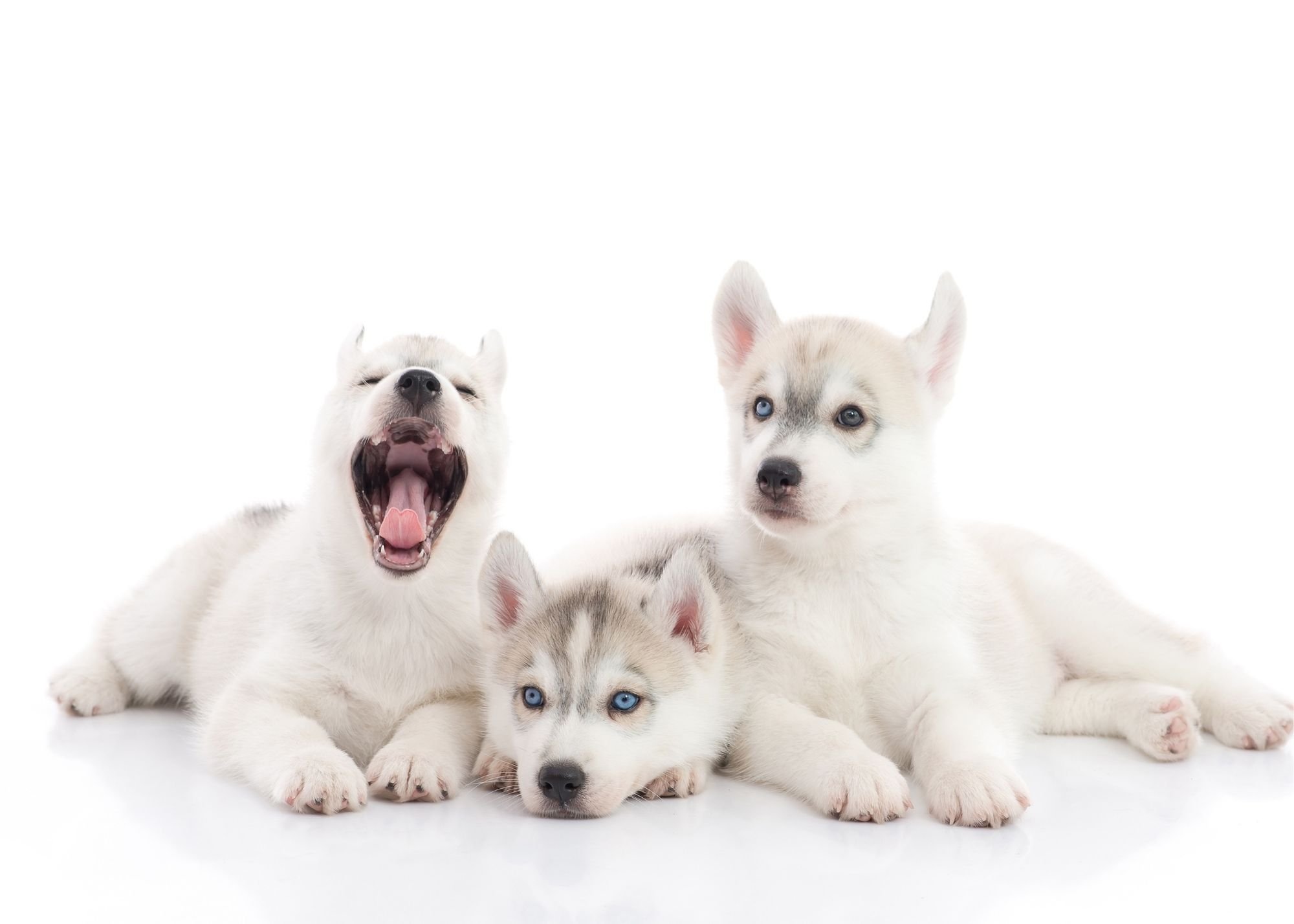
Credit: www.thepuppyacademy.com
Socializing Your Puppy
Socializing your husky puppy is very important for its growth. It helps your puppy feel safe and confident. Early socialization makes your puppy friendly with people and other pets. It also reduces fear and anxiety. A well-socialized puppy grows into a happy, well-behaved dog.
Introducing To People And Pets
Start by letting your puppy meet different people gently. Use calm voices and slow movements. Allow your puppy to sniff and explore at its own pace. Introduce your puppy to other pets carefully. Supervise their first meetings to avoid stress. Repeat these meetings often to build comfort.
Handling Fear And Anxiety
Some puppies feel scared in new situations. Watch for signs like trembling or hiding. Stay calm and give your puppy space. Use soft words and gentle touch to soothe. Avoid forcing your puppy to face fears. Gradually expose your puppy to new things in small steps.
Positive Reinforcement Strategies
Reward good behavior with treats or praise. This teaches your puppy what you like. Use short training sessions to keep attention. Be consistent with your rewards and commands. Avoid punishment; it can cause fear. Positive reinforcement builds trust and good habits quickly.
Managing Husky Behaviors
Husky puppies are full of energy and strong personalities. Managing their behaviors helps create a happy home. Understanding their needs and habits makes training easier. Consistency and patience are key to success. This section guides you through common challenges and solutions.
Dealing With Howling And Vocalization
Huskies love to howl and talk. It is part of their nature. Howling can be loud and frequent. Provide enough exercise to reduce this behavior. Give your puppy toys to keep busy. Teach a quiet command early on. Praise them when they stay calm.
Preventing Destructive Chewing
Chewing is normal for puppies. Huskies chew when bored or stressed. Offer plenty of chew toys. Remove tempting items from their reach. Redirect chewing to safe toys. Use bitter sprays on furniture. Reward good behavior with treats and praise.
Handling Escape Artist Tendencies
Huskies are famous for escaping. They can jump or dig under fences. Secure your yard with tall fencing. Check for weak spots often. Give your puppy enough exercise daily. Use a leash during walks. Train recall commands to keep them safe.
Credit: www.reddit.com
Frequently Asked Questions
How Do I Train A Husky Puppy Effectively?
Start training early with consistency and positive reinforcement. Huskies respond well to patience and rewards. Use short, fun sessions to maintain their interest. Socialize them with people and other dogs to build confidence and good behavior.
What Is The Best Diet For A Husky Puppy?
Feed high-quality puppy food rich in protein and fat. Avoid fillers and artificial additives. Provide fresh water daily. Adjust portions based on activity level and growth. Consult your vet for specific nutritional needs and avoid overfeeding.
How Much Exercise Does A Husky Puppy Need?
Husky puppies require at least one hour of exercise daily. Include walks, playtime, and mental stimulation. Avoid excessive running to protect growing joints. Regular exercise helps prevent boredom and destructive behavior. Tailor activities to your puppy’s energy level.
When Should I Start Socializing My Husky Puppy?
Begin socialization as early as 3 weeks old. Expose them to various people, sounds, and environments gradually. Positive experiences build confidence and reduce fear. Puppy classes are great for controlled socialization. Early socialization leads to a well-adjusted adult dog.
Conclusion
Owning a husky puppy brings joy and challenges. Training and patience build a strong bond. Regular exercise keeps your puppy happy and healthy. Feeding good food supports their growth and energy. Socializing early helps them become friendly adults. Husky puppies need love, care, and clear rules.
Enjoy each moment with your new friend. Keep learning about their needs every day. This journey is rewarding and full of fun. Take it step by step, and trust yourself.


