

Potty training your puppy can feel like a big challenge, but it doesn’t have to be overwhelming. Imagine having a clean house, fewer accidents, and a happy puppy who knows exactly where to go.
You can achieve this with the right approach. You’ll discover simple, effective tips that make potty training easier and faster. Stick with me, and you’ll soon enjoy a smoother, stress-free experience with your furry friend. Ready to get started? Let’s dive in!
Preparing For Training
Preparing for potty training helps your puppy learn faster. Getting ready sets clear expectations. It makes the process smooth and less stressful. Start by creating a plan and gathering what you need. Consistency is key for good habits.
Choosing The Right Spot
Pick a quiet, easy-to-access area outside for bathroom breaks. The spot should be the same every time. This helps the puppy connect the place with potty time. Avoid busy or loud places that might scare your puppy. A familiar area makes training simple and clear.
Gathering Essential Supplies
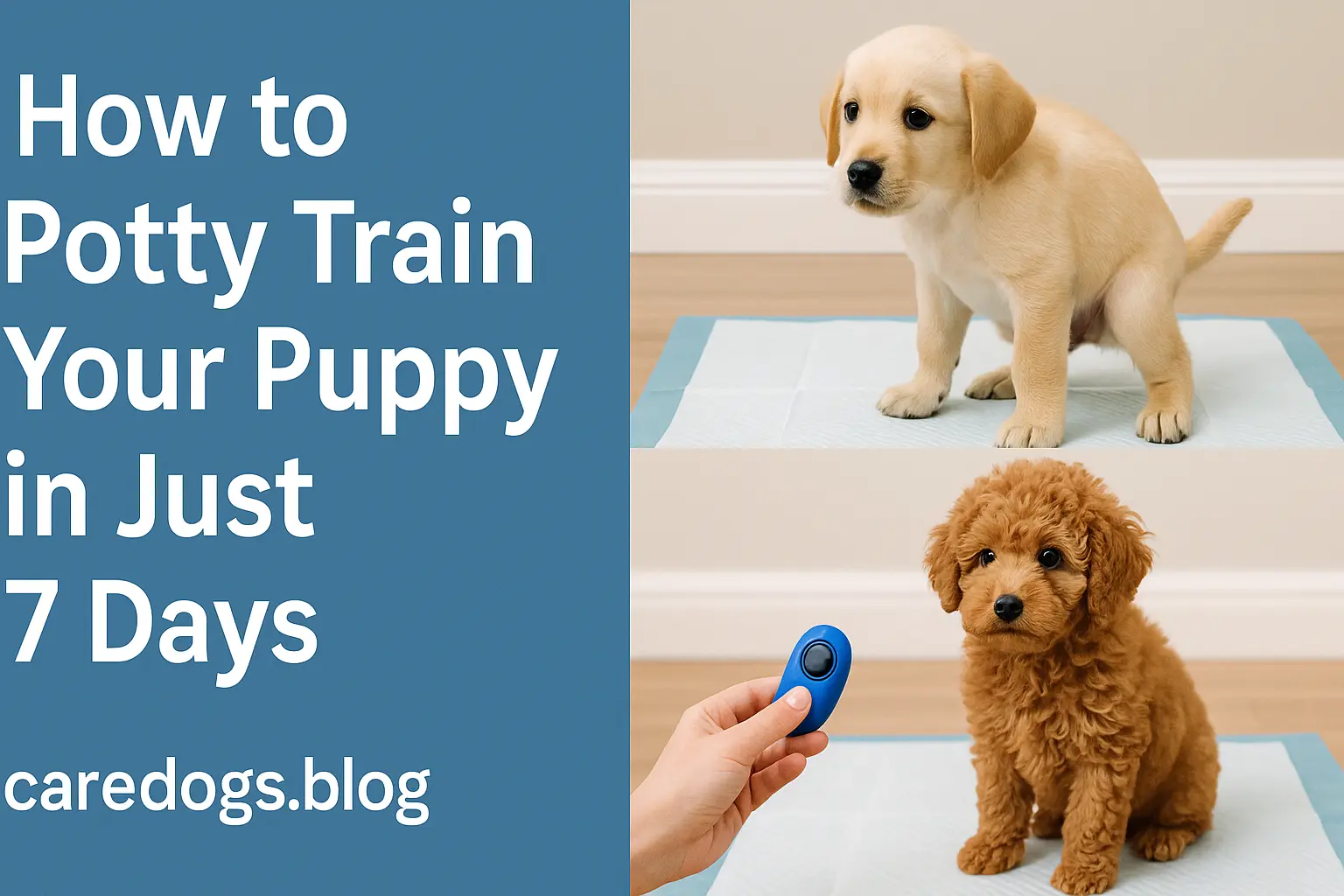
Have all the tools ready before training starts. Use puppy pads or newspapers if training indoors. Keep cleaning supplies handy for accidents. Have treats for rewards. Use a leash to guide your puppy outside. These items support good habits and quick learning.
Setting A Consistent Schedule
Set regular times for bathroom breaks. Puppies need to go after eating, sleeping, and playing. Take your puppy to the same spot each time. Stick to the schedule every day. Predictability helps your puppy learn when and where to go. This builds trust and good habits fast.
Establishing A Routine
Establishing a routine is key to potty training puppies. Puppies thrive on consistency. A regular schedule helps them learn when and where to go. It reduces accidents and builds good habits fast.
Creating a predictable pattern makes training easier. It also helps the puppy feel safe and secure. Puppies need clear signals about bathroom times. This section explains how to set up a simple, effective routine.
Frequent Bathroom Breaks
Take your puppy outside often. Puppies have small bladders and need breaks every 1-2 hours. Take them out after eating, drinking, playing, and waking up. Regular trips help them learn where to go. Stay patient and watch for signs they need to go.
Recognizing Puppy Signals
Watch your puppy closely for signs they need the bathroom. Sniffing, circling, or whining are common signals. Some puppies pause and look at the door. Acting quickly prevents accidents. Responding to these signals builds trust and helps training.
Using Positive Reinforcement
Reward your puppy immediately after they go outside. Use treats, praise, or gentle petting. Positive reinforcement encourages good behavior. Avoid punishment for accidents. Celebrate success to motivate your puppy. This approach creates a happy and confident learner.
Common Challenges
Potty training puppies can be tricky. Many pet owners face common challenges that test their patience and skills. Knowing these challenges helps prepare for a smoother training process. Puppies need time to learn where and when to go. Expect accidents, stubborn moments, and nighttime issues.
Handling Accidents Calmly
Accidents will happen. Puppies are still learning and need patience. Never punish your puppy for accidents. This can scare them and slow training. Clean the area well to remove smells. Use gentle words and guide your puppy to the right spot. Stay calm and consistent to build trust.
Dealing With Stubborn Behavior
Some puppies resist training. They may ignore commands or delay going outside. Use short, clear commands and reward good behavior. Avoid yelling or rough handling. Break training into small steps. Praise often to motivate your puppy. Patience is key to overcoming stubbornness.
Managing Nighttime Training
Nights are hard for puppies. Their small bladders need frequent breaks. Set alarms to take your puppy out. Keep trips quiet and simple. Avoid playtime during nighttime breaks. This helps puppies learn that night means rest. Gradually increase time between trips as they grow.
Credit: caredogs.blog
Advanced Techniques
Advanced techniques in potty training help build on basic skills. They make training faster and more reliable. These methods focus on creating good habits and clear communication with your puppy. Each step supports your puppy’s learning and comfort.
Crate Training Benefits
Crate training helps puppies learn bladder control. Dogs naturally avoid soiling their sleeping area. A crate gives your puppy a safe, cozy space. It reduces accidents by limiting where your puppy can go. Use the crate only for short times. Let your puppy out often to potty.
Using Commands Effectively
Simple commands guide your puppy during potty times. Use clear words like “Go potty” or “Hurry.” Say the command just before your puppy goes. Praise them right after they finish. Consistent commands help your puppy understand what to do. Keep your tone calm and happy.
Tracking Progress And Adjusting
Keep a daily record of your puppy’s potty times. Note accidents and successes to spot patterns. Adjust your schedule based on this information. More frequent potty breaks might be needed at first. Be patient and change routines as your puppy grows.
Maintaining Success
Maintaining success in potty training is key to raising a happy puppy. Consistency and patience keep your puppy on the right track. Small steps every day build strong habits that last.
Transitioning To Freedom
Give your puppy more freedom slowly. Start with supervised time in safe rooms. Watch closely for signs they need to go out. Gradually increase freedom as they prove reliable. This helps avoid accidents and builds trust.
Preventing Regression
Stay firm with routines even after training. Keep regular potty breaks throughout the day. Praise good behavior to encourage success. Avoid harsh punishment for mistakes to keep training positive. Consistency stops your puppy from slipping back.
Celebrating Milestones
Recognize every success, big or small. Celebrate the first day without accidents. Reward your puppy with treats and praise. Mark progress to stay motivated and happy. These moments make training fun and rewarding.

Credit: www.holistapet.com

Credit: petcareadvisorusa.com
Frequently Asked Questions
How Long Does Puppy Potty Training Usually Take?
Puppy potty training typically takes 4 to 6 months. Consistency and positive reinforcement speed up the process. Patience is key, as every puppy learns at its own pace. Regular bathroom breaks and praise help puppies understand where to go.
What Are The Best Times To Take Puppies Outside?
Take puppies outside first thing in the morning, after meals, naps, and playtime. Frequent trips prevent accidents and build good habits. Puppies have small bladders and need regular bathroom breaks. Consistent timing helps them learn when and where to relieve themselves.
How Can I Stop My Puppy From Having Accidents Indoors?
Clean accidents immediately with an enzymatic cleaner to remove odors. Avoid punishment; it confuses puppies. Increase outdoor bathroom breaks and watch for signs like sniffing or circling. Reward your puppy for going outside to reinforce good behavior effectively.
Should I Use Puppy Pads Or Train Outside Directly?
Puppy pads can help indoors but might confuse puppies about outdoor potty areas. Training outside directly encourages proper habits and reduces indoor accidents. If using pads, transition gradually to outdoor potty spots for clearer learning. Consistency is crucial in either method.
Conclusion
Potty training puppies takes time and patience. Stay calm and consistent every day. Praise your puppy for good behavior often. Expect accidents but don’t get upset. Use a regular schedule to help learning. Watch your puppy closely to catch signs.
Soon, your puppy will understand the routine. Enjoy the process and build trust. A clean home and happy puppy await. Keep trying, and success will come.


