

Have you noticed your dog acting differently all of a sudden? Maybe they seem anxious, aggressive, or just not themselves.
A sudden change in dog behavior can be worrying and confusing for you. Understanding why this happens is key to helping your furry friend feel better. Keep reading to discover the common reasons behind these changes and what you can do to support your dog through this tough time.
Your dog’s well-being depends on it, and you deserve peace of mind.
Common Causes Of Sudden Behavior Changes
Sudden changes in your dog’s behavior can be confusing and worrying. These changes often signal something important. Understanding common causes helps you respond better. Dogs cannot tell us what is wrong, so their actions speak for them.
Health Issues
Health problems often cause sudden behavior changes in dogs. Pain from injury or illness can make dogs act differently. Conditions like infections, allergies, or dental problems may cause discomfort. Neurological issues can also affect mood and behavior. A vet checkup is vital to rule out medical causes.
Environmental Factors
Changes in a dog’s environment can trigger behavior shifts. Moving to a new home or changes in routine can cause stress. Loud noises, new people, or other animals may make dogs uneasy. Sudden changes in weather or surroundings also impact behavior. Keeping the environment stable helps dogs feel safe.
Emotional Stress
Dogs experience emotions like humans. Stress from separation, loss, or fear can change behavior quickly. Anxiety may cause barking, chewing, or hiding. Emotional upset can also reduce appetite or cause restlessness. Understanding your dog’s feelings helps you provide comfort and support.
Aging And Cognitive Decline
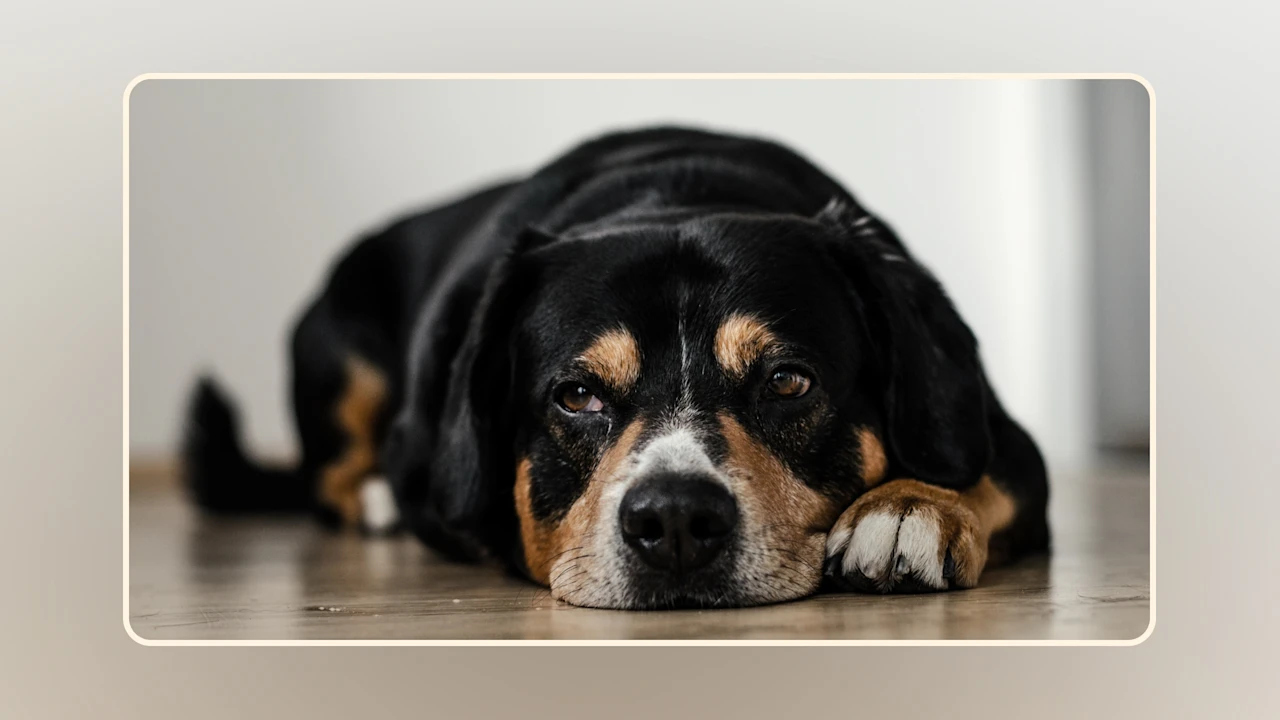
Older dogs often show sudden changes due to aging. Cognitive decline can cause confusion and forgetfulness. Dogs may become less active or more irritable. Nighttime restlessness and disorientation are common signs. Special care and patience are important as dogs age.
Credit: wefeedraw.com
Recognizing Warning Signs
Dogs cannot tell us when something is wrong. They show their feelings through actions and habits. Sudden changes in behavior may signal health or emotional problems. Recognizing these warning signs helps you act fast. Watch your dog closely for these key changes.
Aggression And Irritability
A dog that suddenly grows aggressive may be in pain or scared. Growling, snapping, or biting can appear without reason. Irritability might show as restlessness or snapping at family members. Notice if your dog reacts strongly to touch or noise.
Withdrawal And Hiding
Your dog may avoid people or places they once liked. Hiding in corners or under furniture is a red flag. A shy, withdrawn dog might refuse to play or go outside. This behavior can mean stress, fear, or illness.
Changes In Appetite
A sudden drop or rise in eating habits is important. Losing interest in food or overeating can both be signs of a problem. Watch for changes in how much or how often your dog eats. These shifts may show emotional distress or sickness.
Altered Sleeping Patterns
Changes in sleep can affect your dog’s mood and health. Sleeping much more or less than usual can signal trouble. Restlessness or frequent waking at night also matters. Note if your dog’s sleep habits shift quickly or drastically.
Medical Conditions To Rule Out
Sudden changes in your dog’s behavior can signal health problems. Some medical conditions cause dogs to act differently. Ruling out these issues helps find the right care quickly.
Understanding possible medical causes guides you to better support your pet. Watch for signs beyond behavior, like changes in appetite or movement.
Pain And Injury
Pain often changes a dog’s mood and actions. Injuries, even small ones, can cause discomfort and irritability. Dogs may avoid touch or hide more than usual. Limping or stiffness can show hidden pain. Checking for wounds or swelling is important.
Neurological Disorders
Brain or nerve problems affect behavior and balance. Dogs might seem confused or act strangely. Seizures or tremors are common signs. Some neurological issues change how dogs respond to people. Early diagnosis can help manage symptoms.
Hormonal Imbalances
Hormones control mood and energy. Problems with thyroid or adrenal glands can alter behavior. Dogs may become anxious, restless, or tired. Changes in weight or thirst often accompany these issues. A simple blood test can detect hormonal problems.
Infections And Illnesses
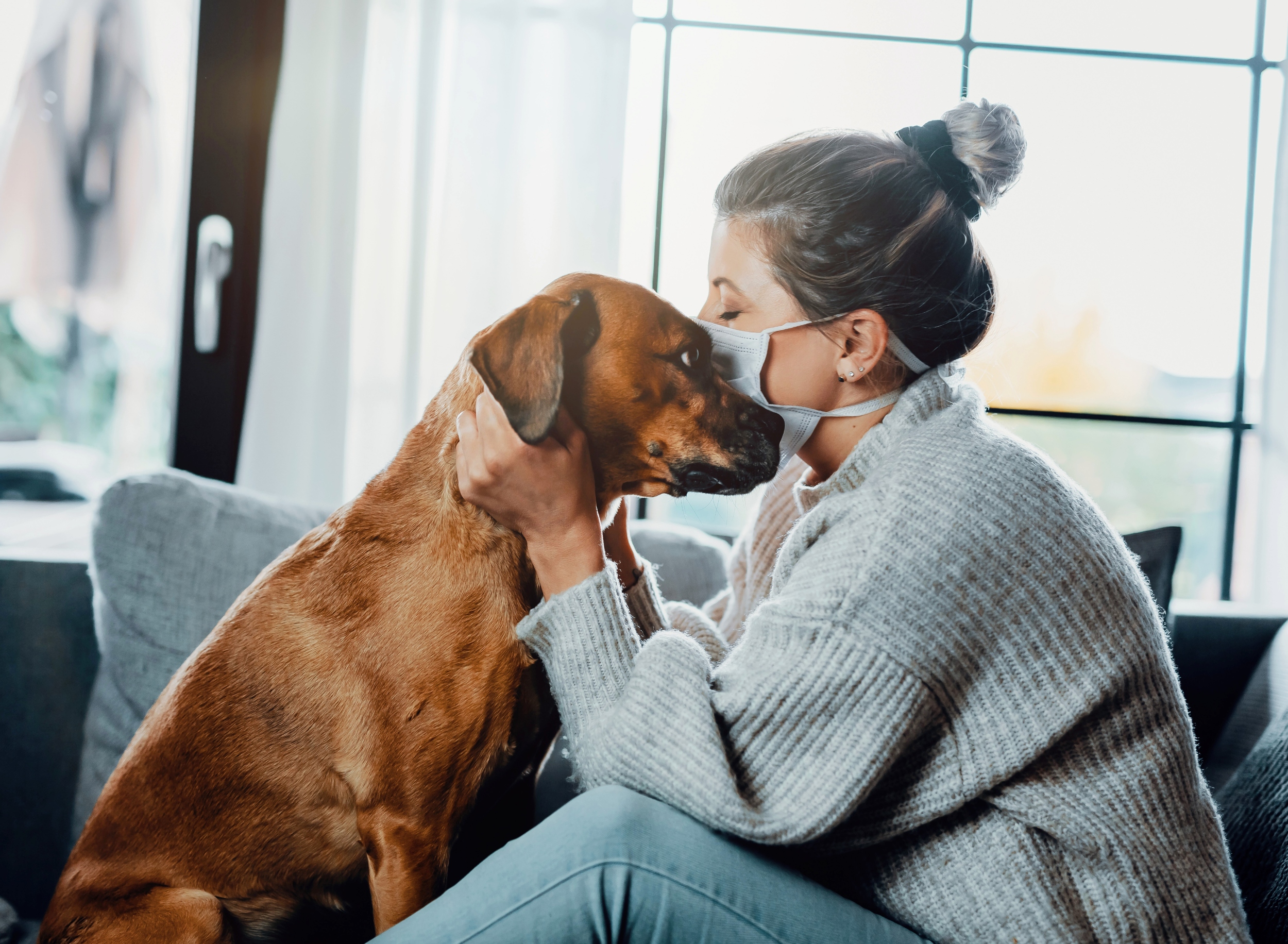
Infections cause discomfort and change how dogs feel. Fever or fatigue can make dogs less active or grumpy. Ear infections can cause scratching and head shaking. Some illnesses affect the brain and mood. Treating infections early prevents worsening symptoms.
Credit: www.earth.com
Behavioral And Environmental Triggers
Sudden changes in a dog’s behavior often stem from shifts in their surroundings or routines. Dogs are creatures of habit. When something disrupts their normal life, they can react in unexpected ways. Understanding these triggers helps owners respond with patience and care.
New Surroundings Or Routine
Moving to a new home or changing daily schedules can stress dogs. New sights and sounds confuse them. They may act anxious or avoid people. Routine gives dogs comfort. Breaking it can lead to unwanted behaviors.
Introduction Of New Pets Or People
Bringing new pets or strangers into the home can unsettle dogs. They might feel threatened or jealous. This can cause aggression or withdrawal. Dogs need time to adjust to new family members.
Lack Of Exercise Or Stimulation
Dogs need regular exercise and mental play. Without it, they become bored or restless. This often leads to destructive or hyperactive behavior. Keeping dogs active helps maintain calm and focus.
Negative Experiences Or Trauma
Past trauma or bad experiences can change a dog’s behavior suddenly. Fear and anxiety may appear without clear cause. These triggers need gentle handling and sometimes professional help.
Effective Solutions And Management
Sudden changes in dog behavior can worry any pet owner. Addressing these changes quickly helps your dog feel safe and happy again. Several solutions can manage and improve your dog’s behavior effectively. Understanding these methods supports your dog’s well-being and strengthens your bond.
Veterinary Consultation
Start with a veterinary checkup to rule out health problems. Illness or pain often cause sudden behavior shifts. A vet can diagnose hidden conditions affecting your dog. Early detection helps treat issues before they worsen. Follow the vet’s advice carefully for the best results.
Behavioral Training Techniques
Use positive reinforcement to encourage good behavior. Reward your dog with treats or praise for calm actions. Avoid harsh punishments, as they increase fear and anxiety. Consistent training sessions build trust and understanding. Training helps your dog learn safe ways to express feelings.
Creating A Stable Environment
Keep daily routines steady to reduce stress. Feed, walk, and play with your dog at the same times. A quiet, safe space allows your dog to relax. Limit loud noises and sudden changes that confuse your pet. Stability helps your dog feel secure and calm.
Use Of Calming Aids And Supplements
Calming aids like pheromone diffusers can soothe anxious dogs. Natural supplements such as chamomile or CBD may reduce stress. Always consult your vet before using any new product. These aids support behavior management but do not replace training. Use them as part of a complete care plan.
Preventing Future Behavior Issues
Preventing future behavior issues in dogs helps maintain a happy and peaceful home. Early care and attention stop many problems before they grow. Owners must focus on health, routine, and mental well-being. These steps keep dogs balanced and less likely to act out.
Regular Health Check-ups
Health problems often cause sudden behavior changes in dogs. Regular vet visits catch illness early. Early detection prevents pain and discomfort. Healthy dogs feel better and behave well. Schedule check-ups twice a year for best care.
Consistent Routine And Socialization
Dogs thrive on routines and social time. Feeding, walking, and play should happen at the same times daily. Socializing with other dogs and people builds confidence. Well-socialized dogs are less anxious and aggressive. A steady routine creates safety and trust.
Monitoring Mental And Physical Health
Watch your dog’s mood and activity daily. Sudden changes may signal stress or illness. Physical exercise keeps muscles strong and energy balanced. Mental games and training keep the brain active. Both body and mind need care for good behavior.
Early Intervention Strategies
Act quickly at the first sign of bad behavior. Small problems become big if ignored. Use positive training methods to guide your dog. Seek help from a trainer or vet if needed. Early action saves time and stress later.

Credit: www.newsweek.com
Frequently Asked Questions
What Causes Sudden Change In Dog Behavior?
Sudden changes in dog behavior often stem from health issues, pain, stress, or environmental changes. Identifying the cause quickly helps ensure proper care and treatment for your dog.
How To Identify If My Dog Is Stressed?
Signs of stress in dogs include excessive barking, pacing, hiding, or aggression. Watch for changes in appetite or sleeping patterns as well.
When Should I See A Vet For Behavior Changes?
If your dog shows sudden aggression, lethargy, or severe anxiety, consult a vet immediately. Early diagnosis can prevent worsening conditions.
Can Diet Affect My Dog’s Behavior Suddenly?
Yes, sudden dietary changes or allergies can cause behavioral shifts. A balanced diet supports stable mood and energy levels in dogs.
Conclusion
Sudden changes in dog behavior can signal many things. Watch your dog closely for signs of stress or illness. Acting quickly can help keep your pet safe and happy. Talk to a vet if your dog’s behavior seems unusual. Small changes might mean big problems.
Trust your feelings about your dog’s health. Stay calm and patient while helping your dog adjust. Your care makes a difference in their life. Keep learning about your dog’s needs every day.

