

Potty training your puppy can feel overwhelming, but it doesn’t have to be. Imagine a home where your puppy knows exactly where to go, saving you from constant cleanups and frustration.
You want your furry friend to learn quickly and easily, without stress for either of you. You’ll discover simple, practical tips that make potty training straightforward and even enjoyable. Keep reading, and you’ll be on your way to a happier, cleaner home with a well-trained puppy by your side.
Prepare Your Space
Preparing your space is the first step to potty training success. A well-prepared area helps your puppy learn faster. It also keeps your home clean and safe. Setting up the right environment makes training smoother and less stressful for both of you.
Choose A Designated Spot
Pick one spot outside for your puppy to go potty. This helps your puppy understand where to go. The area should be easy to reach and quiet. Using the same spot every time builds a strong habit. Your puppy will start to recognize this place as their bathroom.
Create A Safe Environment
Make sure the potty area is safe and free from hazards. Remove sharp objects or toxic plants nearby. Check the ground for anything your puppy could eat. A calm, secure space helps your puppy feel comfortable. This encourages them to go potty without fear or distraction.
Gather Necessary Supplies
Keep all potty training tools nearby. Have poop bags, cleaning sprays, and paper towels ready. Use puppy pads if you train indoors. Treats and a leash are helpful too. Having supplies on hand means quick cleanup and reward time. This keeps training consistent and positive.

Credit: petcareadvisorusa.com
Establish A Routine
Establishing a routine is key for successful puppy potty training. Puppies learn best with consistent habits. A clear schedule helps your puppy understand when it’s time to eat, play, and use the bathroom. This predictability reduces accidents and builds good habits. Start early and stick to the routine daily. Your puppy will feel secure and learn faster.
Set Feeding Times
Feed your puppy at the same times every day. Regular feeding helps control bathroom timing. Avoid free feeding or leaving food out all day. Scheduled meals make it easier to predict when your puppy needs to go outside. This creates a natural rhythm for eating and potty breaks.
Schedule Regular Bathroom Breaks
Take your puppy outside often, especially after eating and waking up. Puppies have small bladders and need frequent breaks. Plan bathroom trips every one to two hours. Consistent bathroom breaks reduce accidents and teach your puppy where to go. Praise your puppy each time it goes outside.
Monitor Puppy’s Behavior
Watch your puppy closely for signs it needs to go out. Sniffing, circling, or whining often means bathroom time. Acting fast prevents accidents indoors. React quickly and take your puppy outside. Understanding your puppy’s signals helps keep your home clean and your puppy happy.
Use Positive Reinforcement
Using positive reinforcement helps your puppy learn faster and feel safe. It builds trust between you and your puppy. The puppy will want to repeat good behavior to get rewards. This approach makes potty training less stressful for both of you.
Reward Good Behavior
Give your puppy a reward right after they potty outside. This helps them connect the action with the reward. Rewards can be a toy, petting, or a happy voice. Quick rewards teach your puppy what you want from them. Consistent rewards help build good habits.
Avoid Punishment
Do not punish your puppy for accidents inside. Punishment can scare your puppy and slow learning. Puppies do not understand punishment well. They may become anxious or confused. Focus on guiding and encouraging positive actions instead.
Incorporate Treats And Praise
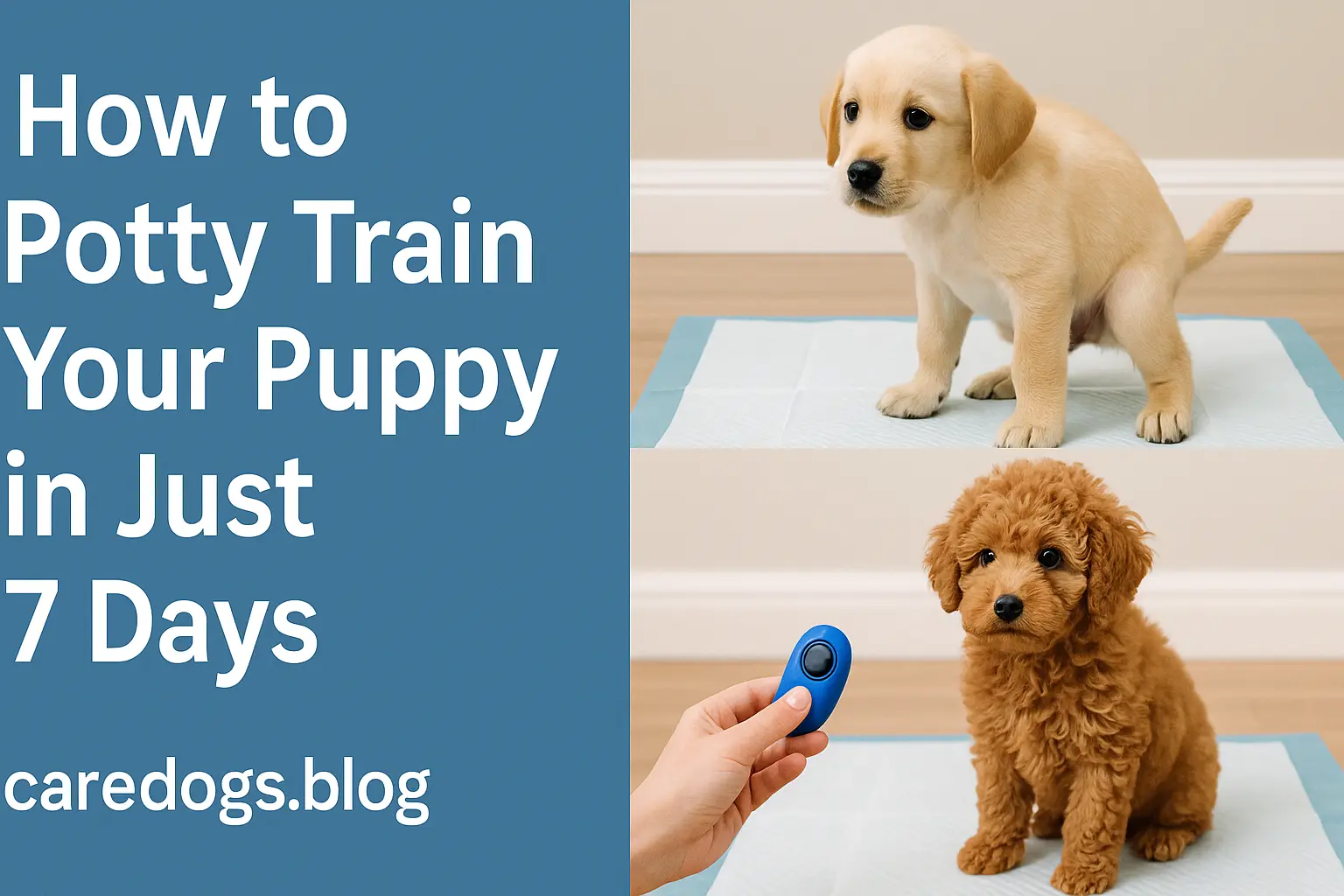
Use small treats as a reward during potty training. Treats motivate your puppy to learn and listen. Combine treats with praise like “good job” or “well done.” Your voice tone should be happy and warm. This combination makes training fun and effective.
Credit: caredogs.blog
Handle Accidents Calmly
Handling potty accidents calmly is key to training your puppy well. Dogs respond to your emotions and tone. Staying calm helps your puppy learn without fear. It builds trust and encourages good habits.
Clean Thoroughly To Remove Odors
Use an enzyme cleaner to remove all urine smells. Regular cleaning products may not remove odors fully. If your puppy smells urine, they might go there again. Clean the area well to stop repeat accidents.
Avoid Scolding
Never yell or punish your puppy for accidents. Puppies do not understand punishment and get scared instead. Scolding can harm your bond and slow training progress. Use gentle words and guide your puppy to the right spot.
Learn From Mistakes
Watch for signs that your puppy needs to go out. Rushing accidents helps you know your puppy’s schedule. Note where accidents happen most and improve training there. Patience and observation lead to success in potty training.
Crate Training Benefits
Crate training helps puppies learn where to go potty. It gives them a safe space to rest. Puppies naturally avoid soiling their sleeping area. This habit makes crate training a useful potty training tool. It also helps prevent accidents inside the house.
Using a crate creates a routine for your puppy. It teaches control and patience. The puppy learns to hold its bladder until you take it outside. This method supports faster potty training and fewer messes.
Choose The Right Crate Size
Select a crate that fits your puppy well. It should be big enough to stand and turn around. Too large a crate may encourage your puppy to potty in one corner. A properly sized crate helps keep your puppy comfortable and clean.
Introduce Crate Gradually
Start by letting your puppy explore the crate freely. Place toys and treats inside to create positive feelings. Close the door for short times only. Gradually increase the time your puppy spends inside. This helps your puppy accept the crate without fear.
Use Crate For Scheduled Breaks
Put your puppy in the crate during set times. Use these breaks to manage potty needs and rest. Take your puppy outside right after crate time ends. This builds a clear link between crate time and potty outside. Scheduled breaks reduce accidents and make training easier.

Credit: m.youtube.com
Watch For Signs
Watching for signs is key during puppy potty training. Puppies cannot tell you when they need to go. You must learn to read their actions. This helps prevent accidents inside the house. Paying attention to your puppy’s behavior builds trust and speeds up training.
Recognize Potty Cues
Puppies show clear signs before they need to potty. They may sniff the floor or circle in one spot. Some puppies whine or scratch at the door. Watch for these signals closely. Knowing these cues means fewer accidents and happier training sessions.
Act Quickly When Signs Appear
Once you see a potty cue, act fast. Take your puppy outside immediately. Delaying can cause them to lose control. Speed matters because puppies have small bladders. Quick action teaches them where they should go.
Encourage Prompt Outdoor Trips
Make outdoor potty trips easy and positive. Use a calm voice and praise your puppy. Bring them to the same spot each time. This helps your puppy connect the place with potty time. Consistency and encouragement lead to faster learning.
Stay Consistent
Consistency is key in potty training a puppy. Puppies learn best when they see the same actions and hear the same words every day. It helps them understand what you expect. Staying consistent builds trust and reduces confusion. This makes training faster and easier for both of you.
Maintain Routine Across Caregivers
Every person who cares for the puppy should follow the same schedule. Feed, walk, and take the puppy out at the same times. This routine helps the puppy know when to go outside. If one person changes the time, the puppy may get mixed signals. Keeping a routine across all caregivers makes training smooth and clear.
Keep Commands Clear And Simple
Use easy words for potty commands. Words like “go potty” or “bathroom” work well. Say the same command every time you take your puppy out. Avoid changing the words often. Simple commands help your puppy learn quickly and respond better. Clear words reduce confusion and build good habits faster.
Track Progress Regularly
Write down when your puppy goes potty outside. Note accidents or successes. Tracking progress helps you see patterns and improvements. It shows when the puppy is ready for longer breaks. Tracking also helps identify problems early. Use this information to adjust training steps carefully and keep moving forward.
Troubleshoot Common Issues
Potty training a puppy can bring challenges. Some problems may slow progress. Knowing how to fix these problems helps keep training on track. Troubleshooting common issues helps your puppy learn faster.
Address Regression
Regression happens when a puppy starts having accidents again. This can occur after progress. It may happen due to stress or changes at home. Stay calm and patient during this time. Return to earlier training steps. Reward good behavior often. Consistency helps your puppy regain good habits quickly.
Manage Distractions
Distractions can confuse your puppy during training. Loud noises, toys, or other animals may cause accidents. Train in a quiet, safe place at first. Slowly add distractions as your puppy improves. Use treats and praise to keep your puppy focused. Short, frequent sessions work best for attention.
Seek Professional Help If Needed
Some puppies need extra help with potty training. A vet or dog trainer can offer advice. They can check for health problems causing accidents. Trainers provide tips tailored to your puppy’s needs. Professional support speeds up training and reduces stress.
Frequently Asked Questions
How Long Does Puppy Potty Training Usually Take?
Puppy potty training generally takes 4 to 6 weeks. Consistency and patience speed up the process. Every puppy learns at its own pace, so avoid rushing.
What Is The Best Time To Start Potty Training?
Start potty training as soon as you bring your puppy home. Early training helps establish good habits and reduces accidents. Puppies respond well to routines from a young age.
How Often Should I Take My Puppy Outside?
Take your puppy outside every 1 to 2 hours initially. Also, take them after meals, naps, and playtime. Frequent trips help prevent accidents and teach bladder control.
What Are Effective Rewards For Potty Training Puppies?
Use small treats, praise, and affection as rewards. Immediate positive reinforcement encourages your puppy to repeat good behavior. Avoid punishment to maintain trust and confidence.
Conclusion
Potty training a puppy takes patience and consistency. Stay calm and keep routines simple. Praise your puppy often to encourage good habits. Expect accidents—they are part of learning. Use clear signals so your puppy understands. Remember, every puppy learns at their own pace.
With care and time, your puppy will succeed. Enjoy the process and build a strong bond. Potty training creates a happy, healthy home for both. Keep trying—you are doing great!

