

Training your puppy to walk calmly on a leash can feel like a challenge. But imagine enjoying peaceful walks where your puppy stays close, listens to you, and explores safely.
You can make this a reality with the right approach. You’ll discover simple, effective tips that make leash training easier for both you and your puppy. Keep reading to learn how to turn every walk into a happy, stress-free experience for you and your furry friend.
Choosing The Right Leash
Choosing the right leash is key to successful puppy training. The right leash makes walks safe and enjoyable. It helps your puppy learn good behavior. This guide covers important points for choosing the best leash for your puppy.
Types Of Leashes
There are many leash types. Standard leashes are simple and strong. Retractable leashes give more freedom but can be risky. Training leashes are longer, helping with distance control. Each type suits different training needs.
Material And Length Considerations
Leashes come in nylon, leather, or chain. Nylon leashes are light and easy to clean. Leather leashes are strong and last long. Chain leashes are heavy and not for puppies. Length matters too. Short leashes offer control. Longer leashes give more freedom but less control.
Leash Safety Features
Look for sturdy clips that do not break easily. Reflective strips improve visibility in low light. Padded handles prevent hand strain. Avoid leashes with loose parts that can harm your puppy. Safety features keep walks secure and calm.

Credit: www.trupanion.com
Preparing Your Puppy
Preparing your puppy for leash training sets the stage for success. Start with patience and gentle guidance. This phase helps your puppy feel safe and curious about the new experience. It builds trust and reduces fear before outdoor walks begin.
Introducing The Leash Indoors
Begin by showing the leash to your puppy inside the house. Let them sniff and explore it freely. Use a calm voice to make the leash seem friendly. Attach the leash gently to their collar without pulling. Allow your puppy to wear it for short times. Praise and reward them for staying calm. This step helps your puppy accept the leash as a normal item.
Building Comfort And Familiarity
Next, encourage your puppy to move around with the leash indoors. Keep the leash loose and avoid pulling. Walk slowly and let your puppy choose the direction. Use treats and soft words to keep their attention. Make these sessions short but frequent. This practice builds your puppy’s confidence and comfort with the leash. It prepares them for smooth outdoor training sessions.
Starting Leash Training
Starting leash training helps your puppy learn to walk safely and happily. Begin in a quiet, familiar place where your puppy feels safe. Let your puppy get used to the leash and collar first. Patience matters. Keep the experience positive to build trust.
Using Positive Reinforcement
Reward your puppy with treats and praise for good behavior. Give a treat when the puppy stays close or walks calmly. Positive reinforcement makes learning fun. It encourages your puppy to repeat good actions.
Setting Short Training Sessions
Keep training sessions brief, about 5 to 10 minutes. Puppies have short attention spans. Short sessions prevent them from getting tired or bored. End each session on a happy note. This keeps your puppy eager for the next session.
Encouraging Calm Behavior
Stay calm and patient during training. Avoid pulling the leash or forcing your puppy. Praise your puppy when it stays calm and relaxed. Calm behavior helps your puppy feel safe. It also makes walking easier and more enjoyable.
Credit: www.guidemetrip.com
Correcting Common Issues
Leash training a puppy is not always smooth. Common problems can slow progress. Knowing how to fix these issues helps both you and your puppy enjoy walks more. Patience and the right approach make training easier.
Handling Pulling And Lunging
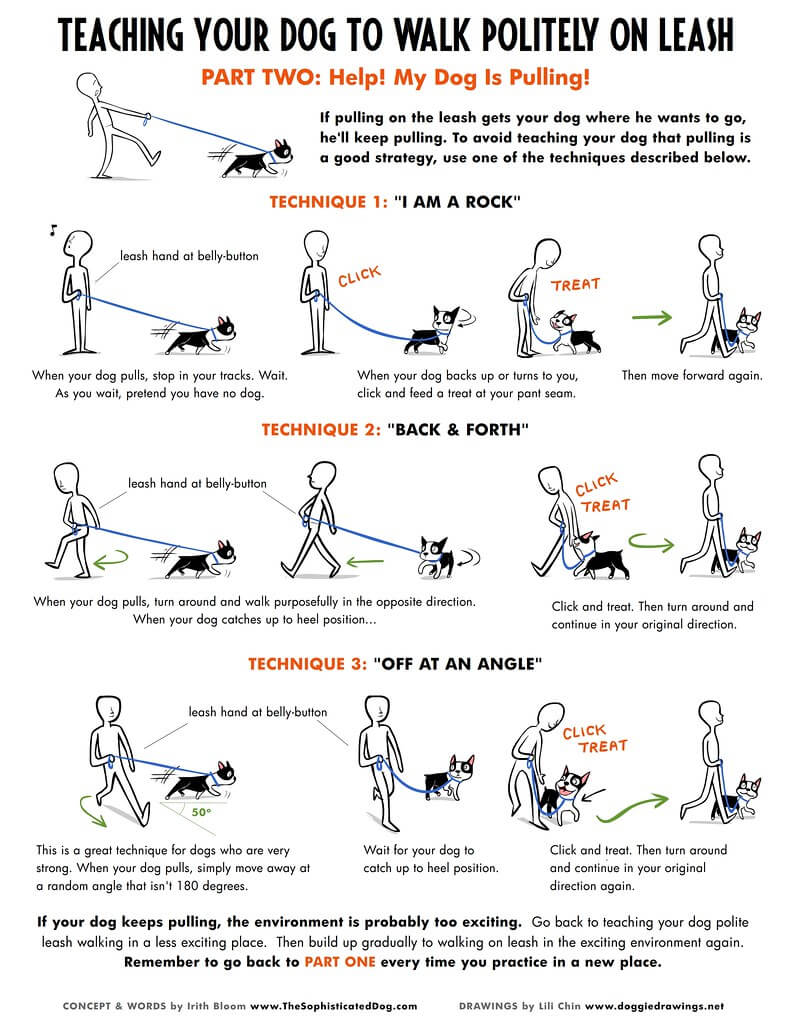
Puppies pull because they want to explore. Stop walking when your puppy pulls. Wait until the leash is loose again. Use a calm voice to get your puppy’s attention. Reward your puppy with treats for walking beside you. Short, frequent practice sessions help build good habits.
Dealing With Distractions
Distractions are everywhere on walks. Puppies may stop or stare at other animals. Keep your puppy focused by using treats and praise. Change your walking route to avoid busy areas. Gradually increase exposure to distractions as your puppy improves. Stay patient and calm throughout the process.
Stopping Chewing On The Leash
Chewing the leash is a common puppy habit. Offer chew toys as an alternative. Redirect your puppy gently when they start biting the leash. Praise your puppy when they stop chewing. Choose a sturdy leash that feels comfortable. Consistency helps your puppy learn fast.
Advanced Training Techniques
Advanced training techniques help your puppy learn better leash manners. These methods build on basic skills. They make walks smoother and more enjoyable. Training becomes more effective and fun for both of you.
Teaching Heel Commands
Heel means your puppy walks close to your side. It keeps your dog focused and controlled. Start by holding treats near your leg. Use a clear command like “heel.” Reward your puppy when it stays by your side. Practice in quiet places first. Slowly add distractions as your puppy improves.
Incorporating Direction Changes
Changing directions teaches your puppy to pay close attention. Walk forward, then turn left or right suddenly. Use a command like “this way” or “turn.” Reward your puppy for following the new direction quickly. This skill helps prevent pulling during walks. It also makes walks more interesting for your dog.
Using Clicker Training
Clicker training uses a small device that makes a clicking sound. Click to mark good behavior exactly when it happens. Follow the click with a treat to reward your puppy. This method helps your dog learn faster. It makes training clear and consistent. Use the clicker for leash skills like walking nicely or stopping on command.
Maintaining Consistency
Maintaining consistency is key to successful leash training for your puppy. Dogs learn best when they experience the same routine and rules every day. Consistency builds trust and helps your puppy understand what you expect. It reduces confusion and speeds up the learning process.
Setting A Training Schedule
Create a clear training schedule for your puppy. Choose specific times each day for leash practice. Short sessions, about 5 to 10 minutes, work best. Regular training helps your puppy get used to the leash. Stick to the schedule to build good habits quickly.
Involving Family Members
Ask all family members to join in the training. Everyone should use the same commands and rules. This keeps your puppy from getting mixed signals. Consistent actions from all people help your puppy learn faster. It also makes walks safer and more enjoyable for everyone.
Tracking Progress
Keep a simple record of your puppy’s training progress. Note what works and what needs more practice. Tracking helps you see improvements over time. It also shows if you need to adjust your methods. Celebrate small wins to stay motivated and keep your puppy happy.
Safety Tips For Outdoor Walks
Taking your puppy for walks is a great way to bond and exercise. Safety must come first during these outings. Outdoor walks can bring risks, but careful planning keeps your puppy safe and happy.
Simple precautions help avoid accidents and stress. Watch your surroundings and keep your puppy close. Let’s explore some safety tips for outdoor walks with your puppy.
Choosing Safe Walking Routes
Select quiet streets or parks with low traffic. Avoid busy roads and areas with fast cars. Look for smooth sidewalks and clear paths. Check the ground for sharp objects or trash. Choose places with shade to protect your puppy from heat. Safe routes make walks pleasant and worry-free.
Monitoring Weather Conditions
Check the weather before heading out. Avoid walks during extreme heat or cold. Hot pavement can burn your puppy’s paws. Rain or strong wind may scare your puppy. Dress your puppy in appropriate gear if needed. Shorten walks in bad weather to keep your puppy healthy.
Handling Encounters With Other Dogs
Not all dogs are friendly or calm. Keep your puppy on a short leash near other dogs. Observe the other dog’s body language carefully. Stop and wait if either dog seems nervous or aggressive. Teach your puppy to stay calm and not pull. Respect other dogs’ space to avoid fights.

Credit: www.reddit.com
Frequently Asked Questions
How Do I Start Leash Training My Puppy?
Begin leash training indoors in a quiet space. Use a lightweight leash and let your puppy get used to it. Reward calm behavior and gradually introduce short walks outside to build comfort and confidence.
What Type Of Leash Is Best For Puppies?
A lightweight, adjustable nylon leash is ideal for puppies. It offers control without causing discomfort. Avoid heavy or retractable leashes, as they can be difficult for puppies to manage and may hinder training.
How Long Should Puppy Leash Training Sessions Be?
Keep sessions short, around 5 to 10 minutes. Puppies have limited attention spans. Frequent, short sessions prevent frustration and help maintain your puppy’s interest and enthusiasm during training.
How Do I Prevent My Puppy From Pulling On The Leash?
Stop walking when your puppy pulls and wait for them to relax. Reward them when they walk beside you calmly. Consistent practice teaches your puppy that pulling stops the fun walk.
Conclusion
Leash training takes patience and steady practice every day. Start slow and keep sessions short but fun. Praise your puppy often to build good habits. Use treats and gentle guidance to help them learn. Stay calm and consistent, even if progress feels slow.
Remember, each puppy learns at its own pace. Soon, walks will be easier and more enjoyable for both. Keep practicing, and your puppy will walk nicely on leash. Little steps lead to big success.


