

Traveling cross country with your dog can be an exciting adventure, but it also comes with its own set of challenges. You want to make sure your furry friend stays safe, comfortable, and happy throughout the trip.
Imagine hitting the open road together, discovering new places, and sharing unforgettable moments. But how do you prepare for the journey? What should you pack? How do you keep your dog calm and healthy on long drives? Keep reading to find practical tips and tricks that will make your cross-country trip smooth and enjoyable for both you and your dog.
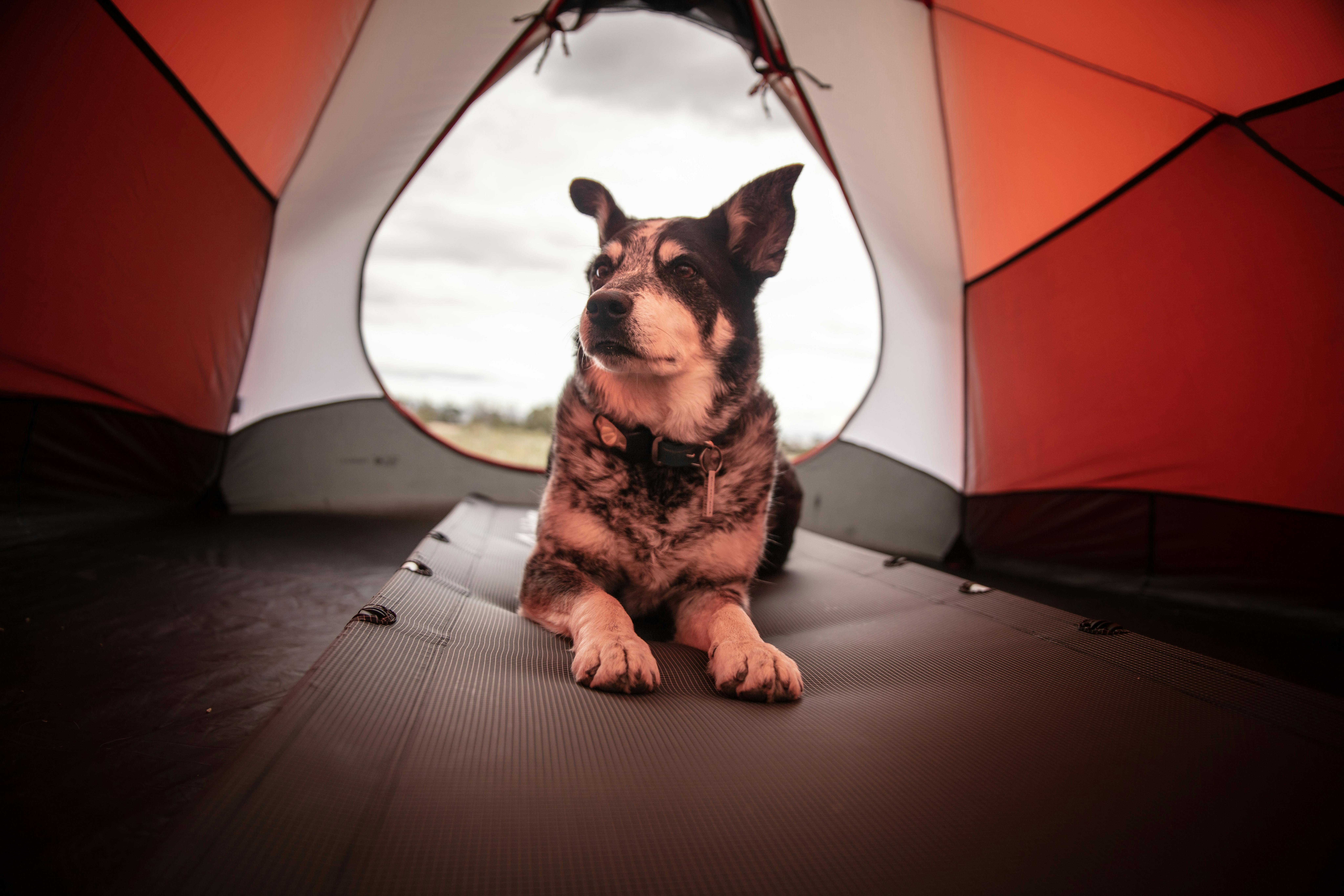
Credit: wagwalking.com
Preparing For The Journey
Preparing for a cross-country trip with your dog takes careful planning. This preparation helps avoid stress and keeps your dog safe and happy. Knowing what to do before the journey makes the trip smooth and enjoyable for both of you.
Choosing Dog-friendly Routes
Pick routes with pet-friendly stops. Look for parks, rest areas, and hotels that allow dogs. Avoid long stretches without places to walk or feed your dog. Plan shorter driving times between stops to give your dog breaks. Safe routes make travel easier for your dog and you.
Packing Essentials For Your Dog
Bring food, water, and bowls for your dog. Pack a leash, waste bags, and a favorite toy. Include a blanket or bed for comfort. Don’t forget any medications or grooming items. Keep your dog’s ID tag and vaccination papers handy. These items help your dog feel secure and cared for.
Health Check And Vet Visits
Visit the vet before the trip. Check vaccinations and discuss travel plans. Ask about motion sickness or anxiety medicine if needed. Make sure your dog is healthy and fit for travel. A vet check can prevent health problems on the road.
Training Your Dog For Travel
Practice short trips to get your dog used to the car. Teach your dog to stay calm and sit quietly. Use positive rewards for good behavior during travel. Train your dog to enter and exit the car safely. Good training reduces stress and keeps the journey pleasant.
Traveling By Car
Traveling cross country by car with a dog can be a fun adventure. It gives your dog a chance to explore new places safely. Planning ahead helps make the trip smooth and enjoyable. Comfort and safety are key for both you and your pet during long drives.
Car Safety Tips For Dogs
Always use a dog seat belt or crate in the car. This keeps your dog safe in case of sudden stops. Never let your dog ride with its head outside the window. It can cause injury from debris or sudden movements. Secure loose items to avoid distractions while driving.
Managing Bathroom Breaks
Plan regular stops every two to three hours for bathroom breaks. Find safe, quiet spots where your dog can relieve itself. Carry waste bags to clean up after your dog. Offer water during breaks to keep your dog hydrated but avoid too much before driving.
Keeping Your Dog Comfortable
Bring your dog’s favorite blanket or toy to ease anxiety. Keep the car temperature cool and comfortable. Avoid feeding your dog a large meal right before traveling. Small snacks are better during long trips. Talk softly to calm your dog during the ride.
Dealing With Motion Sickness
Motion sickness is common in dogs during car rides. Stop the car if your dog shows signs of nausea or drooling. Try shorter trips before the long journey to help your dog adjust. Consult a vet about medicine if sickness is severe. Open windows slightly for fresh air without letting your dog stick its head out.
Traveling By Air
Traveling cross country by air with your dog can be a smooth experience with the right steps. Air travel saves time on long trips but requires careful planning. Your dog’s comfort and safety are key during the flight. Learn about airline rules, prepare your dog, choose the right carrier, and manage airport steps well.
Airline Policies For Pets
Each airline has specific rules for flying with pets. Some allow small dogs inside the cabin. Larger dogs may need to travel in the cargo hold. Airlines limit pet carriers to certain sizes. Fees apply for pet travel and must be paid ahead. Confirm all rules directly with the airline before booking. Proper health certificates might be needed for your dog. Follow these rules to avoid travel delays.
Preparing Your Dog For Air Travel
Start training your dog to get used to the carrier. Practice short trips inside the carrier at home. Keep your dog calm and relaxed before the flight. Avoid feeding your dog a big meal right before travel. Bring favorite toys or blankets for comfort. Consult your vet for health checks and advice. Some dogs may need mild calming medicine. Preparation helps reduce stress during air travel.
Choosing The Right Carrier
Pick a carrier that fits airline size limits. The carrier must have good ventilation and be sturdy. Your dog should stand, turn, and lie down easily inside. Soft-sided carriers work well for cabin travel. Hard crates are better for cargo travel. Label the carrier with your contact information. Ensure the door locks securely. A comfortable carrier makes the flight easier for your dog.
Handling Airport Procedures
Arrive early at the airport to allow extra time. Check in your dog at the airline counter. Keep your dog in the carrier while waiting. Follow airport security rules for pet screening. Some airports have pet relief areas before boarding. Stay calm to help your dog feel safe. Listen carefully to airline staff instructions. Good handling reduces stress at busy airports.
:max_bytes(150000):strip_icc()/GettyImages-1385115984-3ad81e0cac7b4d6aaf3c3966bdf686fa.jpg)
Credit: www.treehugger.com
Accommodation Options
Traveling cross country with your dog means finding places to stay that welcome pets. Choosing the right accommodation helps your dog feel safe and relaxed. It also makes your trip smoother and more fun. Many options exist, from hotels to rentals. Each has its own rules and benefits. Planning ahead saves stress during your journey.
Finding Pet-friendly Lodging
Search for hotels or rentals that allow dogs. Use websites that list pet-friendly places. Call ahead to confirm pet policies. Some places limit size or number of pets. Check for extra fees for pets. Choose lodging near parks or walking areas. This keeps your dog happy and active.
Setting Up A Comfortable Space
Bring your dog’s bed or blanket. Familiar smells help dogs relax. Set up food and water bowls in the room. Keep toys handy to keep your dog busy. Create a quiet corner away from noise. This space becomes your dog’s safe spot. It helps reduce stress in new places.
Hotel Etiquette With Dogs
Keep your dog on a leash in public areas. Clean up after your dog immediately. Avoid leaving your dog alone for long times. Respect other guests and hotel staff. Use towels or mats to protect furniture. Speak softly to avoid disturbing others. Good manners ensure a better stay for all.
Maintaining Your Dog’s Routine
Traveling cross country with your dog is an exciting adventure. Keeping your dog’s routine steady helps reduce stress. A familiar schedule makes your dog feel safe and happy. This section covers key parts of your dog’s daily life. Stick to these habits as much as possible during your trip.
Feeding And Hydration
Feed your dog at the same times every day. Use the same type of food your dog eats at home. Avoid sudden changes in diet to prevent stomach problems. Always carry fresh water and a bowl. Offer water often to keep your dog well hydrated. Clean water helps your dog stay healthy and alert.
Exercise And Play
Exercise keeps your dog fit and calm. Walk your dog regularly, just like at home. Play with your dog to burn off energy and reduce anxiety. Use favorite toys to keep your dog engaged. Exercise helps your dog adjust to new surroundings. A tired dog sleeps better and feels happier.
Sleep And Rest Patterns
Keep your dog’s sleeping area quiet and comfortable. Bring a blanket or bed from home. Stick to your dog’s usual sleep schedule. Avoid loud noises that may disturb your dog’s rest. Rest is important for your dog’s health and mood. A well-rested dog handles travel stress better.
Safety And Emergency Tips
Traveling cross country with a dog means safety comes first. Emergencies can happen anytime. Being ready helps protect your dog and keeps stress low. This section covers key safety and emergency tips for your journey.
Identifying Local Vets
Find vets near your stops before you travel. Save their phone numbers and addresses. Check if they offer emergency services. Use apps or websites to locate animal hospitals quickly. Knowing this info saves time during an emergency.
First Aid Essentials
Carry a pet first aid kit. Include bandages, antiseptic wipes, and tweezers. Add any medication your dog needs. Keep a digital copy of vaccination records. Learn basic first aid steps for dogs. This kit can help treat minor injuries instantly.
Keeping Your Dog Secure
Use a harness or crate while driving. Secure your dog to avoid accidents. Never let your dog ride with the head outside the window. Stop often to let your dog stretch and relieve itself. Safety restraints protect your dog and all passengers.
Entertainment And Bonding
Traveling cross country with your dog offers a unique chance to bond deeply. Entertainment keeps your dog happy and calm during long rides. It also helps build positive memories together. These moments strengthen your connection and make the trip enjoyable for both.
Toys And Chews For Travel
Bring your dog’s favorite toys to keep them busy. Chew toys are great for relaxation and stress relief. Choose safe, durable toys that travel well. Rotate toys to keep your dog interested. Small, quiet toys work best in the car.
Engaging Activities On The Road
Short breaks allow for quick games or training sessions. Play fetch or practice simple commands. Use these moments to stretch and refresh. Interactive play reduces boredom and anxiety. Gentle petting and talking also calm your dog.
Building Positive Travel Memories
Celebrate small wins like calm behavior or new sights. Reward your dog with treats and praise. Capture happy moments with photos or videos. These positive experiences make future trips easier. Enjoy every step of your journey together.

Credit: nevadahumanesociety.org
Frequently Asked Questions
How To Prepare My Dog For Cross-country Travel?
Start with short trips to build your dog’s comfort. Pack essentials like water, food, and a first aid kit. Ensure your dog is healthy and up-to-date on vaccinations. Bring familiar toys and bedding to reduce anxiety during travel.
What Are The Best Dog-friendly Travel Accommodations?
Look for hotels and motels that explicitly allow pets. Check for amenities like designated dog areas or nearby parks. Always confirm pet policies before booking. Consider vacation rentals that offer more space and freedom for your dog.
How Often Should I Stop For Breaks With My Dog?
Plan breaks every 2 to 3 hours for bathroom and exercise. Use these stops to hydrate your dog and prevent stiffness. Frequent breaks reduce stress and keep your dog healthy during long trips.
What Safety Measures Should I Take When Traveling With A Dog?
Use a secure crate or dog seatbelt in the car. Never leave your dog alone in a parked vehicle. Keep your dog’s ID tags and microchip information updated. Carry a pet first aid kit for emergencies.
Conclusion
Traveling cross country with a dog takes some planning. Keep your pet’s comfort and safety as a priority. Pack essentials like food, water, and favorite toys. Take regular breaks to let your dog stretch and relax. Stay calm and patient during the trip.
Enjoy the adventure together and create lasting memories. A smooth journey is possible with preparation and care. Your dog will thank you for the love and attention. Safe travels and happy tails ahead!

