

Potty training your Maltese puppy can feel like a challenge, but with the right approach, it becomes much easier than you think. You want your little furry friend to learn quickly and avoid accidents in the house, right?
Imagine a home where your puppy knows exactly where to go, making life less stressful for both of you. You’ll discover simple, effective tips that work specifically for Maltese puppies. Keep reading, and you’ll find out how to make potty training a smooth and even enjoyable experience for you and your pup.
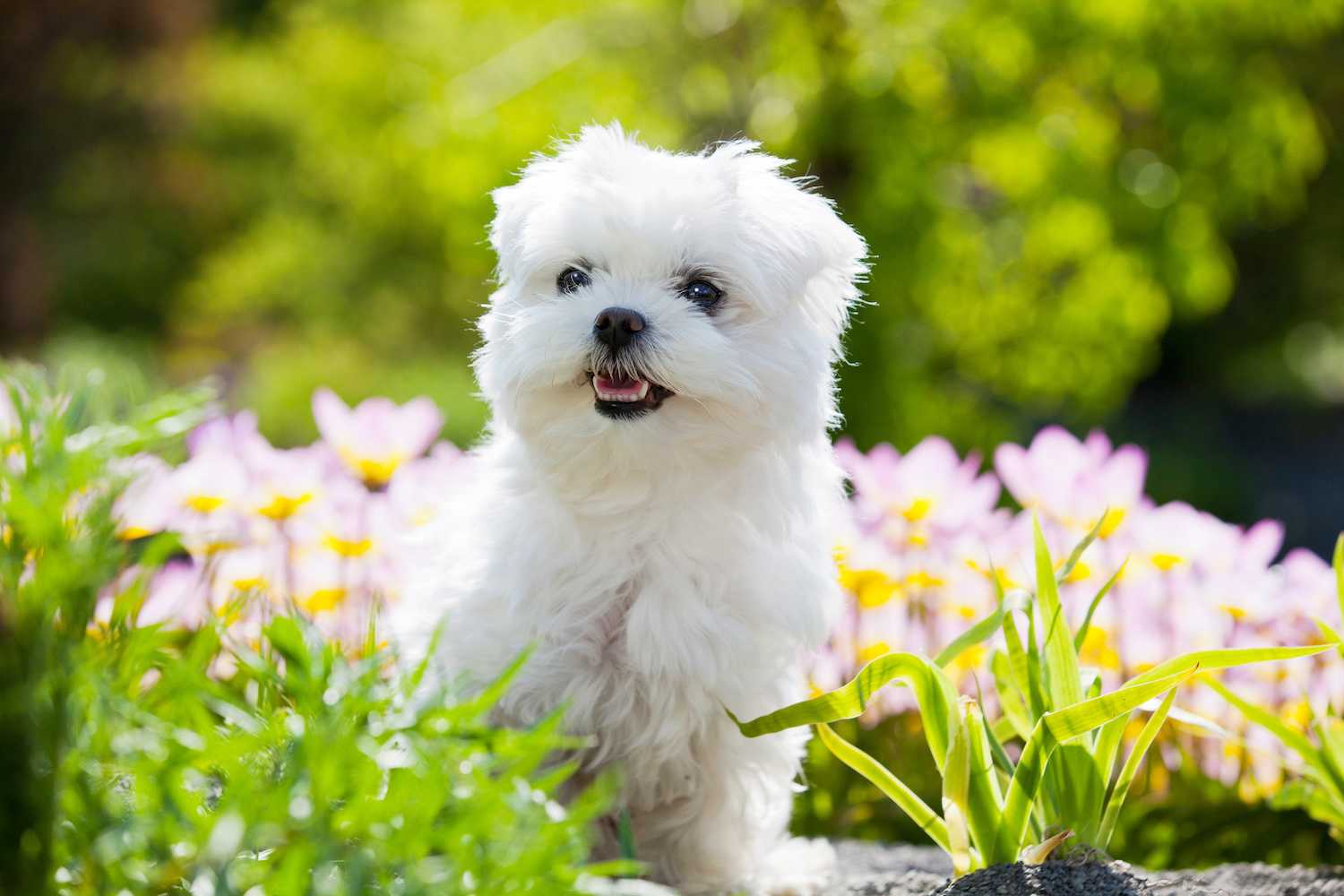
Credit: prettiestpuppies.com
Preparing For Potty Training
Preparing for potty training a Maltese puppy sets the stage for success. It helps your puppy learn faster and reduces accidents. Start early to build good habits. Be patient and consistent throughout the process. A calm and organized approach works best.
Choosing The Right Supplies
Pick supplies that make training easier for you and your puppy. Use puppy pads to catch accidents inside. Choose a crate that fits your Maltese comfortably. Have cleaning products ready for quick messes. Small treats help reward good potty behavior.
Setting A Consistent Schedule
Create a fixed daily routine for potty breaks. Take your puppy out first thing in the morning. Offer bathroom breaks after meals and naps. Regular intervals help your puppy learn faster. Stick to the schedule even on busy days.
Creating A Designated Potty Area
Choose one spot outside for your puppy to potty. This helps your Maltese recognize the right place. Keep the area clean and free of distractions. Use the same spot every time you go out. Praise your puppy when they use the area correctly.

Credit: www.youtube.com
Establishing A Routine
Establishing a routine is key to potty training your Maltese puppy. Puppies learn best with consistency and clear patterns. A steady schedule helps your puppy understand when and where to go. It reduces accidents and builds good habits quickly.
Stick to regular times for bathroom breaks. Your puppy will start to expect these moments. This makes training smoother and less stressful for both of you. Patience and repetition make all the difference.
Frequent Bathroom Breaks
Take your Maltese puppy outside often. Puppies have small bladders. They need to go out every 1 to 2 hours. More breaks help prevent accidents inside the house. Offer praise when your puppy goes outside. This encourages good behavior.
Timing After Meals And Play
Watch your puppy after eating or playing. These activities often trigger the need to pee or poop. Take your puppy outside 10 to 15 minutes after meals. Also, offer a bathroom break after active play. This habit reduces indoor accidents.
Recognizing Signs Your Puppy Needs To Go
Learn your puppy’s signals for needing to go out. Sniffing, circling, or whining are common signs. When you see these, take your puppy outside quickly. Responding to these signs builds trust and good habits. It helps your puppy learn where to relieve itself.
Training Techniques
Training a Maltese puppy takes patience and clear methods. Using the right techniques helps your puppy learn faster. These methods build good habits and reduce accidents. Focus on gentle, consistent training to make potty training easier. Here are some effective training techniques to try.
Positive Reinforcement Methods
Praise your puppy immediately after they go potty outside. Use treats and kind words to reward good behavior. This helps your puppy know what you want. Avoid punishment, as it can make your puppy scared. Repeat rewards consistently to build strong habits.
Using Crate Training Effectively
Crate training helps your puppy learn bladder control. Keep the crate small and cozy, just big enough to stand and turn. Puppies do not like to soil their sleeping area. Take your puppy outside right after they leave the crate. Use the crate only for short periods at first.
Handling Accidents Calmly
Accidents happen during potty training. Stay calm and do not yell at your puppy. Clean the area well to remove any smell. This stops your puppy from returning to the same spot. Teach your puppy where it is okay to go by guiding them gently.
Common Challenges
Potty training a Maltese puppy can be tricky. Many owners face common challenges that slow down the process. Understanding these issues helps you stay calm and patient. Each puppy is different. Some problems are normal and can be solved with care.
Dealing With Stubbornness
Some Maltese puppies resist potty training. They may ignore commands or refuse to go outside. This stubbornness can be frustrating. Stay firm and consistent with your routines. Use gentle praise to encourage good behavior. Avoid punishment, as it can make stubbornness worse.
Managing Fear And Anxiety
Fear can stop a puppy from potty training. Loud noises or new places may cause anxiety. Create a calm and safe environment. Take slow steps to introduce new spots for potty breaks. Comfort your puppy with soothing words and touch. This helps build trust and confidence.
Addressing Regression Issues
Sometimes, a trained puppy may go back to old habits. This regression is common during changes like moving or new family members. Stay patient and return to basic training steps. Clean accidents thoroughly to remove smells. Keep a steady schedule to help your puppy adjust again.
Maintaining Progress
Maintaining progress is key to successful potty training for your Maltese puppy. Consistency helps your puppy understand the rules and feel secure. Keep routines steady and stay patient during this phase. Small steps lead to big improvements over time.
Gradually Increasing Freedom
Give your puppy more freedom slowly. Start with short periods in safe areas. Watch for accidents closely. If your puppy stays clean, allow longer playtime outside the crate. Gradual freedom builds trust and good habits.
Consistent Praise And Rewards
Praise your puppy every time it goes potty outside. Use treats or gentle petting as rewards. Keep your tone happy and calm. Rewards help your puppy connect good behavior with positive feelings. Avoid punishment to keep training stress-free.
Monitoring For Health Issues
Watch for signs of illness that affect potty habits. Frequent accidents or straining could mean health problems. Check with your vet if you notice changes. Healthy puppies learn faster and keep routines better. Early care prevents setbacks in training.

Credit: www.youtube.com
Frequently Asked Questions
How Long Does Potty Training A Maltese Puppy Take?
Potty training a Maltese puppy typically takes 4 to 6 weeks. Consistency and patience speed up the process. Each puppy learns at its own pace, so regular routines help achieve success faster.
What Is The Best Time To Potty Train A Maltese?
Start potty training your Maltese puppy between 8 to 12 weeks old. Early training helps establish good habits and reduces accidents. Begin as soon as you bring your puppy home for best results.
How Often Should I Take My Maltese Puppy Outside?
Take your Maltese puppy outside every 1 to 2 hours during the day. Frequent trips prevent accidents and reinforce potty habits. Always take them out after eating, playing, or waking up.
What Are Effective Rewards For Potty Training A Maltese?
Use small treats, praise, and affection as rewards during potty training. Positive reinforcement encourages your Maltese puppy to repeat good behavior. Consistent rewards make training enjoyable and effective.
Conclusion
Potty training a Maltese puppy takes patience and care. Consistency helps your puppy learn faster. Praise your puppy often to encourage good habits. Expect accidents, and stay calm during them. Keep a regular schedule for bathroom breaks. Small steps lead to big progress over time.
Enjoy bonding with your puppy throughout the process. Your effort will bring a happy, clean home. Trust yourself and your puppy’s ability to learn. Success comes with time, love, and patience.


