

Want to turn playtime into a fun learning experience for your dog? Teaching your dog to play fetch isn’t just about throwing a ball—it’s about building a strong bond and boosting your pet’s confidence.
If you’ve ever wondered how to get your dog excited about fetching and bringing the toy back every time, you’re in the right place. This guide will show you simple, proven steps to train your dog to play fetch, making your time together more enjoyable and rewarding.
Ready to see your dog’s tail wag with joy? Let’s dive in!

Credit: www.youtube.com
Choosing The Right Toy
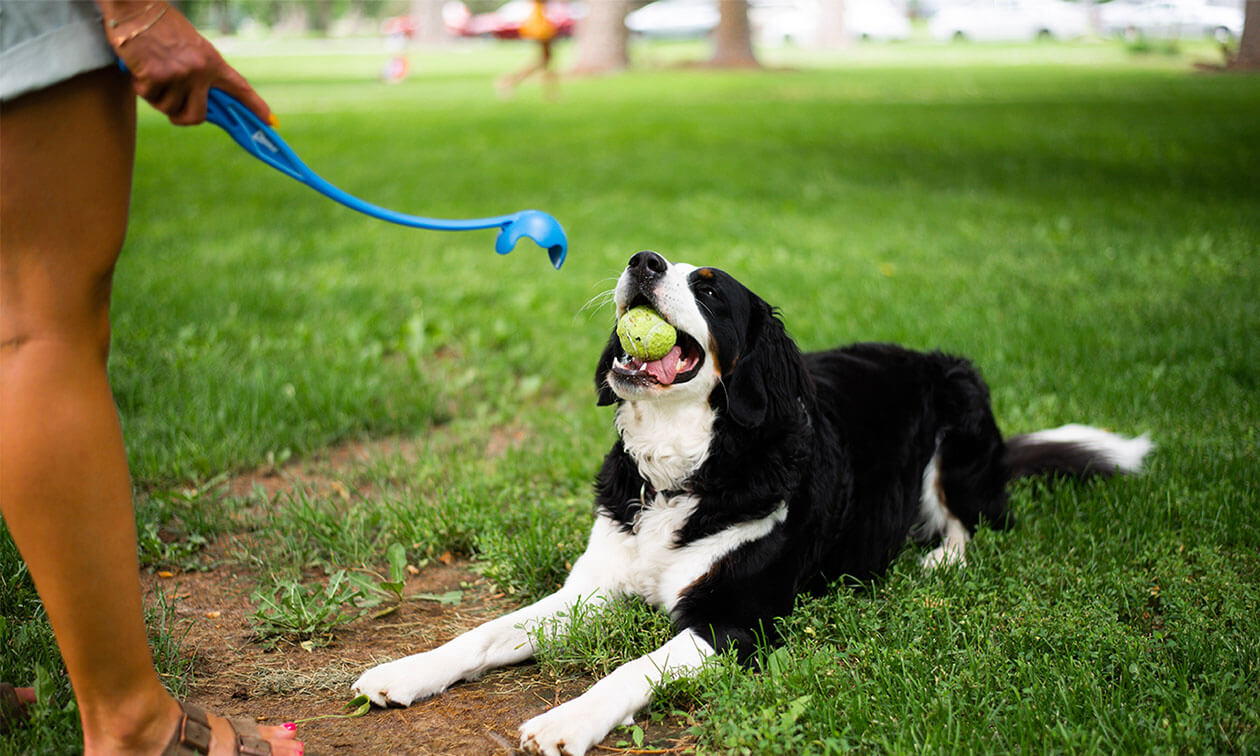
Choosing the right toy is key to teaching your dog how to play fetch. The toy must be fun and easy for your dog to carry. It should also be safe and strong enough for your dog’s chewing habits. A good fetch toy keeps your dog excited and helps the training go smoothly.
Best Toys For Fetch
Tennis balls are popular but can wear out quickly. Choose balls made for dogs, which are softer and safer. Rubber balls are tough and bounce well, making fetch more exciting. Frisbees designed for dogs are light and easy to catch. Some dogs prefer plush toys, but these can tear easily.
Safety Considerations
Pick toys that do not break into small parts. Small pieces can cause choking or stomach problems. Avoid toys with sharp edges or loose parts. Check the toy often for damage and replace it if needed. Make sure the toy size fits your dog’s mouth comfortably. Clean the toys regularly to keep them safe and hygienic.
Credit: www.zoetispetcare.com
Creating A Positive Environment
Creating a positive environment helps your dog learn fetch faster. It makes training fun and stress-free. A calm and happy dog will pay attention better. Positive vibes encourage your dog to try again and again. This section shows how to set up the best place for training.
Finding A Suitable Location
Choose a quiet spot with enough space to run. A backyard or a park works well. Avoid places with sharp objects or traffic. Soft grass or dirt is easier on your dog’s paws. Pick a flat area to throw the ball safely. Make sure the spot is safe and clean.
Minimizing Distractions
Turn off loud noises like TVs or radios. Keep other pets away during training. Avoid busy places with many people or dogs. Use a calm voice to keep your dog focused. Start training in a quiet area, then add distractions slowly. This helps your dog learn without stress.
Teaching The Basics
Teaching the basics of fetch helps your dog enjoy the game and learn fast. Start with simple steps. Be patient and keep training sessions short. Your dog needs to understand what fetch means before playing well.
Introducing The Fetch Command
Begin by choosing a clear word like “fetch” or “get it.” Say this word every time you show the toy or ball. Let your dog see and smell the toy. Use an excited voice to catch your dog’s attention. Repeat the command and show the toy several times. This helps your dog link the word with the action.
Encouraging Retrieval
After your dog understands the command, toss the toy a short distance. Use the fetch word again. Praise your dog loudly when it moves toward the toy. If your dog picks it up, call it back with a happy voice. Reward with treats or pets when the toy is returned. This teaches your dog to bring the toy back every time.
Reinforcing The Behavior
Reinforcing your dog’s fetch behavior helps make the learning strong and lasting. Positive signals encourage your dog to repeat the action. This builds a fun and trusting bond between you and your pet. Rewards and practice are key to keep your dog interested and eager to play.
Using Treats And Praise
Treats are powerful tools to reward your dog. Give a small treat right after your dog brings the ball back. This shows the dog what action you want. Praise with a happy voice also helps. Say “Good job!” or “Well done!” to make your dog feel proud. These rewards make fetch a positive experience.
Consistent Practice Sessions
Practice regularly but keep sessions short. Ten to fifteen minutes each day works well. Consistent training helps your dog remember the game. Avoid long sessions that tire or bore your dog. Repeat the fetch steps gently and clearly. This helps your dog learn faster and enjoy playing.
Handling Common Challenges
Training a dog to play fetch can bring joy and exercise for both of you. Yet, some challenges may slow progress. Handling these common issues helps keep training fun and effective.
Dealing With Lack Of Interest
Some dogs do not show interest in fetch at first. Try using toys that your dog likes. Use treats to reward small steps toward playing. Keep sessions short to hold attention. Play in a quiet place to avoid distractions. Show excitement and praise your dog often. Patience is key to building interest.
Managing Overexcitement
Dogs can get too excited and lose focus during fetch. Teach calm behavior before starting the game. Use a command like “wait” or “stay” to control energy. Stop the game if the dog gets too wild. Reward calm actions to encourage control. Practice short sessions to avoid overexciting your dog.
Advancing Fetch Skills
Advancing your dog’s fetch skills takes patience and clear steps. Start with what your dog already knows. Build on simple fetch by adding new challenges and commands. This keeps the game fun and improves your dog’s obedience. Progress slowly to avoid confusion.
Increasing Distance
Begin by throwing the ball a short distance. Gradually throw it farther each time. This helps your dog learn to run longer and stay focused. Use a safe, open area for practice. Praise your dog for bringing the ball back. Keep sessions short to hold your dog’s attention.
Adding Commands For Drop And Release
Teach your dog to drop the ball on command. Use a clear word like “drop” or “release.” Show a treat or toy to encourage letting go. Reward your dog immediately after dropping the ball. Practice this step many times in short sessions. This skill makes fetch more controlled and fun.
Maintaining Fetch Skills Long-term
Maintaining your dog’s fetch skills long-term takes steady effort and care. Practice helps keep the dog interested and sharp. Regular training sessions prevent your dog from forgetting the commands and actions. The key is to balance practice with fun. This keeps your dog eager to play and learn more.
Regular Practice Tips
Set aside short, daily sessions for fetch practice. Even five to ten minutes can make a big difference. Use clear, simple commands every time. Consistency helps your dog understand what you want. Practice in different places to build strong habits. This stops your dog from only playing fetch in one spot. Praise and reward your dog often. Positive feedback encourages good behavior.
Keeping Fetch Fun
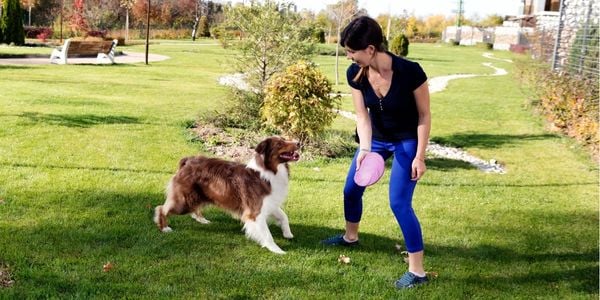
Keep fetch exciting by changing toys and games. Use balls, frisbees, or soft toys for variety. Play with your dog, showing enthusiasm and energy. Your mood can boost your dog’s excitement. Avoid long, boring sessions that tire your dog out. End each session on a high note with a fun reward. This makes your dog look forward to the next game.
Credit: www.preventivevet.com
Frequently Asked Questions
How Long Does It Take To Train A Dog To Play Fetch?
Training a dog to play fetch usually takes 1 to 2 weeks. Consistency and short daily sessions speed up learning. Each dog learns at its own pace depending on breed and age.
What Are The Best Toys For Fetch Training?
Soft balls, rubber toys, and frisbees work best for fetch training. Choose lightweight, durable toys that are easy for your dog to carry. Avoid small toys that might be choking hazards.
How Do I Teach My Dog To Bring The Toy Back?
Use treats and praise to encourage your dog to return the toy. Call your dog back with a happy tone. Reward them immediately when they bring the toy to you.
Can All Dogs Learn To Play Fetch?
Most dogs can learn fetch, but some breeds may show less interest. Puppies and young dogs usually pick it up faster. Patience and positive reinforcement help any dog learn this game.
Conclusion
Training a dog to play fetch takes patience and practice. Start with small steps and praise your dog often. Keep sessions short and fun to hold their interest. Use clear commands and show excitement to encourage play. Over time, your dog will learn to fetch on command.
Remember, every dog learns at its own pace. Enjoy the process and the bond you build. Playing fetch is a great way to keep your dog active and happy. Keep practicing, and both of you will have a great time.


